
Navigating the complexities of tax season can often leave individuals with lingering questions, one of the most pressing being: “Do I owe the IRS?” The thought of an outstanding tax balance can be a source of significant anxiety, not just for the immediate financial implications but also for the potential penalties and interest that can accrue over time. Proactively determining your tax standing is a crucial step towards sound financial management, offering peace of mind and enabling you to address any obligations efficiently and effectively. This article will guide you through the various official channels and methods available to ascertain your current tax debt with the Internal Revenue Service, ensuring you have the information needed to maintain a healthy financial outlook.
The Importance of Knowing Your Tax Standing
Understanding your tax obligations is more than just a matter of compliance; it’s a fundamental pillar of personal financial health. Ignoring potential tax debt does not make it disappear; instead, it typically exacerbates the problem, leading to increased financial burdens and potential legal ramifications.
Why Tax Clarity Matters
Knowing whether you owe the IRS provides immediate clarity regarding your financial position. It allows you to budget accurately, allocate funds for payment, and avoid unexpected financial shocks. For many, the uncertainty surrounding potential tax debt is more stressful than the debt itself. By actively seeking out this information, you empower yourself to take control, reducing stress and fostering a sense of financial security. This clarity is also vital for planning future financial endeavors, such as purchasing a home, making significant investments, or even applying for loans, as tax liens or outstanding debts can impact your creditworthiness and eligibility.
Consequences of Unresolved Tax Debt
The repercussions of ignoring an IRS debt can be severe and far-reaching. The IRS is a powerful collection agency, and while they often provide avenues for resolution, they also have significant enforcement capabilities.
Firstly, penalties and interest are immediate concerns. For underpayment or late payment, the IRS typically charges a penalty, often a percentage of the unpaid amount. Interest then accrues daily on both the unpaid tax and the penalties. This can cause a relatively small initial debt to swell considerably over time.
Secondly, the IRS may take collection actions. These can include issuing a Notice of Federal Tax Lien, which is a public claim against your property (like real estate or vehicles), making it difficult to sell or refinance. They can also issue a Notice of Levy, which allows them to seize assets such as wages, bank accounts, or retirement funds. In extreme cases, failure to file or pay can even lead to criminal charges, though this is rare for most individual taxpayers who are attempting to resolve their issues. Proactive engagement with the IRS is always the best strategy to mitigate these severe consequences.
Direct Channels to Confirm Your IRS Balance
The IRS offers several official and secure methods for taxpayers to check their account balances and ascertain whether they have any outstanding tax obligations. Leveraging these direct channels ensures you receive accurate information straight from the source.
Utilizing Your IRS Online Account
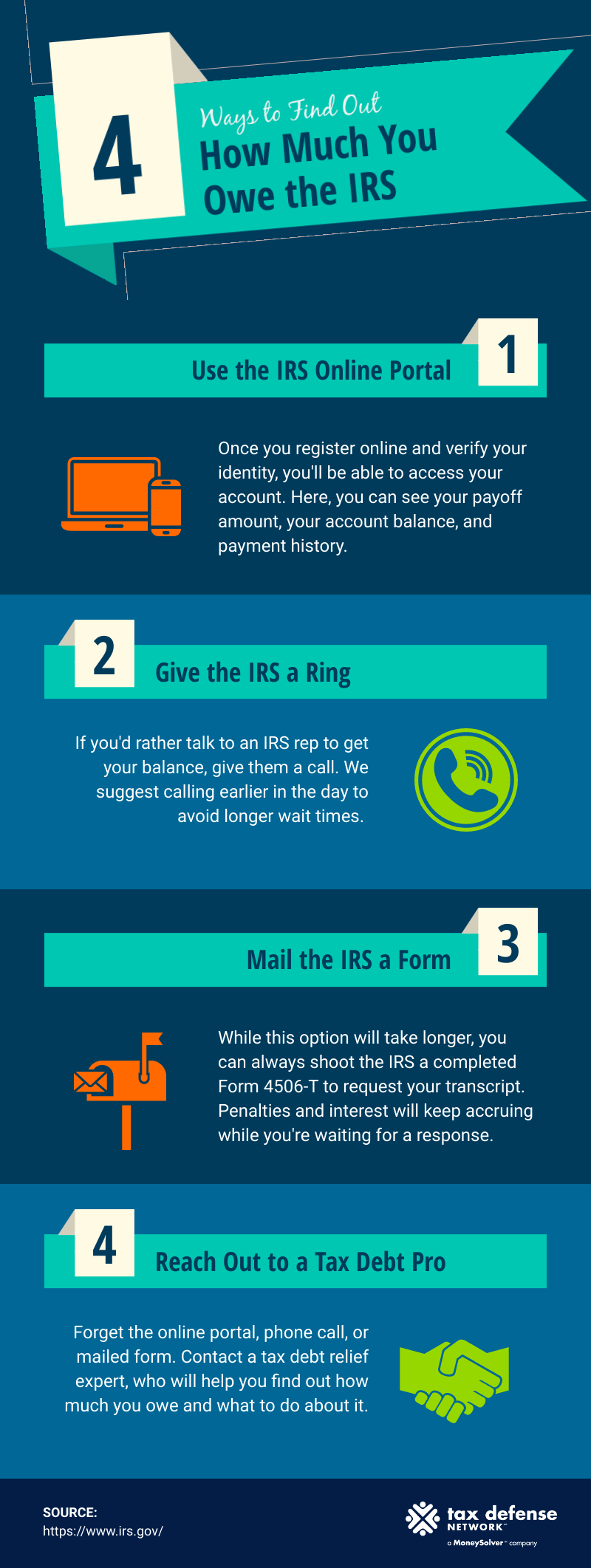
One of the most convenient and increasingly popular ways to check your IRS balance is through your personal IRS online account. This digital portal provides secure access to your tax information, offering a comprehensive overview of your tax history.
Setting Up Your Account
If you don’t already have one, you’ll need to set up an account on the IRS website (IRS.gov). The process involves a robust identity verification procedure to protect your sensitive financial data. This typically requires providing personal details, a valid email address, a phone number, and often involves a multi-factor authentication step, sometimes including verifying information from a credit product or receiving a verification code via mail. Once verified, you’ll have ongoing access to your account.
Accessing Your Balance Due
Once logged into your IRS online account, you can typically find your balance due information under a section often labeled “Balance Due” or “Tax Account.” Here, you can view your current tax balance, including any penalties and interest, for all tax years. The account also shows your payment history, payment plans, and information from your most recent tax return. This real-time access makes it an invaluable tool for ongoing financial monitoring.
Requesting Your Tax Transcripts
Tax transcripts are detailed summaries of your tax returns and account activity, providing a historical record of your filings and any outstanding balances. While not as user-friendly as the online account for a quick balance check, they offer comprehensive data for those who need it.
Types of Transcripts Available
The IRS offers several types of transcripts:
- Tax Account Transcript: This transcript shows basic information such as marital status, type of return filed, adjusted gross income (AGI), and all payment transactions, including any penalties and interest assessed. It’s an excellent source for seeing your overall account balance for a specific tax year.
- Tax Return Transcript: This transcript shows most line items from your original tax return (Form 1040, 1040A, or 1040EZ) as you filed it, along with any accompanying forms and schedules. It does not show changes made after the original return was filed.
- Record of Account Transcript: This combines information from both the tax return transcript and the tax account transcript, providing the most complete picture of your tax history for a specific year.
How to Order Transcripts
You can request transcripts in several ways:
- Online: Through the “Get Transcript Online” tool on IRS.gov. This requires identity verification similar to setting up an IRS online account.
- By Mail: Using the “Get Transcript by Mail” tool on IRS.gov, which delivers transcripts to your address of record within 5 to 10 calendar days.
- By Phone: Calling the IRS at 800-908-9946.
- By Form: Completing and mailing Form 4506-T, Request for Transcript of Tax Return, or Form 4506T-EZ, Short Form Request for Individual Tax Return Transcript.
Contacting the IRS Directly
Sometimes, the most straightforward approach is to speak directly with an IRS representative, especially if your situation is complex or you prefer verbal confirmation.
The Best Way to Reach the IRS
The primary phone number for individual taxpayers to inquire about their account is 800-829-1040. Be aware that wait times can be significant, especially during peak tax season. It’s often advisable to call early in the morning, late in the afternoon, or on weekdays rather than Mondays or Fridays. The IRS also operates Taxpayer Assistance Centers (TACs) for in-person help, though you generally need an appointment. You can find your nearest TAC and schedule an appointment on the IRS website.
Information You’ll Need
When contacting the IRS, whether by phone or in person, be prepared to verify your identity. This will typically include your Social Security number (SSN), date of birth, and your filing status. You may also need to provide information from a previous tax return, such as your Adjusted Gross Income (AGI), to further authenticate your identity. Having relevant notices or correspondence from the IRS on hand will also be helpful.
Deciphering Your Tax Obligations and Notices
Once you’ve accessed information indicating a potential debt, the next crucial step is to understand precisely what you owe and why. IRS communications, while sometimes intimidating, contain vital clues.
Understanding Different Types of Balances
An “IRS balance due” isn’t always a monolithic figure. It can be composed of various components, each with its own implications.
Tax Owed, Penalties, and Interest
The primary component is the original tax owed – the actual amount of tax liability that was not paid by the due date. Beyond this, the IRS levies penalties. Common penalties include:
- Failure to File Penalty: For not filing your return by the due date.
- Failure to Pay Penalty: For not paying the tax you owe by the due date.
- Accuracy-Related Penalty: For substantial understatements of tax or negligence.
- Estimated Tax Penalty: If you didn’t pay enough tax throughout the year through withholding or estimated tax payments.
Interest is also charged on underpayments and applies to the unpaid tax from the due date until the date of payment. Interest also applies to unpaid penalties. These components collectively form your total balance due.
Interpreting IRS Notices and Letters
The IRS communicates primarily through mail. If you owe, or if they believe you do, you will almost certainly receive an official notice or letter.
Common Notices and Their Meanings

- Notice CP14 (Balance Due): This is one of the most common notices, informing you that you have a balance due on your tax account for a specific tax year. It will state the amount of tax, penalties, and interest owed.
- Notice CP501, CP503, CP504 (Series of Payment Reminders): These notices are increasingly urgent reminders that you have an unpaid balance. CP504 often warns of the IRS’s intent to levy (take) your property or rights to property if the balance remains unpaid.
- Notice CP2000 (Underreporter Inquiry): This notice indicates that income reported to the IRS by third parties (like employers or banks) doesn’t match the income you reported on your tax return. It may propose changes to your tax and suggest you owe more.
- Letter 1153 (Final Notice of Intent to Levy and Notice of Your Right to a Hearing): This is a critical notice as it informs you of the IRS’s final decision to levy your assets and offers you the right to a Collection Due Process (CDP) hearing.
What to Do Upon Receiving a Notice
Do not ignore it. This is the golden rule. Open and read all IRS correspondence promptly.
- Review Carefully: Understand what the notice is asking or stating. Does it confirm a balance you already knew about, or is it a surprise?
- Verify Information: Check the tax year and the amounts. If you believe the notice is incorrect, gather supporting documentation.
- Respond Promptly: The notice will often provide instructions on how to respond and a deadline. Adhere to these.
- Seek Help If Needed: If you don’t understand the notice or disagree with it, consider contacting the IRS or a tax professional for clarification.
Strategies for Addressing an IRS Debt
Discovering you owe the IRS can be daunting, but the agency offers several options to help taxpayers resolve their financial obligations. It’s crucial to understand these strategies to choose the best path for your circumstances.
Payment Options and Plans
The IRS generally prefers full payment, but they recognize that isn’t always feasible.
Paying in Full
If you can afford to pay the full balance, do so immediately. This stops the accrual of penalties and interest, minimizing your total cost. You can pay online directly from your bank account, by debit or credit card, by check or money order, or through other approved methods listed on IRS.gov.
Short-Term Payment Plans
If you need a bit more time but can pay within 180 days, you might qualify for a short-term payment plan. This allows you to pay your full tax liability plus interest and penalties, but the failure-to-pay penalty may be reduced. There is no fee to set up a short-term payment plan.
Installment Agreements
For larger debts that cannot be paid within 180 days, an installment agreement allows you to make monthly payments for up to 72 months (6 years). You’ll still accrue interest and penalties, but the failure-to-pay penalty may be reduced. You can set up an installment agreement online via the IRS Online Payment Agreement tool if you owe a combined total of under $50,000 (for individuals) or $25,000 (for businesses). There is a fee to set up an installment agreement, though it may be reduced or waived for low-income taxpayers.
Offer in Compromise (OIC)
An OIC allows certain taxpayers to resolve their tax liability with the IRS for a lower amount than what they originally owe. This is typically an option when you can prove that paying the full amount would cause significant financial hardship or if there’s doubt about the amount owed or collectibility. The IRS considers your ability to pay, income, expenses, and asset equity when evaluating an OIC. It’s a complex process and not everyone qualifies.
Seeking Professional Guidance
When facing an IRS debt, especially a substantial one or a complex situation, professional advice can be invaluable.
When to Consult a Tax Professional
Consider consulting a tax professional if:
- Your debt is large or includes multiple tax years.
- You don’t understand the IRS notices or your options.
- You believe the IRS has made an error.
- You are considering an Offer in Compromise or other complex resolution strategies.
- You are experiencing significant financial hardship and need help negotiating with the IRS.
Enrolled Agents vs. CPAs
- Enrolled Agents (EAs): EAs are tax specialists authorized by the IRS to represent taxpayers before the IRS. They are experts in tax law and can handle audits, collections, and appeals. EAs specialize exclusively in taxation.
- Certified Public Accountants (CPAs): CPAs are licensed accountants who can offer a broader range of financial services, including tax preparation, financial planning, and auditing. Many CPAs have extensive tax expertise and can represent clients before the IRS.
Both EAs and CPAs can be excellent resources. The best choice depends on the specific nature of your tax issues and your other financial needs.
Proactive Steps to Prevent Future Tax Surprises
While knowing how to find out if you owe the IRS is crucial, preventing future tax surprises is equally important for long-term financial stability. A proactive approach can save you stress, penalties, and interest.
Maintaining Meticulous Records
Good record-keeping is the cornerstone of effective tax management. It helps you prepare accurate returns, substantiate deductions, and respond confidently to any IRS inquiries.
Organizing Your Financial Documents
Keep all relevant financial documents in an organized manner. This includes W-2s, 1099s, receipts for deductible expenses (charitable contributions, medical expenses, business expenses), bank statements, investment statements, and records of any estimated tax payments. Digital copies are excellent for backup and accessibility, but retaining physical copies for a certain period (typically three years from the date you filed your return or two years from the date you paid the tax, whichever is later) is also recommended. Cloud storage or dedicated tax software can aid in this organization.
Understanding Estimated Taxes
Many taxpayers, particularly those who are self-employed or have significant income not subject to withholding, must pay estimated taxes throughout the year to cover their tax liability.
Who Needs to Pay Estimated Taxes
You generally need to pay estimated tax if you expect to owe at least $1,000 in tax for the year. This often applies to individuals who:
- Receive income from self-employment, rents, interest, or dividends.
- Are partners or S corporation shareholders.
- Do not have taxes withheld from their income, or do not have enough withheld.
Estimated taxes are usually paid in four equal installments throughout the year (April 15, June 15, September 15, and January 15 of the following year). Failure to pay enough estimated tax can result in penalties, even if you receive a refund when you file your annual return.
Regular Financial Health Checks
Just as you might get a physical check-up, regular financial health checks are essential for identifying potential tax issues before they become problems.

Annual Tax Review
Make it a habit to review your tax situation at least once a year, ideally mid-year.
- Adjust Withholding: Use the IRS Tax Withholding Estimator tool on IRS.gov to ensure your employer is withholding the correct amount of federal income tax from your paychecks. Adjusting your W-4 can prevent under-withholding or excessive overpayment.
- Track Major Life Changes: Marriage, divorce, birth of a child, a new job, buying a home, or starting a business can all significantly impact your tax situation. Proactively understand these changes and adjust your financial planning accordingly.
- Consult a Professional: A brief annual consultation with a tax professional can help you stay on track, identify potential deductions, and plan for upcoming tax liabilities.
Being proactive about your tax situation is not just about avoiding penalties; it’s about smart financial management. By utilizing the available IRS tools, understanding their communications, and taking preventative measures, you can ensure you’re always aware of your tax standing and well-equipped to manage any obligations that may arise. The peace of mind that comes from knowing you’re in control of your financial responsibilities is invaluable.
aViewFromTheCave is a participant in the Amazon Services LLC Associates Program, an affiliate advertising program designed to provide a means for sites to earn advertising fees by advertising and linking to Amazon.com. Amazon, the Amazon logo, AmazonSupply, and the AmazonSupply logo are trademarks of Amazon.com, Inc. or its affiliates. As an Amazon Associate we earn affiliate commissions from qualifying purchases.