
In an era defined by rapid technological advancement and an ever-increasing demand for convenience, the simple act of “paying” has evolved from a straightforward exchange of cash to a complex ecosystem of digital wallets, contactless cards, cryptocurrencies, and everything in between. For consumers and businesses alike, understanding the myriad ways to conduct transactions is no longer a luxury but a necessity. This article delves into the diverse payment methods available today, exploring their characteristics, advantages, and the considerations one should make when choosing the right option for any given situation. From the enduring relevance of traditional methods to the cutting edge of financial technology, we’ll equip you with the insights to navigate the modern payment landscape with confidence and efficiency.
The Evolution of Payment Methods: From Barter to Biometrics
The journey of payment is a fascinating reflection of human ingenuity, driven by the perennial need for efficient value exchange. What began with rudimentary bartering systems has blossomed into a sophisticated global network, each stage of its evolution marked by innovations that have transformed commerce and personal finance.
A Historical Glance: From Coins to Cards
For millennia, physical commodities served as the bedrock of economic exchange. Shells, livestock, and precious metals were among the earliest forms of money, valued for their scarcity and utility. The invention of coinage in ancient Lydia standardized these exchanges, providing a portable and divisible medium that facilitated trade across vast empires. Paper currency, emerging much later in China, further abstracted value, introducing a promise of payment rather than intrinsic worth. This fundamental shift paved the way for modern fiat money, which derives its value from government decree and public trust.
The 20th century heralded the advent of plastic money. The first universal credit card, Diners Club, appeared in 1950, followed swiftly by major players like American Express and BankAmericard (now Visa). These cards revolutionized consumer spending, decoupling the act of purchase from the immediate availability of cash and offering unprecedented convenience and security against theft. Debit cards, linking directly to a bank account, provided similar convenience without incurring debt, establishing themselves as a primary transaction tool for daily expenses.
The Digital Revolution: Internet Banking and Mobile Wallets
The late 20th and early 21st centuries saw payment methods undergo their most radical transformation yet, driven by the internet and the proliferation of mobile technology. Online banking emerged, allowing individuals to manage their accounts, pay bills, and transfer funds from anywhere with an internet connection. This significantly reduced reliance on physical bank branches and paper transactions.
However, it was the smartphone that truly accelerated the digital payment revolution. Mobile wallets like Apple Pay, Google Pay, and Samsung Pay transformed smartphones into virtual cardholders, enabling contactless payments with a simple tap. Peer-to-peer (P2P) payment apps like Venmo and Zelle made splitting bills and sending money to friends as easy as sending a text message. E-commerce platforms integrated payment gateways like PayPal and Stripe, making online shopping seamless and secure. This shift has not only boosted transaction speed and convenience but has also ushered in an era of greater financial inclusion and innovative budgeting tools.
Traditional Payment Methods: Enduring Relevance
Despite the rapid proliferation of digital payment options, several traditional methods retain significant relevance in specific contexts, valued for their simplicity, accessibility, and unique characteristics. Understanding these foundational methods remains crucial for comprehensive financial literacy.
Cash: Simplicity and Anonymity
Physical currency—cash—remains a universally accepted payment method, particularly for small transactions and in situations where digital infrastructure may be unreliable or unavailable. Its primary advantages include immediacy, as transactions are settled instantly, and anonymity, offering a degree of privacy that digital transactions often lack. For budgeting, using cash can be a powerful tool, as the physical act of handing over money can create a more tangible sense of spending. However, cash carries risks, including susceptibility to loss or theft, and offers no recourse for fraudulent transactions. It also presents logistical challenges for large sums and is less convenient for online purchases.
Credit and Debit Cards: Convenience and Security Features
Credit and debit cards are arguably the most ubiquitous non-cash payment methods globally. Debit cards draw directly from your bank account, acting much like an electronic check, ensuring you spend only what you have. This makes them excellent tools for managing daily expenses and preventing debt accumulation. Credit cards, on the other hand, allow you to borrow money up to a pre-set limit, offering financial flexibility and the ability to build a credit history—a vital component for future loans, mortgages, and even some employment opportunities.
Both types of cards offer significant convenience, widely accepted both in physical stores and online. They also come equipped with advanced security features like EMV chips, PIN requirements, and fraud protection policies that shield consumers from unauthorized transactions. Many credit cards further incentivize use through reward programs, offering cashback, travel points, or discounts. The primary drawback of credit cards is the potential for debt if balances are not paid off in full each month, incurring high interest charges. Debit cards, while safer from debt, offer less robust fraud protection in some cases and do not contribute to building a credit score.
Cheques and Bank Transfers: For Larger or Specific Transactions
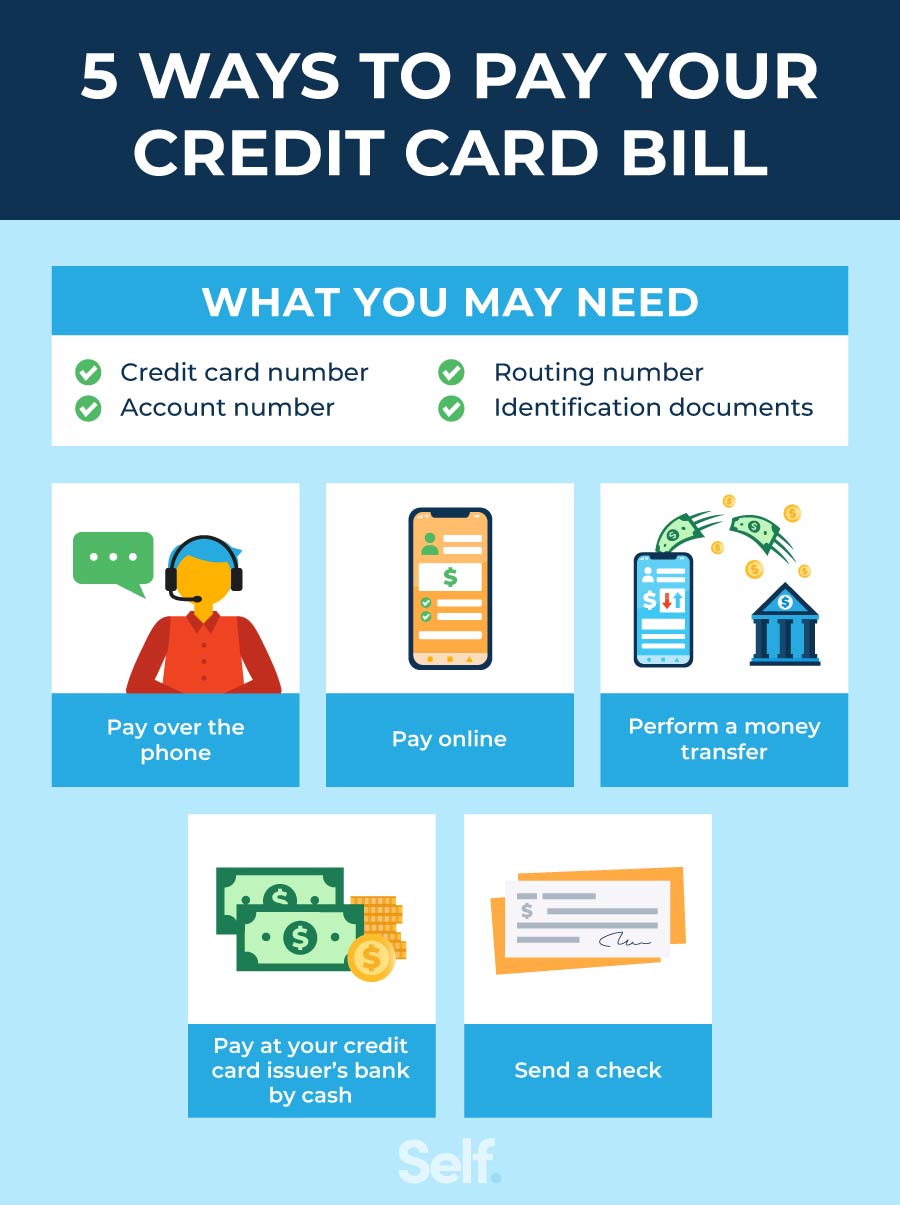
While less common for everyday purchases, cheques and direct bank transfers (wire transfers, ACH payments) continue to play a vital role, especially for larger sums, recurring payments, or transactions between parties that may not use common digital platforms. Cheques offer a physical record of payment and are often used for rent, utility bills, or payments to small businesses that prefer this method. They provide a clear audit trail but are slower to process than digital methods and carry a small risk of fraud.
Bank transfers are particularly useful for moving significant amounts of money between accounts, either domestically or internationally. ACH (Automated Clearing House) payments in the US are commonly used for direct deposits of salaries, mortgage payments, and bill payments, characterized by their reliability and relatively low cost. Wire transfers, while more expensive, offer faster settlement, making them suitable for time-sensitive, large-value transactions. Both methods are generally secure, backed by bank infrastructure, but require careful attention to detail (account numbers, routing numbers) to avoid errors.
Embracing Digital Payments: Speed, Convenience, and Innovation
The digital payment revolution has fundamentally reshaped how we manage our money and conduct transactions, prioritizing speed, convenience, and seamless integration with our modern lifestyles. These methods leverage technology to offer unparalleled ease, from mobile apps to online gateways.
Mobile Wallets: The Power of Your Smartphone
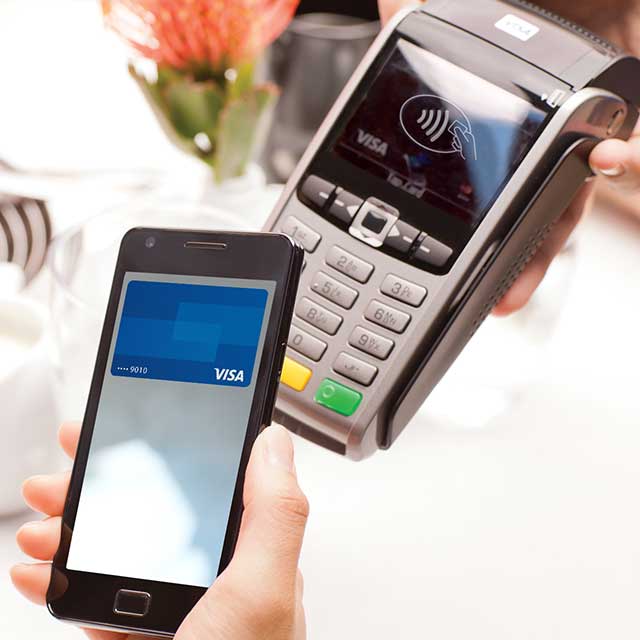
Mobile wallets have transformed smartphones into powerful financial instruments. Services like Apple Pay, Google Pay, and Samsung Pay allow users to securely store credit, debit, and loyalty cards digitally. These platforms leverage Near Field Communication (NFC) technology, enabling contactless payments at compatible terminals with a simple tap of the phone. Beyond convenience, mobile wallets enhance security by tokenizing card numbers, meaning the actual card details are never transmitted during a transaction, reducing the risk of data breaches. Some also support QR code payments, where users scan a code to pay, popular in many parts of Asia and increasingly globally. This method offers a fast, secure, and touch-free way to pay, often integrating loyalty programs and digital receipts for an all-encompassing experience.
Online Payment Gateways: Seamless E-commerce
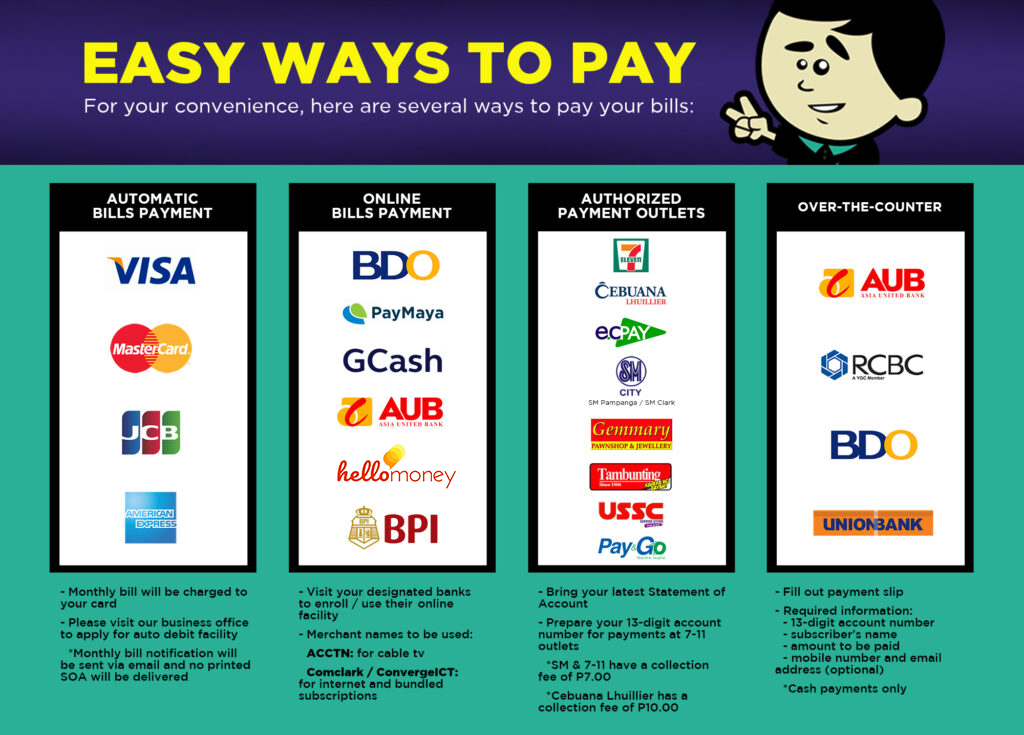
For online shopping and digital services, payment gateways like PayPal, Stripe, and Square are indispensable. These platforms act as intermediaries, securely processing credit card and bank transfer payments between customers and merchants. They encrypt sensitive financial information, ensuring data protection during online transactions. PayPal, for example, allows users to pay without revealing their bank or credit card details to the merchant, adding an extra layer of privacy. Stripe and Square offer robust solutions for businesses, facilitating online sales, subscription billing, and even in-person transactions through POS (Point of Sale) systems. These gateways are foundational to the global e-commerce boom, enabling millions of businesses to accept payments securely from customers worldwide.
Peer-to-Peer (P2P) Payment Apps: Sending Money with Ease
P2P payment apps have democratized money transfers between individuals, making it incredibly easy to split a restaurant bill, send money to a friend, or contribute to a group gift. Apps like Venmo, Zelle, and Cash App allow users to link their bank accounts or debit cards and send money directly to another user’s account using just their phone number or email address. These transactions are typically fast, often instantaneous, and usually free for standard transfers. While incredibly convenient for casual transfers, users should be aware of transaction limits and the fact that most P2P payments are irreversible, meaning careful verification of the recipient is essential.
Contactless Payments: Tap and Go
Contactless payment technology, often powered by NFC, extends beyond mobile wallets to physical cards. Many modern credit and debit cards are equipped with a contactless symbol, allowing users to simply tap their card on a compatible reader to complete a transaction. This “tap and go” method offers unparalleled speed and convenience, eliminating the need to insert a card or swipe, and often doesn’t require a PIN for smaller transactions, further streamlining the checkout process. Beyond cards, contactless technology is increasingly integrated into wearable devices like smartwatches, offering even more ways to pay with a flick of the wrist.
Emerging Payment Technologies: The Future of Transactions
The payment landscape is continuously evolving, with innovative technologies poised to redefine how we interact with our money. These emerging methods promise enhanced security, greater efficiency, and entirely new transactional paradigms.
Cryptocurrencies: Decentralized and Disruptive
Cryptocurrencies like Bitcoin and Ethereum represent a revolutionary approach to digital currency. Operating on decentralized blockchain technology, these digital assets aim to provide secure, transparent, and immutable transactions without the need for traditional financial intermediaries like banks. While still highly volatile and not yet widely accepted for everyday purchases, their potential for global, low-fee transactions and their resistance to censorship are compelling. For early adopters and tech-savvy individuals, paying with crypto offers a glimpse into a future of truly peer-to-peer finance, though regulatory landscapes and user-friendliness are still developing. As institutions increasingly integrate blockchain into their operations, the accessibility and stability of crypto payments are likely to grow.
Biometric Payments: Fingerprints and Facial Recognition
Biometric payment methods leverage unique biological characteristics for authentication, offering a highly secure and convenient way to authorize transactions. Fingerprint scanning (e.g., Touch ID) and facial recognition (e.g., Face ID) are already commonly used to unlock smartphones and authorize mobile wallet payments. Beyond this, dedicated biometric payment terminals are emerging, allowing users to pay directly by scanning a finger or face. This eliminates the need for cards, phones, or PINs, making transactions incredibly fast and virtually fraud-proof, as biometric data is exceedingly difficult to replicate. The privacy implications of storing such sensitive data remain a key discussion point, but the convenience and security benefits are undeniable.
Wearable Technology: Payments on Your Wrist
Extending the concept of mobile payments, wearable technology integrates payment capabilities directly into everyday accessories. Smartwatches, fitness trackers, and even smart rings can be equipped with NFC chips, allowing users to make contactless payments with a simple gesture. This offers an unprecedented level of convenience, enabling payments even when a phone or wallet is not readily accessible. As wearable tech becomes more sophisticated and ubiquitous, its role in streamlining payments and enhancing the overall user experience is set to grow significantly, blending seamlessly into our daily routines.
Choosing the Right Payment Method: Factors to Consider
With such a diverse array of payment options available, selecting the most appropriate method for any given transaction requires careful consideration. Several key factors should guide your decision, balancing convenience, security, cost, and personal financial goals.
Security: Protecting Your Financial Information
Security should always be paramount. Assess the inherent risks of each method: cash can be lost or stolen without recourse, while credit cards offer robust fraud protection. Digital methods, particularly mobile wallets and online payment gateways, employ sophisticated encryption and tokenization to protect your data, but they still require vigilance against phishing scams and malware. Always use strong, unique passwords, enable multi-factor authentication, and be wary of suspicious links or requests for financial information. Understand the fraud liability policies associated with your cards and digital accounts.
Convenience and Speed: Balancing Efficiency with Need
Different scenarios demand different levels of convenience and speed. For quick, everyday purchases at a store, contactless payments via card, phone, or wearable are often the fastest and most seamless. For online shopping, integrated payment gateways provide unparalleled ease. Bank transfers, while secure, are slower and generally more suitable for larger, less frequent transactions. Consider your routine and the typical merchants you interact with; do they accept your preferred fast payment methods?
Fees and Rewards: Understanding the Costs and Benefits
Payment methods are not always free. While debit card usage and standard P2P transfers are typically free for consumers, credit cards can incur interest charges if balances aren’t paid in full, and some international transfers or premium services may have fees. Conversely, many credit cards offer reward programs (cashback, travel points, discounts) that can provide significant value if managed responsibly. Evaluate these costs and benefits to optimize your spending and potentially earn rewards. For businesses, transaction processing fees are a crucial consideration when choosing payment acceptance methods.
Merchant Acceptance: Ensuring Your Preferred Method Works
The most convenient payment method is useless if the merchant doesn’t accept it. While major credit cards and cash are almost universally accepted, certain digital wallets, P2P apps, or cryptocurrencies may have limited adoption. Before attempting to pay, especially in new environments or with niche businesses, quickly verify which payment options are available. This is particularly relevant when traveling internationally, where local payment preferences and technologies can vary significantly.
Budgeting and Financial Control: Impact on Spending Habits
Your choice of payment method can also influence your budgeting and spending habits. Using cash can make spending feel more tangible, potentially aiding in sticking to a budget. Debit cards ensure you don’t overspend beyond your available funds. Credit cards, while offering flexibility, require discipline to avoid debt. Digital wallets and banking apps often come with built-in budgeting tools, transaction tracking, and spending analytics, which can provide valuable insights into your financial behavior and help you maintain better control over your money. Align your payment choices with your personal financial goals and preferred budgeting style.
Conclusion
The question “how can I pay?” no longer has a single, simple answer. We live in an exciting era where traditional reliability meets digital innovation, offering an unprecedented array of choices for every financial interaction. From the time-honored simplicity of cash to the futuristic promise of cryptocurrencies and biometric authentication, each method serves a unique purpose and comes with its own set of advantages and considerations.
Navigating this diverse landscape effectively means being informed, adaptable, and security-conscious. By understanding the evolution of payments, appreciating the enduring value of traditional options, embracing the convenience of digital solutions, and staying abreast of emerging technologies, individuals and businesses can make optimal choices that align with their needs, financial goals, and comfort levels. Ultimately, the best way to pay is the one that offers the right balance of security, convenience, cost-effectiveness, and acceptance for your specific circumstances, empowering you to manage your finances with greater efficiency and peace of mind in our increasingly interconnected world.
aViewFromTheCave is a participant in the Amazon Services LLC Associates Program, an affiliate advertising program designed to provide a means for sites to earn advertising fees by advertising and linking to Amazon.com. Amazon, the Amazon logo, AmazonSupply, and the AmazonSupply logo are trademarks of Amazon.com, Inc. or its affiliates. As an Amazon Associate we earn affiliate commissions from qualifying purchases.