
NVIDIA, a titan in the semiconductor industry and a bellwether for technological advancement, has experienced periods of significant volatility, including notable dips in its stock price. For investors, both seasoned and new, understanding the underlying reasons for such movements is crucial. A stock’s trajectory is rarely dictated by a single factor; instead, it’s often a complex interplay of macroeconomic forces, sector-specific challenges, company-specific news, and shifts in investor sentiment. When a high-growth stock like NVIDIA, often associated with cutting-edge innovations in AI, gaming, and data centers, sees a decline, it prompts a deeper investigation into the financial health of the broader market and the company itself.
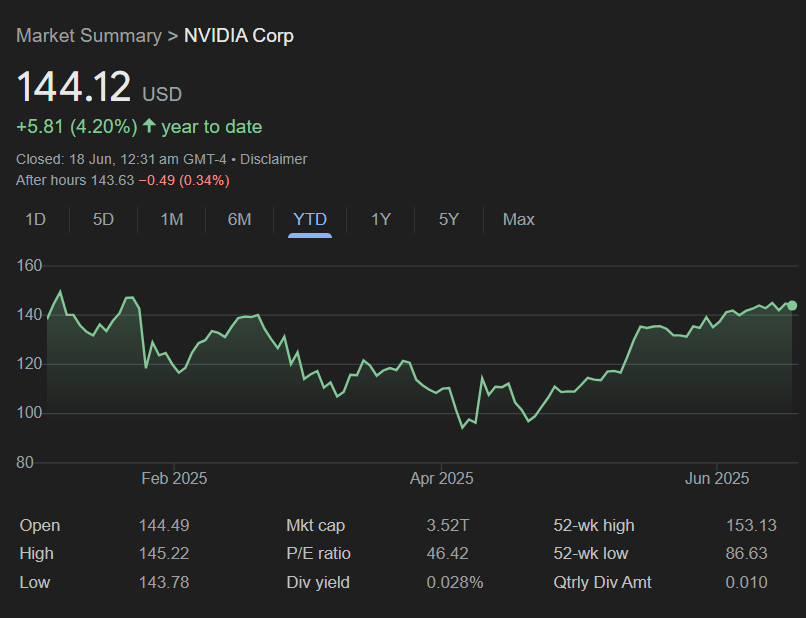
This analysis will delve into the multifaceted reasons behind potential declines in NVIDIA’s stock, focusing exclusively through the lens of investment and financial markets. We will explore how broad market trends, company-specific developments, valuation concerns, and supply chain dynamics collectively contribute to periods of downward pressure on NVDA shares, providing insights vital for informed financial decision-making.
Macroeconomic Headwinds and Broader Market Correction
The performance of individual stocks, even those as robust as NVIDIA, is inextricably linked to the broader economic environment. Periods of decline for NVDA often coincide with wider market downturns, particularly affecting growth and technology stocks.
Rising Interest Rates and Inflationary Pressures
One of the most significant macroeconomic factors impacting stock valuations is the trajectory of interest rates. When central banks, like the Federal Reserve, raise interest rates to combat inflation, it has several ripple effects across financial markets. Higher interest rates increase the cost of borrowing for companies, which can temper future growth plans and reduce profitability. More importantly for growth stocks like NVIDIA, higher interest rates also make future earnings less valuable in present terms, as investors use higher discount rates to value future cash flows. This often leads to a re-evaluation of high-multiple stocks, making them less attractive compared to fixed-income assets or value stocks.
Inflationary pressures further compound this issue. Increased costs for raw materials, labor, and energy can squeeze profit margins, even for companies with strong pricing power. While NVIDIA operates in a high-margin business, it is not entirely immune to escalating operational costs, which can depress earnings expectations and, consequently, stock price.
Geopolitical Instability and Economic Slowdown Fears
Global geopolitical events, such as trade disputes, regional conflicts, or supply chain disruptions stemming from international relations, can inject significant uncertainty into the markets. NVIDIA, with its extensive global supply chain and international customer base, is particularly susceptible to these external shocks. For instance, tensions between major economic powers can lead to export restrictions, increased tariffs, or logistical nightmares, all of which directly impact NVIDIA’s ability to manufacture, distribute, and sell its products efficiently.
Furthermore, fears of a global economic slowdown or recession can dampen consumer and enterprise spending. During periods of economic contraction, discretionary purchases like high-end gaming GPUs might decline, and even enterprise investments in new data center infrastructure or AI development might be deferred. Such anticipated reductions in demand translate into lower revenue forecasts for NVIDIA, prompting investors to re-evaluate their positions and contributing to stock depreciation.
Company-Specific Factors and Industry Shifts
While external macroeconomic factors play a significant role, NVIDIA’s stock performance is also heavily influenced by its own operational execution, industry-specific trends, and competitive landscape.
Post-Earnings Profit-Taking and Valuation Concerns
Even after delivering strong earnings reports, it’s not uncommon for NVIDIA’s stock to experience a temporary dip due to profit-taking. When a stock has run up significantly in anticipation of good news, some investors may choose to sell shares after the announcement to lock in gains, especially if the earnings, while strong, do not exceed the highest “whisper numbers” or if the future guidance is perceived as anything less than stellar. This phenomenon, known as “buy the rumor, sell the news,” can create downward pressure even when the company’s fundamentals remain robust.
Beyond profit-taking, ongoing debates around NVIDIA’s valuation are a perennial factor. Given its rapid growth and market leadership, NVIDIA often trades at a premium valuation compared to the broader market and even some peers. When market sentiment shifts towards caution, or if growth projections slightly moderate, investors may question whether the current stock price adequately reflects future earnings potential. Concerns about a “growth deceleration” can lead to multiple compression, where investors are willing to pay less for each dollar of earnings, causing the stock price to fall even if earnings continue to grow, albeit at a slower pace than previously anticipated.
Shifting Demand in Key Segments and Competition
NVIDIA’s diversified revenue streams across gaming, data center, professional visualization, and automotive segments provide resilience, but shifts in demand within any of these key areas can impact overall performance. For example, a downturn in the PC gaming market, or a significant decline in cryptocurrency mining demand (which historically utilized NVIDIA’s GPUs), can directly reduce sales in the gaming segment. While NVIDIA has worked to de-risk its exposure to crypto mining, general market cycles in consumer electronics can still exert pressure.
Moreover, the competitive landscape is ever-evolving. While NVIDIA holds a dominant position in several areas, particularly high-end GPUs for AI and gaming, it faces formidable competition. AMD continues to innovate in both CPU and GPU markets, offering compelling alternatives. Intel, with its renewed focus on discrete GPUs and foundry services, also poses a long-term competitive threat. In the data center and AI space, custom silicon developed by hyperscalers (e.g., Google’s TPUs, Amazon’s Inferentia/Trainium chips) represents an internal competitive dynamic, as these major customers might reduce their reliance on external vendors over time. Any perceived erosion of NVIDIA’s market share or competitive advantage due to new product launches or strategic moves by rivals can prompt a sell-off.
Supply Chain Dynamics and Operational Risks
The global nature of semiconductor manufacturing means that NVIDIA’s operational efficiency and profitability are highly dependent on the stability and resilience of its complex supply chain. Disruptions here can have immediate and significant financial repercussions.
Persistent Semiconductor Shortages and Capacity Constraints
The semiconductor industry has faced unprecedented supply chain challenges in recent years, characterized by persistent chip shortages. While NVIDIA designs its chips, it relies heavily on third-party foundries, primarily TSMC, for manufacturing. Any disruptions at these foundries—whether due to natural disasters, geopolitical events, equipment failures, or simply overwhelming demand across the industry—can lead to production delays and capacity constraints for NVIDIA.
When NVIDIA cannot produce enough chips to meet demand, it directly impacts revenue generation and can lead to missed sales opportunities. Furthermore, the scramble for limited foundry capacity can drive up manufacturing costs, compressing gross margins. The inability to consistently supply the market can also frustrate customers and potentially push them towards competitors if they can secure products elsewhere, posing a long-term risk to market share.
Logistics Challenges and Rising Input Costs
Beyond chip manufacturing itself, the global logistics network plays a critical role. Port congestion, shipping container shortages, labor strikes, or increased fuel costs can all lead to delays and significantly higher freight expenses for NVIDIA. These logistical bottlenecks not only delay product delivery to customers but also add to the cost of goods sold, directly impacting profitability.
Furthermore, the cost of various input materials—from silicon wafers to specialized packaging materials—can fluctuate. While NVIDIA often enjoys strong margins, substantial increases in these input costs, coupled with an inability to fully pass them on to customers due to competitive pressures or market conditions, can erode profit margins and consequently reduce earnings per share. Investors closely monitor these operational metrics, and any negative trends can trigger selling pressure on the stock.
Investor Sentiment and Future Outlook Adjustments
Investor sentiment, driven by both quantitative analysis and qualitative perceptions, plays a pivotal role in short-to-medium term stock movements. Shifts in this sentiment or adjustments to future growth outlooks can rapidly change a stock’s trajectory.
Analyst Revisions and Price Target Adjustments
Wall Street analysts play a significant role in shaping investor sentiment. When a consensus of analysts begins to revise down their earnings estimates, revenue forecasts, or stock price targets for NVIDIA, it often signals underlying concerns about the company’s future performance. These revisions can be triggered by weaker-than-expected earnings reports, cautious management guidance, or a reassessment of market conditions. Negative analyst coverage can prompt institutional investors to re-evaluate their holdings, leading to selling pressure.
Moreover, a downgrade in an analyst rating (e.g., from “Buy” to “Hold” or “Sell”) or a significant reduction in a price target, particularly from a prominent firm, can act as a catalyst for a stock decline. While individual investors should conduct their own due diligence, the collective weight of analyst sentiment can have a tangible impact on market perception and trading activity.
Concerns over Long-Term Growth Trajectory and Innovation Pace
NVIDIA’s premium valuation is largely predicated on its perceived long-term growth potential and its ability to continually innovate and dominate new markets, particularly in AI and accelerated computing. Any signs that this long-term growth trajectory might be slowing, or that its innovative edge is being challenged, can cause investors to rethink their investment thesis. For example, if competitors introduce compelling new products, or if a major technological shift occurs that NVIDIA is slow to adapt to, it could trigger concerns about its future market leadership.
Additionally, increased regulatory scrutiny, particularly around market dominance or M&A activities (as seen with the attempted ARM acquisition), can cast a shadow over future growth avenues. While NVIDIA remains a formidable innovator, the market is forward-looking. Doubts about its ability to sustain its historically aggressive growth rates and innovation pace in an increasingly competitive and complex global environment can lead to a reassessment of its long-term value, manifesting as downward pressure on its stock price.
Conclusion
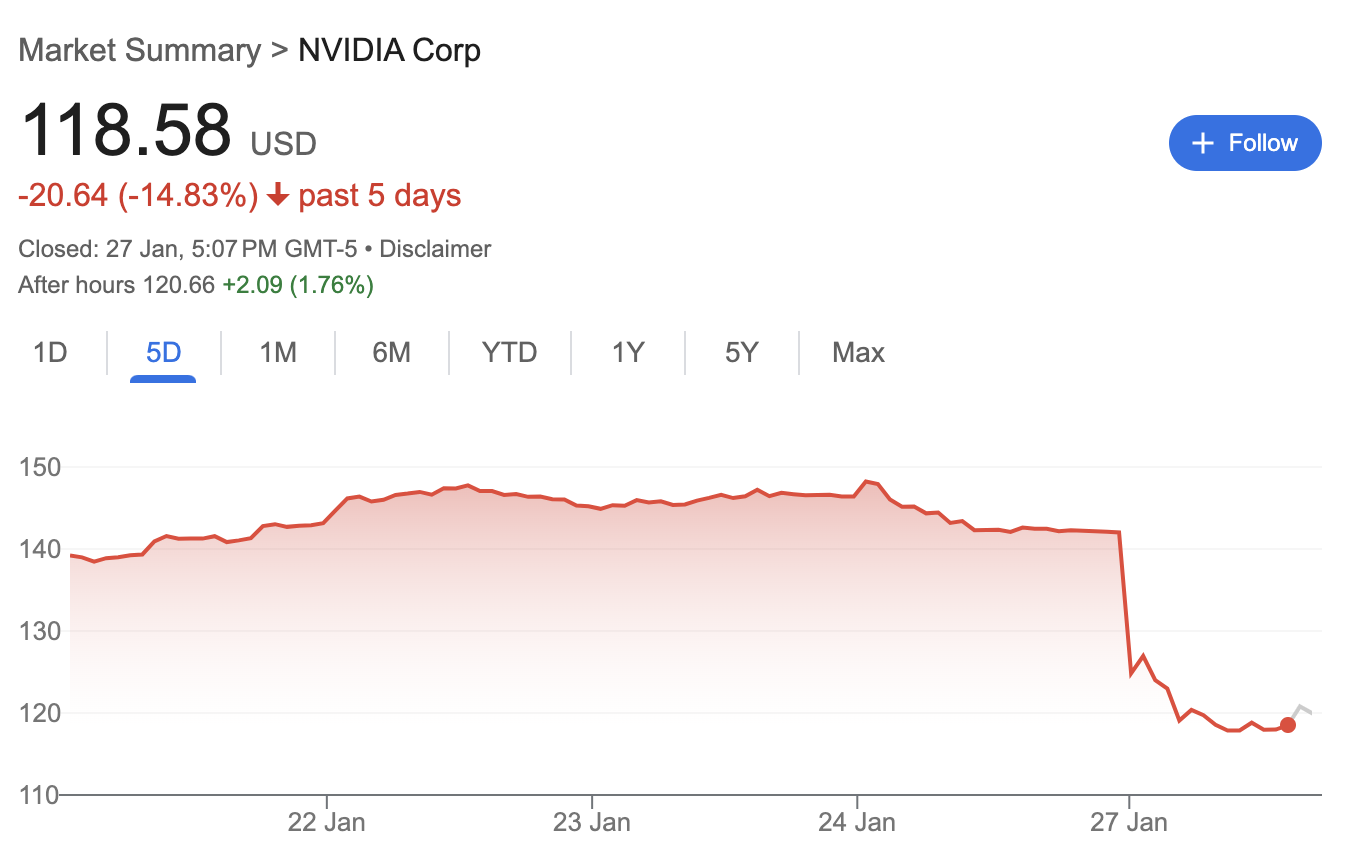
The question “Why is NVIDIA stock falling today?” seldom has a simple answer. Instead, it typically points to a convergence of factors ranging from broad macroeconomic shifts like rising interest rates and geopolitical tensions to company-specific challenges such as valuation concerns, demand fluctuations in key segments, and persistent supply chain bottlenecks. Investor sentiment, often swayed by analyst revisions and perceptions of future growth, acts as a crucial amplifier for these underlying drivers. For investors, understanding this complex interplay is paramount. While short-term volatility is an inherent characteristic of the stock market, a comprehensive analysis of these financial and operational dynamics provides a clearer picture of NVIDIA’s current standing and its potential future trajectory, enabling more informed and strategic investment decisions.
aViewFromTheCave is a participant in the Amazon Services LLC Associates Program, an affiliate advertising program designed to provide a means for sites to earn advertising fees by advertising and linking to Amazon.com. Amazon, the Amazon logo, AmazonSupply, and the AmazonSupply logo are trademarks of Amazon.com, Inc. or its affiliates. As an Amazon Associate we earn affiliate commissions from qualifying purchases.