
Understanding the stock price of a corporate titan like Microsoft (MSFT) is far more than just knowing a number; it’s about deciphering the intricate interplay of market forces, technological innovation, financial performance, and investor sentiment. For both seasoned investors and curious beginners, Microsoft’s stock represents a fascinating case study in long-term growth, strategic diversification, and the enduring power of a brand that has consistently reinvented itself. As a bellwether for the technology sector and a cornerstone in countless investment portfolios, MSFT’s valuation reflects its current standing and the market’s collective projection of its future earnings potential.
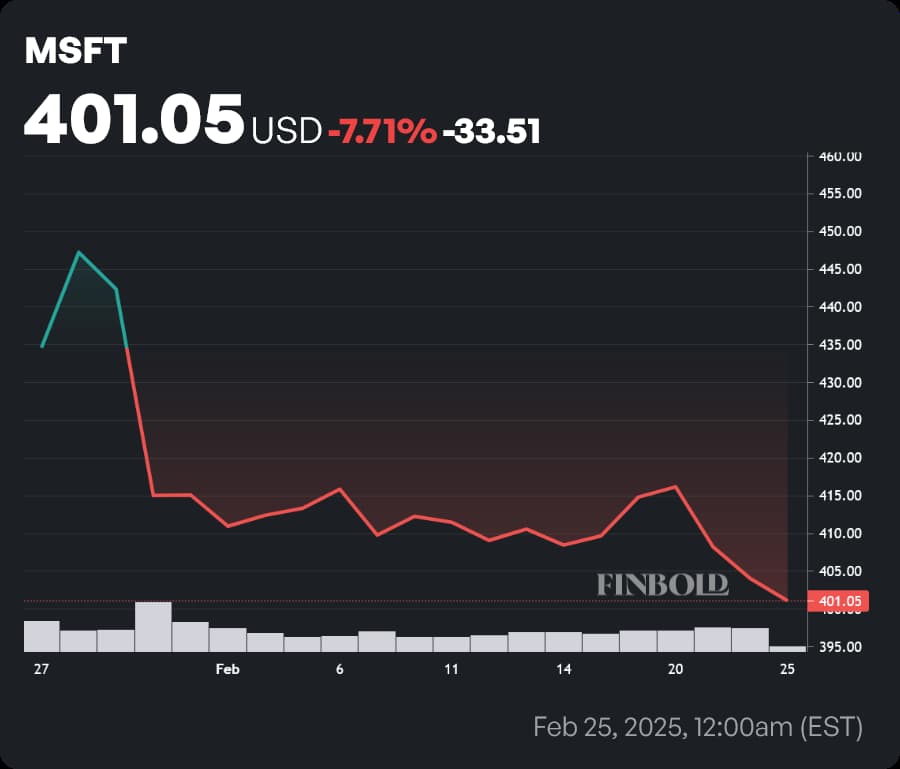
Microsoft, a company synonymous with personal computing for decades, has dramatically transformed itself in recent years. Under the leadership of CEO Satya Nadella, it has pivoted from a Windows-centric model to a cloud-first, AI-driven powerhouse. This strategic shift has not only solidified its market position but has also made its stock an attractive proposition for those seeking stability and growth in a volatile market. Delving into the drivers behind MSFT’s stock price requires a comprehensive look at its financial health, its market-leading segments, and the broader economic landscape.
Decoding Microsoft (MSFT): A Premier Investment in the Tech Sector
Microsoft’s journey from a garage startup to one of the world’s most valuable companies is a testament to its innovation and adaptability. For investors, understanding its stock begins with appreciating this historical trajectory and its current market standing.
A Brief History of MSFT’s Market Journey
Microsoft went public on March 13, 1986, at a price of $21 per share. Since then, it has undergone numerous stock splits, effectively making its original shares worth a fraction of a cent each today, but significantly multiplying the number of shares held by early investors. This history of consistent growth, driven by the dominance of its Windows operating system and Office suite, laid the groundwork for its current colossal valuation. The late 1990s saw its meteoric rise and subsequent challenges, but its resurgence in the 2010s, fueled by its aggressive embrace of cloud computing with Azure and intelligent technologies, has redefined its investment profile. This long-term track record of value creation is a primary reason why MSFT is often considered a bedrock investment.
Understanding MSFT’s Current Market Valuation
At any given moment, Microsoft’s stock price reflects the market’s assessment of its intrinsic value. Key metrics like market capitalization (the total value of all its outstanding shares), price-to-earnings (P/E) ratio, and dividend yield offer crucial insights. Its market capitalization frequently hovers in the multi-trillion-dollar range, placing it among the most valuable companies globally. A higher P/E ratio often suggests that investors anticipate significant future growth, willing to pay a premium for each dollar of earnings. Microsoft also maintains a consistent dividend policy, offering a modest yield that appeals to income-focused investors, signaling financial stability and a commitment to shareholder returns. These figures are dynamic, fluctuating daily based on news, economic data, and investor sentiment, requiring continuous monitoring for accurate assessment.
Why MSFT is a Staple for Many Investors
Microsoft’s widespread appeal among investors stems from several core strengths. Firstly, its sheer size and diversification across multiple essential segments – cloud computing, enterprise software, gaming, and hardware – provide a robust defense against downturns in any single area. This diversification mitigates risk, offering a degree of stability rarely found in smaller, more specialized tech companies. Secondly, its consistent profitability and strong balance sheet allow for continuous investment in research and development, strategic acquisitions, and share buybacks, all of which contribute to long-term shareholder value. Lastly, its entrenched position in critical infrastructure and enterprise solutions creates high switching costs for customers, ensuring recurring revenue streams and predictable growth. For these reasons, MSFT often serves as a foundational component in diversified investment portfolios, balancing growth potential with relative stability.
Key Drivers Behind Microsoft’s Stock Performance
The daily fluctuations and long-term trends in Microsoft’s stock price are not random; they are the result of identifiable factors, both internal and external, that shape investor perceptions and the company’s financial reality.
Financial Performance and Earnings Reports
The most immediate and impactful driver of MSFT’s stock price is its quarterly earnings report. These reports detail the company’s revenue, net income, earnings per share (EPS), and future guidance. Stronger-than-expected results, particularly robust growth in its cloud division (Azure), or an upward revision of future revenue forecasts, typically send the stock price higher. Conversely, missing analyst expectations or issuing cautious guidance can lead to a significant price decline. Investors closely scrutinize these reports for signs of accelerating or decelerating growth, profitability trends, and operational efficiency, using them as a barometer for the company’s health and future prospects.
Technological Innovation and Market Leadership
While it falls under the ‘Tech’ domain, the financial impact of Microsoft’s technological innovation is paramount for investors. Its leadership in critical areas directly translates to market share, revenue growth, and competitive advantage, which in turn influences its stock price. Azure’s continuous expansion and technological superiority against rivals like AWS and Google Cloud are crucial. Advances in artificial intelligence (AI), particularly its strategic partnership with OpenAI and integration of AI across its product suite (Copilot), are viewed as significant future growth engines. Similarly, the performance of its Xbox gaming division and the sustained demand for its Office 365 productivity suite contribute to a narrative of relentless innovation driving financial success. Investors bet on Microsoft’s ability to not just keep pace but to lead in these transformative technologies, ensuring its relevance and profitability for years to come.
Economic Headwinds and Tailwinds
Broader macroeconomic conditions exert significant influence over MSFT’s stock. During periods of economic expansion, businesses and consumers are more likely to invest in software, cloud services, and hardware, boosting Microsoft’s revenue. Conversely, economic downturns, rising interest rates, or inflationary pressures can curb enterprise spending, impacting Microsoft’s growth outlook. High interest rates, for instance, can make future earnings less valuable in present terms, potentially leading to a de-rating of growth stocks. Geopolitical events, supply chain disruptions, and currency fluctuations also play a role, altering the company’s operational costs and global revenue generation. Savvy investors must consider these external factors when assessing MSFT’s investment viability.
Competitive Landscape and Regulatory Scrutiny
Microsoft operates in highly competitive markets. In cloud computing, it faces fierce competition from Amazon (AWS) and Google Cloud. In gaming, Sony and Nintendo are formidable rivals. Constant innovation and strategic maneuvering are necessary to maintain its edge. Furthermore, as a dominant technology player, Microsoft is frequently under the microscope of antitrust regulators worldwide. Potential investigations, lawsuits, or regulatory changes could impose restrictions, fines, or even force divestitures, which could negatively impact its stock price. Investors track these developments closely, as they represent both ongoing operational challenges and potential risks to the company’s long-term growth trajectory and market structure.
Analyzing Microsoft’s Financial Health and Future Growth Trajectories
A deeper dive into Microsoft’s financial statements reveals the underlying strength that supports its valuation and future growth potential. Understanding its revenue mix, profitability, and strategic investments is key to a robust investment thesis.
Deep Dive into Revenue Streams: Cloud, Software, and Hardware
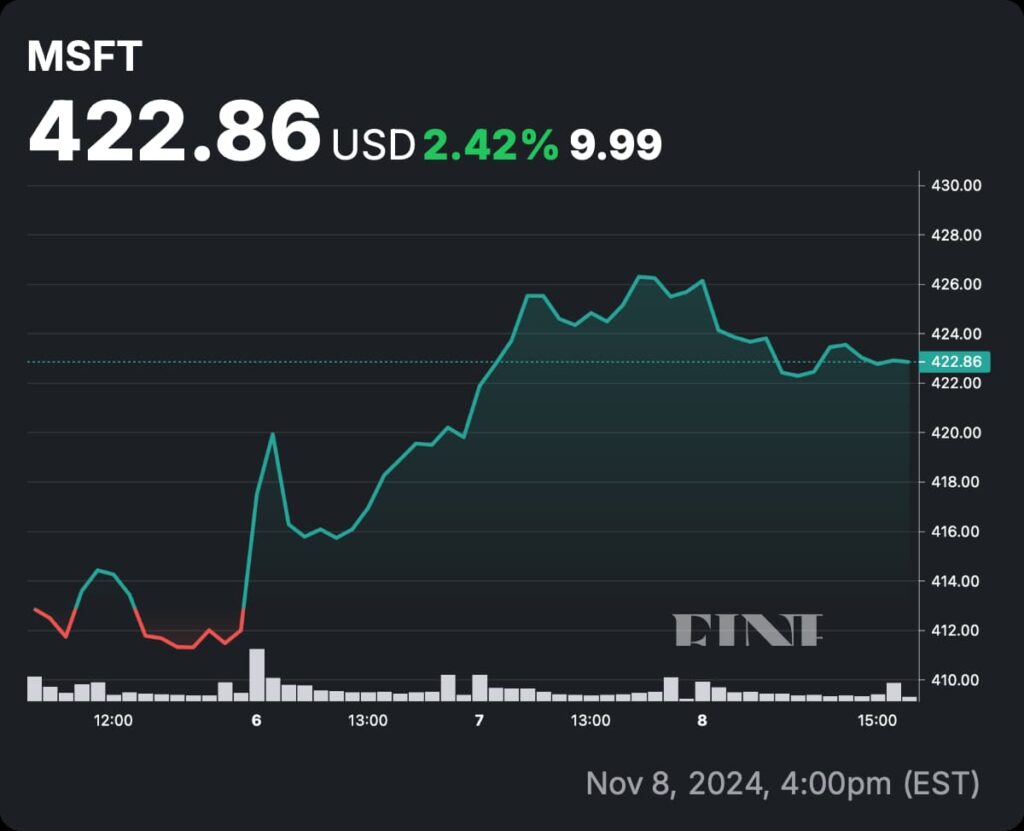
Microsoft’s revenue is remarkably diversified. The intelligent cloud segment, primarily driven by Azure, is its fastest-growing and most strategic business. Its commercial cloud revenue consistently demonstrates double-digit growth, underscoring its pivotal role in the company’s financial success. Productivity and Business Processes, which includes Office 365, LinkedIn, and Dynamics 365, provides stable, recurring revenue from subscription models. More Personal Computing, encompassing Windows, Xbox, and Surface devices, offers a broader consumer-facing revenue stream, albeit with more cyclical patterns tied to consumer spending and hardware refresh cycles. The growth rates and profitability of each segment are closely watched, as they indicate where Microsoft is gaining traction and where future investments are likely to be concentrated.
Profitability and Shareholder Returns
Microsoft boasts impressive profitability metrics. Its operating margins are consistently strong, reflecting efficient cost management and the high-margin nature of software and cloud services. Net income, the company’s bottom line, is substantial and growing, fueling its ability to invest, acquire, and return capital to shareholders. Microsoft has a long history of returning capital through share buybacks and dividends. Share buybacks reduce the number of outstanding shares, increasing EPS and potentially boosting the stock price, while dividends provide a direct cash return to investors. These practices demonstrate a commitment to shareholder value and often signal a company’s financial health and confidence in its future earnings.
Strategic Investments and Acquisitions
Microsoft’s strategic investments and acquisitions are crucial for future growth. The multi-billion-dollar partnership with OpenAI, which underpins much of its AI strategy, is a prime example of a forward-looking investment designed to secure future technological leadership. The highly scrutinized acquisition of Activision Blizzard, while challenging, was a move to significantly bolster its gaming content and expand its footprint in the metaverse. Such moves are not just about market share; they are about acquiring capabilities, intellectual property, and talent that can drive innovation and new revenue streams for decades. Investors assess these moves for their long-term accretion to earnings and strategic fit within Microsoft’s broader vision.
Long-Term Growth Prospects: AI, Metaverse, and Enterprise Solutions
The long-term investment thesis for Microsoft is heavily anchored in its growth prospects across transformative technologies. AI is undoubtedly the biggest catalyst, with its potential to enhance every existing product and create entirely new revenue opportunities through AI-as-a-service offerings. The metaverse, while nascent, represents another frontier where Microsoft, with its gaming and enterprise collaboration tools, aims to establish an early lead. Continuous innovation in enterprise solutions, leveraging hybrid cloud models and advanced security, ensures Microsoft remains indispensable to businesses worldwide. The ability of Microsoft to monetize these emerging trends will be the ultimate determinant of its sustained growth and, consequently, its stock price appreciation.
Practical Steps for Investing in Microsoft Stock
For individuals looking to add MSFT to their investment portfolio, understanding the practical steps involved is crucial. It’s more than just buying shares; it’s about making informed decisions aligned with one’s financial goals.
Choosing the Right Brokerage Account
The first step is opening an investment account with a reputable brokerage firm. These can range from full-service brokers, which offer personalized advice and managed portfolios, to discount online brokers, which provide self-directed trading platforms with lower fees. For most individual investors, an online discount broker (e.g., Fidelity, Charles Schwab, Vanguard, Robinhood) is sufficient and cost-effective. Key considerations include trading fees, research tools provided, customer service, and the ease of use of their platform. Ensure the chosen broker is regulated by relevant financial authorities.
Understanding Order Types and Execution
Once an account is established, investors need to understand how to place trades. A “market order” will buy or sell shares at the best available current price, offering immediate execution but with less price certainty in volatile markets. A “limit order” allows investors to specify the maximum price they are willing to pay (for buying) or the minimum price they are willing to accept (for selling), providing price control but no guarantee of execution. For long-term investors, strategies like dollar-cost averaging (investing a fixed amount regularly, regardless of the stock price) can mitigate risk by averaging out the purchase price over time, reducing the impact of short-term volatility.
Diversification and Risk Management
Investing in a single stock, even one as stable as Microsoft, carries inherent risks. A fundamental principle of sound investing is diversification – spreading investments across various assets, industries, and geographies to reduce overall portfolio risk. MSFT should typically be part of a broader, well-diversified portfolio that includes other stocks, bonds, and possibly other asset classes. Assess your risk tolerance and invest only what you can afford to lose. While Microsoft has a strong track record, past performance is not indicative of future results, and market downturns can affect even the strongest companies.
Researching and Due Diligence
Before investing, conducting thorough due diligence is paramount. This involves reading Microsoft’s annual reports (10-K) and quarterly reports (10-Q) filed with the SEC, which provide detailed financial statements and management discussions. Follow financial news, analyst reports, and industry publications to stay updated on the company’s strategic moves, competitive landscape, and regulatory environment. Understand the company’s business model, its competitive advantages, and the risks it faces. Informed decisions are the bedrock of successful investing.
The Future Outlook for MSFT and Investor Considerations
Looking ahead, Microsoft’s position as a technology leader appears robust, but the investment landscape is ever-evolving. Understanding the consensus among experts and weighing potential risks against opportunities is crucial for long-term investors.
Analyst Consensus and Price Targets
Professional financial analysts consistently cover Microsoft, issuing ratings (e.g., Buy, Hold, Sell) and price targets. The consensus among analysts often provides a useful barometer of market sentiment and future expectations. While these targets are not guarantees, they aggregate expert opinions based on their financial models and industry insights. A strong consensus of “Buy” ratings and upward-trending price targets can signal confidence in Microsoft’s future earnings power and growth trajectory, often supporting its stock price. However, investors should remember that analyst ratings are just one data point and should be weighed against personal research and financial objectives.
Potential Risks and Opportunities
Despite its strengths, Microsoft faces potential risks. Intense competition in cloud computing and AI, an increasingly complex regulatory environment, and the cyclical nature of hardware sales could impact its growth. Macroeconomic headwinds, such as prolonged inflation or a global recession, could dampen enterprise spending on its services. However, the opportunities are equally compelling. Microsoft’s leadership in AI positions it to capture significant market share in this rapidly expanding sector. Its continued investment in cloud infrastructure, coupled with its broad enterprise customer base, ensures sustained demand. Expansion into new geographic markets and continued innovation in productivity tools and gaming also present significant avenues for growth. Balancing these risks and opportunities is key to forming a long-term investment strategy.
Is Microsoft Stock Right for Your Portfolio?
Deciding whether Microsoft stock is a suitable addition to your portfolio depends on your individual financial goals, investment horizon, and risk tolerance. For growth-oriented investors, MSFT offers exposure to leading-edge technology and consistent earnings growth. For value investors, its strong balance sheet, consistent profitability, and shareholder returns make it an attractive option. Income investors appreciate its stable dividend. However, no stock is without risk, and its large market capitalization means future exponential growth might be challenging compared to smaller, high-growth companies. Aligning MSFT’s characteristics with your personal investment strategy is crucial for a beneficial outcome.
Staying Informed in a Dynamic Market
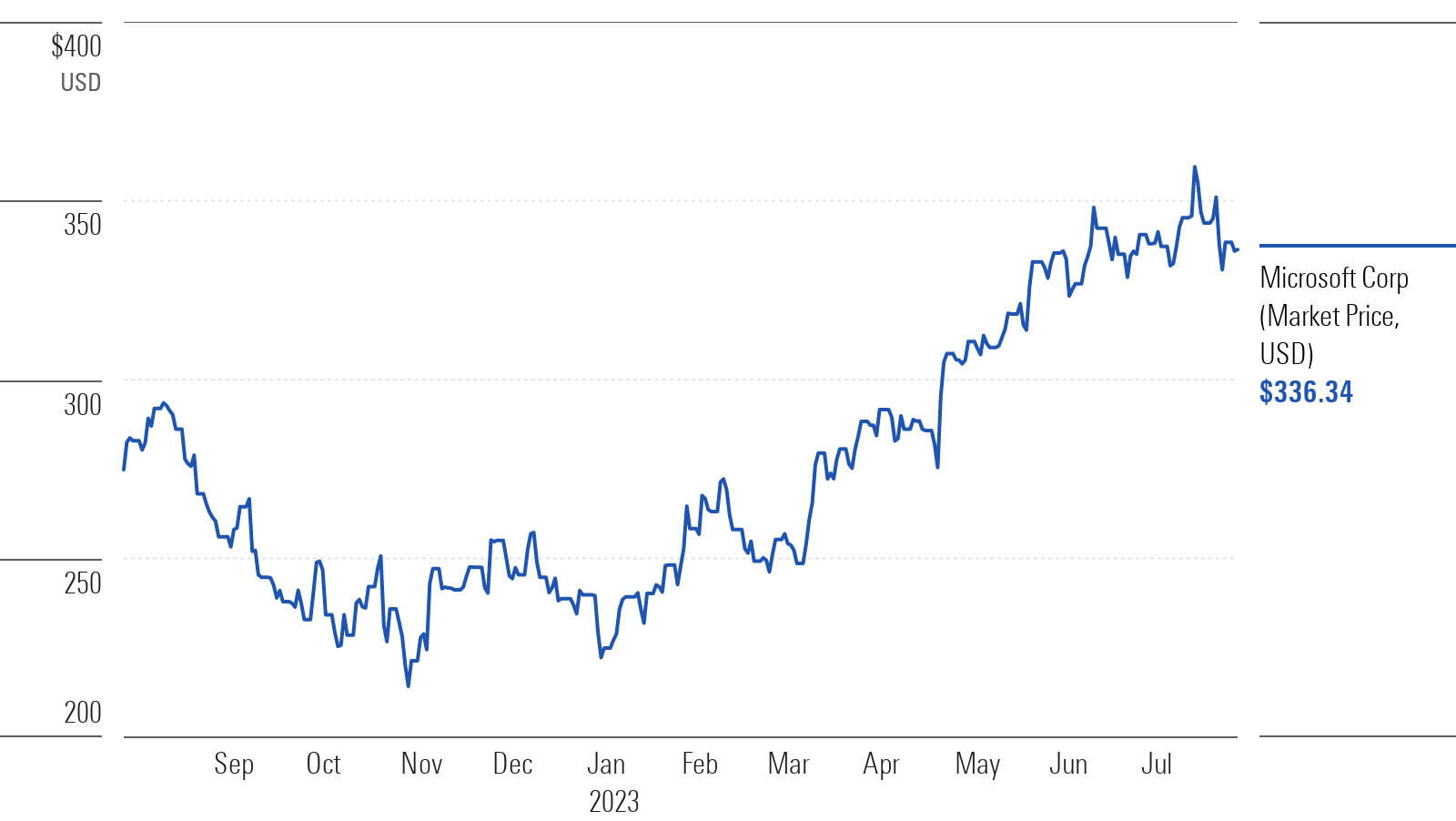
The financial markets are constantly in motion, and even companies as stable as Microsoft are subject to rapid changes. Investors should commit to continuous monitoring of financial news, earnings reports, technological developments, and macroeconomic indicators that could impact Microsoft. Subscribing to financial news outlets, setting up alerts for MSFT-related news, and regularly reviewing your portfolio’s performance are essential practices. An informed investor is a well-positioned investor, capable of adapting to market shifts and making timely decisions to protect and grow their capital in the long run.
aViewFromTheCave is a participant in the Amazon Services LLC Associates Program, an affiliate advertising program designed to provide a means for sites to earn advertising fees by advertising and linking to Amazon.com. Amazon, the Amazon logo, AmazonSupply, and the AmazonSupply logo are trademarks of Amazon.com, Inc. or its affiliates. As an Amazon Associate we earn affiliate commissions from qualifying purchases.