
For many, the dream of homeownership represents not just a shelter, but a cornerstone of personal wealth, stability, and a tangible marker of success. Yet, few can afford to purchase a home outright with cash. This is where the home loan, often referred to as a mortgage, steps in – an indispensable financial instrument that bridges the gap between aspiration and reality for millions. Understanding what a home loan is, how it works, and the various factors that influence it, is not merely financial literacy; it’s a critical step toward making one of the most significant investments of your life with confidence and clarity.
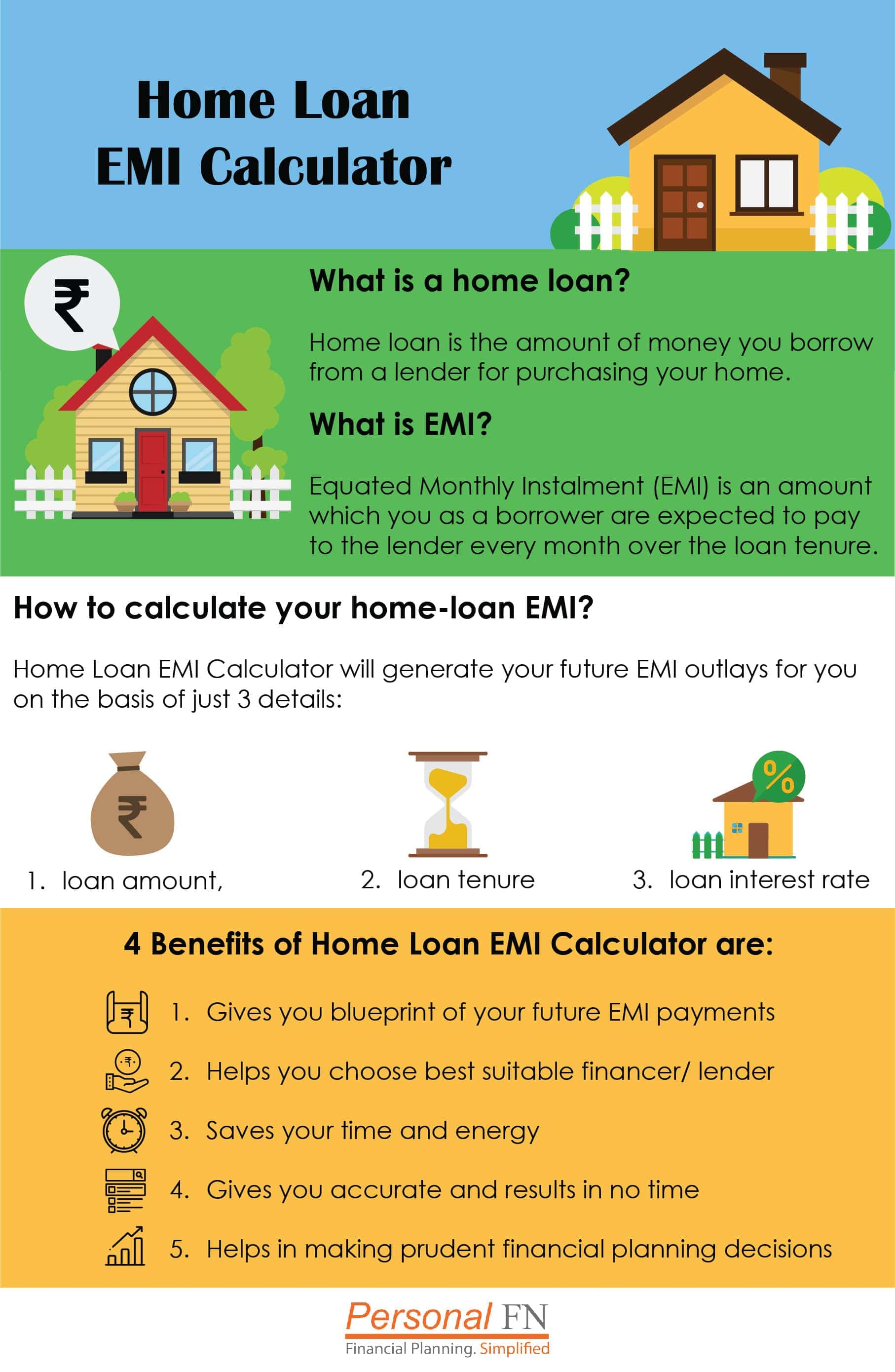
At its core, a home loan is a secured loan used by individuals to finance the purchase of real estate. Unlike an unsecured personal loan, a home loan is “secured” by the property itself. This means the home serves as collateral, providing the lender with a claim on the property should the borrower default on their payments. This mechanism significantly reduces the risk for lenders, enabling them to offer larger loan amounts and often more favorable interest rates compared to other types of lending. Navigating the landscape of home loans can seem daunting, with its lexicon of terms like principal, interest, amortization, escrow, and various loan types. However, demystifying these elements is crucial for anyone considering entering the housing market. This article will delve into the fundamentals, explore different types of home loans, walk through the application process, highlight key influencing factors, and discuss the ongoing responsibilities of a homeowner with a mortgage, all within the context of personal finance and strategic wealth building.
The Fundamentals of Mortgage Financing
Understanding the bedrock principles of home loans is the first step toward making informed financial decisions. This foundational knowledge empowers potential homeowners to approach lenders, evaluate options, and ultimately secure a loan that aligns with their financial capacity and long-term goals.
What is a Home Loan? A Detailed Definition
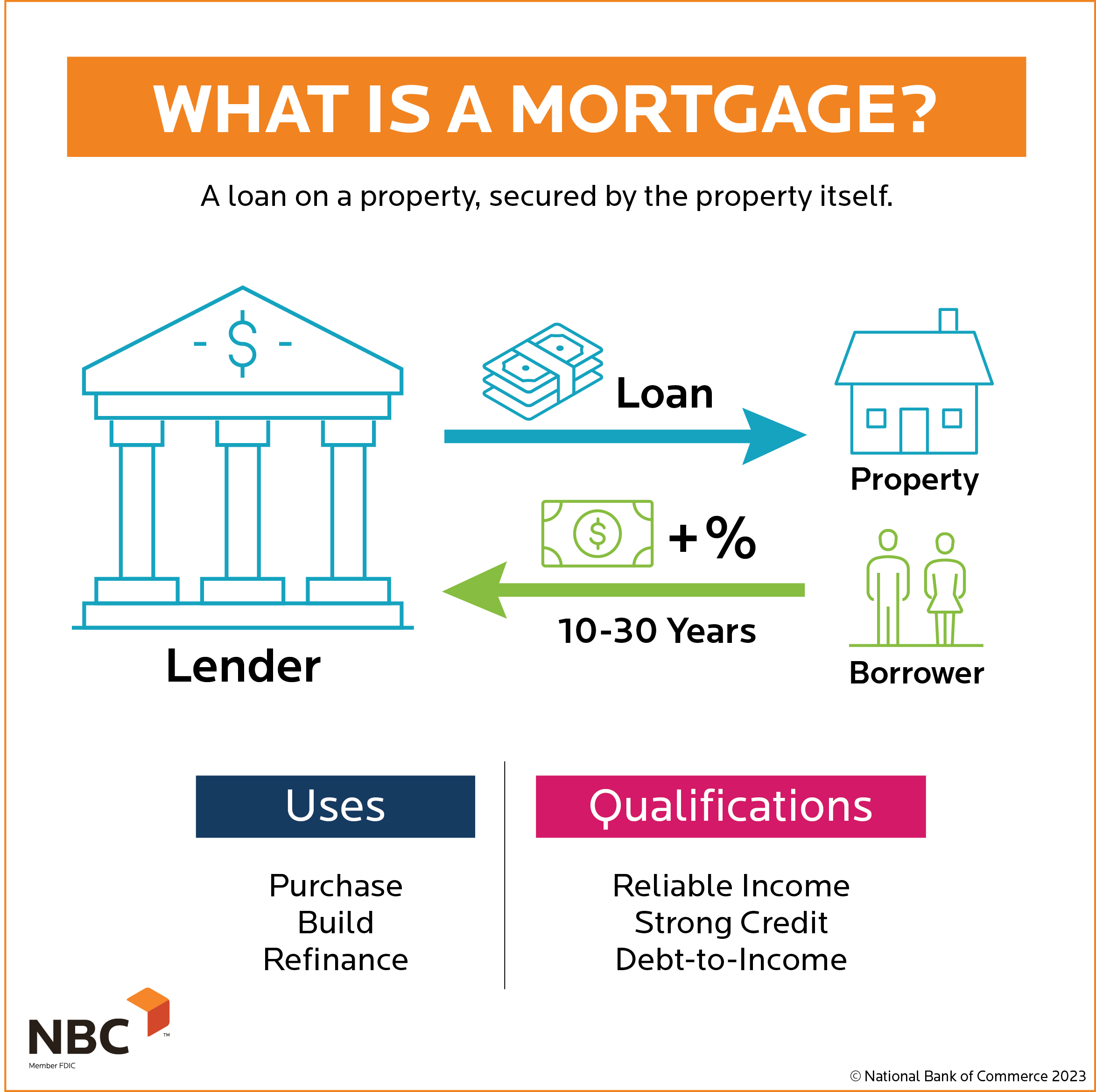
A home loan, or mortgage, is a long-term financing arrangement provided by financial institutions (like banks, credit unions, or mortgage companies) to individuals for the purpose of buying a house, condominium, or other real estate. It’s an agreement where the lender provides a large sum of money to the borrower, who in turn agrees to repay the loan over a specified period, typically 15 to 30 years, through regular monthly installments. Each payment consists of two primary components: principal and interest. The principal portion reduces the outstanding balance of the loan, while the interest is the cost of borrowing money. Crucially, the home itself acts as collateral for the loan. This means that if the borrower fails to make payments as agreed (defaults), the lender has the legal right to foreclose on the property, taking ownership and selling it to recover their losses. This collateralized nature is what distinguishes a mortgage from many other forms of debt and often allows for lower interest rates due to reduced risk for the lender.
Key Parties Involved in a Home Loan
A typical home loan transaction involves several key players, each with distinct roles and responsibilities:
- The Borrower (Mortgagor): This is the individual or individuals taking out the loan to purchase the home. The borrower is responsible for repaying the loan according to the agreed-upon terms, maintaining the property, and fulfilling other contractual obligations.
- The Lender (Mortgagee): This is the financial institution that provides the funds for the home loan. Lenders assess the borrower’s creditworthiness, evaluate the property, and set the terms of the loan, including interest rates, repayment schedules, and fees.
- Loan Originator/Mortgage Broker: These professionals act as intermediaries. A loan originator typically works for a specific lender and helps borrowers through the application process for that lender’s products. A mortgage broker, on the other hand, works independently, helping borrowers compare loan products from multiple lenders to find the best fit.
- Underwriter: After an application is submitted, an underwriter reviews all the borrower’s financial information, including credit history, income, assets, and the property appraisal, to assess the risk and determine final loan approval.
- Appraiser: An independent professional who assesses the fair market value of the property being purchased. This appraisal is critical to ensure the loan amount does not exceed the property’s value, protecting both the lender and the borrower.
- Title Company/Escrow Agent: This entity ensures that the property’s title is clear of any liens or disputes and facilitates the closing process, handling the transfer of funds and documents between all parties.
The Repayment Structure: Principal, Interest, and Amortization
The repayment of a home loan follows a specific structure known as amortization. Amortization is the process of paying off debt over time through regular, equal payments. In the early years of a typical 15-year or 30-year mortgage, a larger portion of each monthly payment goes towards interest, with a smaller portion reducing the principal balance. As the loan matures, this ratio shifts, and an increasingly larger share of the payment is allocated to the principal, leading to a faster reduction of the outstanding balance towards the end of the loan term. This gradual reduction of debt, combined with the accumulating equity in the home, forms a cornerstone of personal wealth building. Understanding the amortization schedule can help homeowners realize the long-term cost of their loan and explore strategies like making extra principal payments to accelerate debt payoff and save on total interest paid.
Diverse Options: Types of Home Loans
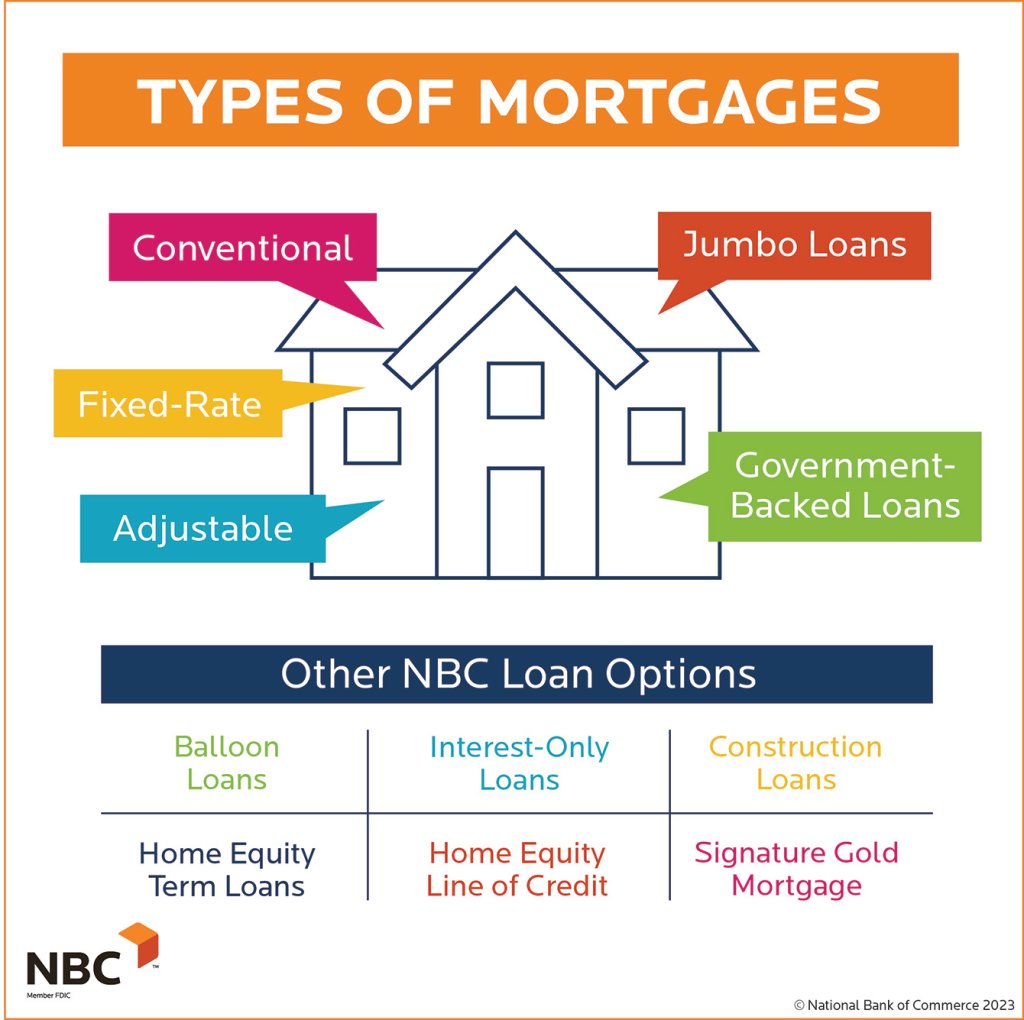
The market offers a variety of home loan products, each designed to cater to different financial situations, preferences, and eligibility criteria. Choosing the right type of mortgage is a crucial decision that can significantly impact a homeowner’s financial trajectory.
Fixed-Rate Mortgages (FRM)
A fixed-rate mortgage is perhaps the most straightforward and popular type of home loan. With an FRM, the interest rate remains constant throughout the entire life of the loan. This means your principal and interest payment will never change, providing predictable monthly housing costs. This stability makes budgeting easier and protects borrowers from potential interest rate hikes in the market. Common fixed-rate terms are 15, 20, or 30 years. While 30-year fixed-rate mortgages offer lower monthly payments, they typically accrue more interest over the life of the loan compared to a 15-year fixed-rate mortgage, which has higher monthly payments but a significantly lower total interest cost. FRMs are ideal for borrowers who prefer consistency and plan to stay in their home for an extended period.
Adjustable-Rate Mortgages (ARM)
Unlike fixed-rate mortgages, adjustable-rate mortgages feature an interest rate that can change periodically. ARMs typically start with an initial fixed-rate period, during which the interest rate remains constant (e.g., 3, 5, 7, or 10 years). After this initial period, the interest rate adjusts at regular intervals, usually annually, based on a specific financial index (like the Secured Overnight Financing Rate, SOFR) plus a margin set by the lender. While ARMs often start with lower interest rates than comparable fixed-rate mortgages, offering lower initial monthly payments, the uncertainty of future rate adjustments introduces risk. If interest rates rise, monthly payments could increase significantly. Conversely, if rates fall, payments could decrease. ARMs are often considered by borrowers who expect to sell or refinance their home before the fixed-rate period ends, or those who are comfortable with potential payment fluctuations and can afford a higher payment if rates increase.
Government-Insured Loans (FHA, VA, USDA)
Beyond conventional loans, several government-backed programs aim to make homeownership more accessible, especially for specific groups of borrowers:
- FHA Loans: Insured by the Federal Housing Administration (FHA), these loans are popular for first-time homebuyers or those with lower credit scores. FHA loans allow for lower down payments (as low as 3.5%) and have more flexible credit requirements compared to conventional loans. However, they require borrowers to pay mortgage insurance premiums (MIP), both upfront and annually, for the life of the loan in most cases.
- VA Loans: Guaranteed by the U.S. Department of Veterans Affairs (VA), these loans are available to eligible active-duty service members, veterans, and their surviving spouses. A significant benefit of VA loans is that they often require no down payment and do not require private mortgage insurance (PMI). They also typically have lower interest rates and closing costs.
- **USDA Loans: Backed by the U.S. Department of Agriculture, these loans are designed to promote homeownership in rural and eligible suburban areas. USDA loans also offer 100% financing (no down payment required) and lower mortgage insurance fees compared to FHA loans, making them an attractive option for qualified borrowers in designated areas with low-to-moderate incomes.
Other Mortgage Types: Jumbo Loans and Interest-Only Mortgages
- Jumbo Loans: These are non-conforming loans that exceed the maximum loan limits set by government-sponsored enterprises (GSEs) like Fannie Mae and Freddie Mac. Jumbo loans are typically used for high-value properties and often have stricter credit and down payment requirements due to the larger loan amounts involved.
- Interest-Only Mortgages: With an interest-only mortgage, for an initial period, the borrower only pays the interest on the loan, and the principal balance remains unchanged. After this period, the payments typically increase significantly to cover both principal and interest for the remaining loan term. These loans can offer lower initial monthly payments but come with considerable risk and are generally suitable for borrowers with sophisticated financial planning and specific investment strategies.
The Home Loan Application Journey
Securing a home loan is a multi-stage process that requires meticulous preparation, extensive documentation, and careful adherence to lender requirements. Understanding each step can help streamline the journey and increase the likelihood of approval.
Pre-Approval vs. Pre-Qualification
The first step for most prospective homebuyers is to gauge their borrowing capacity.
- Pre-qualification: This is an informal estimate of how much you might be able to borrow. It’s based on a brief discussion of your income, debts, and assets, without a formal review of your credit. It gives you a rough idea of affordability but is not a commitment from a lender.
- Pre-approval: This is a much more robust assessment. You’ll complete a mortgage application, provide financial documentation (pay stubs, bank statements, tax returns), and the lender will perform a hard credit inquiry. If approved, you’ll receive a pre-approval letter stating the maximum loan amount you qualify for, often with an estimated interest rate. A pre-approval letter makes your offer more attractive to sellers as it demonstrates you are a serious and qualified buyer.
Documentation Required for Application
Once you’re ready to formally apply for a loan, lenders will require a comprehensive set of documents to assess your financial health:
- Proof of Income: Pay stubs (for the last 30-60 days), W-2 forms (for the past two years), and federal tax returns (for the past two years) are typically required. Self-employed individuals will need profit and loss statements, 1099 forms, and personal and business tax returns.
- Asset Verification: Bank statements (checking, savings), investment account statements, and retirement account statements (for the last 60 days to two months) prove you have sufficient funds for a down payment, closing costs, and financial reserves.
- Credit History: Lenders will pull your credit report to evaluate your payment history, outstanding debts, and overall creditworthiness.
- Employment Verification: Lenders will verify your employment history and stability, often contacting your employer.
- Identification: Government-issued ID (driver’s license, passport) is required for identity verification.
Underwriting and Approval
After submitting your application and documentation, your loan moves into the underwriting phase. An underwriter is a financial expert who meticulously reviews your entire financial profile, the property appraisal, and title search results to assess the risk of lending to you. They evaluate:
- Creditworthiness: Your credit score and history of managing debt.
- Debt-to-Income (DTI) Ratio: The percentage of your gross monthly income that goes towards debt payments. Lenders typically look for DTI ratios below 43%, though this can vary.
- Capacity to Repay: Your stable income, employment history, and financial reserves.
- Collateral: The value of the home being purchased, confirmed by an appraisal, ensuring it justifies the loan amount.
- Down Payment: Verification of the source and amount of your down payment.
If all criteria are met, the underwriter issues a “clear to close” and the loan is approved.
Closing the Loan
The final step is the closing, also known as settlement. This is where all parties involved (buyer, seller, lenders’ representatives, title company/escrow agent) meet to finalize the transaction. During closing, you will:
- Sign numerous legal documents, including the promissory note (your promise to repay the loan) and the mortgage or deed of trust (which gives the lender a lien on the property).
- Pay closing costs, which are various fees associated with processing the loan and transferring property ownership (e.g., appraisal fees, title insurance, legal fees, recording fees).
- The title to the property is legally transferred from the seller to you, and the funds are disbursed.
Once closing is complete, you officially become a homeowner, and the repayment of your home loan begins.
Key Factors Influencing Your Home Loan
The terms and availability of a home loan are not one-size-fits-all. Several critical factors weigh heavily on a lender’s decision and ultimately determine the cost of your borrowing. Understanding these influences can empower you to strengthen your financial position before applying.
Credit Score and History
Your credit score is arguably one of the most significant factors lenders consider. It’s a numerical representation of your creditworthiness, reflecting your payment history, amounts owed, length of credit history, credit mix, and new credit. A higher credit score (typically 740 and above) indicates a lower risk to lenders, often qualifying you for the most competitive interest rates. Conversely, a lower credit score may result in a higher interest rate, or in some cases, loan denial. A robust credit history, free of late payments, defaults, or bankruptcies, demonstrates responsible financial behavior and is highly valued by lenders. Proactively checking and improving your credit score months before applying for a home loan can yield substantial savings over the loan’s lifetime.
Debt-to-Income (DTI) Ratio
Your DTI ratio is a crucial metric that compares your total monthly debt payments to your gross monthly income. Lenders use it to assess your ability to manage monthly payments and repay new debt. There are two primary DTI ratios:
- Front-end DTI (Housing Ratio): Compares your prospective monthly housing payment (principal, interest, property taxes, homeowner’s insurance) to your gross monthly income.
- Back-end DTI (Total Debt Ratio): Compares all your monthly debt payments (including the new housing payment, credit card minimums, car loans, student loans, etc.) to your gross monthly income.
Most lenders prefer a back-end DTI ratio of 36% or lower for conventional loans, though some may go up to 43-50% for certain loan types (like FHA). A lower DTI ratio indicates less financial strain and a greater capacity to handle mortgage payments, making you a more attractive borrower. Reducing existing debt before applying can significantly improve your DTI.
Down Payment
The down payment is the initial amount of money you pay upfront towards the home purchase, typically expressed as a percentage of the home’s total price. A larger down payment reduces the amount you need to borrow, thus lowering your monthly mortgage payments and the total interest paid over the loan’s life. It also signals greater financial commitment and stability to lenders. While a 20% down payment has historically been the standard to avoid private mortgage insurance (PMI) on conventional loans, many loan programs now allow for much lower down payments (e.g., 3-5% for conventional, 3.5% for FHA, 0% for VA and USDA). However, smaller down payments generally mean a larger loan amount and potentially higher interest rates or additional costs like PMI. The size of your down payment directly impacts your loan-to-value (LTV) ratio, which is another risk indicator for lenders.
Interest Rates and Annual Percentage Rate (APR)
The interest rate is the percentage charged by the lender for the money you borrow. It directly influences the size of your monthly payment and the total cost of the loan over time.
- Interest Rate: This is the rate at which interest is calculated on your principal balance.
- Annual Percentage Rate (APR): The APR provides a more comprehensive measure of the total cost of borrowing by reflecting the interest rate plus certain other loan charges (like origination fees, discount points, mortgage insurance premiums). It offers a standardized way to compare the true cost of different loan offers. A lower interest rate and APR translate to significant savings over the life of the mortgage. Market conditions, economic indicators, and the Federal Reserve’s policies significantly influence prevailing interest rates.
Loan Term
The loan term is the duration over which you agree to repay the loan, most commonly 15 or 30 years for fixed-rate mortgages.
- Shorter Terms (e.g., 15 years): These typically come with lower interest rates and allow you to pay off your mortgage much faster, saving tens of thousands of dollars in interest over the loan’s life. However, the monthly payments will be significantly higher.
- Longer Terms (e.g., 30 years): These offer lower monthly payments, making homeownership more affordable on a month-to-month basis. The trade-off is that you’ll pay substantially more in interest over the extended period.
Choosing the right loan term involves balancing monthly affordability with the desire to build equity faster and minimize total interest paid.
Navigating Your Home Loan Responsibilities
Once you’ve secured a home loan and moved into your new property, the journey doesn’t end. Managing your mortgage effectively is crucial for maintaining financial health, building equity, and ultimately achieving debt freedom. This involves understanding your ongoing obligations and knowing when and how to leverage financial tools like refinancing.
Understanding Your Monthly Payments
Your monthly mortgage payment is typically composed of four main components, often abbreviated as PITI:
- Principal: The portion of your payment that goes towards reducing the outstanding loan balance.
- Interest: The cost of borrowing money, calculated on the remaining principal balance.
- Taxes: Property taxes levied by local authorities, often collected by the lender and held in an escrow account.
- Insurance: Homeowner’s insurance, protecting your property against damage, also often collected and held in escrow. If your down payment was less than 20% for a conventional loan, your payment might also include Private Mortgage Insurance (PMI). Government-backed loans like FHA and USDA also have their own forms of mortgage insurance.
Lenders manage escrow accounts to ensure property taxes and homeowner’s insurance premiums are paid on time. While convenient, it’s important to monitor these escrow payments, as changes in property values or insurance premiums can lead to adjustments in your monthly mortgage payment, even for a fixed-rate loan. Understanding these components allows you to budget effectively and understand where your money is going.
The Impact of Interest and Amortization
As discussed earlier, the amortization schedule reveals how your payments are distributed between principal and interest over the loan term. In the early years, a significant portion of your payment goes towards interest. Over time, more of each payment is allocated to principal, accelerating equity build-up. Recognizing this pattern can inspire strategies to save money. For example, making extra principal payments, even small ones, can significantly reduce the total interest paid and shorten the loan term. This is because extra principal payments directly reduce the loan balance, meaning less interest accrues on the remaining amount in subsequent periods. This is a powerful financial tool for wealth accumulation.
Refinancing Options
Refinancing a home loan involves replacing your existing mortgage with a new one, often to secure a lower interest rate, change the loan term, or access home equity.
- Rate-and-Term Refinance: The most common type, aimed at getting a lower interest rate or changing the loan term (e.g., from 30 years to 15 years) to save on total interest or reduce monthly payments. This is beneficial when interest rates drop significantly.
- Cash-Out Refinance: Allows homeowners to tap into their home equity by taking out a new, larger mortgage and receiving the difference in cash. This cash can be used for home improvements, debt consolidation, or other large expenses. However, it increases your loan amount and restarts the loan term, so careful consideration of the long-term cost is essential.
- Streamline Refinance (FHA, VA, USDA): These government-backed programs offer simplified refinancing options for existing FHA, VA, or USDA loan holders, often with less paperwork, no appraisal, and no income verification required, making it easier to reduce interest rates.
Refinancing incurs new closing costs, so it’s crucial to calculate whether the savings from a lower interest rate or other benefits outweigh these upfront expenses. A general rule of thumb is that if you can reduce your interest rate by at least 0.5% to 1% and plan to stay in the home long enough to recoup closing costs, refinancing might be a wise financial move.
Avoiding Default and Managing Financial Hardship
Life can be unpredictable, and unforeseen circumstances like job loss, illness, or divorce can make it challenging to meet mortgage payments. Falling behind on payments leads to default, which can result in late fees, damage to your credit score, and ultimately, foreclosure – where the lender repossesses and sells your home.
It is crucial to act proactively if you anticipate financial difficulties. Lenders often have programs and options to help struggling homeowners, such as:
- Forbearance: A temporary suspension or reduction of mortgage payments.
- Loan Modification: A permanent change to your loan terms (e.g., lower interest rate, extended term) to make payments more affordable.
- Repayment Plans: An agreement to pay back missed payments over a set period.
- Short Sale: Selling your home for less than the amount owed on the mortgage, with the lender’s approval.
- Deed-in-Lieu of Foreclosure: Voluntarily giving the deed to your home to the lender to avoid foreclosure.
Communicating with your lender as soon as financial hardship arises is paramount. They would rather work with you to find a solution than go through the lengthy and costly foreclosure process. Maintaining open lines of communication and exploring all available options can help protect your home and your financial future.
Conclusion
A home loan is far more than just a financial transaction; it’s a gateway to homeownership, a strategic tool for wealth building, and a significant long-term commitment. Understanding “what’s a home loan” goes beyond merely knowing its definition; it involves a comprehensive grasp of its mechanics, the various types available, the intricate application process, the key factors that influence its terms, and the ongoing responsibilities of a borrower.
By demystifying concepts like principal and interest, fixed vs. adjustable rates, the importance of credit scores and DTI ratios, and the nuances of the closing process, individuals can navigate the complex mortgage landscape with greater confidence. Moreover, actively managing the loan through informed payment strategies, considering refinancing when opportune, and proactively addressing financial challenges are all vital components of successful homeownership. A home loan, when managed wisely, can be a powerful asset in your personal finance portfolio, allowing you to build equity, create stability, and achieve a crucial aspect of the American dream. As with any significant financial decision, diligent research, professional advice, and a clear understanding of your own financial capacity are the best foundations for a successful and sustainable journey into homeownership.
aViewFromTheCave is a participant in the Amazon Services LLC Associates Program, an affiliate advertising program designed to provide a means for sites to earn advertising fees by advertising and linking to Amazon.com. Amazon, the Amazon logo, AmazonSupply, and the AmazonSupply logo are trademarks of Amazon.com, Inc. or its affiliates. As an Amazon Associate we earn affiliate commissions from qualifying purchases.