
Embarking on the journey to homeownership is an exciting prospect, yet it often comes with a significant question mark: “What would I qualify for?” This isn’t just a simple query; it’s a critical step in understanding your financial readiness and the type of home you can realistically afford. Securing a home loan is one of the most substantial financial commitments many individuals will ever make, and lenders, quite rightly, exercise due diligence to ensure borrowers can meet their obligations. Understanding the intricate web of criteria lenders use to assess your eligibility is paramount. It empowers you to not only prepare effectively but also to navigate the complex mortgage landscape with confidence, ultimately finding the best financial product for your unique situation.
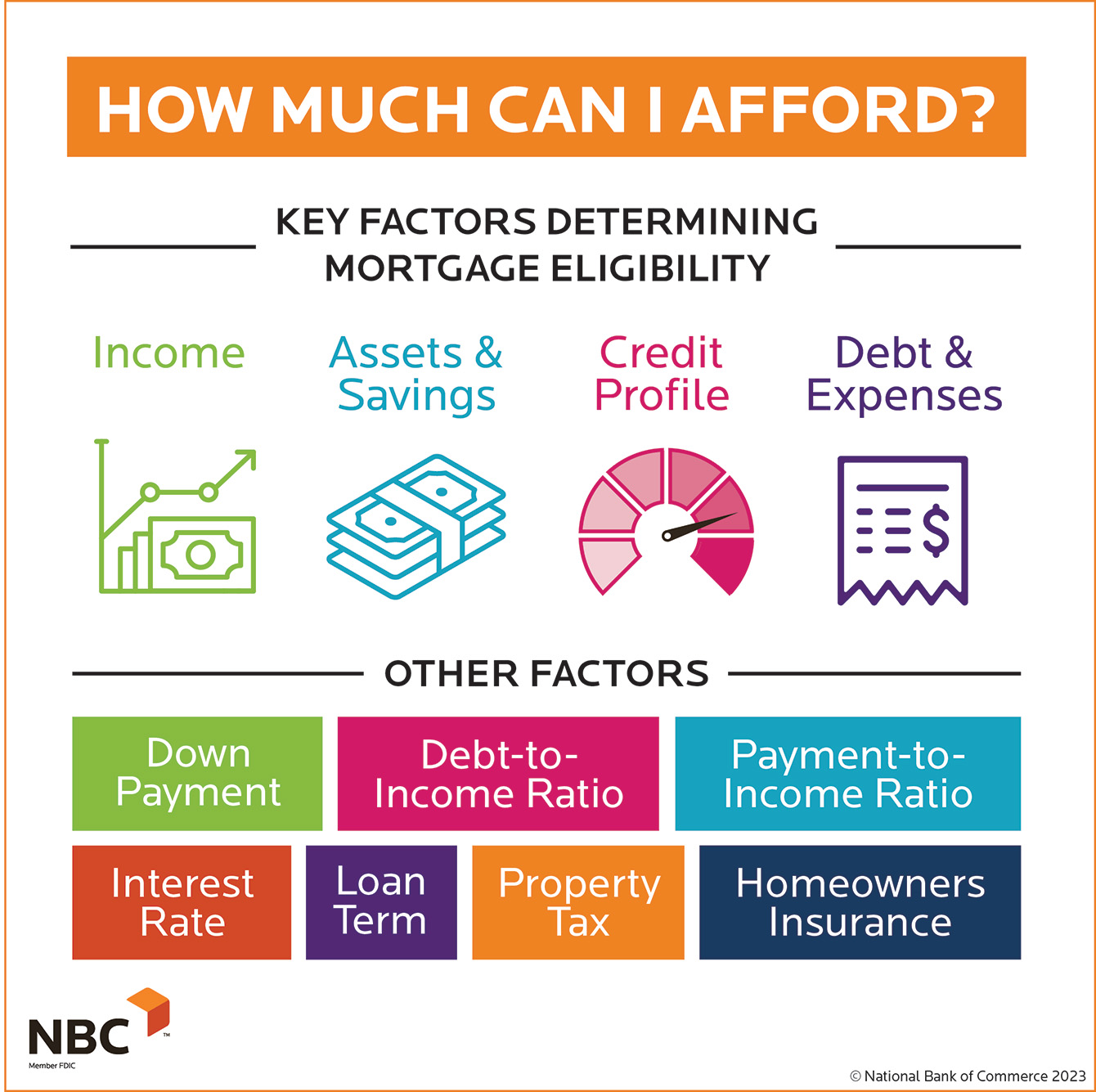
This guide delves into the core components that determine your home loan qualification, providing insights into the financial metrics, personal history, and property-specific considerations that lenders scrutinize. We’ll explore various loan types, offer actionable strategies to enhance your eligibility, and highlight common pitfalls to avoid. By demystifying the qualification process, you’ll be better equipped to turn your dream of homeownership into a tangible reality.
The Pillars of Home Loan Qualification: Core Financial Metrics
At the heart of every home loan application lies a thorough assessment of your financial health. Lenders primarily look at a set of key metrics that paint a clear picture of your creditworthiness and capacity to manage debt. These metrics are non-negotiable and understanding them is the first step toward successful qualification.
Your Credit Score: The Foundation of Trust
Your credit score is arguably the single most influential factor in determining your home loan eligibility and the interest rate you’ll receive. This three-digit number, primarily generated by FICO or VantageScore models, is a numerical representation of your credit risk. It synthesizes your payment history, amounts owed, length of credit history, new credit, and credit mix into a snapshot of your reliability as a borrower.
- Payment History (35%): Timely payments are crucial. Missed or late payments can significantly depress your score.
- Amounts Owed (30%): This refers to your credit utilization ratio – the amount of credit you’re using compared to your total available credit. Keeping this below 30% is generally recommended.
- Length of Credit History (15%): A longer history of responsible credit use is viewed favorably.
- New Credit (10%): Opening too many new credit accounts in a short period can signal risk.
- Credit Mix (10%): A healthy mix of different credit types (e.g., credit cards, auto loans, student loans) can be beneficial.
Lenders typically look for a minimum credit score, which varies by loan type. For instance, conventional loans often require a FICO score of 620-640 or higher, while FHA loans can go as low as 580 (with a higher down payment) or even 500 (with a 10% down payment). A higher credit score not only increases your chances of approval but also qualifies you for more favorable interest rates, potentially saving you tens of thousands of dollars over the life of the loan.
Debt-to-Income Ratio: Balancing Your Financial Load
Your Debt-to-Income (DTI) ratio is another critical metric that lenders use to assess your ability to manage monthly payments. It represents the percentage of your gross monthly income that goes towards servicing your recurring debts. There are two main types of DTI:
- Front-End DTI (Housing Ratio): This calculates the percentage of your gross monthly income that would go towards your new housing expenses (principal, interest, property taxes, homeowner’s insurance, and HOA fees, if applicable). Lenders typically prefer this to be no more than 28-31%.
- Back-End DTI (Total Debt Ratio): This includes your new housing expenses plus all other recurring monthly debt payments, such as credit card minimums, auto loans, student loan payments, and personal loans. Most lenders prefer a total DTI of 36% or lower, though some programs (like FHA) can allow up to 43-50% in certain circumstances.
A lower DTI indicates that you have more disposable income to cover your mortgage payments and other living expenses, making you a less risky borrower. To calculate your DTI, sum up all your monthly debt payments and divide by your gross monthly income.
Down Payment and Reserves: Your Financial Cushion
The amount of money you can put down on a home purchase is a significant factor in your loan qualification and can also influence your loan terms. A larger down payment reduces the loan amount, thereby lowering your monthly payments and potentially the total interest paid over time. It also signals greater financial stability to lenders.
- Down Payment: While the traditional 20% down payment is often cited, many loan programs allow for much lower down payments. FHA loans, for example, require as little as 3.5% down, while some conventional loans offer options with 3% or 5% down. VA and USDA loans can even offer 0% down for eligible borrowers. However, putting down less than 20% on a conventional loan typically requires you to pay Private Mortgage Insurance (PMI), an additional monthly cost.
- Reserves: Beyond the down payment, lenders often want to see that you have “reserves” – readily accessible funds in savings, checking, or investment accounts after closing. These reserves serve as a financial safety net, demonstrating that you can continue to make mortgage payments even if you encounter unexpected expenses or a temporary disruption in income. The required amount of reserves varies, but it can range from one to several months of your mortgage payments.
Income, Employment, and Property: Beyond the Numbers
While credit scores and DTI ratios provide a quantitative snapshot, lenders also delve into the qualitative aspects of your financial life. Your income stability, employment history, and even the type of property you wish to purchase all play crucial roles in the qualification process.
Stable Income and Employment History: Proving Repayment Ability
Lenders need assurance that your income is reliable and sustainable. They want to see a consistent history of employment and earnings to feel confident in your ability to repay the loan.
- Consistency is Key: Typically, lenders look for at least two years of stable employment in the same line of work or industry. Frequent job changes, especially if they involve significant career shifts or gaps, might raise red flags.
- Income Verification: You’ll need to provide documentation such as W-2s, pay stubs, tax returns (typically for the last two years), and, for self-employed individuals, profit and loss statements. Lenders will calculate your qualifying income based on these documents, often using an average for variable income sources like commissions or bonuses.
- Sources of Income: All verifiable income sources are considered, including salary, hourly wages, overtime, commissions, bonuses, self-employment income, retirement income, disability payments, and child support/alimony (if consistently received and documented).
The Role of Property Type: Lending Considerations
The type of property you intend to purchase can also influence your loan eligibility and the available financing options. Lenders assess the property’s risk, marketability, and compliance with loan program guidelines.
- Single-Family Homes: These are generally the easiest to finance, as they represent the lowest risk to lenders.
- Condominiums and Co-ops: Financing these can be more complex. Lenders will often scrutinize the financial health of the homeowners’ association (HOA), the percentage of owner-occupied units, and any pending litigation against the association. Some loan programs have specific requirements for condo projects to be “approved” before they can lend in them.
- Multi-Family Homes (2-4 Units): While these can offer rental income potential, lenders will analyze the property’s income-generating capability and your experience as a landlord. DTI calculations may include projected rental income.
- Manufactured Homes: Financing for manufactured homes can be more limited, with fewer lenders and specific requirements related to the home’s permanent foundation and titling.
- Unique Properties: Homes with unusual features, located in remote areas, or requiring significant repairs (fixer-uppers) may present challenges and might require specialized loan products like FHA 203(k) or conventional renovation loans.
Asset Verification: What Lenders Look For
Beyond your income, lenders also want to verify your assets, ensuring you have the funds for the down payment, closing costs, and required reserves.
- Bank Statements: You’ll typically need to provide bank statements for the last 60 days to show consistent deposits and account balances. Lenders look for “seasoned” funds (money that has been in your account for at least two months) to ensure it’s truly your money and not a recent, unverified gift or loan.
- Gift Funds: If a portion of your down payment or closing costs comes from a gift, lenders require a gift letter from the donor stating that the funds are a true gift and not a loan that needs to be repaid. The donor’s bank statements might also be required to verify the source of the funds.
- Investment Accounts: Statements from brokerage accounts, 401(k)s, IRAs, and other investment vehicles can also be used to verify assets, particularly for reserves.
Navigating Loan Types: Finding Your Best Fit
The mortgage market offers a diverse array of loan products, each with its own set of qualification criteria, benefits, and drawbacks. Understanding the major loan types will help you identify which one aligns best with your financial profile and homeownership goals.
Conventional Loans: Standard and Flexible

Conventional loans are not insured or guaranteed by a government agency. They are the most common type of mortgage and are popular among borrowers with strong credit and stable finances.
- Eligibility: Generally require a good credit score (typically 620-640+ FICO), a reasonable DTI (usually under 36-43%), and a minimum down payment of 3-5% (though 20% avoids PMI).
- Benefits: More flexible terms, option to cancel PMI once sufficient equity is built, and often lower interest rates for highly qualified borrowers.
- Considerations: Stricter credit requirements compared to government-backed loans.
Government-Backed Loans: FHA, VA, and USDA
These loans are designed to make homeownership more accessible, especially for specific groups of borrowers. They offer more flexible qualification criteria but come with their own unique features.
- FHA Loans: Insured by the Federal Housing Administration, these are popular for first-time homebuyers or those with lower credit scores.
- Eligibility: Credit scores as low as 580 (with 3.5% down) or 500 (with 10% down), higher DTI ratios often permitted.
- Benefits: Lower down payment, more forgiving credit requirements.
- Considerations: Require upfront and annual Mortgage Insurance Premiums (MIP) for the life of the loan in many cases, which increases monthly costs.
- VA Loans: Guaranteed by the Department of Veterans Affairs, these are available to eligible service members, veterans, and surviving spouses.
- Eligibility: No minimum credit score is set by the VA (though lenders will have their own), no down payment required, and no ongoing mortgage insurance.
- Benefits: 0% down payment, no PMI, competitive interest rates.
- Considerations: Requires a VA funding fee (which can be waived for some), and eligibility is restricted to qualifying service members.
- USDA Loans: Guaranteed by the U.S. Department of Agriculture, these loans are designed to promote homeownership in rural and eligible suburban areas.
- Eligibility: Requires the property to be in a designated rural area, income limits apply, no down payment required.
- Benefits: 0% down payment, low monthly mortgage insurance.
- Considerations: Strict property location and income eligibility requirements.
Jumbo Loans and Other Specialty Products
For those looking to purchase high-value homes, jumbo loans come into play. There are also niche products for specific situations.
- Jumbo Loans: Mortgages that exceed the conforming loan limits set by Fannie Mae and Freddie Mac.
- Eligibility: Typically require excellent credit scores (700+), larger down payments (10-20% or more), and substantial cash reserves due to the higher risk involved.
- Benefits: Allows financing for high-value properties.
- Considerations: Stricter underwriting, often higher interest rates than conforming loans.
- Portfolio Loans: Loans held by the originating lender, rather than sold on the secondary market. These can offer more flexibility for borrowers with unique financial situations but may have slightly higher rates.
- Construction Loans: Short-term loans used to finance the construction of a new home. These are typically interest-only during the construction phase and then convert to a permanent mortgage.
Strategies to Enhance Your Home Loan Eligibility
Understanding the qualification criteria is just the beginning. Proactively improving your financial standing can significantly boost your chances of approval, unlock better loan terms, and potentially save you a substantial amount of money over time.
Proactive Credit Score Improvement
Your credit score is dynamic and can be improved with consistent effort.
- Pay Bills on Time, Every Time: This is the most critical factor. Set up autopay or reminders to ensure no payments are missed.
- Reduce Credit Card Balances: Lowering your credit utilization ratio is one of the quickest ways to improve your score. Aim to keep balances below 30% of your available credit, or even better, below 10%.
- Avoid New Debt: Refrain from opening new credit accounts or taking on significant new loans in the months leading up to your mortgage application. New credit inquiries can temporarily ding your score, and new debt increases your DTI.
- Check Your Credit Report Regularly: Obtain free copies of your credit report from AnnualCreditReport.com. Review them for errors and dispute any inaccuracies promptly, as these can negatively impact your score.
Strategic Debt Reduction
Lowering your DTI ratio is crucial for mortgage qualification.
- Prioritize High-Interest Debt: Focus on paying down credit card balances first, as they often carry the highest interest rates.
- Avoid Big Purchases: Hold off on buying a new car, furniture, or making other large purchases on credit before and during the mortgage application process.
- Consider Debt Consolidation (Carefully): While consolidating high-interest debt can simplify payments and reduce interest, be cautious. A new consolidation loan will appear on your credit report, and if not managed well, can lead to more debt. Consult a financial advisor.
Building Your Savings and Emergency Funds
Having ample savings demonstrates financial responsibility and provides the necessary funds for down payments, closing costs, and reserves.
- Automate Savings: Set up automatic transfers from your checking to your savings account each payday. Even small, consistent contributions add up.
- Cut Discretionary Spending: Identify areas where you can reduce non-essential expenses and divert those funds to your savings goals.
- Separate Funds: Keep your down payment and reserve funds in easily accessible, liquid accounts (checking, savings) rather than volatile investments, as you’ll need them within a relatively short timeframe.
The Power of Pre-Approval: Strengthening Your Offer
Obtaining a mortgage pre-approval is a vital step before seriously house hunting. It’s not the same as pre-qualification.
- Pre-Qualification: A preliminary assessment based on self-reported financial information. It gives you a rough estimate but is not a commitment from a lender.
- Pre-Approval: A much more thorough process where a lender verifies your income, assets, and credit. They issue a conditional commitment for a specific loan amount at a particular interest rate, typically valid for 60-90 days.
- Benefits: A pre-approval letter shows sellers you are a serious and qualified buyer, giving you a competitive edge in a hot market. It also helps you understand your budget and avoid looking at homes outside your affordability range.
Common Pitfalls and Expert Advice
Navigating the home loan process can be intricate, and it’s easy to make missteps that could jeopardize your qualification. Being aware of common pitfalls and seeking professional guidance can smooth your path to homeownership.
Avoiding Financial Red Flags Before Applying
Several actions can negatively impact your mortgage application, even if they seem minor.
- Changing Jobs: While not always a deal-breaker, changing jobs, especially if it involves a significant pay cut, a new industry, or self-employment immediately before applying, can raise concerns about income stability.
- Opening New Credit Accounts: Even small retail credit cards or new auto loans can temporarily lower your credit score and increase your DTI, making qualification harder.
- Making Large Undocumented Deposits: Lenders need to “season” your funds. Large, unexplained deposits into your bank accounts can trigger scrutiny and require extensive documentation of the source, which can delay or complicate approval.
- Co-Signing Loans: Co-signing for someone else’s loan means that debt is also factored into your DTI, even if you’re not making the payments.
- Ignoring Your Credit Report: Failure to review your credit report for errors or identity theft can lead to unwelcome surprises during underwriting.

The Value of Professional Guidance
The mortgage landscape is complex and constantly evolving. Leveraging the expertise of professionals can be invaluable.
- Mortgage Brokers vs. Direct Lenders: Understand the difference. Mortgage brokers work with multiple lenders to find you the best rates and terms, while direct lenders (banks, credit unions) offer their own specific products. Both have pros and cons.
- Financial Advisors: A qualified financial advisor can help you assess your overall financial health, set realistic homeownership goals, and develop a strategic plan to improve your credit, reduce debt, and build savings well in advance of your application.
- Real Estate Agents: A good real estate agent can connect you with reputable lenders and guide you through the property selection process, helping you find homes within your qualified budget.
In conclusion, understanding “what you would qualify for home loan” involves a multi-faceted assessment of your financial history, current stability, and future repayment capacity. By diligently managing your credit, optimizing your debt-to-income ratio, building robust savings, and aligning with the right loan product, you can significantly enhance your eligibility. Proactive preparation, coupled with professional guidance, will not only simplify the process but also pave the way for a financially sound and successful homeownership journey. Start by taking an honest look at your finances today, and begin charting your course toward owning your dream home.
aViewFromTheCave is a participant in the Amazon Services LLC Associates Program, an affiliate advertising program designed to provide a means for sites to earn advertising fees by advertising and linking to Amazon.com. Amazon, the Amazon logo, AmazonSupply, and the AmazonSupply logo are trademarks of Amazon.com, Inc. or its affiliates. As an Amazon Associate we earn affiliate commissions from qualifying purchases.