
The dream of homeownership is a cornerstone of financial aspiration for many. It represents stability, an investment in the future, and a place to call your own. However, before you can start picking out paint colors or designing your backyard oasis, a crucial question looms large: “What will I qualify for mortgage?” Understanding your mortgage qualification is the essential first step, dictating not only the price range of homes you can consider but also the terms and conditions of your financing. It’s a complex equation where lenders assess your financial health to determine your borrowing capacity and their risk.
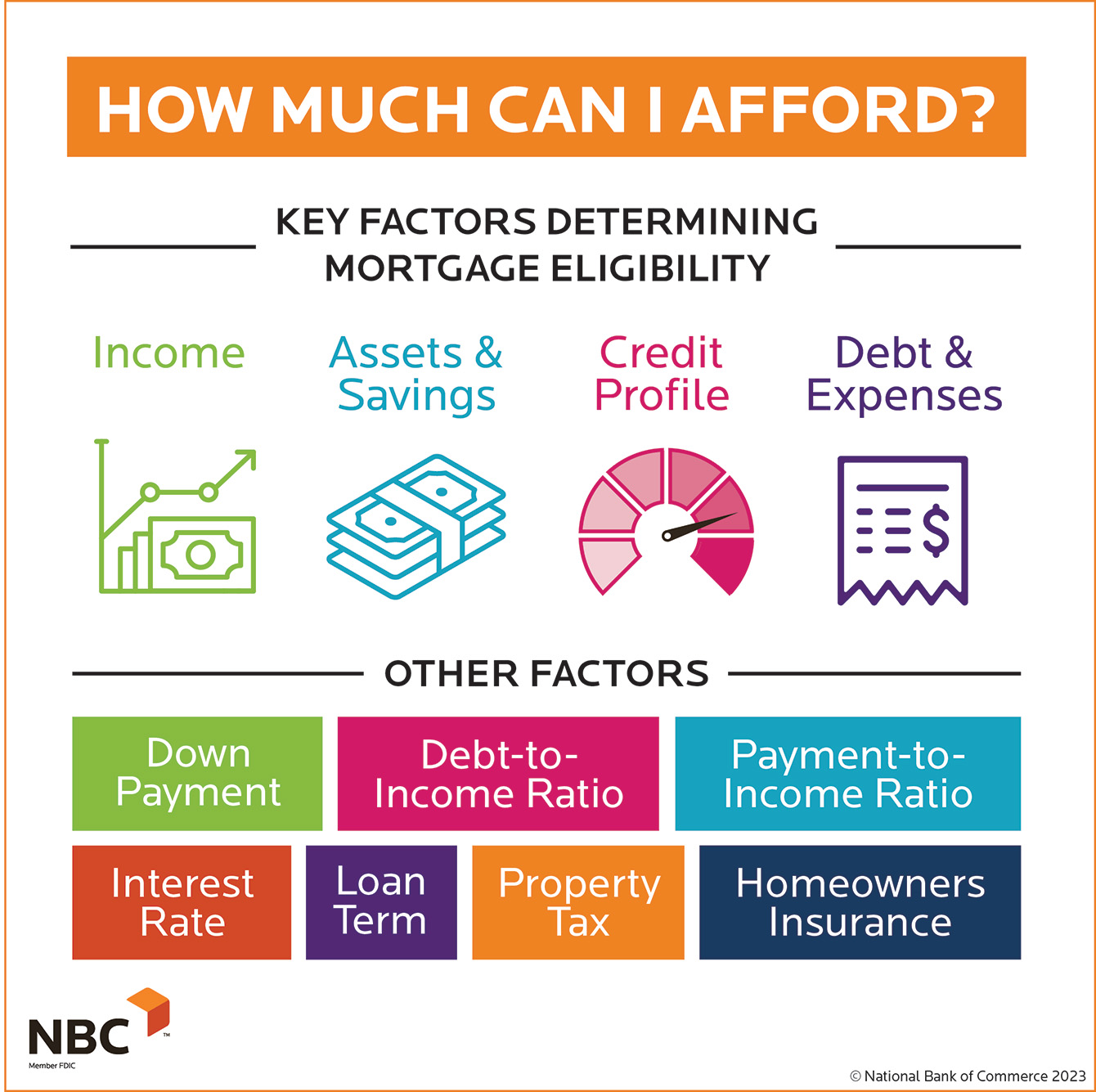
This guide aims to demystify the mortgage qualification process, breaking down the key factors lenders scrutinize and offering insights into how you can position yourself for the best possible outcome. We’ll delve into the financial pillars that underpin your eligibility, explore different loan options, and provide actionable strategies to enhance your qualification potential. Ultimately, the goal is to empower you with the knowledge to navigate the mortgage landscape confidently, ensuring your journey to homeownership is both informed and successful.
Understanding the Mortgage Qualification Landscape
Navigating the mortgage world can feel like deciphering a secret code, but at its heart, the process is about risk assessment. Lenders want to ensure that you are a reliable borrower who can consistently make monthly payments without undue financial strain. This assessment goes far beyond just your income; it’s a holistic review of your financial history, current obligations, and future stability.
The Fundamental Question: How Much Can I Borrow?
The immediate answer to “what will I qualify for” is often expressed as a maximum loan amount. This figure is a critical benchmark, setting the upper limit for your home search. However, it’s vital to distinguish between what you can qualify for and what you can comfortably afford. Lenders have guidelines, but your personal budget might be tighter. Qualifying for a large sum doesn’t automatically mean it’s the wisest financial decision for your specific circumstances. Your future mortgage payment, including principal, interest, taxes, and insurance (PITI), should ideally fit within your broader financial plan without compromising other essential expenses or savings goals.
Beyond the Sticker Price: Factors Influencing Your Borrowing Power
The actual loan amount you qualify for is the output of an intricate calculation involving several key inputs. These inputs represent the primary aspects of your financial profile that lenders evaluate. Each element plays a crucial role, and a weakness in one area might be offset by strength in another, though some factors carry more weight than others. Understanding these elements beforehand allows you to prepare and potentially optimize your financial standing before even applying. This proactive approach can significantly improve your chances of securing favorable loan terms and a substantial mortgage amount, aligning closer to your homeownership aspirations.
Key Pillars of Mortgage Eligibility: What Lenders Scrutinize
Lenders employ a rigorous evaluation process to gauge your creditworthiness. This assessment is built upon several fundamental pillars, each providing a unique insight into your financial reliability. Understanding these pillars is crucial for anyone aspiring to secure a mortgage, as they directly impact the amount you can borrow and the terms of your loan.
Your Financial Snapshot: Income and Employment Stability
One of the most significant factors lenders consider is your income and the stability of your employment. They want to see a consistent and reliable source of funds to ensure you can make your mortgage payments.
- Salaried vs. Self-Employed: For salaried employees, lenders typically look for a minimum of two years of consistent employment with the same employer or within the same industry. Pay stubs, W-2 forms, and employment verification letters are standard requirements. For self-employed individuals, the process is more intricate. Lenders will often request two years of tax returns, profit and loss statements, and business bank statements to assess the consistency and profitability of your business. They will typically use an average of the net income reported over these two years, rather than gross income, which can sometimes lead to qualifying for less than expected if business expenses are high.
- Other Income Sources: Beyond primary employment, lenders will also consider other verifiable income streams. This can include bonuses, commissions, overtime pay, rental income, alimony, child support, or disability benefits. However, these sources generally need to demonstrate a history of receipt (often 1-2 years) to be considered stable and reliable for qualification purposes.
The All-Important Credit Score: A Reflection of Financial Responsibility
Your credit score is essentially a financial report card, reflecting your history of managing debt. It’s a three-digit number that lenders use to quickly assess your risk level. Higher scores indicate a lower risk borrower and often lead to better interest rates and more favorable loan terms.
- FICO Scores: The most commonly used credit scores in mortgage lending are FICO scores. Lenders typically look for scores in the good to excellent range (generally 670 and above) for conventional loans, though government-backed loans like FHA may accept lower scores (down to 580 or even lower with a larger down payment).
- What Impacts Your Score: Your payment history (on-time payments are crucial), amounts owed (keeping credit utilization low), length of credit history, new credit (avoid opening too many new accounts before applying), and credit mix (having different types of credit like credit cards and installment loans) all contribute to your score. A strong credit history demonstrates your ability to manage financial obligations responsibly.
Debt-to-Income Ratio (DTI): Balancing Liabilities with Earnings
Your Debt-to-Income (DTI) ratio is a critical metric that shows how much of your gross monthly income goes towards paying your debts. It’s calculated in two ways:
- Front-End DTI (Housing Ratio): This calculates the percentage of your gross monthly income that would go towards your new housing payment (PITI). Lenders typically prefer this to be no more than 28% to 31%.
- Back-End DTI (Total DTI): This is a broader measure, calculating the percentage of your gross monthly income that goes towards all your monthly debt payments, including the new housing payment, credit card minimums, car loans, student loans, and other installment debts. Most lenders prefer a back-end DTI of no more than 36% to 43%, though some government-backed loans may allow higher ratios under certain circumstances. A lower DTI indicates that you have more disposable income available, making you a less risky borrower.
Down Payment and Reserves: Your Commitment and Financial Cushion
The amount of money you put down on a home—your down payment—significantly impacts your loan-to-value (LTV) ratio and, consequently, your mortgage terms.
- Standard Down Payments: While 20% down payment is often considered ideal (as it typically avoids Private Mortgage Insurance, or PMI, for conventional loans), many options exist with lower down payments, such as 3% for conventional loans, 3.5% for FHA loans, and 0% for VA and USDA loans (for eligible borrowers). A larger down payment reduces the loan amount, lowers your monthly payment, and can often secure a better interest rate.
- Reserves: Lenders also look at your financial reserves—liquid assets like savings, checking, or investment accounts—after the down payment and closing costs are paid. These reserves demonstrate that you have a financial cushion to cover mortgage payments and other expenses in case of unexpected financial setbacks. Lenders often prefer to see at least two to six months’ worth of mortgage payments in reserves.
- Gift Funds: If a portion of your down payment comes from a gift, lenders have specific rules. Typically, the donor must be a family member, and a gift letter confirming the funds are indeed a gift (not a loan) and stating the relationship is usually required.
Asset Verification: Beyond the Down Payment
Beyond your down payment and reserves, lenders will want to verify your assets more broadly. This includes checking the balances in all your bank accounts (checking, savings), investment accounts, and retirement accounts. This helps them confirm that you have sufficient funds for the down payment and closing costs and also serves as further proof of financial stability. They’ll look for “seasoned” funds—money that has been in your accounts for at least 60 days—to ensure it’s not a short-term loan or unverified income. Large, unexplainable deposits just before applying for a mortgage can raise red flags and require extensive documentation.
Navigating Mortgage Options and the Application Process
Understanding the various mortgage types and the steps involved in the application process is crucial for a smooth and successful homebuying journey. Different loan products cater to different financial situations, and knowing your options can help you find the best fit.
Different Loan Types, Different Qualification Criteria
The mortgage market offers a variety of loan programs, each with its own set of eligibility requirements and benefits.
- Conventional Loans: These are not government-backed and generally require higher credit scores (typically 620+) and lower DTI ratios. They offer flexibility in terms, but if your down payment is less than 20%, you’ll likely need to pay Private Mortgage Insurance (PMI).
- FHA Loans: Insured by the Federal Housing Administration, these are popular for first-time homebuyers or those with lower credit scores (as low as 580 with 3.5% down, or 500-579 with 10% down). They require an upfront and annual Mortgage Insurance Premium (MIP), regardless of down payment size.
- VA Loans: Guaranteed by the Department of Veterans Affairs, these loans are exclusively for eligible service members, veterans, and surviving spouses. They offer significant benefits, including no down payment requirement, no PMI, and often competitive interest rates. Strict eligibility criteria apply regarding service history.
- USDA Loans: Backed by the U.S. Department of Agriculture, these loans are designed for low-to-moderate income borrowers purchasing homes in designated rural areas. They also offer 0% down payment and competitive rates but come with income limits and property location restrictions.
- Jumbo Loans: For loan amounts exceeding the conforming loan limits set by Fannie Mae and Freddie Mac (which vary by region), jumbo loans are required. These typically demand higher credit scores, larger down payments (often 10-20% minimum), and more substantial financial reserves due to the higher risk associated with larger loan amounts.
Understanding which loan type best suits your financial profile is a critical step. A mortgage professional can help you compare these options.
The Power of Pre-Approval: Understanding Your Real Buying Power
Before you even start house hunting seriously, obtaining a mortgage pre-approval is indispensable. A pre-approval is a formal letter from a lender stating that you qualify for a specific loan amount based on a preliminary review of your financial information and a credit check.

- What it is: A pre-approval is a conditional commitment from a lender, not a guarantee. It indicates that the lender is willing to lend you a certain amount, assuming no significant changes occur in your financial situation and the property you choose meets their criteria.
- Why it’s Crucial: A pre-approval serves multiple vital purposes. Firstly, it gives you a clear budget, narrowing down your home search to an affordable price range. Secondly, it demonstrates to real estate agents and sellers that you are a serious and qualified buyer, giving you a competitive edge, especially in hot housing markets. Sellers are more likely to entertain offers from pre-approved buyers, as it reduces the risk of the deal falling through due to financing issues.
- Documents Needed: To get pre-approved, you’ll typically need to provide recent pay stubs, W-2s (or tax returns for self-employed), bank statements, investment account statements, and information on any outstanding debts.
Demystifying Closing Costs and Other Expenses
Beyond the down payment, homebuyers need to budget for closing costs and other associated expenses. Closing costs are fees charged by various parties involved in the real estate transaction (lenders, title companies, attorneys, etc.) and typically range from 2% to 5% of the loan amount.
- What to Expect: These can include loan origination fees, appraisal fees, title insurance, recording fees, attorney fees, and prepaid expenses like property taxes and homeowner’s insurance premiums for the initial period.
- How They Impact Affordability: Closing costs are an out-of-pocket expense that can significantly add to the upfront financial burden of buying a home. Some buyers opt to roll closing costs into their loan, which increases the loan amount and interest paid over time, or negotiate for the seller to pay a portion of these costs. Understanding these expenses early helps you budget accurately and avoid last-minute financial surprises.
Strategies to Enhance Your Mortgage Qualification Potential
Even if your current financial standing isn’t perfect, there are proactive steps you can take to strengthen your mortgage application and increase your chances of qualifying for a favorable loan. Strategic planning and diligent execution can make a significant difference.
Boosting Your Credit Score: Actionable Steps
A higher credit score not only helps you qualify but often secures a lower interest rate, saving you tens of thousands over the life of the loan.
- Pay Bills on Time: This is the single most important factor. Set up automatic payments to avoid missing due dates.
- Reduce Credit Utilization: Keep your credit card balances low, ideally below 30% of your available credit limit. Paying down high-interest credit card debt before applying is particularly impactful.
- Avoid New Credit: Refrain from opening new credit cards or taking out new loans in the months leading up to and during your mortgage application process. New credit inquiries can temporarily ding your score, and new debt increases your DTI.
- Check for Errors: Obtain copies of your credit reports from all three major bureaus (Equifax, Experian, TransUnion) and dispute any inaccuracies.
Managing Your Debt-to-Income Ratio Effectively
A lower DTI signals to lenders that you have ample capacity to manage a new mortgage payment.
- Pay Down High-Interest Debt: Prioritize paying off credit cards, personal loans, and other installment debts with high interest rates. This reduces your monthly debt obligations.
- Avoid New Loans/Credit: As mentioned, taking on new debt immediately before applying for a mortgage will inflate your DTI and could jeopardize your qualification.
- Increase Income (If Possible): While not always feasible in the short term, increasing your verifiable income can naturally lower your DTI. This could involve seeking a raise, taking on additional verifiable work, or strategically timing your application after a promotion.
Saving Strategically for a Stronger Application
Robust savings demonstrate financial discipline and provide a vital cushion.
- Dedicated Savings Account: Establish a separate savings account specifically for your down payment and closing costs. Automate transfers to build these funds consistently.
- Emergency Fund: Aim to build an emergency fund that covers at least 3-6 months of living expenses. This shows lenders you have reserves beyond your down payment.
- Understand Gift Fund Rules: If you plan to use gifted funds for your down payment, ensure both you and the donor understand the lender’s specific requirements, including gift letters and tracing the source of funds.
- Season Your Funds: Try to keep your savings in your accounts for at least 60 days before applying. This “seasoning” period allows lenders to easily verify the source of funds and prevents questions about recent large deposits.
Consulting with Professionals: Mortgage Brokers vs. Lenders
The journey to mortgage qualification is often smoother with professional guidance.
- Mortgage Brokers: These professionals work with multiple lenders and can shop around to find the best rates and loan programs for your specific situation. They can be particularly helpful if your financial profile is unique or challenging.
- Direct Lenders (Banks/Credit Unions): Applying directly to a bank or credit union might be suitable if you have an established relationship or if their specific programs align with your needs.
Regardless of your choice, engaging with a reputable mortgage professional early in the process can provide invaluable insights, help you understand your options, and guide you through the complexities of qualification. They can assess your specific situation, suggest strategies for improvement, and help you gather the necessary documentation.
Beyond Qualification: Ensuring Long-Term Affordability
While qualifying for a mortgage is a significant hurdle, it’s equally important to consider the long-term affordability of homeownership. The monthly mortgage payment is just one piece of a larger financial puzzle. True affordability encompasses all the costs associated with owning a home, ensuring that your investment enhances rather than strains your financial well-being.
The True Cost of Homeownership: PITI and Beyond
The core components of your monthly mortgage payment are typically summarized by the acronym PITI:
- Principal: The portion of your payment that goes towards reducing the actual loan balance.
- Interest: The cost of borrowing money from the lender.
- Taxes: Property taxes assessed by local government, often escrowed and paid monthly with your mortgage.
- Insurance: Homeowner’s insurance, also typically escrowed, protecting your home against damage.
However, beyond PITI, other critical expenses contribute to the true cost of homeownership:
- Homeowners Association (HOA) Fees: If your property is part of a planned community, condominium, or townhouse development, you’ll likely pay monthly or annual HOA fees for maintenance of common areas, amenities, and sometimes utilities. These can be substantial and must be factored into your budget.
- Utilities: Budget for electricity, gas, water, sewer, trash collection, and internet/cable. These can vary significantly based on home size, age, and location.
- Maintenance and Repairs: This is often the most overlooked cost. Homes require ongoing maintenance (e.g., HVAC servicing, lawn care) and occasional repairs (e.g., roof replacement, appliance breakdown). Experts recommend setting aside 1% to 3% of your home’s value annually for these costs.
- Home Warranty/Pest Control: Optional but can be valuable for managing unexpected repair costs.
- Furnishings and Decor: Moving into a new home often entails purchasing new furniture, appliances, or decor items to make it your own.
Failing to account for these additional costs can lead to financial stress, even if you comfortably qualified for the mortgage itself. It’s crucial to create a comprehensive budget that includes all potential homeownership expenses.

Stress-Testing Your Budget for Future Financial Health
Before committing to a mortgage, it’s wise to “stress-test” your budget. This involves imagining how your finances would cope with unexpected scenarios:
- Interest Rate Fluctuations (for ARMs): If you opt for an Adjustable-Rate Mortgage (ARM), understand how payment changes during the adjustment period might impact your budget.
- Property Tax or Insurance Hikes: Property taxes and homeowner’s insurance premiums can increase over time. How would your budget absorb such changes?
- Job Loss or Reduced Income: Do you have an emergency fund that could cover mortgage payments for several months if your income stream were interrupted?
- Major Home Repair: Could you afford a significant, unforeseen repair, like a new water heater or a plumbing emergency, without going into debt?
By considering these scenarios, you can gain a more realistic understanding of your financial resilience and adjust your home search or savings strategies accordingly. Opting for a slightly less expensive home or building a larger emergency fund might provide greater peace of mind and long-term financial stability. A mortgage is a long-term commitment, and ensuring your ability to comfortably afford all associated costs is paramount to a successful homeownership experience.
The journey to understanding “what will I qualify for mortgage” is multifaceted, requiring a deep dive into your financial history, current standing, and future aspirations. By meticulously preparing your finances, understanding the various loan options, and engaging with knowledgeable professionals, you can significantly enhance your chances of not only qualifying for a mortgage but also securing one that aligns perfectly with your long-term financial health and homeownership dreams. Remember, the goal is not just to get a mortgage, but to embark on a sustainable and joyful path to owning your home.
aViewFromTheCave is a participant in the Amazon Services LLC Associates Program, an affiliate advertising program designed to provide a means for sites to earn advertising fees by advertising and linking to Amazon.com. Amazon, the Amazon logo, AmazonSupply, and the AmazonSupply logo are trademarks of Amazon.com, Inc. or its affiliates. As an Amazon Associate we earn affiliate commissions from qualifying purchases.