
Securing a mortgage is one of the most significant financial commitments most individuals or families will ever make. The interest rate attached to that mortgage can dramatically impact the total cost of your home over its lifetime, potentially saving or costing you tens of thousands of dollars. Therefore, understanding how to achieve a better mortgage rate isn’t just a matter of frugality; it’s a critical component of sound financial planning and wealth accumulation. This guide will delve into the multifaceted strategies and critical factors that empower you to not just accept a rate, but to actively pursue and secure the most favorable terms possible.
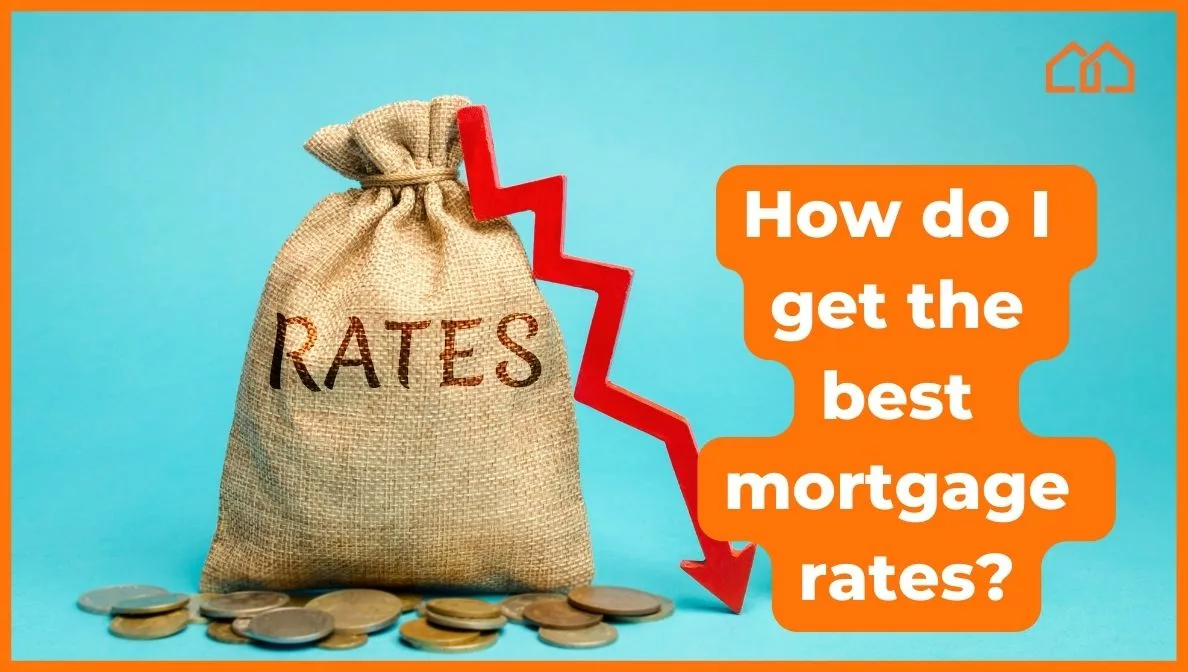
Understanding the Fundamentals of Mortgage Rates
Before embarking on the journey to secure a better rate, it’s crucial to grasp the underlying mechanisms and influences that shape these rates. A mortgage rate is not a static figure; it’s a dynamic reflection of various personal and macroeconomic factors.
Key Factors Influencing Your Rate
Several personal financial metrics play a pivotal role in determining the interest rate a lender is willing to offer you. These are the aspects you have a degree of control over and, by optimizing them, you can significantly improve your rate.
- Credit Score: This is perhaps the most critical factor. Lenders use your credit score (e.g., FICO score) as a primary indicator of your creditworthiness and your likelihood of repaying the loan. A higher credit score (typically 740+) signals lower risk to lenders, often qualifying you for the best available rates. Conversely, a lower score will result in higher rates or even outright denial. Lenders often have tiers, and moving from one tier to the next can result in a significant rate reduction.
- Debt-to-Income (DTI) Ratio: Your DTI ratio is a comparison of your total monthly debt payments to your gross monthly income. Lenders prefer a lower DTI, as it indicates you have sufficient income to manage your existing debts alongside a new mortgage payment. Generally, a front-end DTI (housing expenses only) of 28% and a back-end DTI (all debts including housing) of 36% are considered ideal, though many lenders will go up to 43-50% for qualified borrowers, albeit often at slightly higher rates.
- Down Payment Amount: A larger down payment reduces the loan-to-value (LTV) ratio, meaning you’re borrowing a smaller percentage of the home’s value. This reduces the lender’s risk, as you have more equity in the property from day one. Lenders often reward larger down payments (e.g., 20% or more) with lower interest rates, and they also help you avoid private mortgage insurance (PMI).
- Loan Term and Type: The length of your loan (e.g., 15-year, 30-year) and the type of mortgage (e.g., fixed-rate, adjustable-rate, FHA, VA, conventional) directly impact the rate. Shorter-term loans (e.g., 15-year) typically come with lower interest rates because the lender’s money is tied up for a shorter period, but they also have higher monthly payments. Adjustable-rate mortgages (ARMs) often start with lower rates than fixed-rate mortgages, but these rates can change over time, introducing risk.
- Property Type and Use: Whether the property is your primary residence, a second home, or an investment property, and its type (single-family, condo, multi-unit) can influence rates. Investment properties, for instance, generally carry higher rates due to perceived higher risk.
The Role of Market Conditions
Beyond your personal financial profile, broader economic forces exert a profound influence on mortgage rates. These are factors largely beyond your individual control, but understanding them helps you time your application and set realistic expectations.
- Federal Reserve Policy: While the Federal Reserve does not directly set mortgage rates, its actions significantly impact them. When the Fed raises or lowers the federal funds rate, it influences the cost of borrowing for banks, which then trickles down to consumer loan products like mortgages. Its statements and policies regarding inflation and economic growth are closely watched indicators.
- Inflation: Mortgage rates tend to rise with inflation expectations. Lenders factor in the erosion of their future returns due to inflation, demanding higher rates to compensate. When inflation is high or expected to rise, mortgage rates generally follow suit.
- Economic Indicators: Broader economic health, reflected in indicators like GDP growth, employment rates, and consumer confidence, also plays a role. A strong economy can sometimes lead to higher rates as demand for money increases, while economic slowdowns might lead to lower rates as the Fed tries to stimulate activity. The bond market, particularly the yield on the 10-year Treasury bond, is often seen as a bellwether for fixed mortgage rates.
Preparing Your Financial Profile for Success
The most proactive step you can take to secure a better mortgage rate is to meticulously prepare your financial profile well in advance of applying. This strategic preparation positions you as an attractive borrower, compelling lenders to offer their best terms.
Boosting Your Credit Score
Your credit score is a numerical representation of your financial reliability. Improving it should be a top priority.
- Review Your Credit Reports: Obtain free copies of your credit reports from all three major bureaus (Equifax, Experian, TransUnion) annually. Scrutinize them for errors or inaccuracies, and dispute any discrepancies immediately, as these can artificially lower your score.
- Pay Bills On Time, Every Time: Payment history accounts for a significant portion of your credit score. Set up reminders or automatic payments to ensure you never miss a due date on credit cards, loans, or other bills.
- Reduce Credit Card Balances: Aim to keep your credit utilization ratio (the amount of credit you’re using compared to your total available credit) below 30%, with lower being better. Paying down high-interest credit card debt not only saves you money but also significantly boosts your score.
- Avoid New Debt: In the months leading up to a mortgage application, refrain from opening new credit lines or making large purchases on existing credit, as this can temporarily lower your score and increase your DTI.
- Keep Old Accounts Open: The length of your credit history positively impacts your score. Don’t close old, unused credit card accounts, especially if they have no annual fee, as this can shorten your average credit age.
Optimizing Your Debt-to-Income Ratio
A lower DTI ratio demonstrates your capacity to handle additional debt comfortably.
- Reduce Existing Debt: Prioritize paying down high-interest debts like credit card balances and personal loans. Even aggressively paying down car loans or student loans can help.
- Avoid New Debt: Similar to credit score advice, resist the temptation to take on new loans or significant credit card debt before and during the mortgage application process. Lenders will re-pull your credit shortly before closing, and any new debt can jeopardize your approval or rate.
- Increase Your Income (If Possible): While not always feasible in the short term, any documented increase in your gross monthly income can also help lower your DTI.
Maximizing Your Down Payment
A substantial down payment not only reduces your loan amount but also signals financial stability to lenders.
- Saving Strategies: Implement a disciplined savings plan. Consider automating transfers to a dedicated “down payment fund.” Explore high-yield savings accounts or short-term certificates of deposit (CDs) for these funds.
- Gift Funds: If receiving gift funds from family, ensure they are properly documented with a gift letter stating no repayment is expected. Lenders have specific requirements for gift funds.
- Understanding Loan-to-Value (LTV): Lenders use LTV to assess risk. A lower LTV (higher down payment) often translates into a better rate and avoids the cost of private mortgage insurance (PMI), which is typically required for down payments less than 20% on conventional loans.
Strategic Shopping and Negotiation
Once your financial profile is optimized, the next critical phase involves actively shopping for the best loan terms and being prepared to negotiate. The mortgage market is highly competitive, and leveraging this competition is key to securing a superior rate.
The Power of Multiple Lenders

Many first-time homebuyers make the mistake of only checking with one or two lenders. This limits your options and your bargaining power.
- Cast a Wide Net: Contact at least 3-5 different lenders – including large banks, credit unions, and independent mortgage brokers. Each lender has different underwriting criteria, rate sheets, and fee structures. What one lender considers a high risk, another might view differently.
- Compare Loan Estimates: Once you apply, lenders are legally required to provide you with a standardized Loan Estimate (LE) within three business days. These documents are designed for easy comparison. Focus on the interest rate, APR (Annual Percentage Rate, which includes certain fees), origination fees, and other closing costs.
- Utilize Mortgage Brokers: Mortgage brokers act as intermediaries, working with multiple lenders to find you the best deal. They can often access rates you might not find on your own and can be particularly helpful for complex financial situations. Ensure you understand how they are compensated (by you or the lender).
Decoding Loan Estimates
The Loan Estimate is your most powerful tool for comparison. Don’t just look at the interest rate.
- Interest Rate vs. APR: The interest rate is what you pay on the principal. The APR, or Annual Percentage Rate, reflects the true annual cost of your loan, including the interest rate and certain upfront fees and points. A lower interest rate with high fees might result in a higher APR than a slightly higher interest rate with fewer fees. Always compare APRs when evaluating offers, but also consider how long you plan to stay in the home. If you’ll move quickly, a lower interest rate with higher upfront points might not be worthwhile.
- Closing Costs and Lender Fees: Scrutinize Section A of the Loan Estimate for origination charges, which are direct fees from the lender. Compare these line by line. Be aware that some fees are negotiable.
- Points: Lenders may offer the option to “buy down” your interest rate by paying “points” upfront. One point equals 1% of the loan amount. Evaluate if paying points makes financial sense based on how long you plan to keep the mortgage.
Effective Negotiation Tactics
Don’t assume the first offer is the final offer. There’s often room for negotiation.
- Leverage Competing Offers: Once you have multiple Loan Estimates, present your best offer to other lenders and ask if they can beat or match it. Be transparent and specific. Lenders are often willing to shave off a fraction of a percentage point or reduce fees to earn your business.
- Ask for Concessions: Beyond the rate, negotiate on fees. Can the lender waive or reduce the application fee, origination fee, or underwriting fee? Every dollar saved on closing costs effectively lowers the total cost of your mortgage.
- Be Prepared to Walk Away: Having alternative offers gives you leverage. If a lender isn’t willing to budge, be prepared to take your business elsewhere. This confidence can sometimes be the push they need to improve their offer.
- Lock Your Rate Strategically: Once you have a desirable rate, ask for a rate lock. Understand the terms of the lock (e.g., 30, 45, 60 days) and any associated fees. Be mindful of market trends; if rates are falling, you might hold off on locking, but if they’re rising, a lock offers protection.
When Refinancing Makes Sense
Even after you’ve closed on your mortgage, the pursuit of a better rate doesn’t necessarily end. Refinancing, or replacing your existing mortgage with a new one, can be a powerful tool for optimizing your financial situation.
Identifying Opportunities for Refinancing
Refinancing isn’t always beneficial, but certain conditions make it highly attractive.
- Lowering Your Interest Rate: The most common reason to refinance is when current market rates are significantly lower than your existing mortgage rate. Even a half-point reduction can lead to substantial savings over the life of the loan. A good rule of thumb is to consider refinancing if you can reduce your rate by at least 0.75% to 1%, though smaller reductions can also be worthwhile depending on loan size and fees.
- Reducing Your Monthly Payments: A lower rate or a longer loan term (re-extending a 30-year term, for example) can reduce your monthly payment, freeing up cash flow.
- Shortening Your Loan Term: Refinancing from a 30-year to a 15-year mortgage can save you a tremendous amount in interest over the life of the loan, despite having higher monthly payments.
- Switching Loan Types: You might want to switch from an adjustable-rate mortgage (ARM) to a fixed-rate mortgage to lock in predictability, or vice-versa if you expect rates to fall further.
- Cash-Out Refinance: If you need access to equity for home improvements, debt consolidation, or other large expenses, a cash-out refinance allows you to borrow more than your current mortgage balance, receiving the difference in cash. This should be approached cautiously, as you’re essentially taking on more debt secured by your home.
The Refinancing Process
The refinancing process is similar to obtaining an original mortgage, involving applications, credit checks, appraisals, and closing costs.
- Costs Involved: Refinancing incurs closing costs, just like your initial mortgage. These can include appraisal fees, origination fees, title insurance, and other charges. You must weigh these costs against the potential savings. A common break-even analysis helps determine how long it will take for your savings to offset the refinancing costs.
- Eligibility Criteria: Lenders will re-evaluate your credit score, DTI, and home equity. A strong payment history on your current mortgage is crucial. Having significant equity in your home (at least 20%) is often advantageous.
Maintaining a Favorable Mortgage Position
Securing a better mortgage rate is not a one-time event; it’s an ongoing commitment to financial vigilance. Proactive management of your financial health can ensure you’re always in a strong position, whether for a future refinance or simply for peace of mind.
Regular Financial Health Checks
Just as you monitor your physical health, regular check-ups of your financial health are essential.
- Annual Credit Review: Continue to monitor your credit reports and scores annually. Identity theft and errors can occur, and early detection is key to maintaining a strong credit profile.
- Budgeting and Savings: A consistent budget helps you manage your income and expenses effectively, ensuring you continue to pay down debt and build savings. Maintaining a robust emergency fund is also crucial for financial stability, preventing you from missing mortgage payments if unexpected events occur.

Proactive Engagement with Your Lender
Don’t view your mortgage lender as an adversary, but rather a financial partner.
- Stay Informed: Keep an eye on market interest rates. If you see rates consistently dropping significantly below your current rate, it might be time to revisit refinancing options.
- Explore Options: If you encounter financial difficulties, contact your lender immediately. They may have programs or forbearance options that can help you avoid default and protect your credit. Conversely, if you receive a significant bonus or windfall, ask your lender about options for making extra principal payments to reduce your total interest paid and shorten your loan term.
In conclusion, getting a better mortgage rate is a proactive endeavor that involves a deep understanding of financial mechanics, meticulous preparation of your personal finances, strategic shopping, and intelligent negotiation. By mastering these areas, you empower yourself to secure a mortgage that aligns with your financial goals, ultimately saving you substantial money and building a more secure financial future.
aViewFromTheCave is a participant in the Amazon Services LLC Associates Program, an affiliate advertising program designed to provide a means for sites to earn advertising fees by advertising and linking to Amazon.com. Amazon, the Amazon logo, AmazonSupply, and the AmazonSupply logo are trademarks of Amazon.com, Inc. or its affiliates. As an Amazon Associate we earn affiliate commissions from qualifying purchases.