
For millions of American service members, veterans, and eligible surviving spouses, the VA loan program represents one of the most significant and beneficial financial opportunities available. Offering unparalleled advantages, particularly in a dynamic housing market, understanding the current VA mortgage rates is a critical step in achieving homeownership dreams. These rates are not static; they fluctuate daily, influenced by a complex interplay of global economic indicators, domestic monetary policy, and individual lender strategies. This article will delve into what VA mortgage rates entail, the factors that shape them, how to effectively find the best rates, and crucial considerations beyond the rate itself.
Understanding VA Loans: An Invaluable Benefit for Veterans
The VA loan program, backed by the U.S. Department of Veterans Affairs, is not a direct lending program in most cases, but rather a guarantee program. This guarantee significantly reduces the risk for approved private lenders, enabling them to offer more favorable terms to eligible borrowers. The cornerstone benefits of a VA loan — no down payment requirement, no private mortgage insurance (PMI), and competitive interest rates — make it an incredibly attractive option compared to conventional and even FHA loans.
Eligibility Requirements for a VA Loan
Accessing these benefits begins with eligibility. The VA establishes specific service requirements that must be met to obtain a Certificate of Eligibility (COE). Generally, eligibility hinges on factors such as:
- Service During Wartime: 90 consecutive days of active service.
- Service During Peacetime: 181 days of active service.
- Post-Vietnam Era: More than 6 years of service in the National Guard or Reserves, or 90 days under Title 32 with at least 30 consecutive days.
- Spouses: Surviving spouses of veterans who died in service or from service-related disabilities, and who have not remarried (or remarried after a certain age) are also eligible.
Once eligibility is confirmed with a COE, the focus shifts to a lender’s financial qualifications, including credit history, income, and debt-to-income ratio, which are assessed similarly to other mortgage products.
Key Advantages of VA Mortgages
The allure of VA loans stems from several distinct advantages that significantly ease the path to homeownership:
- No Down Payment: For many, the most compelling benefit is the ability to purchase a home with 0% down. This can save borrowers tens of thousands of dollars upfront, eliminating a major barrier to entry for first-time homebuyers or those with limited savings.
- No Private Mortgage Insurance (PMI): Unlike conventional loans with less than 20% down, or FHA loans which always carry mortgage insurance premiums, VA loans require no PMI. This translates to substantial monthly savings over the life of the loan.
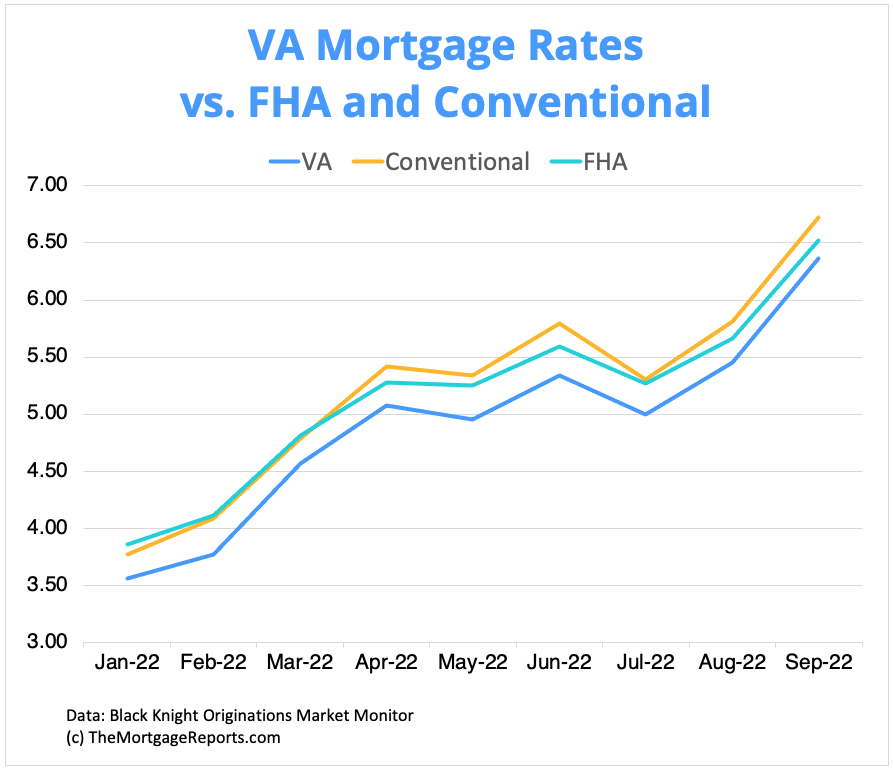
- Competitive Interest Rates: Due to the VA’s guarantee, lenders can afford to offer interest rates that are often lower than those for conventional mortgages, even for borrowers with less-than-perfect credit.
- Limited Closing Costs: The VA sets limits on certain closing costs that veterans can be charged, and in many cases, sellers are permitted to pay for some or all of the veteran’s closing costs.
- Assumability: VA loans are often assumable, meaning a qualified buyer (who doesn’t necessarily need to be a veteran) can take over the existing mortgage, which can be a significant advantage in a rising rate environment.
- No Prepayment Penalties: Borrowers can pay off their VA loan early without incurring any extra fees, offering flexibility and potential long-term savings.
The Role of the VA in Loan Guarantees
The VA itself does not directly lend money for most mortgages. Instead, it “guarantees” a portion of the loan to private lenders (banks, credit unions, mortgage companies). This guarantee protects the lender against potential losses if the borrower defaults. Because of this reduced risk, lenders are more willing to offer favorable terms, including the highly competitive interest rates that are a hallmark of the VA loan program. The VA’s involvement is primarily supervisory, ensuring lenders adhere to program guidelines and that veterans receive the benefits they’ve earned.
Factors Influencing Current VA Mortgage Rates
While the VA loan program offers inherently competitive rates, these rates are not fixed. They are in constant flux, shaped by a complex interplay of macroeconomic forces, lender-specific policies, and an individual borrower’s financial profile. Understanding these influences is key to anticipating market movements and securing the best possible rate.
The Broader Economic Climate
Mortgage rates, including VA rates, are highly sensitive to the overall economic environment. Several major economic indicators and policy decisions play a significant role:
- Federal Reserve Policy: While the Federal Reserve does not directly set mortgage rates, its actions, particularly regarding the federal funds rate and quantitative easing/tightening, profoundly influence the bond market. Mortgage rates tend to move in tandem with the yield on the 10-year Treasury bond. When the Fed signals a hawkish stance (e.g., raising interest rates to combat inflation), mortgage rates typically rise. Conversely, a dovish stance (e.g., cutting rates to stimulate the economy) often leads to lower mortgage rates.
- Inflation: High inflation erodes the purchasing power of money, prompting lenders to demand higher interest rates to compensate for the decreased value of future repayments. Therefore, persistent inflation usually pushes mortgage rates upward.
- Economic Growth: A strong economy often correlates with higher interest rates as demand for credit increases and businesses expand. Conversely, economic slowdowns can lead to lower rates as investors seek safe havens like bonds.
- Global Events: Geopolitical instability, international trade disputes, and global economic shifts can create uncertainty, causing investors to move into or out of different asset classes, which can indirectly impact U.S. bond yields and, consequently, mortgage rates.
Lender-Specific Considerations
Even within the VA loan program, rates can vary significantly from one lender to another. This is due to several internal factors that influence a lender’s pricing strategy:
- Overhead Costs: Lenders have varying operational costs, staffing, and technology investments, all of which factor into the rates they offer.
- Profit Margins: Each lender sets its own desired profit margin. Some lenders prioritize volume, offering slightly lower rates to attract more borrowers, while others may offer higher rates with a focus on specific market segments or more personalized service.
- Loan Volume and Capacity: A lender with excess capacity might offer more aggressive rates to fill their pipeline, whereas a lender inundated with applications might slightly increase rates to manage demand.
- Competitive Landscape: Lenders constantly monitor their competitors’ rates and adjust their own to remain competitive in the market.
Your Personal Financial Profile
Beyond the external market forces and lender policies, your individual financial health plays a crucial role in determining the VA mortgage rate you qualify for:
- Credit Score: A higher credit score (generally FICO scores of 740+) indicates a lower risk to lenders, typically resulting in access to the lowest available interest rates. While the VA program doesn’t set a minimum credit score, most lenders require at least a 620-640 FICO score.
- Debt-to-Income (DTI) Ratio: This ratio compares your total monthly debt payments to your gross monthly income. A lower DTI (ideally below 41% for VA loans, though some flexibility exists) signifies greater financial stability and improves your chances of securing a favorable rate.
- Loan Term: Shorter loan terms (e.g., 15-year fixed) typically come with lower interest rates compared to longer terms (e.g., 30-year fixed), as lenders recover their principal faster.
- Loan Type: While most VA loans are fixed-rate, adjustable-rate mortgages (ARMs) can sometimes offer a lower initial rate, but this comes with the risk of future rate increases.
- Discount Points: Borrowers can opt to pay “discount points” upfront — essentially prepaid interest — to lower their interest rate over the life of the loan. This can be a strategic move if you plan to stay in the home for an extended period.
How to Find and Compare Current VA Mortgage Rates
Given the dynamic nature of mortgage rates and the variations among lenders, a proactive and informed approach is essential to securing the most advantageous terms for your VA loan. Relying on a single quote or an outdated figure could cost you thousands over the life of the loan.
Gathering Quotes from Multiple Lenders
The most effective strategy for finding the best VA mortgage rates is to shop around. Just as you wouldn’t buy the first car you see, you shouldn’t commit to the first mortgage offer.
- Contact Several VA-Approved Lenders: Reach out to at least 3-5 different lenders. These can include large national banks, local credit unions, and specialized mortgage brokers who frequently handle VA loans. Each lender will have slightly different pricing models, overheads, and competitive strategies.
- Request a Loan Estimate: Once you provide basic information, federal law requires lenders to give you a Loan Estimate within three business days of applying. This standardized form clearly outlines the interest rate, monthly payment, and closing costs associated with the loan. This document is crucial for direct comparison.
- Be Specific: When requesting quotes, ensure you provide consistent information to each lender (e.g., desired loan amount, home location, credit score range, and whether you intend to pay discount points). This ensures an apples-to-apples comparison.
- Don’t Overdo It: While shopping around is beneficial, submitting too many full applications in a short period can slightly impact your credit score. Focus on a manageable number of serious inquiries within a 14-45 day window, which credit bureaus typically count as a single inquiry for rate shopping purposes.
Understanding the Rate Quote Elements
A VA mortgage rate quote isn’t just a number; it’s a package. To truly compare offers, you need to look beyond the advertised interest rate:
- Interest Rate vs. APR: The interest rate is the percentage you pay on the principal loan amount. The Annual Percentage Rate (APR) is a broader measure of the total cost of the loan over its term, including the interest rate plus certain other charges (like origination fees, discount points, and the VA Funding Fee). While a lower interest rate is attractive, a lower APR often gives a more accurate picture of the overall cost.
- Discount Points: As mentioned, these are upfront fees paid to lower your interest rate. One discount point typically costs 1% of the loan amount. Calculate if paying points makes financial sense based on how long you plan to stay in the home.
- Origination Fees: These are fees charged by the lender for processing the loan. The VA limits what lenders can charge in origination fees.
- Other Closing Costs: Factor in other expenses like appraisal fees, title insurance, recording fees, and attorney fees. Some of these are negotiable, and sellers can contribute to them in VA transactions.
Leveraging Technology for Rate Comparison
The digital age offers powerful tools to simplify rate shopping:
- Online Mortgage Marketplaces: Websites like Zillow, LendingTree, Bankrate, or Credit Karma allow you to input your information and receive multiple quotes from various lenders simultaneously. While these provide good starting points, always follow up directly with lenders for personalized Loan Estimates.
- Lender Websites: Many lenders feature their current rates online, though these are often “best case” scenarios and subject to individual qualification.
- Mortgage Calculators: Utilize online calculators to estimate monthly payments with different rates, loan terms, and down payment scenarios (even though VA often requires no down payment, you might consider it).
Navigating the Application Process and Securing Your Rate
Once you’ve identified a competitive rate and a suitable lender, the next steps involve formally applying for the loan and strategically locking in your rate to protect against market fluctuations.
Pre-Approval: A Crucial First Step
Before you even start house hunting, obtaining a VA loan pre-approval is highly recommended.
- What it Is: A pre-approval means a lender has reviewed your financial information (credit report, income, assets) and determined how much they are willing to lend you. It comes with a pre-approval letter.
- Why it Matters: A pre-approval demonstrates to sellers that you are a serious and qualified buyer, giving you a significant advantage in competitive housing markets. It also helps you set a realistic budget for your home search.
- How to Get It: You’ll typically provide your COE, pay stubs, W-2s, bank statements, and authorize a credit check.
Documentation and Underwriting
The VA loan application process, while streamlined, still requires thorough documentation and a robust underwriting period.
- Required Documents: Be prepared to provide comprehensive financial documentation, including:
- Your Certificate of Eligibility (COE)
- Two years of W-2s and tax returns (if self-employed)
- Recent pay stubs
- Bank statements and other asset statements
- Identification (driver’s license, Social Security card)
- Rental history (if applicable)
- Underwriting Process: The lender’s underwriting department will meticulously review all your submitted documents, your credit history, income stability, and debt obligations to ensure you meet both their internal lending criteria and VA guidelines. They will also order a VA appraisal to ensure the property meets minimum property requirements (MPRs) and appraises for at least the purchase price.
Locking In Your Rate: Strategy and Timing
Once your loan is moving through the approval process, deciding when to lock in your interest rate is a critical decision.
- What a Rate Lock Is: A rate lock guarantees the interest rate for a specific period (e.g., 30, 45, or 60 days) during the underwriting and closing process. If market rates rise during this period, your locked rate remains unaffected. If they fall, you might miss out unless your lender offers a “float-down” option (often for a fee).
- When to Lock:
- During a Stable or Rising Rate Environment: Locking your rate earlier is generally advisable if you anticipate rates will increase.
- Once Under Contract: Most borrowers lock their rate once their offer on a home has been accepted. This provides certainty.
- Consider the Lock Period: Ensure the lock period is long enough to cover your anticipated closing date, adding a buffer for any unforeseen delays. Longer lock periods can sometimes come with slightly higher rates or fees.
- Float-Down Option: Some lenders offer a “float-down” option, allowing you to secure a lower rate if market rates drop significantly after your initial lock, usually for a fee. Evaluate if this option is worthwhile based on current market trends and your risk tolerance.
Beyond the Rate: Hidden Costs and Long-Term Considerations
While a low interest rate is highly desirable, a truly informed decision about a VA mortgage requires looking at the bigger picture, including other costs and future financial planning.
The VA Funding Fee Explained
A unique aspect of VA loans is the VA Funding Fee, a one-time charge paid directly to the Department of Veterans Affairs. This fee helps offset the cost of the program to taxpayers and ensures its continued availability.
- Purpose: It contributes to the overall guarantee fund, allowing the VA to continue providing loans with no down payment and no PMI.
- Amount: The fee varies based on several factors:
- Whether it’s your first time using a VA loan benefit.
- Whether you are making a down payment (even a small one can reduce the fee).
- Your service type (e.g., active duty vs. National Guard/Reserves).
- Refinance type (cash-out vs. Interest Rate Reduction Refinance Loan, or IRRRL).
- For a first-time use with no down payment, the fee is typically 2.15% of the loan amount. For subsequent use with no down payment, it’s 3.3%. A down payment of 5% or more can reduce it to 1.5% or 1.25%.
- Exemptions: Some veterans are exempt from paying the funding fee, including those receiving VA compensation for service-connected disabilities, those entitled to receive compensation but who are not yet receiving it, and Purple Heart recipients.
- Financing the Fee: The funding fee can be financed into the loan, meaning you don’t have to pay it upfront, though it will increase your loan amount and total interest paid over time.
Closing Costs and Other Expenses
Beyond the interest rate and the VA Funding Fee, borrowers should budget for standard closing costs, which typically range from 2% to 5% of the loan amount. These include:
- Lender Fees: Origination fees, underwriting fees, processing fees.
- Third-Party Fees: Appraisal, title insurance, survey, recording fees, attorney fees.
- Escrow/Prepaid Items: Property taxes and homeowner’s insurance premiums that are prepaid for a certain period and held in an escrow account.
It’s important to remember that the VA limits what lenders can charge veterans for certain fees, and sellers are allowed to contribute towards these costs. Negotiating seller concessions can significantly reduce your out-of-pocket expenses at closing.
Refinancing Options: IRRRL and Cash-Out
VA loans offer flexible refinancing options that can be beneficial depending on market conditions and your financial goals:
- VA Streamline Refinance (IRRRL): The Interest Rate Reduction Refinance Loan (IRRRL) is a simple, low-cost option for veterans to refinance an existing VA loan into a new VA loan with a lower interest rate or a more stable payment (e.g., converting an ARM to a fixed-rate loan). It typically requires less documentation, no appraisal, and can often be done with no out-of-pocket costs, as closing costs can be rolled into the loan. The funding fee for an IRRRL is generally lower (0.5%).
- VA Cash-Out Refinance: This option allows eligible veterans to refinance their current mortgage (VA or non-VA) into a new VA loan for a higher amount than they currently owe. The difference is received as cash at closing, which can be used for home improvements, debt consolidation, or other financial needs. The funding fee for a cash-out refinance is typically 2.15% (first-time use) or 3.3% (subsequent use), regardless of down payment.
Understanding current VA mortgage rates is merely the starting point. A comprehensive approach involves grasping the program’s benefits, knowing what influences rates, diligently shopping for the best terms, and being prepared for all associated costs. By doing so, eligible veterans and service members can leverage this exceptional benefit to secure stable and affordable homeownership.
aViewFromTheCave is a participant in the Amazon Services LLC Associates Program, an affiliate advertising program designed to provide a means for sites to earn advertising fees by advertising and linking to Amazon.com. Amazon, the Amazon logo, AmazonSupply, and the AmazonSupply logo are trademarks of Amazon.com, Inc. or its affiliates. As an Amazon Associate we earn affiliate commissions from qualifying purchases.