
In the journey toward homeownership, few questions loom larger or generate more anxiety than “What is a good home loan rate?” This seemingly straightforward query, however, belies a complex interplay of market forces, personal financial health, and strategic decision-making. A “good” rate isn’t merely the lowest number you can find; it’s a confluence of affordability, long-term financial wisdom, and the specific context of your economic situation. Understanding what constitutes a favorable rate, how it’s determined, and how to secure one is paramount for anyone navigating the intricate landscape of property finance. This guide will demystify the concept, equipping you with the knowledge to make informed decisions that align with your financial goals.
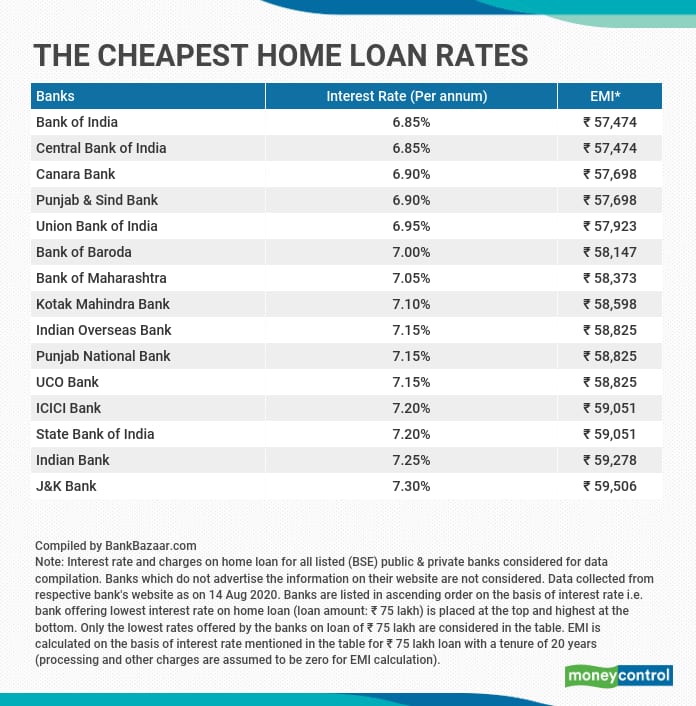
Beyond the Lowest Number: Defining a “Good” Rate
The pursuit of the absolute lowest interest rate often overshadows a broader understanding of what truly makes a home loan “good” for an individual. While a lower interest rate unequivocally translates to lower monthly payments and reduced overall cost over the life of the loan, it’s merely one piece of a larger financial puzzle. A truly good rate is one that is competitive within the current market, aligns with your personal financial capacity, and comes with terms that are sustainable and understandable.
The Personal Context of “Good”
What’s good for one borrower might be prohibitive for another. Your personal financial profile — encompassing your credit score, debt-to-income (DTI) ratio, the size of your down payment, and even your employment history — significantly dictates the rates you’re offered. A borrower with an excellent credit score (760+) and a low DTI will naturally qualify for more favorable rates than someone with a fair credit score (620-679) and a higher DTI, even in the same market conditions. Therefore, a “good” rate for you is the lowest rate you can realistically achieve given your financial standing, without compromising on other important loan features or incurring excessive upfront costs. It’s also about the peace of mind that comes with manageable monthly payments that fit comfortably within your budget, leaving room for other financial priorities and emergencies.
Understanding Market Benchmarks
To discern whether an offered rate is “good,” it’s crucial to understand the prevailing market benchmarks. Home loan rates are dynamic, fluctuating daily, sometimes even hourly, based on economic indicators. Financial news outlets and reputable online resources frequently publish average rates for various loan types (e.g., 30-year fixed, 15-year fixed, 5/1 ARM). Comparing an offer against these averages provides a critical yardstick. If your offered rate is significantly higher than the market average for someone with a similar credit profile, it’s a sign to explore other lenders or to reassess aspects of your financial application. However, if your rate is at or below the market average, particularly after factoring in your unique financial situation, you’re likely looking at a genuinely good offer. It’s important to remember that these averages are generalizations, and specific rates will always be tailored to individual risk assessments by lenders.
APR vs. Interest Rate: The True Cost
A common pitfall for many prospective homeowners is focusing exclusively on the interest rate while overlooking the Annual Percentage Rate (APR). While the interest rate reflects the cost of borrowing money, the APR represents the true annual cost of your loan, including the interest rate plus certain fees and charges you pay to get the loan (such as points, mortgage broker fees, and some closing costs). For instance, a loan might offer a tantalizingly low interest rate but come with substantial upfront fees, making its APR higher than a loan with a slightly higher interest rate but fewer associated fees. When comparing loan offers, the APR provides a more accurate, holistic picture of the loan’s total cost over its term, making it a superior metric for comparing different loan products. A good home loan rate, therefore, is one where both the interest rate is competitive and the APR is reasonable, reflecting minimal additional costs.
Key Factors That Influence Home Loan Rates
Home loan rates are not arbitrary figures pulled from thin air; they are the product of intricate economic forces and individual financial assessments. Understanding these influences is key to appreciating why rates fluctuate and what you can do to secure a more favorable one.
Macroeconomic Forces: The Big Picture
At the broadest level, home loan rates are significantly impacted by the overall health of the economy and the policies of central banks.
- Inflation: When inflation is high, the purchasing power of money decreases. Lenders, to protect their returns, typically raise interest rates to compensate for this erosion in value.
- Federal Reserve Policy: While the Federal Reserve doesn’t directly set mortgage rates, its actions have a profound indirect influence. When the Fed raises its benchmark federal funds rate, it generally makes borrowing more expensive across the economy, pushing up other rates, including those for home loans.
- Bond Market: Mortgage rates are closely tied to the yield on the 10-year Treasury bond. As bond yields rise, so do mortgage rates, and vice-versa. This is because mortgage-backed securities (MBS), which are bundles of home loans sold to investors, compete with Treasury bonds for investor attention. To attract investors, MBS yields must be competitive with Treasury yields.
- Economic Growth and Employment: A strong economy with low unemployment typically leads to higher consumer confidence and demand for homes, which can exert upward pressure on rates. Conversely, economic slowdowns or recessions might lead to lower rates as the Fed attempts to stimulate lending and investment.
Your Financial Profile: The Borrower’s Impact
While macroeconomic factors set the stage, your personal financial health determines the specific rate you’re offered. Lenders assess your risk profile to gauge the likelihood of you repaying the loan.
- Credit Score: This is perhaps the single most important factor. A higher credit score (generally above 740-760) indicates a responsible borrowing history, qualifying you for the best rates. Lower scores signal higher risk, leading to higher interest rates to compensate the lender for that perceived risk.
- Debt-to-Income (DTI) Ratio: Your DTI compares your total monthly debt payments to your gross monthly income. A lower DTI (typically below 36-43%) signifies that you have ample income to cover your existing debts and a new mortgage payment, making you a less risky borrower.
- Down Payment: A larger down payment (e.g., 20% or more) means you’re borrowing less and have more equity in the home from the start. This reduces the lender’s risk and can result in a lower interest rate, often also helping you avoid private mortgage insurance (PMI).
- Loan-to-Value (LTV) Ratio: This ratio compares the loan amount to the home’s appraised value. A lower LTV (higher down payment) is always more favorable.
- Employment History: Lenders prefer stable employment, typically looking for at least two years in the same job or industry, as it demonstrates a reliable income stream.
Loan Specifics: Product Type and Term
The type of mortgage product you choose and its term also play a significant role in determining your interest rate.
- Fixed-Rate Mortgages vs. Adjustable-Rate Mortgages (ARMs): Fixed-rate mortgages offer a constant interest rate over the life of the loan, providing predictability. ARMs, on the other hand, have an initial fixed period, after which the rate adjusts periodically based on a market index. ARMs typically start with a lower interest rate than fixed-rate mortgages, making them attractive to some, but carry the risk of future rate increases.
- Loan Term: Shorter loan terms, such as a 15-year fixed mortgage, generally come with lower interest rates than longer terms, like a 30-year fixed mortgage. This is because lenders are exposed to risk for a shorter period. While the monthly payments will be higher with a 15-year loan, you’ll pay significantly less interest over the life of the loan.
- Loan Type (Conventional, FHA, VA, USDA): Conventional loans are not backed by the government and typically require stricter credit and down payment criteria for the best rates. Government-backed loans (FHA, VA, USDA) have different qualification standards and often cater to specific borrower groups, sometimes offering more flexible terms or lower rates, particularly for those with less-than-perfect credit or lower down payments (e.g., VA loans for veterans often require no down payment).

Strategies for Identifying and Securing Your Best Rate
Proactivity and informed decision-making are your strongest allies in securing a good home loan rate. It’s not about passively accepting the first offer but strategically positioning yourself and diligently exploring your options.
Know Your Numbers: Credit Score and DTI
Before you even speak to a lender, understand your financial standing.
- Check Your Credit Report and Score: Obtain copies of your credit report from all three major bureaus (Equifax, Experian, TransUnion) and review them for accuracy. Dispute any errors immediately. Knowing your score allows you to anticipate the kind of rates you might qualify for. If your score is borderline, take steps to improve it, such as paying down revolving debt, avoiding new credit applications, and making all payments on time.
- Calculate Your DTI: Sum up your total monthly debt payments (credit cards, auto loans, student loans, etc.) and divide it by your gross monthly income. Aim for a DTI below 36-43% to present yourself as a low-risk borrower. If your DTI is high, focus on paying down existing debts before applying for a mortgage.
The Power of Comparison Shopping
This is arguably the most impactful strategy. Do not settle for the first lender you speak with.
- Contact Multiple Lenders: Reach out to at least three to five different lenders, including large national banks, smaller community banks, credit unions, and mortgage brokers. Each lender has different overheads, risk appetites, and product offerings, which means rates can vary significantly.
- Get Personalized Loan Estimates: Once you apply, lenders are required to provide a Loan Estimate document within three business days. This standardized form allows for easy, apples-to-apples comparison of interest rates, APRs, closing costs, and other fees across different lenders. Pay close attention to origination fees, discount points, and third-party costs.
- Shop Within a Short Window: When applying for multiple mortgages, credit bureaus typically count all inquiries made within a 14-to-45-day window as a single inquiry. This helps minimize the impact on your credit score, so consolidate your rate shopping within a specific timeframe.
Negotiating for Favorable Terms
You might have more leverage than you think.
- Leverage Competing Offers: Once you have Loan Estimates from multiple lenders, you can use a better offer from one lender to negotiate a lower rate or reduced fees from another lender you prefer. Many lenders are willing to match or beat a competitor’s offer to earn your business.
- Consider Paying Points: “Points” (also known as discount points) are upfront fees paid to the lender in exchange for a lower interest rate. One point typically equals 1% of the loan amount. Evaluate if paying points makes financial sense for you based on how long you plan to stay in the home. If you plan to live there for a long time, paying points to reduce the interest rate can result in significant savings over the loan’s life.
Locking In Your Rate: Timing is Everything
Once you find a rate you’re comfortable with, consider locking it in.
- Rate Lock Explained: A rate lock guarantees that the interest rate offered to you will not change between the time of application and closing, provided the loan closes within a specified period (typically 30, 45, or 60 days). This protects you from rate increases if market rates rise.
- When to Lock: Timing a rate lock can be tricky. If you believe rates are poised to rise, locking in earlier is wise. If you anticipate rates might fall, you might delay, but this carries the risk of them increasing. Discuss the pros and cons with your loan officer. Most lenders offer a “float down” option for an additional fee, which allows you to take advantage of lower rates if they drop significantly after you’ve locked.
Navigating Rate Fluctuations and Future Opportunities
The financial landscape is ever-evolving, and what constitutes a “good” rate today might shift tomorrow. Staying informed and proactive can open doors to future financial advantages.
When to Consider Refinancing
Even after you’ve secured a good home loan, market dynamics can create opportunities to improve your financial situation. Refinancing involves replacing your existing mortgage with a new one, often to secure a lower interest rate, change the loan term, or tap into home equity.
- Lowering Your Interest Rate: If market rates drop significantly (typically by at least 0.75% to 1% below your current rate), refinancing could lead to substantial savings on your monthly payments and over the life of the loan.
- Changing Loan Term: You might refinance from a 30-year to a 15-year mortgage to pay off your home faster, or from a 15-year to a 30-year to reduce monthly payments, especially if facing financial strain.
- Switching Loan Types: Converting from an ARM to a fixed-rate mortgage can provide stability if you anticipate rising rates.
- Cash-Out Refinance: This allows you to borrow against your home equity, converting it into cash for other needs (e.g., home renovations, debt consolidation).
When considering refinancing, always calculate the break-even point — how long it will take for the savings from the lower interest rate to offset the closing costs of the new loan. If you plan to move before reaching that point, refinancing might not be worthwhile.
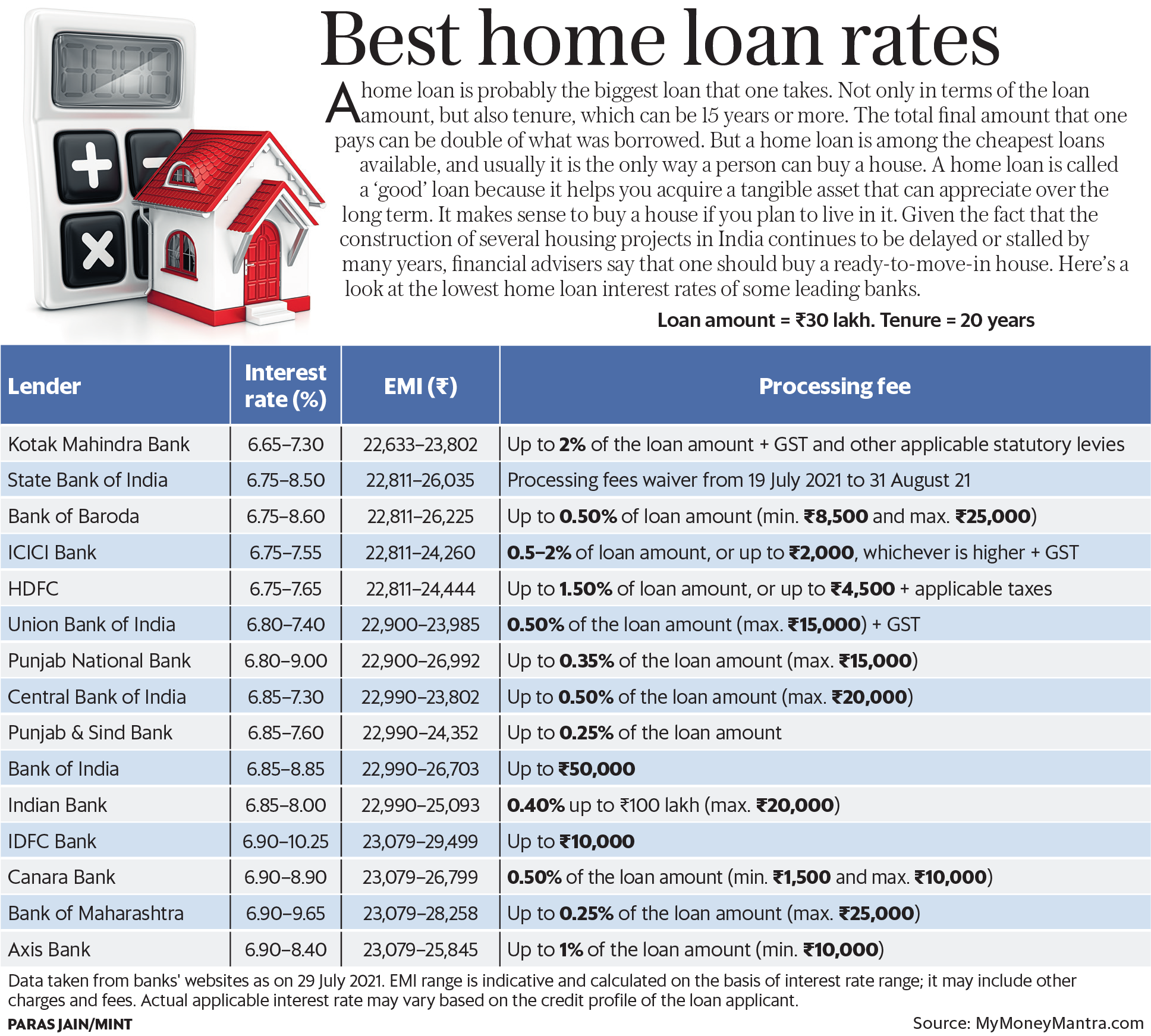
Preparing for a Dynamic Market
The housing and mortgage markets are cyclical. Interest rates move up and down in response to global events, domestic economic policies, and inflationary pressures. For prospective and current homeowners, remaining financially agile is crucial.
- Stay Informed: Keep an eye on economic news and interest rate forecasts. Websites of financial institutions and reputable financial news outlets offer valuable insights.
- Maintain Excellent Credit: A strong credit score is your perpetual asset. It ensures you’re always positioned to qualify for the most competitive rates, whether for an initial purchase or a future refinance.
- Build an Emergency Fund: A robust emergency fund provides a buffer against unexpected financial challenges, ensuring you can meet your mortgage obligations even during periods of economic uncertainty.
Ultimately, a “good” home loan rate is a highly personalized metric. It’s not just the number displayed, but the entire package—the interest rate, the APR, the loan term, the lender’s service, and how well it integrates with your overall financial strategy and long-term goals. By understanding the factors at play, diligently comparing offers, and strategically managing your financial profile, you empower yourself to secure a home loan that truly serves your best interests, transforming the dream of homeownership into a sustainable and financially sound reality.
aViewFromTheCave is a participant in the Amazon Services LLC Associates Program, an affiliate advertising program designed to provide a means for sites to earn advertising fees by advertising and linking to Amazon.com. Amazon, the Amazon logo, AmazonSupply, and the AmazonSupply logo are trademarks of Amazon.com, Inc. or its affiliates. As an Amazon Associate we earn affiliate commissions from qualifying purchases.