
Navigating the world of mortgage rates can feel like tracking a moving target. For prospective homebuyers, those looking to refinance, or even seasoned investors, understanding the current mortgage rate environment is paramount. These rates directly impact the affordability of a home, the size of monthly payments, and ultimately, the total cost of borrowing over the loan’s lifetime. Far from being arbitrary numbers, mortgage rates are a complex interplay of economic forces, central bank policies, and individual borrower profiles. This article delves into the dynamics of mortgage rates, offering insights into what drives them, how to interpret current trends, and strategies to secure the most favorable terms for your financial situation.
Understanding the Current Mortgage Landscape
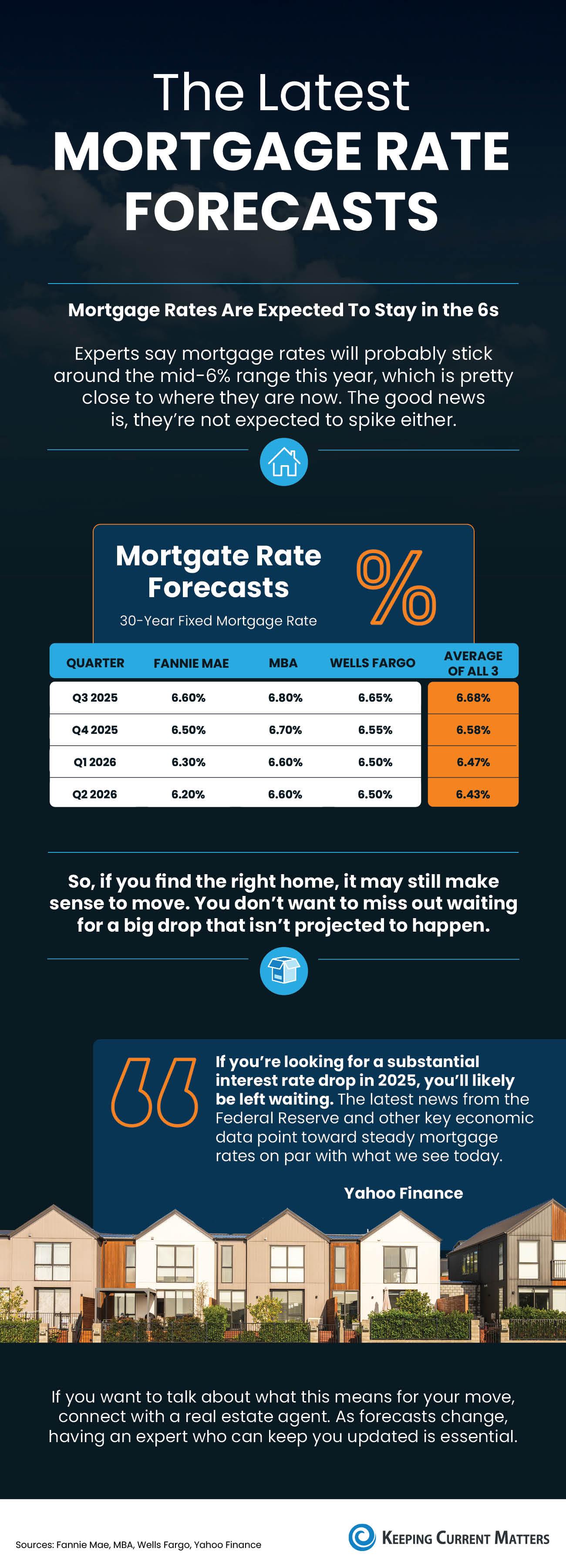
Mortgage rates are not static; they fluctuate daily, sometimes even hourly, in response to a myriad of global and domestic economic signals. This inherent volatility makes it crucial for anyone entering the housing market to stay informed and understand the underlying mechanisms that dictate these shifts. The “latest” rates are merely a snapshot in time, reflecting the market’s current perception of risk, inflation, and future economic growth.
The Dynamic Nature of Rates
At its core, a mortgage rate represents the cost of borrowing money to purchase real estate. Lenders assess various factors to set these rates, including their own operational costs, desired profit margins, and the specific risk profile of the borrower. However, these individual considerations are framed within a broader economic context. Major economic announcements—such as inflation reports, employment figures, and gross domestic product (GDP) data—can trigger immediate reactions in the financial markets, directly influencing the bond yields that mortgages are often tied to. For instance, an unexpected rise in inflation typically pushes bond yields and, consequently, mortgage rates higher, as lenders demand greater compensation for the eroding purchasing power of future repayments. Conversely, signs of economic slowdown or disinflation can lead to lower rates.
Furthermore, geopolitical events, global economic crises, or even significant shifts in investor sentiment can send ripples through the financial markets, impacting the perceived safety and return of various asset classes, including mortgage-backed securities. This interconnectedness means that understanding the “latest mortgage rates” requires looking beyond just the numbers and comprehending the broader economic narrative unfolding around us. It’s a constant dance between supply and demand for credit, influenced by market psychology and hard economic data.
Where to Find Real-Time Rates
Given their dynamic nature, accessing accurate, real-time mortgage rates is essential for making informed decisions. While this article cannot provide live, personalized quotes, several reliable sources offer daily averages and allow for comparison shopping.
- Financial News Outlets: Major financial publications and websites (e.g., Bloomberg, Wall Street Journal, Reuters, CNBC) frequently report on average national mortgage rates and provide expert analysis on market trends.
- Mortgage Lender Websites: Directly visiting the websites of various banks, credit unions, and non-bank mortgage lenders will provide their current offerings. Most lenders have online tools where you can input basic information (loan amount, property value, credit score range) to get an estimated rate.
- Online Mortgage Marketplaces: Websites specializing in mortgage comparison aggregate rates from multiple lenders, allowing you to compare offers side-by-side. These platforms can be invaluable for efficiently shopping around and identifying competitive rates without having to contact each lender individually.
- Loan Officers/Brokers: Engaging with a licensed mortgage loan officer or broker provides access to their network of lenders and personalized guidance. They can often provide tailored quotes based on your specific financial profile and help you navigate the complexities of different loan products.
When comparing rates, always look at the Annual Percentage Rate (APR), not just the interest rate. The APR reflects the true annual cost of a loan over its term, including not only the interest rate but also most other fees and costs associated with the mortgage, such as points and administrative charges. This provides a more accurate basis for comparison between different loan offers.
Key Factors Influencing Mortgage Rates
Beyond the daily fluctuations, several fundamental economic and lender-specific factors exert a profound influence on mortgage rates. Understanding these elements empowers borrowers to anticipate changes and strategize their mortgage applications effectively.
Economic Indicators and Federal Reserve Policy
The Federal Reserve plays a pivotal role in the U.S. financial system, and its actions directly or indirectly impact mortgage rates. While the Fed does not directly set mortgage rates, its monetary policy decisions, particularly concerning the federal funds rate, significantly influence the broader interest rate environment. The federal funds rate is the target rate for overnight lending between banks; when the Fed raises this rate to combat inflation, it makes borrowing more expensive across the board, pushing up yields on Treasury bonds. Since mortgage rates often track the yield on the 10-year Treasury note, an increase in Treasury yields generally translates to higher mortgage rates. Conversely, when the Fed lowers rates to stimulate economic growth, the opposite effect typically occurs.
Other key economic indicators like inflation, employment data, and GDP growth also weigh heavily. A robust economy with low unemployment and strong growth can lead to higher inflation expectations, prompting lenders to demand higher interest rates to compensate for the expected erosion of money’s value over time. Conversely, a weakening economy might signal lower future inflation, potentially leading to a drop in rates.
The Role of Inflation and the Bond Market
Inflation is perhaps the single most significant long-term driver of mortgage rates. Lenders anticipate that inflation will diminish the purchasing power of the money they are repaid in the future. To offset this, they charge a higher interest rate. Therefore, if inflation is expected to rise, mortgage rates tend to increase. If inflation is expected to fall, rates may decline.
The bond market, particularly the market for mortgage-backed securities (MBS) and U.S. Treasury bonds, is the primary mechanism through which these inflation expectations and other economic factors translate into mortgage rates. Mortgage-backed securities are investments that are essentially pools of thousands of individual mortgages. Investors buy MBS for their yield (the return they offer). When investors demand a higher yield on MBS (perhaps due to inflation concerns or a stronger economy), lenders must offer higher interest rates on new mortgages to make them attractive to investors. The yield on the 10-year Treasury note is often seen as a benchmark for long-term interest rates, and mortgage rates tend to move in tandem with it.
Lender-Specific Factors and Loan Types
While broad economic factors set the general trend, individual lenders also apply their own criteria, which can lead to variations in rates offered to different borrowers.
- Lender’s Overhead and Profit Margins: Different institutions have varying operational costs and profit targets, which they factor into the rates they offer.
- Loan Product Mix: Some lenders specialize in certain types of loans (e.g., FHA, VA, jumbo loans) and may offer more competitive rates for those products.
- Competitiveness: In a highly competitive market, lenders may temporarily lower rates to attract more customers.
- Risk Assessment: Lenders assess the risk associated with each borrower. Factors like credit score, debt-to-income ratio, loan-to-value ratio, and employment history are scrutinized. A borrower with a higher credit score and a lower debt-to-income ratio typically poses less risk and is therefore offered a more favorable rate.
Navigating Different Mortgage Products
The world of mortgages offers a variety of products, each with unique features, benefits, and risks. Choosing the right one is crucial as it dictates your monthly payments, interest costs, and overall financial flexibility.
Fixed-Rate Mortgages: Stability and Predictability
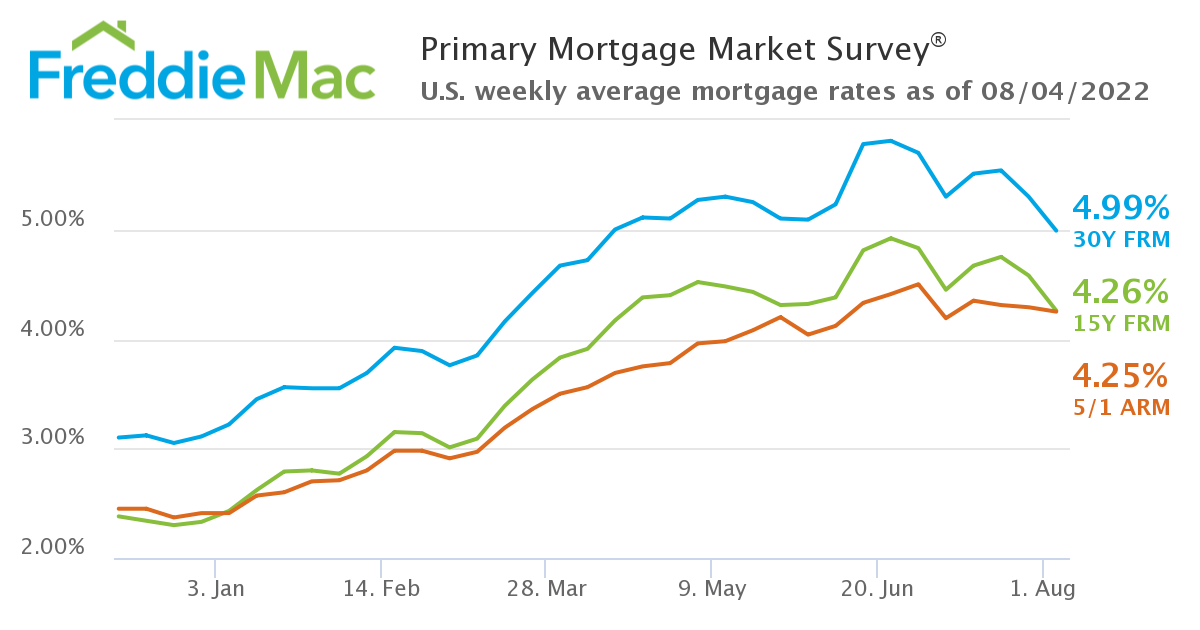
Fixed-rate mortgages are the most common type, characterized by an interest rate that remains constant for the entire duration of the loan. This means your principal and interest payments will stay the same from the first month to the last, offering unparalleled stability and predictability in your monthly housing budget.
- Pros: Predictable payments, protection against rising interest rates, easier budgeting.
- Cons: You won’t benefit if market rates fall (unless you refinance), initial interest rates may be slightly higher than initial ARM rates.
- Best for: Homebuyers planning to stay in their home for a long time, those who prioritize stable monthly payments, or in an environment where interest rates are expected to rise. Popular terms include 15-year and 30-year fixed-rate mortgages.
Adjustable-Rate Mortgages (ARMs): Flexibility with Risk
Adjustable-rate mortgages, or ARMs, begin with an initial fixed-rate period, after which the interest rate adjusts periodically based on a specific market index (e.g., the Secured Overnight Financing Rate – SOFR). Common ARMs are structured as 5/1, 7/1, or 10/1, meaning the rate is fixed for the first 5, 7, or 10 years, respectively, and then adjusts annually thereafter.
- Pros: Often feature lower initial interest rates compared to fixed-rate mortgages, potentially leading to lower initial monthly payments. If market rates fall, your payments could decrease.
- Cons: Payments can increase significantly when the rate adjusts, making budgeting unpredictable. There’s a risk your payments could become unaffordable if rates rise sharply.
- Best for: Homebuyers who anticipate moving or refinancing before the fixed-rate period ends, those expecting their income to rise significantly, or in a declining interest rate environment. ARMs typically have caps that limit how much the interest rate can adjust in a single period and over the life of the loan.
Government-Backed Loans: FHA, VA, and USDA
Beyond conventional mortgages, several government-backed programs offer unique advantages, particularly for specific groups of borrowers.
- FHA Loans: Insured by the Federal Housing Administration, FHA loans are designed to help low-to-moderate-income borrowers, especially first-time homebuyers, achieve homeownership. They typically require a lower down payment (as low as 3.5%) and have more flexible credit score requirements than conventional loans. However, they mandate mortgage insurance premiums (MIP), which increase the overall cost of the loan.
- VA Loans: Guaranteed by the U.S. Department of Veterans Affairs, VA loans are available to eligible active-duty service members, veterans, and surviving spouses. Their most significant benefit is often requiring no down payment and no private mortgage insurance (PMI). They also typically feature competitive interest rates and limited closing costs.
- USDA Loans: Backed by the U.S. Department of Agriculture, these loans are designed to promote homeownership in rural and eligible suburban areas. They also often require no down payment and can offer favorable interest rates to eligible low- and moderate-income borrowers who meet specific geographic and income criteria.
Each of these loan types serves a distinct purpose, and understanding their eligibility requirements and benefits is crucial for selecting the most appropriate financing option.
Strategies for Securing the Best Mortgage Rate
While economic forces largely dictate the general direction of mortgage rates, individual borrowers possess significant control over the rate they ultimately qualify for. Strategic planning and diligent execution can translate into substantial long-term savings.
The Power of a Strong Credit Score
Your credit score is arguably the single most influential factor in a lender’s risk assessment. A higher credit score (typically FICO scores above 740-760) signals to lenders that you are a responsible borrower with a history of timely payments, making you a lower credit risk. Consequently, lenders are willing to offer lower interest rates to attract and secure these prime borrowers. Conversely, a lower credit score indicates a higher risk, prompting lenders to charge a higher interest rate to compensate for that perceived risk.
- Actionable Advice: Before applying for a mortgage, obtain copies of your credit report from all three major bureaus (Experian, Equifax, TransUnion) and check for errors. Dispute any inaccuracies immediately. Focus on paying down high-interest debt, making all payments on time, and avoiding opening new credit lines.
Maximizing Your Down Payment
The size of your down payment directly impacts your loan-to-value (LTV) ratio, which is another critical factor for lenders. A larger down payment means you’re borrowing less money relative to the home’s value, reducing the lender’s exposure to risk. A lower LTV (e.g., a 20% down payment leading to an 80% LTV) often qualifies you for better interest rates. Furthermore, a 20% down payment on a conventional loan typically allows you to avoid private mortgage insurance (PMI), which adds to your monthly housing costs.
- Actionable Advice: Save diligently for a substantial down payment. If a 20% down payment is out of reach, assess whether a slightly larger down payment (e.g., 10-15%) could still improve your rate enough to justify the extra savings period. Explore down payment assistance programs if eligible.
The Importance of Shopping Around and Rate Locks
One of the most impactful strategies is simply shopping around. Mortgage rates can vary significantly from one lender to another on any given day. Contacting multiple lenders—banks, credit unions, and mortgage brokers—and comparing their offers is critical. Don’t just compare the interest rate; look at the Annual Percentage Rate (APR), which includes most fees, to get a true comparison of the loan’s cost.
- Actionable Advice: Obtain quotes from at least three to five different lenders within a short timeframe (e.g., 14-45 days, depending on the credit scoring model, to minimize the impact on your credit score from multiple inquiries). Once you find a competitive rate, consider a “rate lock.” A rate lock guarantees your interest rate for a specific period (typically 30, 45, or 60 days) while your loan application is processed. This protects you from rate increases during that window, though it often comes with a small fee or a slightly higher rate if the market is volatile.
Understanding Closing Costs and Fees
Beyond the interest rate, the total cost of your mortgage includes various closing costs and fees. These can range from 2% to 5% of the loan amount and include origination fees, appraisal fees, title insurance, attorney fees, and recording fees. Some lenders may offer a lower interest rate but charge higher upfront fees (points), while others might offer a higher rate with fewer upfront costs. It’s crucial to evaluate the entire package.
- Actionable Advice: Request a Loan Estimate from each lender, which is a standardized form detailing all loan terms and costs. Compare these line-by-line. Don’t hesitate to negotiate fees, especially origination fees. Sometimes, paying “points” upfront can lower your interest rate over the life of the loan, but this strategy only makes sense if you plan to stay in the home for many years to recoup the upfront cost.
The Future Outlook: What to Expect
Predicting the precise trajectory of mortgage rates is notoriously difficult, even for seasoned economists. However, by understanding the prevailing economic currents and expert consensus, borrowers can develop a more informed perspective on what the future might hold and how to prepare.
Expert Predictions and Market Trends
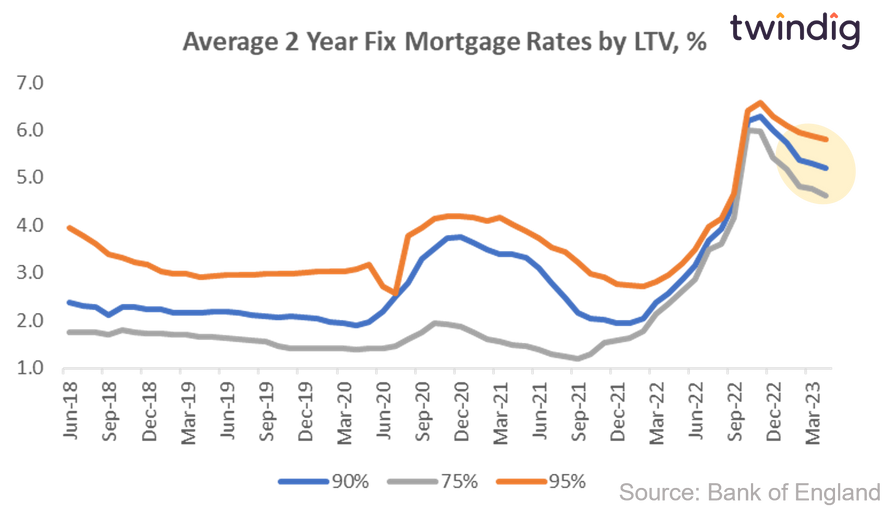
Mortgage rate forecasts are frequently updated by major financial institutions and housing market analysts. While these predictions are not guarantees, they often reflect a consensus view based on an analysis of current economic data, central bank guidance, and geopolitical factors. For example, if inflation is expected to remain elevated, the Federal Reserve might maintain a tighter monetary policy, leading to sustained or even higher mortgage rates. Conversely, signs of a cooling economy or a successful reduction in inflation could pave the way for rate decreases.
Key trends to monitor include:
- Inflation data: Consumer Price Index (CPI) and Producer Price Index (PPI) reports.
- Employment figures: Non-farm payrolls, unemployment rate.
- Federal Reserve announcements: FOMC meeting minutes, speeches by Fed officials.
- Global economic stability: Geopolitical events and international trade dynamics.
Staying abreast of these indicators, often reported weekly or monthly by financial news outlets, provides valuable context for the “latest mortgage rates” and helps anticipate potential shifts.
Preparing for Rate Fluctuations
Given the inherent uncertainty, a proactive approach is vital for anyone considering a mortgage or refinance.
- Pre-approval is key: Getting pre-approved for a mortgage early in your home search gives you a clear understanding of what you can afford and a clearer picture of the rate you might qualify for, subject to market changes.
- Monitor rates continuously: If you’re not ready to lock a rate, keep a close eye on market trends. Set up alerts from financial websites or mortgage lenders to notify you of significant changes.
- Have your finances in order: Regardless of market conditions, maintaining a strong credit score, a low debt-to-income ratio, and a healthy emergency fund will always put you in the best position to secure favorable terms.
- Consider a float-down option: Some lenders offer a “float-down” option with a rate lock, which allows you to take advantage of falling rates even after you’ve locked your initial rate. This usually comes with an additional fee.
- Don’t overextend yourself: Ultimately, choose a mortgage that fits comfortably within your budget, even if rates were to rise to the upper limits of an ARM’s cap or if other financial pressures arise. Focus on long-term affordability rather than just chasing the lowest possible initial rate.
By understanding the factors that influence mortgage rates and adopting strategic planning, borrowers can navigate the complexities of the market with confidence, ensuring they make informed decisions that align with their financial goals. While rates are always changing, a solid financial foundation and a well-researched approach will always be your strongest assets.
aViewFromTheCave is a participant in the Amazon Services LLC Associates Program, an affiliate advertising program designed to provide a means for sites to earn advertising fees by advertising and linking to Amazon.com. Amazon, the Amazon logo, AmazonSupply, and the AmazonSupply logo are trademarks of Amazon.com, Inc. or its affiliates. As an Amazon Associate we earn affiliate commissions from qualifying purchases.