
Understanding the current interest rate for a 30-year mortgage is paramount for anyone navigating the housing market, whether you’re a first-time homebuyer, looking to refinance, or an experienced investor. This seemingly simple question, however, unveils a complex interplay of economic forces, lending policies, and individual financial profiles. While a precise, real-time number fluctuates by the minute and varies by lender and borrower specifics, this article will delve into the mechanisms that drive these rates, how to find the most accurate figures for your situation, and what strategies you can employ to secure the best possible terms.
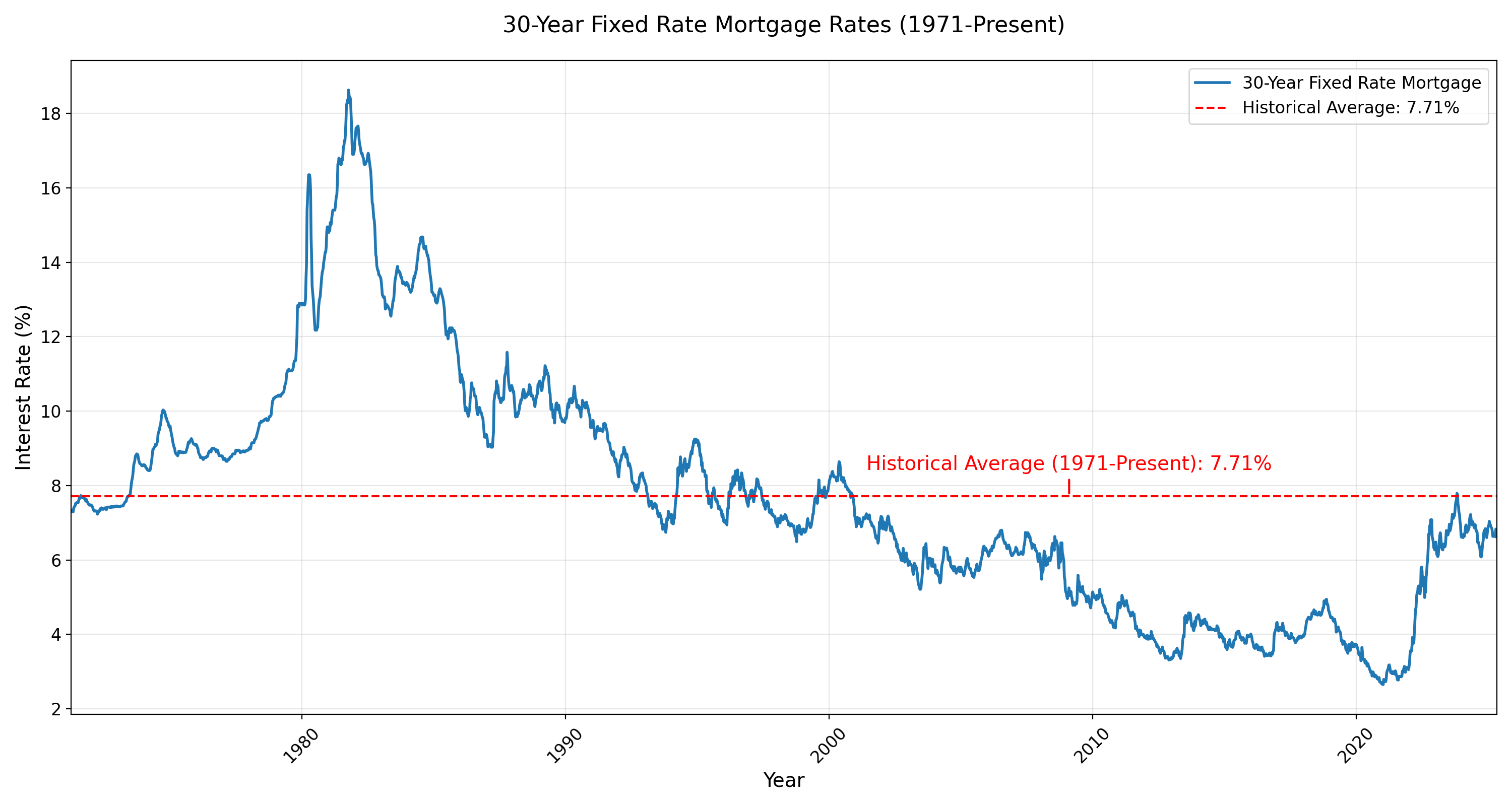
The 30-year fixed-rate mortgage stands as the most popular financing option for homebuyers due to its stability and predictable monthly payments. Over three decades, your interest rate remains constant, shielding you from market volatility. This predictability allows for long-term financial planning, making it an attractive choice for those seeking peace of mind in their largest financial commitment. However, the exact rate you qualify for today is a moving target, influenced by everything from global economic news to your personal credit score.
Decoding the 30-Year Fixed-Rate Mortgage
Before diving into the factors that determine rates, it’s crucial to understand the fundamental nature of the 30-year fixed-rate mortgage and how it’s typically presented. This knowledge empowers you to interpret rate quotes effectively and make informed decisions.
What Makes the 30-Year Fixed So Popular?
The enduring popularity of the 30-year fixed-rate mortgage stems primarily from its dual benefits of stability and affordability. Borrowers appreciate the peace of mind that comes with a constant interest rate and, consequently, a consistent principal and interest payment for the entire loan term. This immunity to market fluctuations provides a robust foundation for household budgeting, safeguarding against potential payment shocks that can arise with adjustable-rate mortgages. Furthermore, stretching payments over three decades results in lower monthly installments compared to shorter-term loans (like 15-year mortgages), making homeownership more accessible to a broader range of income levels. This accessibility often translates to the ability to purchase a more expensive home or retain more disposable income for other financial goals.
How Are Mortgage Interest Rates Determined?
Mortgage interest rates are not arbitrarily set; rather, they are the culmination of several macroeconomic and microeconomic factors. At a high level, rates are heavily influenced by the bond market, particularly the yield on the 10-year Treasury note, as mortgage-backed securities often track this benchmark. Beyond this, a lender’s cost of funds, operational expenses, profit margins, and their assessment of risk associated with the specific borrower all play a role. The broader economic landscape—including inflation expectations, employment figures, and GDP growth—also exerts significant pressure. When the economy is strong and inflation is a concern, rates tend to rise as lenders seek to maintain their real return on investment. Conversely, during periods of economic uncertainty or recessionary fears, rates often decline as investors seek the safety of bonds and the Federal Reserve may implement policies to stimulate lending.
The Anatomy of an Interest Rate Quote
When you receive a mortgage quote, it’s essential to look beyond just the advertised interest rate. The Annual Percentage Rate (APR) is a more comprehensive measure of the loan’s true cost, as it incorporates the interest rate alongside certain fees and other charges you’ll pay over the loan’s life. These charges can include origination fees, discount points (which are fees paid upfront to “buy down” the interest rate), and other closing costs. Understanding the distinction between the nominal interest rate and the APR is critical. The interest rate determines your monthly principal and interest payment, while the APR gives you a clearer picture of the total cost of borrowing over the loan term, allowing for more accurate comparisons between different lenders and loan products. A lower interest rate with high points might still result in a higher APR than a slightly higher interest rate with no points, especially if you plan to move or refinance within a few years.
Key Factors Influencing Today’s Mortgage Rates
Mortgage rates are dynamic, reacting to a multitude of economic signals and market conditions. Understanding these drivers is crucial for anticipating trends and making timely decisions.
Economic Indicators
A healthy economy typically correlates with higher mortgage rates. Key indicators include inflation, which lenders track closely; if inflation is expected to rise, lenders will increase rates to ensure their returns aren’t eroded. Gross Domestic Product (GDP) growth signals a strong economy, potentially leading to higher rates. Employment figures, such as the unemployment rate and job creation, indicate economic strength or weakness, directly impacting consumer confidence and borrowing activity. Robust employment usually means higher rates, as it suggests a strong economy that can handle higher borrowing costs.
Federal Reserve Policy
While the Federal Reserve does not directly set mortgage rates, its monetary policy decisions exert significant influence. The Fed’s actions, particularly adjustments to the federal funds rate, primarily affect short-term borrowing costs for banks. However, these actions ripple through the financial system, impacting longer-term rates like mortgages. When the Fed raises rates to combat inflation (known as quantitative tightening), it generally pushes mortgage rates up. Conversely, during periods of economic slowdown, the Fed might lower rates or engage in quantitative easing (buying bonds) to stimulate lending and economic activity, which tends to lower mortgage rates.
Bond Market Dynamics
The 10-year Treasury yield is often considered a bellwether for 30-year fixed mortgage rates. Mortgage-backed securities (MBS), which are bundles of mortgages sold to investors, compete with U.S. Treasury bonds for investor capital. When the yield on the 10-year Treasury rises, investors demand higher returns on MBS, which translates to higher mortgage rates. Conversely, a decline in Treasury yields usually leads to lower mortgage rates. This correlation is why financial news often discusses the 10-year Treasury bond when talking about mortgage rate forecasts.
Lender-Specific Considerations
Beyond the broader market, your individual circumstances play a significant role. Your credit score is paramount; a higher score (typically 740 or above) signals lower risk to lenders, qualifying you for better rates. Your debt-to-income (DTI) ratio, which compares your monthly debt payments to your gross monthly income, also matters. A lower DTI (ideally below 43%) indicates you can comfortably handle additional mortgage payments. The loan-to-value (LTV) ratio, calculated by dividing the loan amount by the home’s appraised value, impacts rates; a lower LTV (meaning a larger down payment) often results in a better rate. Finally, market competition among lenders can also drive rates down as they vie for your business.
Geopolitical Events and Global Economics
Global events can send ripples through financial markets, impacting domestic mortgage rates. Political instability in other regions, international trade disputes, or global economic crises can lead investors to seek the safety of U.S. Treasury bonds, which can initially push yields down and potentially lower mortgage rates. However, if these events create significant uncertainty or threaten global economic growth, they can also lead to increased volatility and a flight to quality that might not always translate to lower mortgage costs for consumers if lenders perceive heightened risk. The interconnectedness of global economies means that seemingly distant events can have very real consequences for your mortgage payment.
Navigating the Mortgage Market: Strategies for Securing Favorable Rates
Securing the best possible 30-year fixed mortgage rate requires more than just passively observing market trends; it demands proactive engagement and strategic planning. By optimizing your financial profile and understanding the lending process, you can significantly improve your chances of locking in a competitive rate.
The Power of a Strong Credit Score
Your credit score is arguably the single most impactful factor within your control that influences the mortgage rate you’ll be offered. Lenders use it as a primary indicator of your creditworthiness and your likelihood of repaying the loan. A higher FICO score (generally 740+) signals to lenders that you are a responsible borrower, translating into lower perceived risk for them and, consequently, access to their most favorable interest rates. Conversely, a lower credit score will result in higher interest rates, costing you thousands of dollars more over the life of the loan. Prior to applying for a mortgage, review your credit report for errors, pay down existing debts, and avoid opening new lines of credit to boost your score.

Optimizing Your Debt-to-Income Ratio
The debt-to-income (DTI) ratio is another critical metric lenders use to assess your ability to manage monthly payments. It compares your total monthly debt payments (including the prospective mortgage payment) to your gross monthly income. A lower DTI indicates that you have ample income to cover your debts, making you a less risky borrower. While acceptable DTI limits vary, most lenders prefer a front-end DTI (housing expenses only) below 28% and a back-end DTI (all debts) below 36%. If your DTI is on the higher side, consider paying off credit card balances, personal loans, or other debts before applying for a mortgage to improve your ratio and qualify for a better rate.
Shopping Around and Comparing Lenders
One of the most effective strategies for securing a better rate is to shop around and obtain quotes from multiple lenders. Different banks, credit unions, and mortgage brokers have varying overheads, risk assessments, and product offerings, leading to discrepancies in their quoted rates and fees. Don’t settle for the first offer you receive. Apply with at least three to five different lenders within a short window (typically 14-45 days, depending on the scoring model) to minimize the impact on your credit score. This allows you to compare not only interest rates but also APRs, closing costs, and overall loan terms. The slight effort invested in comparing offers can translate into substantial long-term savings.
Understanding Mortgage Points
Mortgage points, also known as discount points, are essentially prepaid interest that you pay at closing to “buy down” your interest rate. One point typically equals 1% of the loan amount. For example, on a $300,000 mortgage, one point would cost $3,000. While paying points can reduce your monthly payment and total interest paid over the long term, it’s crucial to calculate the “break-even point”—how long it will take for the savings from the lower interest rate to offset the upfront cost of the points. If you plan to stay in the home for many years, paying points can be a wise investment. However, if you anticipate moving or refinancing within a few years, it might not be cost-effective.
When to Lock Your Rate
Mortgage rates can fluctuate daily, sometimes even hourly. Once you’ve found a favorable rate and chosen a lender, you’ll need to decide when to “lock” your interest rate. A rate lock guarantees your quoted rate for a specific period (e.g., 30, 45, or 60 days) while your loan is processed. This protects you from rate increases during the underwriting period. However, if rates drop significantly after you lock, you might miss out on a lower rate unless your lender offers a “float-down” option (which usually comes with a fee). Timing your rate lock is a delicate balance; locking too early might lead to expiration before closing, while waiting too long risks market increases. Consult with your lender about current market volatility and your estimated closing timeline.
The Financial Impact of Mortgage Interest Rates
The interest rate on your 30-year mortgage is more than just a number; it’s a critical determinant of your long-term financial health, directly impacting your monthly budget, wealth accumulation, and overall financial flexibility.
Monthly Payments and Long-Term Costs
Even a seemingly small difference in your interest rate can have a profound effect on your monthly mortgage payment and the total amount of interest you pay over the 30-year term. For example, on a $300,000 mortgage, moving from a 7% interest rate to a 6% rate could reduce your monthly principal and interest payment by over $190. Over 30 years, this translates to savings exceeding $68,000 in interest alone. This significant difference highlights why even a quarter-point or half-point reduction is worth pursuing, as it can free up substantial funds for other financial goals, such as saving for retirement, investing, or home improvements.
Affordability and Buying Power
Mortgage interest rates directly influence how much home you can afford. A lower interest rate means a lower monthly payment for the same loan amount, effectively increasing your buying power. Conversely, rising rates can significantly reduce the maximum loan amount you qualify for or force you to target a lower-priced home to keep payments affordable. This impact is particularly felt in competitive housing markets where even modest rate shifts can price some buyers out of their desired homes or neighborhoods. Monitoring rate trends is therefore crucial for assessing what home value is within your reach.
Refinancing Opportunities
For existing homeowners, fluctuations in 30-year mortgage rates present potential refinancing opportunities. If current rates drop significantly below your existing mortgage rate, refinancing can lead to lower monthly payments, substantial long-term interest savings, or even enable you to switch from an adjustable-rate mortgage to a stable fixed rate. Cash-out refinancing, which involves taking out a new, larger mortgage to tap into home equity, can also be more attractive when interest rates are low. However, refinancing involves closing costs, so a careful analysis of the break-even point is necessary to ensure the savings outweigh the upfront expenses.
Wealth Building and Equity Accumulation
While the primary function of a mortgage is to finance a home, the interest rate also subtly influences your wealth-building trajectory. Lower interest rates mean a larger portion of your early payments goes towards reducing the principal, leading to faster equity accumulation. This equity can be a crucial component of your net worth, acting as a financial safety net or a resource for future investments. Furthermore, locking in a low fixed rate during periods of high inflation can effectively make your debt cheaper over time in real terms, further enhancing your long-term financial position.
Future Outlook and Expert Predictions for 30-Year Mortgage Rates
Predicting the precise trajectory of 30-year mortgage rates is challenging, as it depends on a confluence of economic, political, and global events. However, by analyzing current trends and expert forecasts, one can gain valuable insights to prepare for future market conditions.
Analyzing Current Economic Trends
The current landscape of mortgage rates is heavily influenced by ongoing battles against inflation, central bank monetary policies, and the overall health of the global economy. If inflation remains stubbornly high, central banks, particularly the Federal Reserve, are likely to maintain or even increase benchmark interest rates, which typically translates to higher mortgage rates. Conversely, signs of a cooling economy, such as slowing job growth or declining consumer spending, could prompt central banks to ease their hawkish stance, potentially leading to a decline in mortgage rates. Geopolitical tensions and supply chain disruptions also play a role, as they can exacerbate inflation or create economic uncertainty, further influencing bond yields and, subsequently, mortgage rates.
Forecasts from Financial Institutions
Major financial institutions and housing market analysts regularly publish their forecasts for mortgage rates. While these predictions can vary, they generally offer a consensus view based on their economic models and interpretations of market data. For instance, some may project a gradual decline in rates as inflation is brought under control, while others might foresee a plateau or even a slight uptick if economic growth proves more resilient than expected. It’s advisable to consult multiple reputable sources, such as reports from Fannie Mae, Freddie Mac, the Mortgage Bankers Association, and large banks, to get a balanced perspective. These forecasts are not guarantees, but they provide valuable context for understanding the prevailing sentiment and potential future movements.
Preparing for Rate Fluctuations
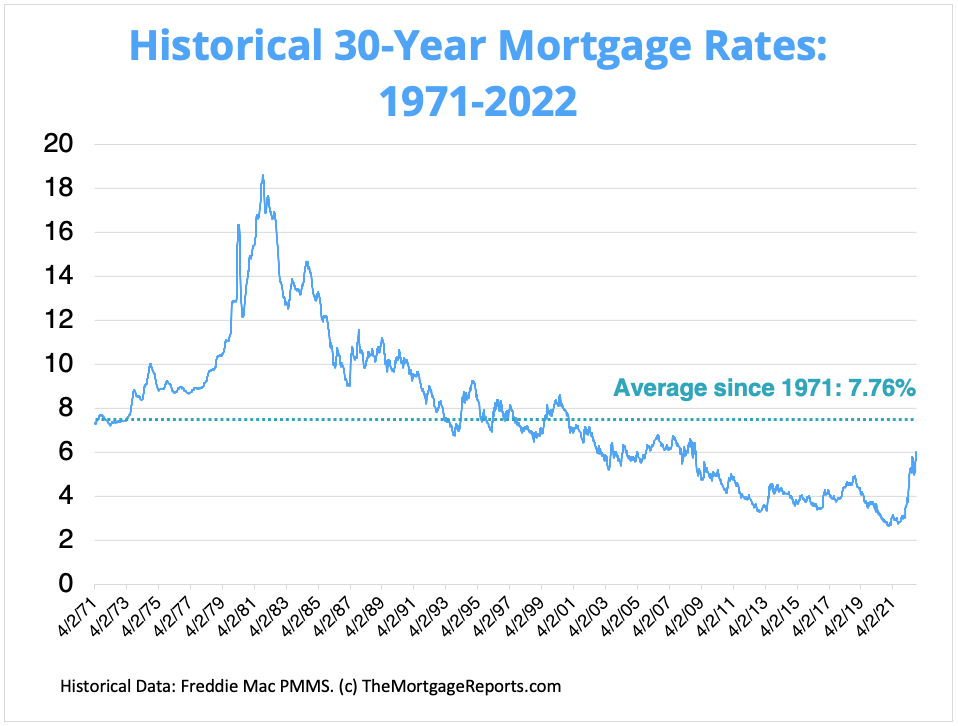
Given the inherent volatility of mortgage rates, the best strategy for homebuyers and homeowners alike is to be prepared for fluctuations. For those looking to buy, understanding the current rate environment means having your finances in order, getting pre-approved, and being ready to act when a favorable rate appears. For existing homeowners considering refinancing, continuous monitoring of rates and assessing your personal break-even point is key. It’s prudent to factor in potential rate changes into your financial planning, avoiding over-leveraging yourself in anticipation of ever-decreasing rates. Diversifying your savings and investment portfolio can also provide a cushion against unexpected increases in housing costs, ensuring long-term financial resilience regardless of market shifts.
In conclusion, while the question “what is the current interest rate for a 30-year mortgage?” demands a real-time answer, the ability to truly leverage that information lies in understanding the forces behind the number. From global economic indicators and central bank policies to your personal credit profile and strategic lender shopping, numerous factors converge to determine the rate you ultimately secure. By staying informed, optimizing your financial health, and employing smart comparison strategies, you can navigate the dynamic mortgage market with confidence, ensuring you make the most financially sound decision for your homeownership journey. Always consult with a qualified mortgage professional for the most current rates tailored to your specific situation.
aViewFromTheCave is a participant in the Amazon Services LLC Associates Program, an affiliate advertising program designed to provide a means for sites to earn advertising fees by advertising and linking to Amazon.com. Amazon, the Amazon logo, AmazonSupply, and the AmazonSupply logo are trademarks of Amazon.com, Inc. or its affiliates. As an Amazon Associate we earn affiliate commissions from qualifying purchases.