
Navigating the world of mortgage interest rates can feel like deciphering a complex financial code, yet understanding them is paramount for anyone looking to purchase a home or refinance an existing one. Mortgage interest rates directly influence the affordability of your home, the size of your monthly payments, and ultimately, the total cost of your loan over its lifetime. Far from being a static figure, these rates are in constant flux, shaped by a myriad of economic forces, central bank policies, and individual borrower profiles.
For prospective homebuyers and current homeowners alike, staying informed about the current landscape of mortgage rates is not merely a good idea—it’s a financial imperative. This guide aims to demystify mortgage interest rates, shedding light on what influences them, the different types available, and actionable strategies to secure the most favorable terms for your financial future.
Understanding the Current Mortgage Landscape
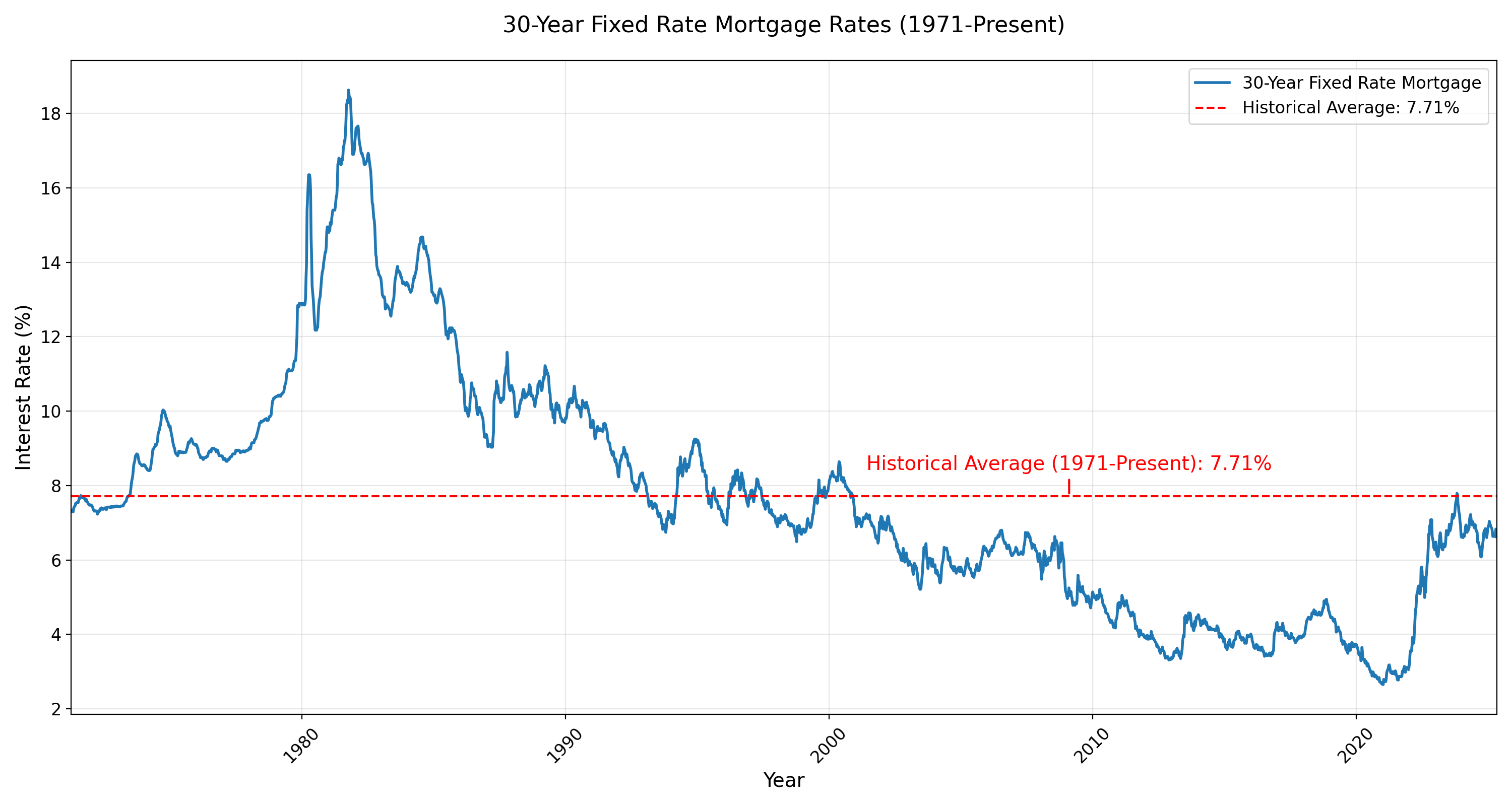
The phrase “what are interest rates today” implies a snapshot, but the reality is that mortgage rates are a dynamic, ever-changing figure. What you see as an average rate on a given day is influenced by global and national economic trends that fluctuate minute by minute. Grasping this fluidity is the first step toward making informed decisions about your mortgage.
The Dynamics of Today’s Rates
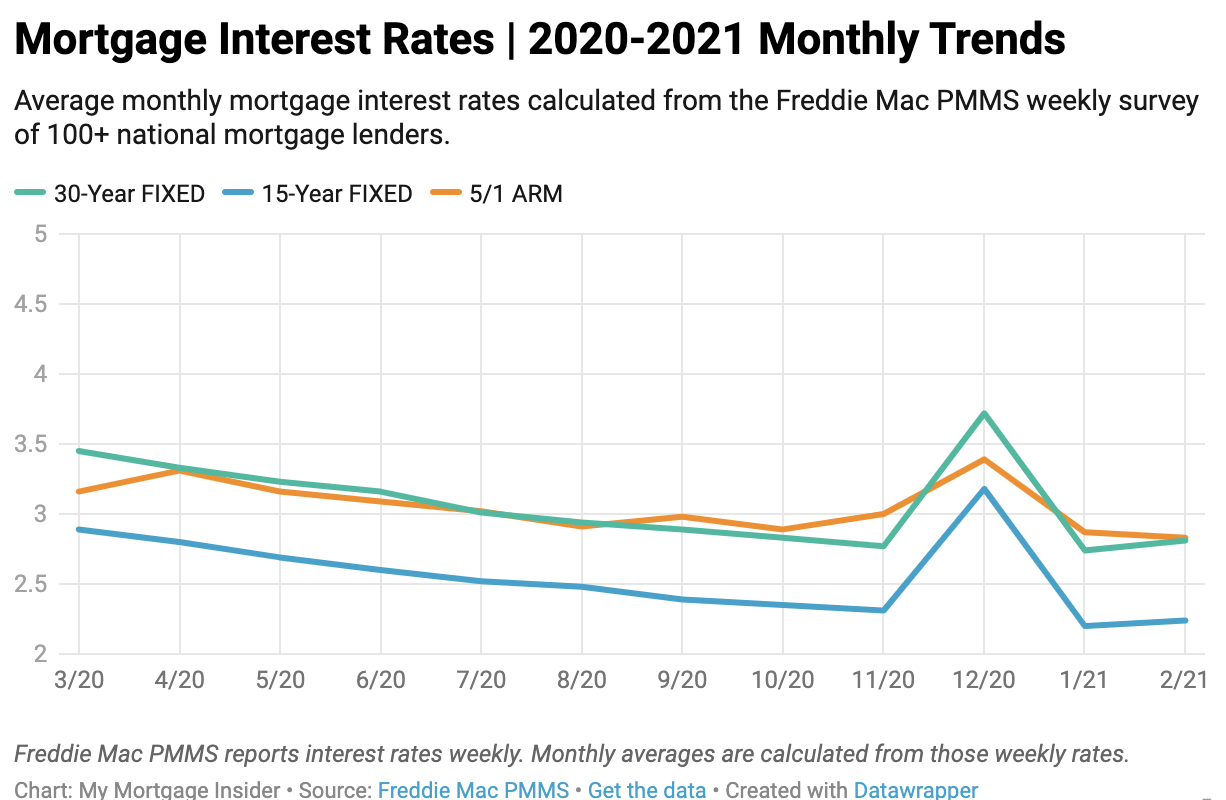
When searching for “today’s mortgage rates,” you’ll typically encounter averages for various loan types (e.g., 30-year fixed, 15-year fixed, 5/1 ARM). These averages are compiled from a multitude of lenders and provide a general benchmark. However, the specific rate you qualify for will likely differ, depending on a host of personal financial factors and the specific lender you choose. Online financial news outlets, mortgage aggregators, and individual lender websites are excellent resources for checking prevailing rates. It’s crucial to remember that these published rates often assume an ideal borrower profile—excellent credit, a substantial down payment, and a low debt-to-income ratio. Your actual quoted rate will be a personalized calculation based on your unique financial situation.
Why Mortgage Rates Matter
The interest rate on your mortgage is arguably the most critical component of your loan agreement, second only to the principal amount borrowed. Even a seemingly small difference in percentage points can translate into tens of thousands of dollars, or even hundreds of thousands, over the life of a 15-year or 30-year mortgage. For instance, on a $300,000, 30-year fixed-rate mortgage, a rate of 7.0% compared to 6.5% could mean an additional $100-$200 per month in payments, totaling over $36,000-$72,000 more in interest paid over the loan term. This illustrates the profound impact of rates on your monthly budget, your overall financial liquidity, and your long-term wealth accumulation. A lower interest rate reduces your monthly housing expenses, freeing up capital for other investments, savings, or discretionary spending. It also accelerates the rate at which you build equity in your home, as more of your payment goes towards the principal rather than interest.
Key Factors Influencing Mortgage Interest Rates
Mortgage rates do not exist in a vacuum; they are a direct reflection of broader economic conditions and specific borrower qualifications. Understanding these underlying drivers provides valuable context and can help you anticipate future movements.
Economic Indicators and Federal Reserve Policy
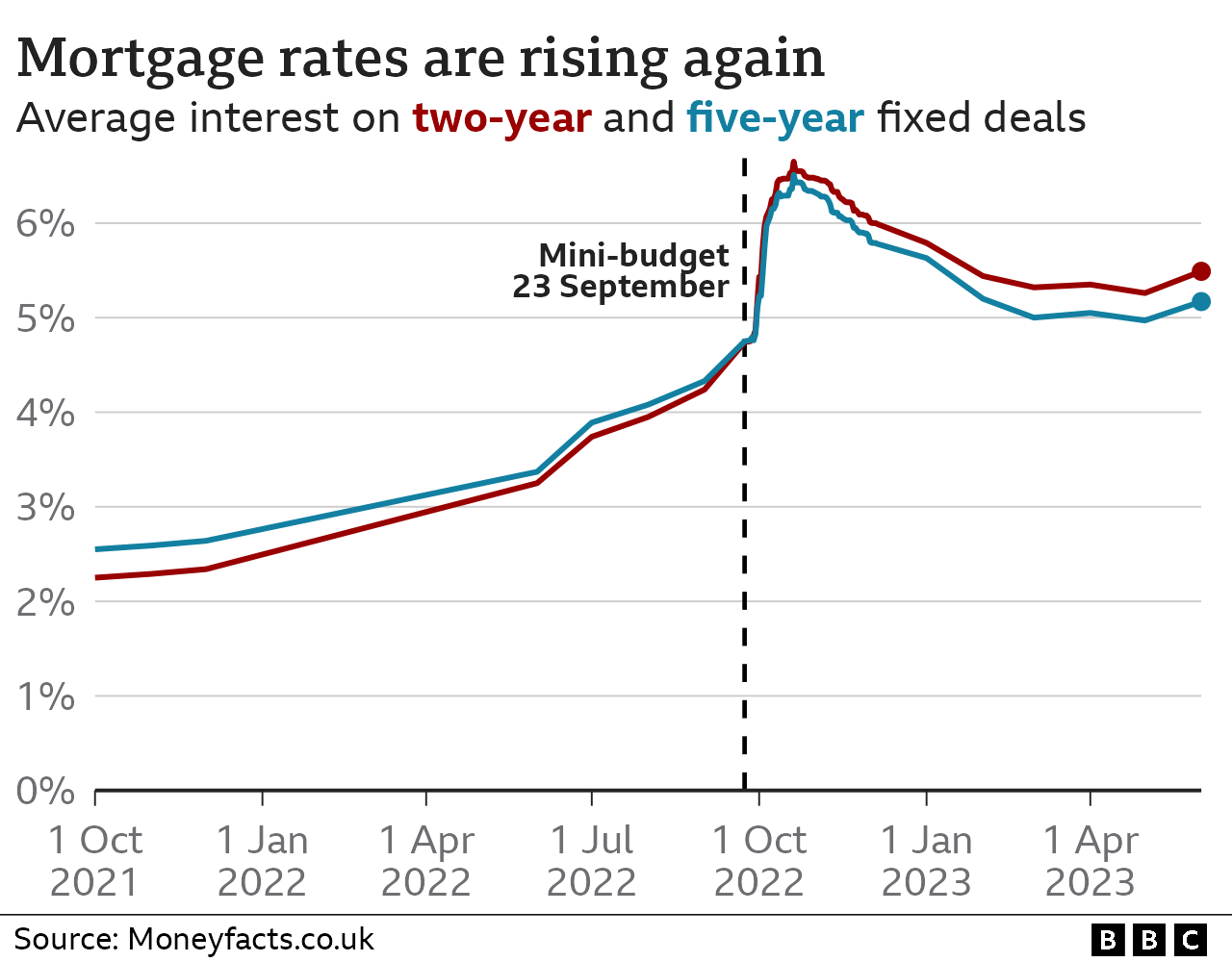
The health of the national and global economy is a primary determinant of mortgage rates. Key economic indicators such as inflation, employment rates, and GDP growth all play a significant role. When inflation is high, lenders demand higher interest rates to compensate for the reduced purchasing power of future repayments. Conversely, a strong economy with low unemployment might lead to increased demand for housing, potentially pushing rates up. The Federal Reserve’s monetary policy is another colossal influencer. While the Fed does not directly set mortgage rates, its decisions on the federal funds rate—the target rate for overnight borrowing between banks—indirectly affect all other interest rates, including mortgages. When the Fed raises its target rate to combat inflation, it typically leads to higher mortgage rates.
The Role of the Bond Market
Perhaps the most direct and immediate influence on fixed-rate mortgages comes from the bond market, specifically the yield on the 10-year Treasury bond. Mortgage-backed securities (MBS), which are bundles of mortgages sold to investors, compete with Treasury bonds for investment dollars. When the yield on the 10-year Treasury rises, it makes Treasuries more attractive to investors, causing MBS to offer higher yields (and thus higher mortgage rates) to remain competitive. Changes in investor sentiment, geopolitical events, and even daily trading volumes can cause bond yields—and by extension, mortgage rates—to fluctuate throughout the day.
Lender-Specific and Borrower-Specific Variables
Beyond the macroeconomic factors, your individual financial profile and the lender’s policies significantly impact the rate you receive. Your credit score is paramount; a higher score (typically 740+) indicates less risk to lenders and generally qualifies you for the best rates. Your debt-to-income (DTI) ratio, which compares your monthly debt payments to your gross monthly income, is another critical factor. A lower DTI suggests you can comfortably manage your mortgage payments. The size of your down payment also matters; a larger down payment reduces the loan amount and the lender’s risk, often resulting in a lower interest rate. Finally, the type of loan you choose (e.g., fixed-rate vs. adjustable-rate, conventional vs. FHA) and the specific lender’s risk assessment and pricing strategy will also tailor your final rate.
Navigating Different Mortgage Products and Their Rates
The mortgage market offers a variety of loan products, each with distinct features and rate structures designed to meet different borrower needs and risk tolerances. Understanding these options is crucial for selecting the mortgage that aligns best with your financial goals.
Fixed-Rate Mortgages: Stability in an Uncertain Market
A fixed-rate mortgage is the most common and often preferred option, primarily because its interest rate remains constant for the entire life of the loan. This provides homeowners with predictable monthly principal and interest payments, making budgeting straightforward and offering protection against rising interest rates. Common terms are 30-year and 15-year fixed mortgages, though 20-year options also exist. The 30-year fixed offers lower monthly payments but accrues more interest over time, while the 15-year fixed has higher monthly payments but significantly less total interest paid and faster equity build-up. While fixed rates offer stability, they typically come with a slightly higher initial rate than adjustable-rate mortgages, especially in periods where short-term rates are lower than long-term rates.
Adjustable-Rate Mortgages (ARMs): Balancing Initial Savings with Future Risk
Adjustable-Rate Mortgages, or ARMs, offer an interest rate that changes periodically after an initial fixed-rate period. For example, a 5/1 ARM has a fixed rate for the first five years, after which the rate adjusts annually based on a pre-selected index (like the Secured Overnight Financing Rate – SOFR) plus a margin. ARMs often start with a lower interest rate than fixed-rate mortgages, which can translate to lower initial monthly payments. This can be appealing for borrowers who plan to sell or refinance before the fixed-rate period ends, or those who anticipate a significant increase in their income. However, ARMs carry the risk that your interest rate and monthly payments could increase substantially during adjustment periods, especially in a rising rate environment. ARMs typically have caps that limit how much the interest rate can change in an adjustment period and over the life of the loan, offering some protection.
Government-Backed Loans: FHA, VA, and USDA Options
For certain borrowers, government-backed loans offer distinct advantages, including potentially lower down payments and more flexible qualification criteria.
- FHA Loans: Insured by the Federal Housing Administration, these loans are popular for first-time homebuyers or those with lower credit scores. They require a minimum down payment as low as 3.5% and have less stringent credit requirements. However, FHA loans mandate mortgage insurance premiums (MIP), both upfront and annual, which adds to the overall cost.
- VA Loans: Guaranteed by the U.S. Department of Veterans Affairs, these loans are available to eligible service members, veterans, and surviving spouses. VA loans are renowned for requiring no down payment and no private mortgage insurance (PMI), making them incredibly attractive. They typically offer competitive interest rates.
- USDA Loans: Backed by the U.S. Department of Agriculture, these loans are designed to help low- and moderate-income individuals purchase homes in eligible rural areas. They also offer no down payment options and competitive rates, but are subject to strict income and property location restrictions.
Conventional Loans: Flexibility for Qualified Borrowers
Conventional loans are not insured or guaranteed by the government. They are often the preferred choice for borrowers with strong credit scores and substantial down payments. These loans offer more flexibility in terms of loan amounts and property types. While they typically require a minimum 3% to 5% down payment, putting down less than 20% usually necessitates private mortgage insurance (PMI), which protects the lender in case you default. Unlike FHA’s MIP, PMI on conventional loans can often be cancelled once you reach 20% equity in your home, or automatically once you reach 22% equity based on the original amortization schedule. Conventional loans come in conforming (meeting Fannie Mae and Freddie Mac guidelines) and non-conforming (jumbo loans for amounts exceeding conforming limits) varieties.
Strategies for Securing the Best Mortgage Rate
While economic forces are largely beyond your control, there are several proactive steps you can take to position yourself for the most favorable mortgage interest rates.
Optimizing Your Financial Profile
Your financial health is paramount. Begin by reviewing and improving your credit score. Pay bills on time, reduce revolving debt, and avoid opening new credit accounts just before applying for a mortgage. Lenders typically look for scores above 740 for the best rates, but even improving a score from, say, 680 to 700 can make a meaningful difference. Simultaneously, work on reducing your overall debt, especially high-interest consumer debt, to lower your debt-to-income ratio. This signals to lenders that you have ample capacity to manage mortgage payments. Also, aim for a substantial down payment; while 20% or more is ideal to avoid PMI on conventional loans and typically secures better rates, even a slightly larger down payment than the minimum required can influence your rate.
The Power of Comparison Shopping
This is perhaps the most straightforward yet often overlooked strategy. Do not settle for the first quote you receive. Interest rates and fees can vary significantly between different lenders, even on the same day for the same borrower. Obtain quotes from at least three to five different lenders, including large national banks, local credit unions, and online mortgage brokers. Be transparent with each lender that you are shopping around. Many lenders offer a “rate match” if you present a better offer from a competitor. Online mortgage comparison websites can also be a good starting point, but always follow up directly with lenders to get personalized, firm quotes.
Understanding Rate Locks and Closing Costs
Once you receive a desirable rate, ask your lender about “locking” it in. A rate lock guarantees that your interest rate won’t change between the time you apply and the time you close, typically for a period of 30 to 60 days. This protects you from market fluctuations during the underwriting process. Be aware of any fees associated with rate locks, especially for extended periods. Furthermore, pay close attention to closing costs. These are fees charged by lenders and third parties for services related to the loan and property transaction. While focusing on the interest rate is crucial, a slightly lower rate might be negated by excessively high closing costs. Some lenders allow you to “buy down” your interest rate by paying “points” (one point equals 1% of the loan amount) upfront at closing. Evaluate if the cost of buying down the rate is offset by the long-term savings in interest.
Working with Mortgage Professionals
Engaging with an experienced mortgage professional—whether a loan officer directly from a bank or a mortgage broker—can provide invaluable guidance. A loan officer represents a single institution and can guide you through their specific products. A mortgage broker, on the other hand, works with multiple lenders and can shop around on your behalf to find the best rates and terms across a wider spectrum of options. They can help you navigate complex paperwork, understand the nuances of different loan products, and structure your application to present your financial profile in the most favorable light. Their expertise can save you time, stress, and potentially a significant amount of money over the life of your loan.
The Long-Term Impact of Mortgage Rates on Homeownership
The interest rate you secure today has ripple effects that extend far beyond your initial closing date, influencing your long-term financial health and opportunities within the housing market.
Affordability and Monthly Payment Calculations
The most immediate and tangible impact of your mortgage interest rate is on your monthly payment. A lower rate means a smaller portion of your payment goes to interest, leaving more to reduce your principal balance. This enhances affordability, making homeownership more accessible and sustainable. Over the life of a loan, even small rate differences compound dramatically. For instance, on a $400,000 30-year mortgage:
- At 6.0% interest, the monthly P&I payment is ~$2,398, and total interest paid is ~$463,331.
- At 6.5% interest, the monthly P&I payment is ~$2,528, and total interest paid is ~$509,923.
This seemingly small 0.5% difference results in over $130 higher monthly payments and an extra $46,592 in interest over 30 years.
Building Equity and Refinancing Opportunities
A lower interest rate accelerates the rate at which you build equity in your home, as more of each payment chips away at the principal. This increased equity is a crucial component of personal wealth and financial stability. Furthermore, understanding interest rates opens doors to future refinancing opportunities. If market rates drop significantly after you’ve secured your initial mortgage, you might be able to refinance into a lower rate, thereby reducing your monthly payments, saving substantially on total interest, or even shortening your loan term. Conversely, if you have an Adjustable-Rate Mortgage (ARM) and foresee rates rising, you might consider refinancing into a fixed-rate mortgage to lock in stability. Strategic refinancing can be a powerful tool for optimizing your financial position, but it requires careful analysis of closing costs versus potential savings.
Making Informed Decisions for Financial Wellness
Ultimately, comprehending “what are interest rates today on mortgages” empowers you to make informed decisions that align with your broader financial wellness goals. It’s not just about securing a loan; it’s about making a sound investment in your future. By understanding the factors that move rates, the different loan products available, and the strategies to optimize your financial profile, you transform from a passive borrower into an active participant in your homeownership journey. This knowledge allows you to capitalize on favorable market conditions, mitigate risks when rates are less appealing, and consistently work towards building lasting wealth through your most significant asset.
In conclusion, current mortgage interest rates are a critical barometer of the housing market and a direct determinant of individual financial commitments. While the day-to-day fluctuations can be daunting, a clear understanding of the underlying economic drivers, the various mortgage products, and proactive personal finance strategies will equip you to navigate this complex landscape effectively. Always consult with a qualified financial advisor or mortgage professional to receive personalized advice tailored to your specific circumstances and financial objectives.
aViewFromTheCave is a participant in the Amazon Services LLC Associates Program, an affiliate advertising program designed to provide a means for sites to earn advertising fees by advertising and linking to Amazon.com. Amazon, the Amazon logo, AmazonSupply, and the AmazonSupply logo are trademarks of Amazon.com, Inc. or its affiliates. As an Amazon Associate we earn affiliate commissions from qualifying purchases.