
To ask “what is the Apple Company?” is to delve into the very fabric of modern branding. More than just a technology giant, Apple Inc. stands as a towering testament to the power of corporate identity, meticulous design, and aspirational marketing. It is a brand that transcends mere products, embodying a philosophy of elegance, innovation, and seamless user experience that has captivated billions worldwide. From its humble beginnings in a garage to its current status as a global titan, Apple has meticulously crafted an identity that is instantly recognizable, deeply resonant, and fiercely loyal. It’s not just about the gadgets; it’s about the culture, the design ethos, and the promise of a premium, intuitive experience that has defined “what Apple is” for generations of consumers and professionals alike.
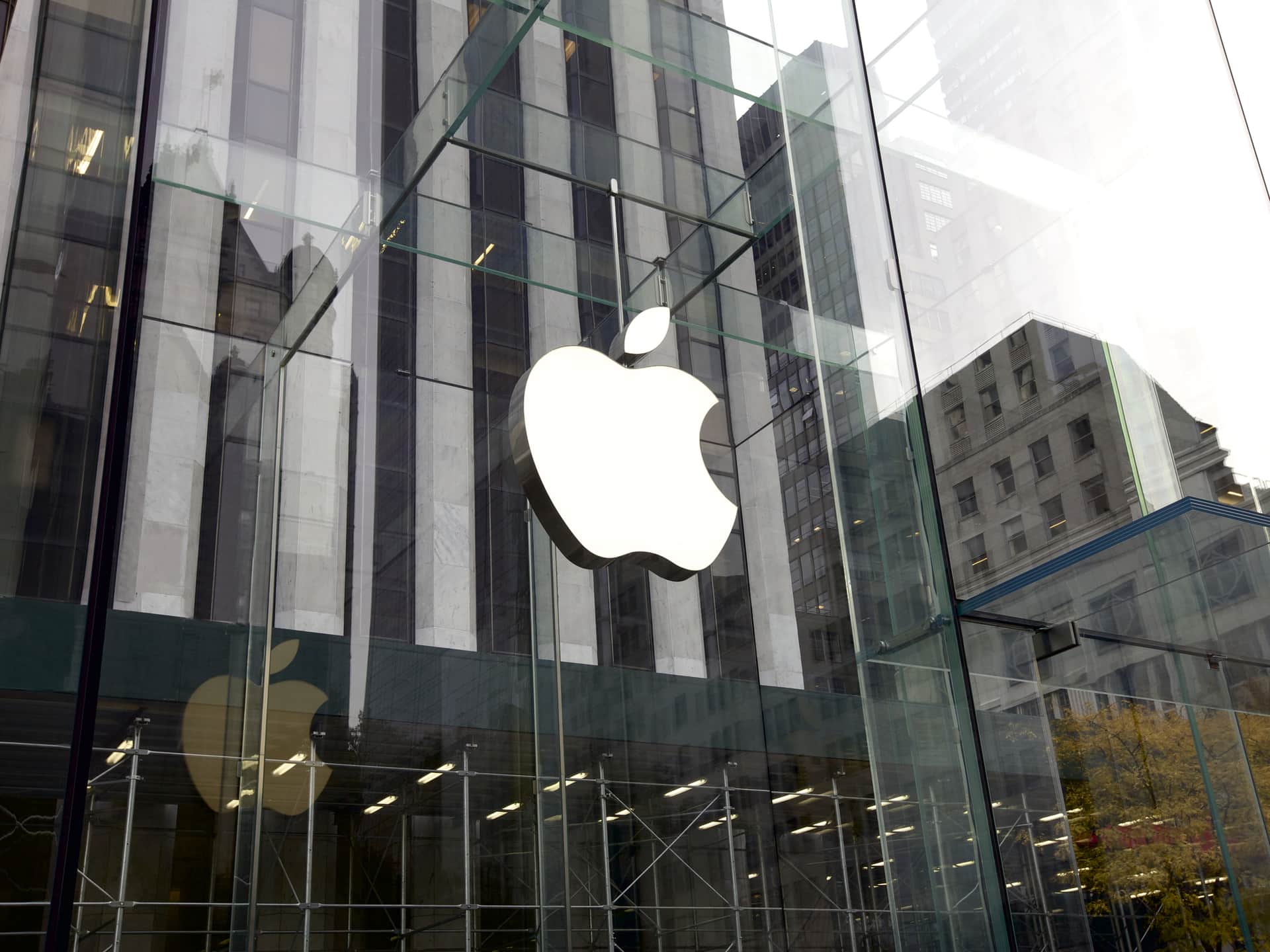
The Genesis of an Icon: Crafting Apple’s Foundational Brand Identity
The story of Apple’s brand begins not with a product, but with a vision. In the mid-1970s, Steve Jobs, Steve Wozniak, and Ronald Wayne set out to demystify computing, to make it personal and accessible. This underlying philosophy — to empower individuals through technology — became the bedrock upon which Apple’s enduring brand identity was built. It was a radical departure from the prevailing notion of computers as complex, industrial machines, laying the groundwork for a brand that would champion the user above all else.
The Visionaries: Jobs, Wozniak, and the Pursuit of Perfection
The contrasting yet complementary personalities of Steve Jobs and Steve Wozniak were crucial in forging Apple’s early brand. Wozniak, the engineering genius, focused on making technology powerful and accessible, embodying the spirit of innovation. Jobs, the visionary and marketing savant, was obsessed with user experience, aesthetic design, and the narrative surrounding the product. His relentless pursuit of perfection, often bordering on obsession, ensured that every Apple product was not just functional but also a work of art, packaged and presented with an almost reverential quality. This dual focus on unparalleled engineering and meticulous design became a core tenet of the Apple brand. Ronald Wayne’s brief but important early contribution, including the first company logo featuring Isaac Newton, hinted at the brand’s intellectual aspirations, though it was quickly replaced by the iconic bitten apple, a symbol of knowledge, temptation, and approachability.
Early Design Philosophy: Simplicity as a Cornerstone
From the Apple II onwards, a nascent design philosophy began to take shape: simplicity. While early computers were often intimidating arrays of wires and components, Apple strove for clean lines, intuitive interfaces, and user-friendly designs. This commitment to reducing complexity, making technology less daunting and more inviting, was a revolutionary concept in the nascent personal computing industry. It wasn’t just about functionality; it was about how that functionality was perceived and interacted with. The visual aesthetics and ease of use were paramount, establishing a brand promise that would later become a hallmark: technology that just works, elegantly. This early emphasis on design over purely technical specifications started to differentiate Apple in a crowded and rapidly evolving market, laying the groundwork for its future as a design-led brand.
The Macintosh Era: Redefining Human-Computer Interaction
The launch of the Macintosh in 1984, heralded by its iconic Super Bowl commercial, was a pivotal moment in Apple’s brand history. It wasn’t just a new computer; it was a manifesto. With its graphical user interface (GUI) and mouse, the Macintosh completely redefined human-computer interaction, making it intuitive and visual rather than command-line driven. This commitment to user-friendliness, to putting powerful tools into the hands of ordinary people, was brilliantly communicated through its marketing. The “1984” ad itself wasn’t about features; it was about liberation, individuality, and challenging the status quo – values that became intrinsically linked with the Apple brand. The Macintosh proved that design could be a competitive advantage, establishing Apple as a brand synonymous with innovation, rebellion, and a superior user experience, fundamentally shaping perceptions of what a computer could be and, by extension, what Apple stood for.
Pillars of the Apple Brand: Design, Innovation, and Experience
Apple’s brand strength is not accidental; it is the deliberate result of an unwavering commitment to a set of core principles that permeate every aspect of its operation. These pillars—industrial design, seamless ecosystems, and masterful marketing—are not merely components but fundamental forces that define what the Apple Company is in the minds of its global audience. They represent a holistic approach to branding that goes far beyond product features, creating an emotional connection that few other companies can rival.
Industrial Design as a Differentiator
Perhaps no other company elevates industrial design to the same pedestal as Apple. Under the long-standing guidance of figures like Jony Ive, Apple transformed products from utilitarian objects into desirable, almost sculptural artifacts. The unibody construction of laptops, the minimalist aesthetic of the iPhone, the precision engineering of the Apple Watch – these are not just design choices; they are brand statements. The emphasis on premium materials, meticulous finish, and a consistent visual language across its entire product line conveys a sense of quality, sophistication, and attention to detail that is core to Apple’s identity. This commitment to design differentiation ensures that an Apple product is not just functional but also an extension of personal style, a status symbol, and an object of desire, contributing profoundly to its premium brand positioning. The sleek, understated elegance became instantly recognizable, creating a distinct visual vocabulary for the brand.
The Power of Seamless Ecosystems
A critical, often understated, aspect of Apple’s brand power lies in its meticulously engineered ecosystem. From macOS to iOS, watchOS, and tvOS, Apple products are designed to work together seamlessly, creating a cohesive and intuitive user experience. iCloud synchronizes data across devices; AirDrop simplifies file sharing; Handoff allows users to start a task on one device and finish it on another; and the App Store provides a unified platform for software. This interconnectedness fosters loyalty by making it increasingly convenient and rewarding to remain within the Apple universe. The brand promise isn’t just about a single device’s performance but about the fluid, integrated experience derived from owning multiple Apple products. This ecosystem approach transforms individual product purchases into an investment in a lifestyle, cementing user retention and deepening brand affinity, making the whole greater than the sum of its parts.
Marketing Mastery: Storytelling and Emotional Connection

Apple’s marketing is legendary, not just for its cleverness but for its ability to forge deep emotional connections. From the “Think Different” campaign that celebrated individuality and creativity to the product unveilings that generate global anticipation, Apple consistently tells compelling stories that resonate with universal aspirations. Their advertisements rarely focus solely on technical specifications; instead, they highlight how Apple products enhance lives, foster creativity, or connect people. They sell empowerment, convenience, and belonging. This masterful storytelling creates a perception of Apple as more than just a purveyor of electronics; it’s a facilitator of human potential and an enabler of modern life. The consistent messaging, the aspirational imagery, and the artful cultivation of mystique around its new releases contribute to a brand perception that is less about features and more about lifestyle, status, and self-expression, driving unparalleled brand loyalty.
Apple’s Brand Resilience and Evolution
No brand can remain static, and Apple’s journey has been marked by periods of both triumph and tribulation. Its enduring success, however, is a testament to its remarkable brand resilience and its ability to continually evolve while staying true to its core identity. From near bankruptcy to global dominance, Apple’s brand has adapted, innovated, and expanded its reach, consistently redefining what it means to be a technology and lifestyle company. This adaptability, combined with a steadfast commitment to its foundational principles, has allowed Apple to navigate market shifts and maintain its coveted position.
Navigating Challenges: The Return of Jobs and the iMac Revival
The mid-1990s saw Apple facing an existential crisis. Its brand, once synonymous with innovation, had become diluted and unfocused, plagued by a confusing product lineup and dwindling market share. The return of Steve Jobs in 1997 marked a dramatic turning point. Jobs immediately set about streamlining the product offerings, cutting extraneous projects, and re-instilling the brand’s core values of simplicity, design, and user experience. The “Think Different” campaign was a powerful recommitment to its rebellious, creative roots, reminding the world what Apple truly stood for. This period culminated in the launch of the original iMac in 1998, a vibrant, all-in-one computer that broke from the beige monotony of the PC world. Its translucent, candy-colored design wasn’t just aesthetically pleasing; it was a bold statement that Apple was back, with a renewed focus on design and user appeal. The iMac didn’t just save Apple financially; it reinvigorated its brand, proving that focused vision and uncompromising design could resurrect a flagging corporate identity.
The Mobile Revolution: iPhone, iPad, and the Global Dominance
The early 21st century brought about Apple’s most transformative brand expansion. With the introduction of the iPod, the company demonstrated its ability to disrupt established industries and redefine product categories. However, it was the iPhone in 2007 that truly cemented Apple’s place as a global cultural and technological phenomenon. The iPhone wasn’t just a smartphone; it was a revolution in mobile computing, an aspirational device that combined elegant design, intuitive software, and a powerful ecosystem. Its success was followed by the iPad, which created the tablet category, and then the App Store, which transformed software distribution and fostered a vibrant developer community. These products redefined entire industries and cemented Apple’s brand as the ultimate arbiter of mobile innovation, design excellence, and seamless user experience, catapulting it to unprecedented levels of brand recognition and loyalty worldwide.
Expanding Horizons: Services, Wearables, and the New Frontier
Under the leadership of Tim Cook, Apple’s brand has continued to evolve and diversify beyond its traditional hardware base. Recognizing the potential for recurring revenue and deeper integration into users’ lives, Apple has significantly expanded its services division, offering platforms like Apple Music, Apple TV+, Apple Arcade, and iCloud. These services enhance the ecosystem, providing added value and further strengthening customer loyalty. Simultaneously, Apple has ventured into the wearables market with the highly successful Apple Watch and AirPods, creating new product categories that seamlessly integrate into the Apple experience. These moves demonstrate Apple’s brand agility—its ability to innovate in new domains while maintaining its core brand promise of premium design, intuitive functionality, and privacy. This expansion ensures that the Apple brand remains relevant and continues to grow, adapting to new consumer needs and technological trends without diluting its distinct identity.
The Enduring Legacy: Why Apple’s Brand Continues to Resonate
Ultimately, what is the Apple Company? It is a masterclass in brand building, a living case study of how unwavering commitment to a core philosophy, executed with meticulous precision across design, marketing, and user experience, can create a global powerhouse. Its legacy is not just in its products, but in the indelible mark it has left on consumer expectations, corporate strategy, and popular culture itself. Apple continues to set the benchmark for aspiration, innovation, and brand loyalty, serving as a blueprint for companies striving to build more than just a business, but a genuine cultural phenomenon.
Cultivating Unwavering Loyalty
The level of customer loyalty enjoyed by Apple is unparalleled in the technology sector. This isn’t just about repeat purchases; it’s about evangelism. Apple has fostered a community of users who not only love their products but actively advocate for the brand. This loyalty is cultivated through consistent delivery on its brand promise: high-quality products, intuitive software, excellent customer service, and a sense of belonging to an exclusive, design-conscious community. The “Apple experience” extends beyond the initial purchase, encompassing software updates, seamless device integration, and accessible support. This holistic approach ensures that once a customer enters the Apple ecosystem, they are likely to remain, transforming brand preference into lifelong allegiance and creating a powerful network effect that further strengthens the brand’s position.
Cultural Impact and Aspiration
Apple’s brand transcends its commercial success to wield significant cultural impact. Its products are not merely tools; they are cultural touchstones, symbols of innovation, creativity, and modern aspiration. The iPhone, in particular, has become an ubiquitous icon, defining an era of mobile computing and influencing countless aspects of daily life, from communication to content creation. Owning an Apple product often signifies a certain lifestyle, a commitment to quality, and an appreciation for thoughtful design. The brand has achieved a rare status where it actively shapes trends rather than merely following them. This aspirational quality, rooted in its consistent portrayal of innovation and elegance, ensures that Apple remains relevant and desirable, continually attracting new generations of consumers who seek to align themselves with its potent brand identity.
The Blueprint for Modern Branding
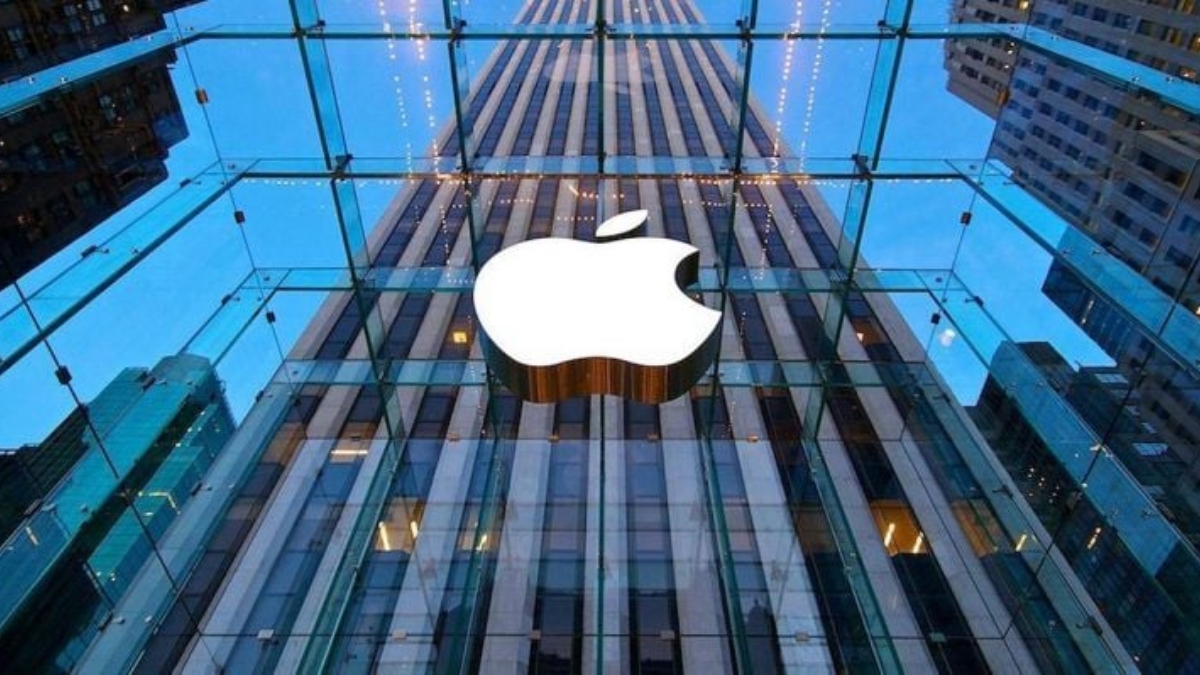
In many ways, Apple has written the modern playbook for branding. Its emphasis on design-led product development, its strategic use of scarcity and anticipation, its direct-to-consumer retail model, and its relentless focus on creating an integrated user experience have all been emulated, though rarely replicated with the same success. Apple demonstrated that a brand could be built on emotion and aspiration as much as, if not more than, specifications and price. It proved that a clear, consistent corporate identity, communicated effectively through every touchpoint, from packaging to advertising to store design, can forge an unbreakable bond with consumers. The Apple Company is, therefore, not just a manufacturer; it is a global branding phenomenon, a master orchestrator of desire and distinction that continues to redefine the very meaning of a brand in the 21st century.
aViewFromTheCave is a participant in the Amazon Services LLC Associates Program, an affiliate advertising program designed to provide a means for sites to earn advertising fees by advertising and linking to Amazon.com. Amazon, the Amazon logo, AmazonSupply, and the AmazonSupply logo are trademarks of Amazon.com, Inc. or its affiliates. As an Amazon Associate we earn affiliate commissions from qualifying purchases.