
American Eagle Outfitters (AEO), a prominent name in global apparel and accessories retail, employs a vast workforce across its corporate offices, distribution centers, and hundreds of retail stores worldwide, including its popular American Eagle and Aerie brands. For individuals considering a career with AEO, understanding the compensation structure is a critical first step. This comprehensive guide delves into the various facets of American Eagle Outfitters’ pay, exploring average salaries across different roles, the factors that influence earning potential, the benefits and perks that contribute to total compensation, and how AEO’s pay stacks up against the broader retail industry.
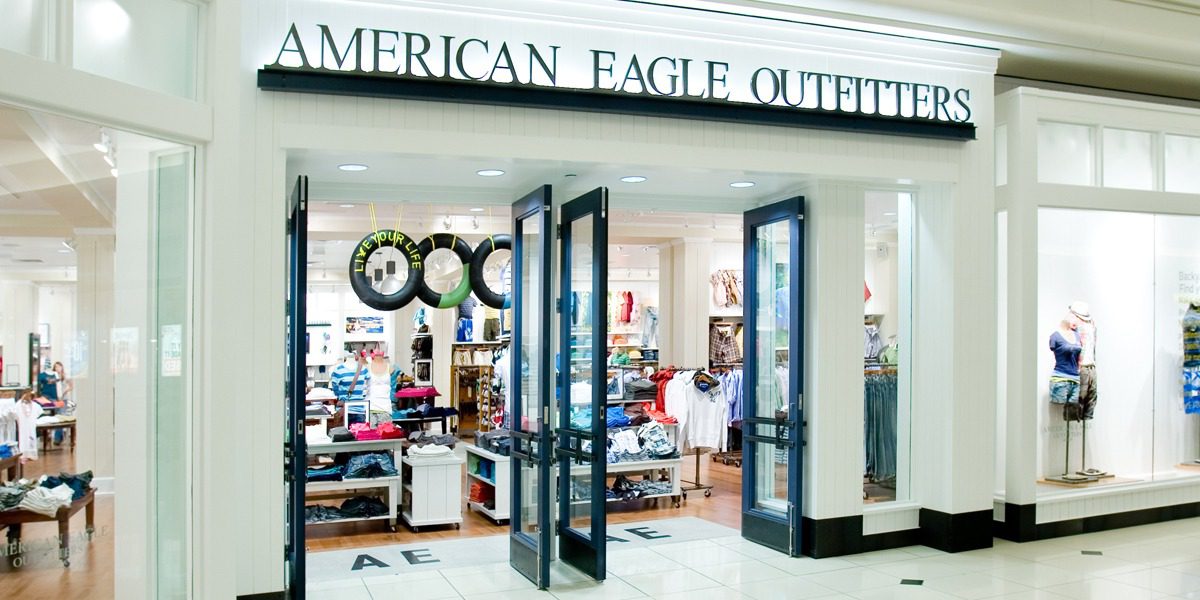
Navigating the job market requires more than just identifying appealing roles; it demands an insightful understanding of financial prospects. AEO, like many large retailers, operates with a tiered compensation system that reflects job responsibilities, required skills, and market demand. Whether you’re an aspiring sales associate looking for entry-level work, an experienced manager aiming for leadership, or a professional seeking corporate opportunities, the financial rewards can vary significantly. This article will provide a detailed overview, offering clarity and actionable insights for potential and current employees.
Understanding American Eagle Outfitters’ Compensation Structure
American Eagle Outfitters offers a diverse range of roles, each with its own compensation profile. From the bustling energy of the sales floor to the strategic operations of its corporate headquarters, AEO’s pay structure is designed to attract and retain talent across various functional areas.
Entry-Level Retail Positions: Sales Associates and Stock Handlers
For many, a career at American Eagle Outfitters begins at the store level. Entry-level roles such as Sales Associates, Brand Ambassadors, and Stock Handlers are the backbone of the retail operation, directly interacting with customers and maintaining store functionality. Compensation for these positions is typically hourly and can vary based on location and local minimum wage laws.
- Sales Associates/Brand Ambassadors: These roles are critical for customer engagement and sales. Pay generally ranges from $10 to $15 per hour, though competitive markets or states with higher minimum wages may see rates at the upper end or slightly above this range. Performance-based incentives or bonuses may occasionally supplement hourly wages, particularly during peak sales periods.
- Stock Handlers/Merchandise Processors: Responsible for receiving, organizing, and stocking merchandise, these roles also command an hourly wage, often in a similar bracket to sales associates, typically $10 to $14 per hour. Their work ensures the sales floor remains well-stocked and visually appealing.
- Seasonal Employees: During holiday seasons or back-to-school periods, AEO hires temporary staff. Their pay mirrors that of regular part-time employees for similar roles but with a defined employment term.
Leadership Roles in Retail: Assistant Managers and Store Managers
As employees gain experience and demonstrate leadership capabilities, opportunities for advancement into managerial roles become available. These positions come with increased responsibility and, consequently, higher compensation, often shifting from hourly wages to salaries for full-time roles.
- Assistant Store Manager: Assistant managers support the store manager in daily operations, staff supervision, and achieving sales targets. Their compensation typically ranges from $35,000 to $50,000 per year, depending on store volume, location, and the individual’s experience. They may also be eligible for performance bonuses.
- Store Manager: Store managers are responsible for the overall success of their location, including sales, operations, merchandising, and team development. This pivotal role commands a salary that can range from $50,000 to $80,000 per year, with significant potential for performance-based bonuses tied to store profitability and sales metrics. For high-volume or flagship stores, salaries can exceed this range.
Corporate Opportunities and Their Earning Potential
Beyond the retail stores, American Eagle Outfitters offers a vast array of corporate positions at its headquarters and regional offices. These roles span various departments, including design, merchandising, marketing, finance, human resources, supply chain, and technology. Compensation for corporate roles is generally salary-based and significantly higher than retail positions, reflecting specialized skills, education, and strategic impact.
- Entry-Level Corporate Roles (e.g., Junior Analysts, Coordinators): Salaries typically start from $45,000 to $65,000 per year.
- Mid-Level Corporate Roles (e.g., Managers, Senior Analysts): These positions can command salaries from $70,000 to $120,000 per year, varying widely based on the department and specific responsibilities.
- Senior Leadership and Executive Roles: For directors, VPs, and executive-level positions, compensation can range from $150,000 to well over $300,000 annually, often including substantial equity, long-term incentives, and significant bonus potential. The specifics are highly dependent on the role’s scope, impact, and the individual’s track record.
Factors Influencing American Eagle Outfitters’ Salaries
While the role itself is a primary determinant of pay, several other factors significantly influence an individual’s earning potential at American Eagle Outfitters. Understanding these variables can help prospective employees better assess their salary expectations and current employees strategize for career advancement and compensation growth.
Geographic Location and Cost of Living
The economic landscape of a region plays a crucial role in compensation. Salaries for similar positions can vary considerably based on the cost of living and the prevailing market rates in different geographical areas.
- Urban vs. Suburban/Rural: Employees in major metropolitan areas (e.g., New York City, Los Angeles, San Francisco) where the cost of living is high typically receive higher wages than those in less expensive suburban or rural locations. This adjustment helps maintain a comparable standard of living for employees.
- State Minimum Wage Laws: Beyond federal regulations, state and local minimum wage laws directly impact the baseline pay for hourly positions, with some states mandating significantly higher rates. AEO, like all employers, adheres to these local regulations, which can lead to pay differences across states.
Experience Level and Skill Set
An individual’s professional background and specific capabilities are highly valued, directly correlating with their compensation.
- Years of Experience: Seasoned professionals with a proven track record in retail or their respective corporate functions generally command higher salaries than those with less experience. Experience often translates to greater efficiency, problem-solving abilities, and leadership potential.
- Specialized Skills: For corporate roles, possessing specialized skills such as data analytics, digital marketing expertise, supply chain optimization, or specific software proficiencies can significantly boost earning potential. In retail, strong sales acumen, visual merchandising skills, or leadership experience can lead to faster advancement and better pay.
- Education: While not always mandatory for entry-level retail, a college degree or advanced qualifications are often preferred or required for corporate positions and can influence starting salaries and career trajectories.
Role Responsibilities and Department
The scope and complexity of a job, along with the strategic importance of the department, are fundamental in determining pay scales.
- Level of Responsibility: Roles with greater accountability, managerial duties, and strategic decision-making powers naturally come with higher compensation. A store manager’s pay, for instance, reflects their responsibility for an entire store’s performance, while a sales associate focuses on individual customer interactions.
- Departmental Contribution: Departments that are central to AEO’s core business functions and revenue generation (e.g., Merchandising, Design, Marketing, Finance) often offer competitive salaries to attract top talent. Roles within these departments often require specific industry knowledge and contribute directly to the company’s financial success.
Beyond the Paycheck: Benefits and Perks at AEO
Compensation at American Eagle Outfitters extends beyond just the base salary or hourly wage. A robust package of benefits and perks significantly enhances the total value of employment, contributing to employees’ overall well-being and financial security.
Health and Wellness Programs
AEO demonstrates a commitment to employee health through a comprehensive suite of benefits.
- Medical, Dental, and Vision Insurance: Full-time employees typically have access to competitive health plans, including medical, dental, and vision coverage, often with various options to suit individual or family needs.
- Wellness Initiatives: Many corporate environments, and sometimes even retail management roles, offer wellness programs, mental health resources, and employee assistance programs (EAPs) to support a healthy work-life balance.
Employee Discounts and Merchandise Allowances

One of the most immediate and appreciated perks for AEO employees is the generous discount on merchandise.
- Significant Employee Discount: Employees usually receive a substantial discount (e.g., 30-40% or more) on American Eagle and Aerie merchandise, making the brands more accessible and helping employees stay aligned with the company’s style.
- Seasonal Allowances: In some cases, employees might receive additional merchandise allowances or greater discounts during specific periods or for particular collections.
Career Development and Growth Opportunities
AEO invests in its employees’ professional growth, which can lead to increased earning potential over time.
- Training and Development Programs: The company offers various training programs, from sales techniques for retail associates to leadership development for managers, and specialized skill-building for corporate roles.
- Internal Mobility: AEO encourages internal promotion and provides pathways for employees to move into higher-level positions or transition between departments, fostering long-term career growth within the organization.
- Tuition Reimbursement: Some corporate roles or specific development paths might include tuition reimbursement programs, supporting employees in furthering their education.
Financial Wellness and Retirement Plans
AEO recognizes the importance of long-term financial security for its workforce.
- 401(k) Retirement Plan: Full-time employees often have access to a 401(k) plan, allowing them to save for retirement on a pre-tax basis. AEO may offer employer matching contributions, which significantly boosts retirement savings.
- Paid Time Off (PTO): Depending on the role and tenure, employees accrue paid time off, including vacation days, sick leave, and holidays, providing financial security even when not working.
- Life and Disability Insurance: To provide additional financial protection, many full-time employees are offered life insurance and short-term/long-term disability coverage.
Comparing AEO’s Compensation to the Retail Industry
Understanding American Eagle Outfitters’ pay requires benchmarking it against the broader retail industry. AEO operates in a highly competitive market for talent, constantly striving to offer compensation packages that attract and retain skilled individuals.
Competitive Landscape for Retail Associates
For entry-level retail positions, AEO’s hourly wages are generally competitive within the specialty apparel retail segment.
- On Par with Peers: AEO typically offers wages comparable to other large apparel retailers like Abercrombie & Fitch, Urban Outfitters, or GAP, often paying slightly above the national average for retail sales associates, especially in markets where AEO has strong sales performance or higher local minimum wages.
- Beyond Base Pay: The attractive employee discount and potential for sales incentives often make AEO a preferred employer for those seeking part-time or entry-level retail work, adding significant value beyond the hourly rate.
Managerial Pay: A Comparison
AEO’s compensation for retail management roles is also structured to be competitive with industry standards for similar store sizes and revenue volumes.
- Mid-to-High Range: Store and assistant managers at AEO generally fall within the mid-to-high range of salaries for retail managers in comparable fashion brands. Factors like store performance and the manager’s ability to drive sales can significantly influence bonuses, further enhancing total compensation.
- Focus on Leadership: AEO emphasizes leadership development, and the compensation reflects the critical role these managers play in operational efficiency, team morale, and achieving financial targets.
Corporate Salaries: A Strategic Overview
In the corporate realm, AEO competes not only with other fashion retailers but also with companies across various industries for specialized talent.
- Market-Rate Competitiveness: Corporate salaries at AEO are typically benchmarked against market rates for similar roles in consumer goods, retail, and sometimes even broader corporate sectors, especially for functions like technology, finance, and human resources.
- Total Rewards Philosophy: AEO often adopts a “total rewards” philosophy, where base salary is complemented by performance bonuses, equity (for senior roles), and a comprehensive benefits package, positioning it competitively against other major employers. The opportunity to work for a well-recognized and culturally relevant brand also adds non-monetary value.
Maximizing Your Earning Potential at American Eagle Outfitters
For those seeking to build a rewarding career at American Eagle Outfitters, understanding how to enhance your earning potential is key. This involves strategic planning, skill development, and effective self-advocacy.
Strategies for Salary Negotiation
Whether you’re a new applicant or an existing employee seeking advancement, negotiation can play a role in your compensation.
- Do Your Research: Before any negotiation, research industry benchmarks for similar roles, experience levels, and locations. Websites like Glassdoor, Indeed, and LinkedIn Salary can provide valuable insights.
- Highlight Your Value: Clearly articulate your skills, experience, and what unique value you bring to the role and the company. Provide concrete examples of achievements and contributions.
- Consider the Total Package: Remember that compensation is more than just base pay. Factor in benefits, bonuses, discounts, and growth opportunities when evaluating an offer.
- Be Prepared to Justify: If asking for a higher salary, be ready to logically explain why you deserve it, referencing market rates and your specific qualifications.
Advancing Within the Company
AEO offers various pathways for career progression, which directly impacts earning potential.
- Proactive Skill Development: Continuously seek opportunities to learn new skills, whether through company-provided training, external courses, or mentorship. Demonstrate initiative and a willingness to take on new responsibilities.
- Exceed Expectations: Consistently performing above expectations in your current role is the most reliable way to position yourself for promotions and pay raises. Document your achievements and contributions.
- Networking and Mentorship: Building relationships with colleagues and leaders across different departments can open doors to new opportunities and provide valuable guidance for career growth.
- Express Interest in Advancement: Communicate your career aspirations to your manager and HR, actively seeking out opportunities for promotions or transfers to higher-paying roles or departments.

Leveraging Skills and Performance for Higher Pay
Your performance and the skills you possess are tangible assets that can be leveraged for greater compensation.
- Performance Reviews: Use performance reviews as an opportunity to discuss your achievements, set goals for future growth, and articulate your expectations for compensation adjustments based on your contributions.
- Acquire In-Demand Skills: For corporate roles, staying abreast of industry trends and acquiring in-demand skills (e.g., advanced analytics, e-commerce strategy, digital product management) can make you more valuable and increase your market rate.
- Special Projects and Initiatives: Voluntarily taking on and successfully executing special projects or cross-functional initiatives can demonstrate leadership, initiative, and a broader skill set, making a strong case for higher compensation.
In conclusion, American Eagle Outfitters offers a diverse and competitive compensation landscape, from hourly retail positions to high-level corporate roles. While base pay varies significantly by role, location, and experience, AEO’s commitment to comprehensive benefits, career development, and a positive work environment collectively contributes to an attractive total compensation package. By understanding these dynamics and strategically positioning oneself for growth, employees can effectively maximize their earning potential within the company.
aViewFromTheCave is a participant in the Amazon Services LLC Associates Program, an affiliate advertising program designed to provide a means for sites to earn advertising fees by advertising and linking to Amazon.com. Amazon, the Amazon logo, AmazonSupply, and the AmazonSupply logo are trademarks of Amazon.com, Inc. or its affiliates. As an Amazon Associate we earn affiliate commissions from qualifying purchases.