
Traveling with a beloved canine companion can be an incredibly rewarding experience, deepening bonds and creating unforgettable memories. However, the decision to bring your dog on an airplane is not merely a logistical one; it carries a significant financial dimension that requires careful planning, meticulous budgeting, and a thorough understanding of the various costs involved. For the financially savvy pet owner, navigating the complexities of pet air travel means more than just booking a ticket; it means dissecting every potential expense, from regulatory compliance to unforeseen contingencies, to ensure a smooth journey without unwelcome financial surprises. This guide will delve into the monetary aspects of canine air travel, equipping you with the insights needed to budget effectively and make informed decisions.
Deconstructing the Direct Costs of Canine Air Travel
The most immediate and apparent expenses associated with flying with your dog are typically those imposed directly by airlines and essential service providers. Understanding these core costs is the first step in building a robust travel budget.
Airline Pet Fees: Cabin vs. Cargo Considerations
One of the largest variables in your pet travel budget will be the airline’s pet fee structure. These fees vary wildly between carriers, based on factors such as the airline, the destination, and crucially, whether your dog travels in the cabin or as checked baggage/cargo.
-
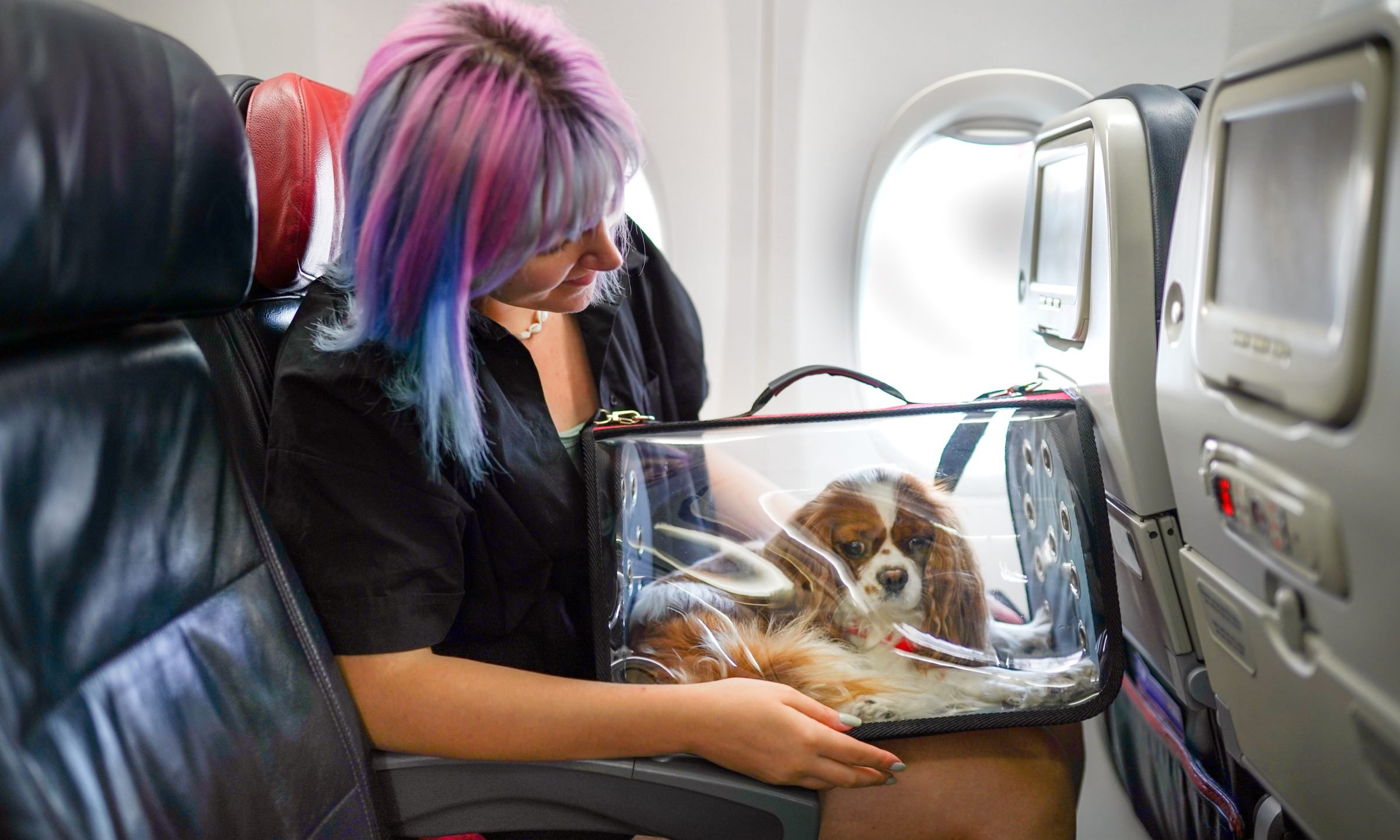
In-Cabin Travel (Carry-on Pet): For smaller dogs that can comfortably fit in an airline-approved carrier under the seat in front of you, in-cabin travel is often preferred by owners due to the reduced stress on the animal and the ability to keep them close. However, airlines impose strict weight and size restrictions for both the pet and the carrier. Fees for in-cabin pets typically range from $100 to $250 per one-way trip within North America, and can be higher for international flights. These fees are usually non-refundable and are charged in addition to your own ticket. It’s imperative to confirm the exact fee with your chosen airline well in advance, as well as their specific carrier dimensions and reservation process, which often require booking a pet spot separately after securing your own seat.
-
Checked Baggage/Cargo Travel: Larger dogs, or those exceeding in-cabin size limits, must travel in the climate-controlled cargo hold. This is generally a more expensive option, with fees often ranging from $200 to $1,000 or more, depending on the airline, the pet’s size and weight (including carrier), and the distance of travel. International cargo fees can escalate significantly, especially for exotic breeds or longer routes, and may involve additional handling charges or customs brokerage fees. Airlines often distinguish between “checked pets” (where the pet travels on the same flight as the owner) and “cargo” (where the pet may travel on a separate flight or through a dedicated cargo service). The latter often incurs higher costs due to specialized handling and potentially different tariffs. Owners must also factor in the cost of a sturdy, IATA-compliant travel crate, which can easily run into hundreds of dollars, especially for large breeds. These crates must meet specific ventilation, labeling, and construction standards.
Veterinary Expenses: Ensuring Health and Compliance
Before your dog can even set paw on airport tarmac, a visit to the veterinarian is non-negotiable, and it represents a significant financial outlay. These costs are essential not only for your pet’s well-being but also for meeting airline and destination country regulations.
- Health Certificate and Examination: Most airlines and all international destinations require a valid health certificate issued by a licensed veterinarian. This certificate typically needs to be issued within a specific timeframe (e.g., 10 days) of travel. The cost of a comprehensive veterinary examination and the issuance of a health certificate can range from $50 to $200, depending on your vet’s fees and the complexity of the required documentation.
- Vaccinations and Parasite Control: Ensuring your dog is up-to-date on all necessary vaccinations (especially rabies) is critical. Depending on the destination, additional vaccinations (e.g., bordetella, distemper) or parasite treatments (e.g., internal and external parasites) may be required. These can add another $50 to $300 or more to your veterinary bill, particularly if multiple boosters or new treatments are needed. International travel, in particular, often necessitates a full panel of tests and treatments months in advance.
- Microchipping and Identification: A microchip is a universal requirement for international pet travel and highly recommended for domestic flights. The cost for microchipping usually falls between $30 and $70, plus registration fees. Accurate identification, including tags and collars, is a minimal but essential cost.
Carrier and Travel Gear Investments
The right equipment is crucial for your pet’s safety and comfort, and it’s another area where financial investment is necessary.
- Airline-Approved Carrier: This is perhaps the most significant hardware cost. For in-cabin travel, a soft-sided carrier designed to fit under an airplane seat can cost anywhere from $30 to $150. For cargo travel, a hard-sided, IATA-compliant crate is mandatory. Prices for these vary greatly by size and brand, ranging from $70 for small crates to over $500 for very large or custom-built models. Investing in a durable, well-ventilated, and properly sized crate is not just about compliance; it’s about your pet’s safety and comfort during a potentially stressful experience.
- Travel Accessories: Beyond the primary carrier, consider additional purchases such as water and food bowls that attach to the crate (often required for cargo travel), absorbent pads, a comfort blanket or toy, and perhaps a harness or leash for airport transit. These ancillary items, while seemingly small, can add up to $50-$100 or more.
Beyond the Ticket: Hidden and Indirect Financial Implications
While the direct costs are often well-advertised, there are numerous indirect and often overlooked financial implications that can significantly impact your overall budget for flying with a dog. Smart financial planning accounts for these less obvious expenses.
The Cost of Preparation: Vaccinations, Sedatives, and Documentation
The preparatory phase for pet travel extends beyond immediate vet visits and includes expenses that might not be instantly apparent.
- Extended Vaccination Schedules: For international travel, many countries require vaccinations and associated blood tests (e.g., rabies titer test) to be completed months in advance. If your pet is not current, the staggered schedule of these treatments can prolong the preparation period and incur multiple vet visit fees. A rabies titer test alone can cost $100-$300.
- Sedation Consultation (and associated risks): While many airlines and veterinarians advise against sedating pets for air travel due to potential respiratory and cardiovascular problems at altitude, some owners might still consider it for highly anxious animals. If a vet approves and prescribes mild anti-anxiety medication, there will be consultation fees and the cost of the medication itself (e.g., $20-$100). However, the potential health risks and associated emergency veterinary costs during or after the flight far outweigh any perceived benefit, making this a financially risky decision.
- Permits and Endorsements: Certain destinations, particularly those with strict biosecurity regulations (e.g., Australia, New Zealand), require import permits that can cost hundreds of dollars. Additionally, USDA (or equivalent government body) endorsement of health certificates is often mandatory for international travel, adding another $30-$200 in administrative fees and potentially courier costs if you cannot visit a regional office.
Pet Insurance: Mitigating Travel Risks
While an added expense, pet insurance, or at least a robust emergency fund, can be an invaluable financial safeguard when traveling with your dog.
- Travel-Specific Coverage: Some pet insurance providers offer travel add-ons or specific policies that cover medical emergencies or even trip interruptions related to your pet while traveling. This can be particularly useful for long-haul or international trips where immediate access to your regular vet is impossible. Costs for such coverage vary widely but can add $10-$50 per month or be a one-time fee for a specific trip.
- General Health Insurance: Ensuring your dog has standard pet health insurance before travel can provide peace of mind. If your pet experiences a health issue mid-trip or upon arrival that is unrelated to travel but requires immediate veterinary attention, having insurance can save you thousands in unexpected medical bills. A comprehensive policy can cost $30-$100+ per month depending on coverage, age, and breed.
- Emergency Fund: For those without pet insurance, earmarking a dedicated “pet travel emergency fund” of at least $500-$2000 is a prudent financial strategy. This fund can cover sudden vet visits, unforeseen delays requiring extra kennel nights, or other unexpected costs.
Destination-Specific Expenses: Accommodation and Care
Your dog’s presence will likely influence your choice of accommodation and potentially incur additional charges at your destination.

- Pet-Friendly Accommodation Fees: Many hotels and rental properties charge additional fees for pets. These can range from a one-time cleaning fee of $25-$150 to a daily pet fee of $10-$50. Factor these into your lodging budget, as they can quickly add up over several nights.
- Pet-Sitting or Daycare: If your itinerary includes activities where your dog cannot accompany you, or if you need to attend meetings, you may need to budget for local pet-sitting services or doggie daycare. Rates vary significantly by location but can be $20-$70 per day.
- Local Transportation: While some public transportation options are pet-friendly, others are not. You may incur additional costs for taxis, ride-shares (some offer pet-friendly options at a premium), or renting a car that allows pets.
- Re-entry Costs: For international travel, consider any re-entry requirements for your home country, which might include another vet check or specific treatments.
Strategic Budgeting and Cost-Saving for Pet Owners
Effective financial management is paramount when planning air travel with your dog. Proactive strategies can help minimize costs and prepare for any eventuality.
Comparing Airline Policies and Pricing
The first step in cost-saving is thorough research and comparison. Don’t assume all airlines are equal in their pet policies or pricing.
- Airline-Specific Research: Create a spreadsheet to compare pet fees (in-cabin and cargo), carrier requirements, breed restrictions, and any seasonal embargoes across multiple airlines. Some airlines are significantly more pet-friendly and affordable than others.
- Route Optimization: Sometimes, choosing a slightly longer or less direct flight with an airline known for better pet services or lower fees can be more cost-effective than a direct flight with a more expensive carrier.
- Booking Timing: While pet travel spots are often limited, booking your pet’s reservation as early as possible after your own can secure availability and sometimes prevent last-minute premium charges if they exist.
Planning for Unexpected Contingencies
Even the most meticulously planned trip can encounter unforeseen issues. A robust financial plan includes provisions for these.
- Flight Delays and Cancellations: Delays or cancellations can lead to unexpected overnight stays, requiring additional pet-friendly accommodation expenses or emergency boarding fees at the airport. Budget an extra $100-$300 for such possibilities.
- Veterinary Emergencies: As discussed, having an emergency fund or insurance is crucial. An injury, illness, or severe stress reaction during travel could lead to significant veterinary bills at an unfamiliar clinic.
- Lost or Damaged Carrier: While rare, a lost or damaged carrier could necessitate an emergency purchase, adding hundreds to your budget.
- Additional Paperwork or Processing Fees: Sometimes, unforeseen administrative requirements or expedited processing fees might arise at customs or during check-in, requiring immediate payment.
The Economic Value of a Seamless Journey
While it might seem counterintuitive to spend more to save money, investing in proper preparation and compliance often pays dividends.
- Avoiding Fines and Penalties: Non-compliance with airline or destination country regulations can lead to substantial fines, your pet being denied boarding, or even quarantine at your expense. Ensuring all paperwork, vaccinations, and carrier specifications are correct prevents these costly penalties.
- Reducing Stress-Related Costs: A well-prepared pet, traveling in a comfortable, compliant carrier, is less likely to experience severe stress. Stress can lead to health issues that require veterinary intervention, costly cleaning fees (if accidents occur), or even behavioral problems that need professional training later.
- Time is Money: Avoiding delays due to incomplete paperwork or non-compliant carriers saves you valuable time, which, for business travelers or those on tight schedules, has its own economic value.
International vs. Domestic Pet Travel: A Financial Divergence
The financial landscape for flying with a dog changes dramatically when crossing international borders. The complexity and associated costs escalate significantly.
Navigating Import/Export Fees and Quarantine Costs
International travel introduces a new layer of bureaucratic and financial hurdles.
- Government Import Permits: Many countries require specific import permits, often with associated application fees ranging from $50 to several hundred dollars. These permits can take weeks or months to process.
- Customs and Brokerage Fees: Upon arrival, your pet may be subject to customs inspection fees. If you use a professional pet relocation service (highly recommended for complex international moves), their fees can range from $1,000 to $5,000+, covering all paperwork, logistics, and sometimes even flight booking.
- Quarantine Expenses: Some countries (e.g., Australia, New Zealand, Hawaii) have mandatory quarantine periods for arriving pets, even with complete paperwork. Quarantine facilities charge daily rates, which can quickly accumulate into thousands of dollars for extended stays. It’s crucial to understand these rules and costs specific to your destination.
- Additional Tests and Treatments: Certain countries require specific blood tests (e.g., for leishmaniasis, brucellosis) or treatments (e.g., tapeworm treatment upon arrival) that add to veterinary costs.
Currency Exchange and Payment Considerations
When traveling internationally, managing finances for your pet involves more than just the sticker price.
- Exchange Rate Fluctuations: Quoted fees in local currency can change in value against your home currency by the time you pay, especially if planning months in advance. Factor in potential exchange rate shifts.
- International Transaction Fees: Be aware of potential foreign transaction fees charged by your bank or credit card when paying for international vet services, permits, or airline fees in foreign currencies. These typically range from 1% to 3% of the transaction value.
- Payment Methods: Ensure you have access to widely accepted payment methods at your destination, especially for unexpected costs. Carrying a small amount of local currency can be beneficial for immediate, smaller expenses.
Long-Term Financial Planning for Global Pet Mobility
For individuals anticipating frequent international travel with their dog, a more strategic, long-term financial perspective is essential.
- Dedicated Pet Travel Fund: Establish a separate savings fund specifically for international pet travel. This can help amortize the significant costs over time rather than facing large lump sums.
- Professional Relocation Services: For complex international moves, investing in a professional pet relocation service can be a wise financial decision, despite the upfront cost. They navigate the intricate regulations, saving you from costly errors, re-bookings, and potential quarantine due to non-compliance. Their expertise can mitigate risks that would otherwise incur significant financial penalties.
- Choosing Pet-Friendly Destinations: If mobility with your pet is a priority, consider the financial implications of destination choice. Some countries have far less stringent (and therefore less expensive) entry requirements than others, making them more economically viable for repeated visits with your dog.
In conclusion, taking your dog on an airplane is a significant financial undertaking that requires diligent research, meticulous budgeting, and an understanding of both direct and indirect costs. By approaching this endeavor with a strategic financial mindset, pet owners can ensure a smooth, compliant, and ultimately rewarding journey for themselves and their cherished canine companions, minimizing stress and maximizing enjoyment without breaking the bank.
aViewFromTheCave is a participant in the Amazon Services LLC Associates Program, an affiliate advertising program designed to provide a means for sites to earn advertising fees by advertising and linking to Amazon.com. Amazon, the Amazon logo, AmazonSupply, and the AmazonSupply logo are trademarks of Amazon.com, Inc. or its affiliates. As an Amazon Associate we earn affiliate commissions from qualifying purchases.