
In an increasingly interconnected world, air travel has become a fundamental aspect of both personal and professional life. The process of securing a seat on an aircraft, once a task primarily handled by travel agents, has been revolutionized by digital technology. Today, booking a plane ticket is an intricate dance with algorithms, user interfaces, and cybersecurity protocols, all accessible from the palm of your hand. This guide delves into the technological underpinnings and best practices for navigating the digital landscape of flight booking, ensuring not just a reservation, but an optimized and secure travel experience.

Navigating the Digital Landscape of Flight Booking
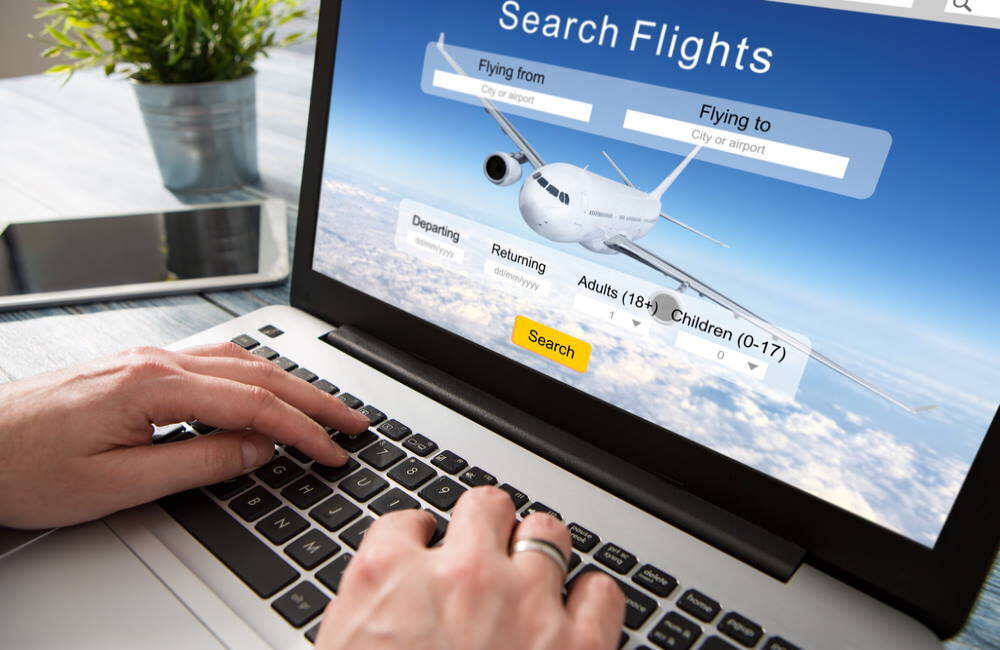
The journey to booking a plane ticket begins with understanding the various digital platforms available. These platforms leverage sophisticated technology to connect travelers with airlines, offering a spectrum of features and services. From aggregators that scour the web for deals to proprietary airline applications, each digital gateway presents a unique set of advantages and technological considerations.
The Ecosystem of Online Travel Agencies (OTAs) and Aggregators
Online Travel Agencies (OTAs) like Expedia, Booking.com, and Orbitz, alongside flight aggregators such as Skyscanner, Google Flights, and Kayak, form the bedrock of digital flight search. These platforms are essentially sophisticated search engines and booking portals. Their core technology involves complex algorithms that crawl vast databases of flight information from hundreds of airlines, cross-referencing prices, routes, and schedules in real-time.
- Algorithmic Price Comparison: The magic behind these platforms lies in their ability to process immense volumes of data almost instantaneously. When you search for a flight, these systems don’t just pull data from one source; they simultaneously query multiple Global Distribution Systems (GDSs) and direct airline APIs, which are the digital arteries connecting travel providers. This allows them to present a comprehensive, real-time snapshot of available flights and prices. Google Flights, for instance, is renowned for its intuitive interface that not only lists prices but also offers insights into historical pricing trends and optimal booking windows, powered by machine learning models analyzing billions of data points.
- User Interface (UI) and User Experience (UX) Design: Beyond the backend algorithms, the front-end design of OTAs and aggregators plays a crucial role. Their UIs are meticulously crafted to provide intuitive navigation, clear visual representations of flight options, and streamlined booking flows. Features like interactive maps (e.g., Skyscanner’s “Explore Everywhere” function) or flexible date calendars are designed to enhance UX, making complex travel planning accessible to a broad audience.
- Advantages and Disadvantages: The primary advantage of OTAs and aggregators is convenience and breadth of options. They consolidate information, saving users countless hours of searching individual airline sites. However, booking through a third party can sometimes complicate customer service issues, especially during unexpected changes or cancellations, as an extra layer of communication is introduced between the traveler and the airline. Furthermore, these platforms often use cookie tracking and dynamic pricing models, which can sometimes lead to fluctuating prices based on user browsing history.
Direct Airline Portals: The Power of Proprietary Platforms
While OTAs offer breadth, booking directly through an airline’s official website or mobile app (e.g., Delta.com, United Airlines app) provides a different set of technological benefits and control. These proprietary platforms are designed to offer a seamless, branded experience and often integrate deeply with the airline’s internal systems.
- Integrated Booking Engines: Airline websites feature robust booking engines that are directly connected to their inventory management systems. This direct connection ensures the most accurate, real-time availability and pricing. It also means that any changes or updates to your booking are immediately reflected within the airline’s own records, streamlining the process.
- Loyalty Program Integration: A key technological advantage of direct booking is the seamless integration with loyalty programs. Airline apps and websites are designed to recognize and reward frequent flyers, offering personalized promotions, mileage accrual, and easy redemption processes for upgrades or free flights. This direct digital relationship often translates into exclusive offers not available elsewhere.
- Advanced Features and Customization: Direct airline platforms often provide more granular control over your booking. This includes detailed seat selection maps, options for purchasing additional baggage directly, adding special requests (e.g., wheelchair assistance, specific meal preferences), and easier management of itinerary changes. The user interface on these platforms is typically optimized for managing existing bookings, allowing for digital check-ins, viewing boarding passes, and receiving real-time flight status updates directly within the app.
- Digital Security and Payment Gateways: Airlines invest heavily in the cybersecurity of their direct booking platforms. They utilize advanced encryption protocols (SSL/TLS) and secure payment gateways that are PCI DSS (Payment Card Industry Data Security Standard) compliant, ensuring that sensitive personal and financial data is protected from interception and fraud.
Leveraging AI and Data Analytics for Smart Searches
The cutting edge of flight booking technology involves Artificial Intelligence (AI) and sophisticated data analytics. These tools move beyond simple search and comparison, offering predictive insights and personalized recommendations.
- Dynamic Pricing and AI Algorithms: Airlines and booking platforms increasingly employ AI-driven dynamic pricing models. These algorithms analyze a multitude of factors—demand, historical booking patterns, competitor pricing, time of year, day of the week, even individual user browsing behavior—to adjust ticket prices in real-time. This can lead to prices changing minute by minute, making a “good deal” highly ephemeral.
- Price Prediction Tools: Apps like Hopper or features within Google Flights use AI and machine learning to predict future price fluctuations for specific routes. By analyzing historical data and current market trends, they can advise users on whether to “buy now” or “wait for a drop,” adding a layer of strategic decision-making to the booking process.
- Personalized Recommendations: AI also powers personalized flight recommendations, learning from your past searches, booking history, and preferences (e.g., preferred airlines, travel class, layover tolerance) to suggest more relevant options. This creates a highly customized user experience, reducing decision fatigue.
Mastering Digital Tools for Optimal Flight Selection
Beyond understanding the platforms, effectively booking a plane ticket requires skillful utilization of the digital tools embedded within these systems. These tools are designed to help travelers sift through the vast amount of information and pinpoint the best value.
Setting Up Price Alerts and Notifications
One of the most powerful digital tools for securing cost-effective flights is the price alert system. Available on most major aggregators (Google Flights, Skyscanner, Kayak, Hopper) and some airline apps, these systems automate the tedious process of monitoring fare changes.
- How it Works: Users specify a desired route and dates, and the platform’s algorithms continuously track price movements for those parameters. When a significant price drop occurs or reaches a specified threshold, the system sends an automated notification via email or app push notification. This technology relies on persistent data monitoring and real-time data processing, ensuring travelers are informed promptly.
- Strategic Advantage: Price alerts leverage technology to empower users, turning passive searching into proactive deal-hunting. It eliminates the need for constant manual checking and ensures you don’t miss out on fleeting discounts.
Utilizing Flexible Date Search and Calendar Views
Flexibility in travel dates is often the single biggest factor in securing cheaper flights, and digital tools have made identifying these opportunities incredibly easy.
- Interactive Calendars: Platforms like Google Flights offer highly interactive calendar views that display the lowest fares across a range of dates. Users can quickly visualize which days of the week or month offer the most economical travel options, often highlighting price differences of hundreds of dollars. This visual representation is a powerful data visualization tool that simplifies complex pricing structures.
- “Flexible Dates” Features: Many OTAs and aggregators include a “flexible dates” option, allowing users to search within a broader window (e.g., “plus/minus 3 days” or “any time in the next month”). The underlying algorithms then compute and display the cheapest combinations across this expanded timeframe, leveraging advanced combinatorial search techniques.
Advanced Search Filters and Customization

Modern flight booking platforms offer a plethora of advanced filters that go far beyond basic origin and destination. These technological features allow for highly customized searches, tailoring results to specific preferences and needs.
- Refining Your Search: Users can filter by specific airlines, number of stops, layover duration, departure/arrival times, cabin class (economy, business, first), baggage allowance, and even aircraft type. Some advanced filters even allow you to exclude certain airports or set a maximum price.
- Technical Implementation: The ability to apply multiple filters simultaneously and receive updated results in real-time is a testament to the efficient database querying and indexing technologies employed by these platforms. Each filter acts as a constraint, rapidly narrowing down millions of potential flight combinations to a manageable and relevant set.
Ensuring Digital Security and Data Privacy During Booking
Booking a plane ticket online involves sharing sensitive personal and financial information. Therefore, understanding and ensuring digital security and data privacy is paramount in the tech-driven travel landscape.
Secure Payment Gateways and Encryption Protocols
The security of your financial transaction is perhaps the most critical technological aspect of online booking.
- HTTPS and SSL/TLS: Always ensure that the website you are using employs HTTPS (Hypertext Transfer Protocol Secure). This is indicated by a padlock icon in your browser’s address bar and “https://” at the beginning of the URL. HTTPS encrypts the data exchanged between your browser and the website’s server using SSL/TLS (Secure Sockets Layer/Transport Layer Security) protocols, making it extremely difficult for unauthorized parties to intercept and read your information.
- PCI DSS Compliance: Reputable booking platforms and airlines adhere to PCI DSS, a set of security standards designed to ensure that all companies that process, store, or transmit credit card information maintain a secure environment. This compliance involves stringent technical controls and processes to protect cardholder data.
- Multi-Factor Authentication (MFA): Many platforms now offer or require MFA for logging into your account or completing high-value transactions. This adds an extra layer of security, typically by requiring a code sent to your phone in addition to your password, significantly reducing the risk of unauthorized access.
Protecting Personal Information and Avoiding Phishing Scams
Beyond financial data, your personal information (name, passport details, contact info) is also vulnerable.
- Verifying Website Authenticity: Be vigilant against phishing scams. Always double-check the URL to ensure it’s the legitimate website of the airline or OTA. Phishing sites often mimic official sites with subtle misspellings in the URL.
- Strong Passwords: Use strong, unique passwords for your travel accounts and consider using a password manager. Avoid reusing passwords across different services.
- Understanding Data Handling: Reputable sites will have transparent privacy policies detailing how your data is collected, stored, and used. Be aware of what information you are consenting to share.
Managing Digital Footprint and Cookie Settings
Your digital footprint, particularly through browser cookies, can subtly influence your booking experience.
- Dynamic Pricing and Cookies: Some theories suggest that cookies can be used by websites to track your browsing behavior and potentially display higher prices if you repeatedly search for the same flight. While this is not universally confirmed or easily provable for all platforms, it highlights the sophisticated data analysis happening in the background.
- Browser Settings and VPNs: To potentially mitigate this, consider clearing your browser’s cookies, using incognito/private browsing mode, or even utilizing a Virtual Private Network (VPN) to mask your IP address. A VPN encrypts your internet connection and routes it through a server in a different location, potentially presenting you as a new user from a different region, which could (though not guaranteed) influence pricing in some dynamic pricing models.
Post-Booking Digital Management and Travel Tech Integration
The technological engagement doesn’t end once your ticket is booked. Modern travel is intrinsically linked with digital tools for managing your journey from departure to arrival.
Mobile Check-in and Digital Boarding Passes
The convenience of airline apps truly shines in the post-booking phase.
- Seamless Check-in: Most airlines offer mobile check-in hours or days before departure. This digital process allows you to confirm your presence, select seats, and often receive an electronic boarding pass directly on your smartphone.
- Digital Boarding Passes: These are typically QR codes or barcodes that can be stored in the airline’s app, Apple Wallet, or Google Pay. They are scanned at security checkpoints and boarding gates, eliminating the need for physical paper tickets and streamlining the airport experience. This technology relies on robust mobile application development and secure digital credential management.
Integrating Travel Itineraries with Smart Devices and Apps
Modern travelers can integrate their flight details with a suite of smart tools and applications, enhancing organization and information accessibility.
- Travel Itinerary Apps: Apps like TripIt or WorldMate can automatically consolidate your flight, hotel, and car rental bookings into a single master itinerary by parsing confirmation emails. They provide real-time updates, gate changes, and terminal information, all powered by advanced natural language processing and data aggregation.
- Calendar Sync: Most airline apps and itinerary managers allow you to sync your flight details directly with your digital calendar (Google Calendar, Outlook Calendar, Apple Calendar), ensuring you have all your travel information conveniently accessible alongside your other appointments.
- Smartwatch Notifications: For those with smartwatches, flight updates, gate changes, and boarding reminders can be pushed directly to your wrist, offering unparalleled convenience and reducing the need to constantly check your phone.
In conclusion, booking a plane ticket in the digital age is far more than a transactional event; it’s an engagement with an intricate ecosystem of technology. From the algorithms that scour for the best deals and the secure gateways that protect your data, to the mobile apps that streamline your journey, understanding these technological facets empowers travelers to make informed decisions, optimize their bookings, and embark on a secure and smooth adventure. Embracing these digital tools transforms the potentially complex task of booking a flight into a sophisticated, user-friendly experience.
aViewFromTheCave is a participant in the Amazon Services LLC Associates Program, an affiliate advertising program designed to provide a means for sites to earn advertising fees by advertising and linking to Amazon.com. Amazon, the Amazon logo, AmazonSupply, and the AmazonSupply logo are trademarks of Amazon.com, Inc. or its affiliates. As an Amazon Associate we earn affiliate commissions from qualifying purchases.