
Amazon Prime Video stands as a cornerstone of the digital entertainment landscape, offering a multifaceted streaming experience that extends far beyond simple video playback. For tech enthusiasts and casual viewers alike, understanding the platform’s technological underpinnings, access tiers, and user interface is key to maximizing its “free” content offerings. This deep dive explores how Amazon leverages its expansive digital ecosystem to deliver a diverse content library, focusing on the software, integration, and user-centric features that define the Prime Video experience.
Understanding Amazon Prime Video’s Access Tiers: A Digital Architecture
The concept of “free” on Prime Video is intrinsically linked to Amazon’s sophisticated subscription models and strategic platform integrations. It’s not merely about zero cost; it’s about leveraging existing digital relationships and understanding the technological frameworks that govern content availability.

The Prime Membership Advantage: A Gateway to Included Content
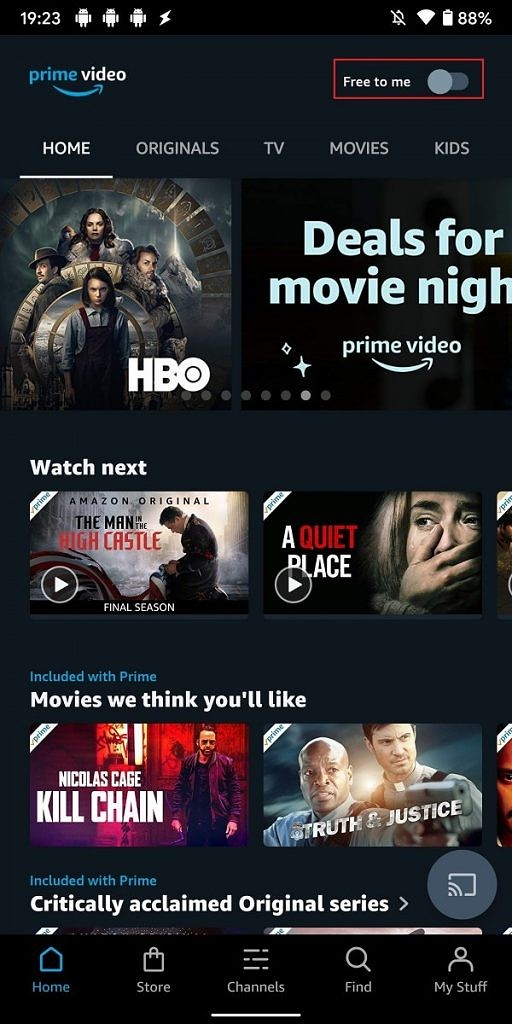
At its core, the most prominent “free” content on Prime Video is a direct benefit of an Amazon Prime membership. This membership is a technological marvel, integrating numerous services under one umbrella: expedited shipping, music streaming, cloud storage, and critically, access to a vast library of movies and TV shows on Prime Video. From a software perspective, this means the Prime Video application and web interface are designed to seamlessly authenticate Prime members, instantly unlocking thousands of titles marked “Included with Prime.”
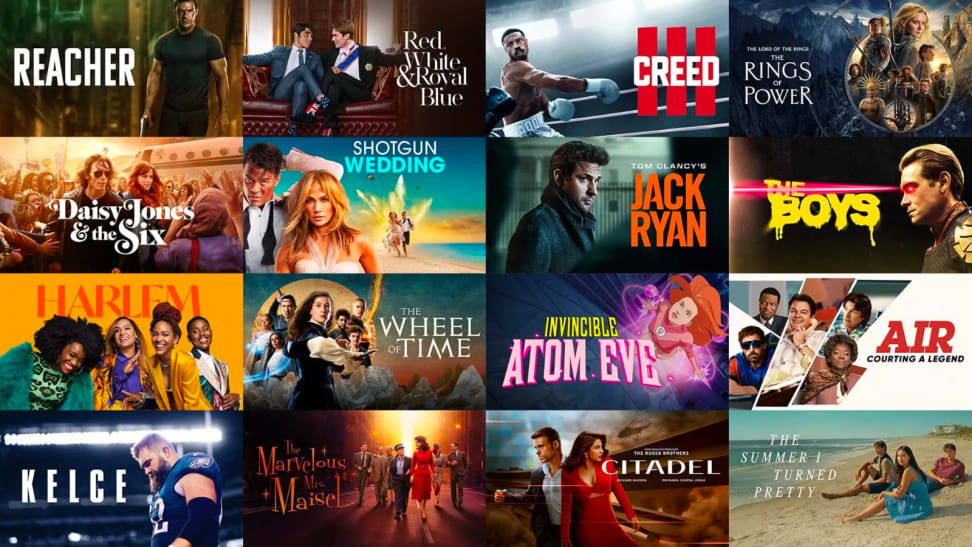
This integration requires robust backend systems capable of managing subscription statuses, content licensing agreements, and regional availability. When a user logs into Prime Video, the platform’s algorithms quickly cross-reference their Prime membership status with its extensive content database, dynamically displaying what’s accessible without further charge. This real-time authentication and content filtering are critical features, ensuring a personalized and friction-free user experience. The technology prioritizes titles that are either exclusive originals (e.g., The Marvelous Mrs. Maisel, The Boys) or licensed content acquired by Amazon for Prime members, presented with clear iconography to denote their inclusion.
Amazon Freevee: The Ad-Supported Streaming Solution
Beyond the Prime membership, Amazon has strategically expanded its “free” offerings through Amazon Freevee (formerly IMDb TV). Freevee represents a distinct technological shift towards an ad-supported video-on-demand (AVOD) model. Unlike the subscription-based Prime Video, Freevee content is entirely free for anyone with an Amazon account, supported by advertisements strategically placed throughout the programming.
From a technical standpoint, Freevee operates as a separate yet integrated service. It leverages Amazon’s extensive advertising technology stack, dynamically inserting commercials tailored to viewer demographics and content context. This requires sophisticated ad servers, real-time bidding systems, and robust content delivery networks (CDNs) to ensure smooth transitions between content and ads without disrupting the user experience. The Freevee library, while distinct from Prime-included titles, is often accessible directly within the Prime Video app and website, showcasing Amazon’s commitment to a unified digital storefront. This seamless integration means users don’t need to switch apps; they merely navigate to a different section within the same Prime Video interface, simplifying content discovery across both models.
Navigating the Hybrid Model: Rental, Purchase, and Subscription Overlap
Prime Video’s technological architecture also accommodates a hybrid content model. While “free” content dominates, the platform also hosts a vast array of titles available for digital rental or purchase. The user interface (UI) and user experience (UX) are meticulously designed to differentiate these options, employing clear labels, price indicators, and action buttons. This requires sophisticated content management systems that can dynamically present multiple access options for a single title, depending on licensing agreements and user membership status. The system must efficiently manage digital rights management (DRM) for purchased content, rental windows, and subscription access, all while maintaining a cohesive presentation layer. This complex interplay ensures users understand their choices, whether they’re streaming included content, renting a new release, or buying a digital copy for permanent access.
Optimizing Your Streaming Experience: Tech Tips for Prime Video
To truly appreciate the “free” content on Prime Video, it’s essential to understand how to optimize your technical setup and interact effectively with the platform’s features. This involves more than just selecting a show; it’s about configuring your devices, understanding the app’s functionalities, and managing your digital environment.
Device Compatibility and App Performance
Prime Video’s strength lies in its ubiquitous compatibility. The application is meticulously engineered to run across a vast array of devices, from smart TVs (Samsung, LG, Sony), streaming sticks (Amazon Fire TV, Roku, Apple TV), game consoles (PlayStation, Xbox), to mobile devices (iOS, Android) and web browsers. Each version of the Prime Video app is optimized for its respective operating system and hardware, ensuring a consistent yet tailored experience.
For instance, the app on a high-end smart TV will leverage its 4K HDR capabilities, while the mobile app will feature data-saving options and an interface optimized for touchscreens. Users should ensure their Prime Video apps are always updated to the latest version to benefit from performance enhancements, security patches, and new features. Checking for and installing updates is a straightforward process, typically managed through the device’s app store or system settings, and is crucial for maintaining optimal streaming quality and preventing technical glitches.
Mastering the Interface: Content Discovery and Watchlists
The Prime Video interface is a complex digital landscape, designed for both broad exploration and granular discovery. To efficiently find “free” content, users should leverage the platform’s robust search and filtering capabilities. The search bar, often accompanied by voice search functionality on Fire TV devices, allows for keyword searches across titles, genres, actors, and directors. More importantly, the category filters and dedicated “Included with Prime” or “Free with Ads” sections are critical. These digital signposts guide users directly to content relevant to their access tier.
Creating and managing Watchlists is another powerful feature. This allows users to curate a personal queue of desired content, irrespective of its current availability. When a previously pay-per-view title becomes “Included with Prime” or appears on Freevee, a Watchlist notification (if enabled) can alert the user, turning passive browsing into proactive content acquisition. This feature relies on backend databases constantly updating content rights and availability, pushing notifications to user profiles when changes occur.
Streaming Quality and Bandwidth Management
Prime Video employs adaptive bitrate streaming technology, a crucial innovation for modern video delivery. This technology dynamically adjusts the video quality (from standard definition to 4K Ultra HD) based on the user’s internet bandwidth and device capabilities. For a seamless “free” streaming experience, a stable, high-speed internet connection is paramount.
Users can often manually set streaming quality preferences within the app settings, especially on mobile devices, to conserve data. For high-definition streaming, a minimum speed of 5 Mbps is recommended, escalating to 25 Mbps or more for 4K UHD. Monitoring network activity, closing other bandwidth-intensive applications, and ensuring a strong Wi-Fi signal can significantly improve playback quality, reducing buffering and dropped frames. The platform’s internal diagnostic tools, though not always user-facing, work continuously to balance picture quality with network conditions, providing the best possible viewing experience without manual intervention in most cases.
Beyond the Binge: Exploring Prime Video’s Digital Features
Prime Video is more than just a content library; it’s an interactive digital platform packed with features designed to enrich the viewing experience, particularly for its included “free” titles.
X-Ray: IMDb Integration for Enhanced Information
One of Prime Video’s most distinctive technological features is X-Ray, powered by IMDb (which is also an Amazon company). While watching any title, including “free” content, users can simply tap or click to reveal an overlay providing real-time information about the actors on screen, the music playing, trivia, and behind-the-scenes content. This deep integration between a streaming platform and a comprehensive entertainment database is a prime example of Amazon’s ecosystem at play.
X-Ray’s functionality relies on sophisticated video analysis algorithms that identify specific frames and synchronize them with IMDb’s extensive metadata. This real-time data retrieval and display enhance engagement, turning passive viewing into an interactive, information-rich experience, often without interrupting the primary content stream.
Offline Viewing: Managing Downloads and Storage
For those on the go or with unreliable internet access, Prime Video offers the invaluable feature of offline viewing for much of its “free” content. This functionality allows Prime members to download movies and TV show episodes directly to their mobile devices (smartphones and tablets) via the Prime Video app.
Technologically, this involves secure content encryption to protect digital rights, efficient compression algorithms to minimize file sizes, and robust local storage management within the app. Users can choose download quality, which directly impacts storage space. Managing downloads — deleting watched content, prioritizing new downloads, and monitoring available device storage — becomes an integral part of optimizing the “free” viewing experience, ensuring entertainment is accessible even when connectivity is not.
Parental Controls and Profile Management
Prime Video’s digital infrastructure includes robust parental control and profile management systems, crucial for families utilizing “free” content. User profiles allow multiple household members to maintain separate watch histories, personalized recommendations, and watchlists. This is particularly useful in a shared viewing environment, ensuring that recommendations for one user don’t clutter the interface for another.
Parental controls, leveraging industry-standard content ratings, enable account holders to restrict access to certain content based on age ratings (e.g., G, PG, PG-13, R) and block purchases. This is managed through a PIN system, which authenticates access to restricted content or purchase options. These features are built into the core Prime Video platform, demonstrating a commitment to secure and customizable digital environments for all users.
The Future of “Free” Streaming on Prime Video: Technological Evolution
The landscape of digital streaming is constantly evolving, driven by advancements in technology. Prime Video’s “free” content will undoubtedly continue to adapt and expand, shaped by innovations in AI, interactive media, and evolving business models.
AI-Driven Content Recommendations
The future of “free” content discovery on Prime Video will be increasingly defined by sophisticated AI and machine learning algorithms. These systems already analyze viewing habits, genre preferences, and even emotional responses to recommend personalized titles. Future iterations will likely incorporate more granular data, such as interaction with X-Ray features, time spent on specific scenes, and broader internet activity (with user consent), to offer even more precise and predictive content suggestions. This will make finding “free” titles tailored to individual tastes more effortless and intuitive, enhancing user satisfaction and platform engagement.
Interactivity and Immersive Formats
While still nascent, interactive content and more immersive formats could eventually permeate Prime Video’s “free” offerings. Imagine “choose-your-own-adventure” style narratives or content enhanced with augmented reality (AR) overlays accessible through mobile devices, all leveraging the power of Prime Video’s robust streaming capabilities. The platform’s existing X-Ray feature hints at this interactive potential, suggesting a path towards more engaging and multi-layered viewing experiences for included content.
The Evolution of Ad-Supported Models
The “free with ads” model, exemplified by Freevee, is expected to grow and evolve. Technological advancements in ad delivery will likely lead to less intrusive, more contextually relevant advertisements. This could include shoppable ads seamlessly integrated with Amazon’s retail arm, or even personalized interactive ad experiences that users can engage with or skip. As AI improves, ads may even adapt in real-time to viewer sentiment, optimizing their impact while minimizing disruption, further solidifying “free” content as a viable and valuable offering within the Prime Video ecosystem.
In conclusion, “what to watch on Prime Video free” is not just a question of content, but a journey through a sophisticated digital ecosystem. It’s about leveraging a Prime membership, understanding the nuances of an ad-supported model like Freevee, optimizing device performance, and engaging with a platform rich in technological features designed to enhance and personalize the streaming experience. As technology continues to advance, the “free” offerings on Prime Video will only become more integrated, intelligent, and indispensable for digital entertainment consumers.
aViewFromTheCave is a participant in the Amazon Services LLC Associates Program, an affiliate advertising program designed to provide a means for sites to earn advertising fees by advertising and linking to Amazon.com. Amazon, the Amazon logo, AmazonSupply, and the AmazonSupply logo are trademarks of Amazon.com, Inc. or its affiliates. As an Amazon Associate we earn affiliate commissions from qualifying purchases.