
In an era defined by ubiquitous digital content, the question “what can I watch it on?” has evolved far beyond simply picking a television channel. Today, it encapsulates a complex ecosystem of devices, platforms, and technological innovations that deliver entertainment, information, and connection directly to our fingertips, our living rooms, and even our heads. Understanding this landscape is crucial for maximizing your viewing experience, making informed tech decisions, and staying abreast of the rapid advancements shaping how we consume media. This article delves into the technological facets of modern content consumption, exploring the diverse array of devices, the platforms that power them, and the underlying tech that enhances every moment.
The Proliferation of Viewing Devices: A Multi-Screen Universe
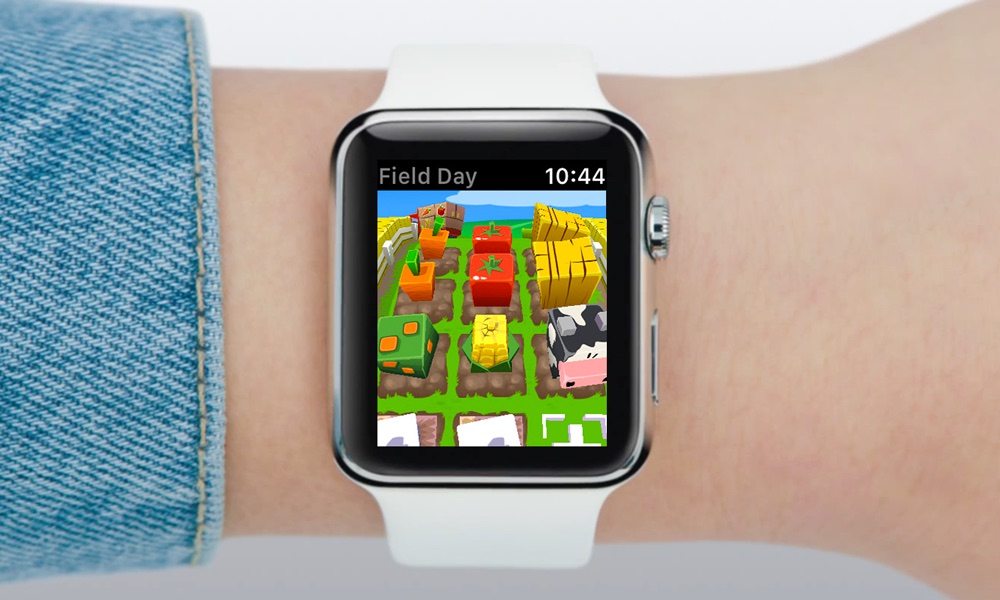
The days of a single, central television set dictating our viewing habits are long gone. Today’s tech-savvy consumer engages with content across a spectrum of devices, each offering unique advantages and catering to different viewing scenarios. This multi-screen universe provides unprecedented flexibility but also introduces the challenge of choosing the right device for the right content.
Smart TVs: The Living Room Hub Redefined
The modern Smart TV stands as the undisputed centerpiece of home entertainment. Far from being mere display units, these internet-connected devices integrate operating systems (like Android TV, webOS, Tizen, or Roku OS) that directly host a vast array of streaming applications. This integration streamlines access to content, eliminating the need for external streaming boxes in many cases. Advanced features like 4K, 8K, HDR (High Dynamic Range), and intelligent upscaling technologies work in concert to deliver breathtaking visual fidelity, making Smart TVs the preferred choice for immersive, large-screen viewing experiences. The evolution of processor power within these TVs also means smoother app performance, faster navigation, and often, built-in voice assistants for hands-free control.
Portable Powerhouses: Smartphones and Tablets
For on-the-go viewing, convenience reigns supreme, and nothing offers more flexibility than smartphones and tablets. These portable powerhouses leverage powerful mobile processors, high-resolution AMOLED or Liquid Retina displays, and robust battery life to deliver compelling viewing experiences anywhere with a network connection. Their ubiquity has transformed commuting, waiting, and even multi-tasking into opportunities for content consumption. Optimized apps from virtually every major streaming service ensure seamless playback, while features like offline downloads allow for entertainment even without internet access. The integration of high-quality speakers or the ease of pairing with wireless headphones further enhances the personal viewing experience.
Versatile Computing: Laptops and Desktops
While perhaps not purpose-built for media consumption in the same way as Smart TVs or dedicated streaming devices, laptops and desktops remain incredibly versatile viewing platforms. They offer large screens (especially desktops), powerful processors for smooth playback, and the flexibility to access virtually any web-based content or install a wide array of media players and applications. Laptops excel for mobile productivity that can pivot to entertainment, while desktops, often paired with high-quality monitors and external sound systems, can rival or even surpass dedicated home theatre setups in terms of raw performance and customization. The ability to connect multiple displays also makes them ideal for multi-tasking while watching content.
Beyond the Basics: Streaming Sticks and Consoles
Bridging the gap between older TVs and the smart content ecosystem are streaming sticks and boxes like Roku, Amazon Fire TV, Google Chromecast, and Apple TV. These compact devices plug directly into a TV’s HDMI port, instantly transforming it into a smart hub. They are an economical way to upgrade non-smart TVs or to gain access to a specific platform’s ecosystem. Similarly, modern gaming consoles (PlayStation, Xbox, Nintendo Switch) have evolved into comprehensive entertainment systems, offering robust media apps alongside their primary gaming function. Their powerful hardware ensures smooth 4K streaming and often superior audio processing, making them a viable option for a converged entertainment setup.
The Ecosystem of Streaming Platforms and Services: Content at Your Command
Beyond the hardware, the “what can I watch it on” question increasingly refers to the vast and ever-expanding universe of streaming platforms. These services are the gatekeepers of content, each offering unique libraries, original programming, and subscription models. The technological infrastructure supporting these platforms is monumental, ensuring smooth delivery to millions simultaneously.
Subscription Video On Demand (SVOD) Giants
The landscape is dominated by SVOD giants like Netflix, Amazon Prime Video, Disney+, Max (formerly HBO Max), and Hulu. These services offer extensive libraries of movies, TV shows, and increasingly, high-budget original content, all accessible for a recurring monthly fee. Their technological sophistication includes advanced recommendation algorithms powered by AI, robust content delivery networks (CDNs) to minimize buffering, and adaptive bitrate streaming that adjusts video quality based on your internet speed. User profiles, parental controls, and multi-device synchronization are standard features, reflecting the complex software engineering required to manage millions of concurrent users and petabytes of data.
Ad-Supported and Free Streaming Options (AVOD/FAST)
The rise of Ad-Supported Video On Demand (AVOD) and Free Ad-Supported Streaming Television (FAST) services has democratized access to content. Platforms like Pluto TV, Tubi, Peacock (with a free tier), and The Roku Channel offer a vast selection of movies, TV shows, and even live channels at no direct cost to the consumer, supported by targeted advertising. Technologically, these platforms face the dual challenge of seamless content delivery and sophisticated ad insertion, requiring real-time ad bidding, dynamic ad placement, and robust tracking mechanisms to deliver relevant advertisements without disrupting the user experience too much.
Niche and Live Content Platforms
Beyond the mainstream, a multitude of niche platforms cater to specific interests, from Crunchyroll for anime enthusiasts to Shudder for horror fans, or Mubi for arthouse cinema. Live streaming, once primarily the domain of traditional broadcasters, has also found its footing on platforms like YouTube TV, Sling TV, and FuboTV, offering cable-cutter alternatives for live sports, news, and events. These services often leverage specialized low-latency streaming technologies and robust cloud infrastructure to ensure minimal delay and high availability during critical live broadcasts, a significant technical hurdle compared to on-demand content.
Optimizing Your Viewing Experience: The Tech Behind the Spectacle
Merely having access to content and devices isn’t enough; the quality of the viewing experience is paramount. A range of technological advancements and considerations play a crucial role in transforming casual watching into an immersive spectacle.
Connectivity: The Unsung Hero
At the heart of any smooth streaming experience is a reliable and fast internet connection. Broadband internet (fiber, cable, or high-speed DSL) and robust Wi-Fi networks (especially Wi-Fi 6 or 6E) are fundamental. The underlying technology of network protocols, router capabilities, and ISP infrastructure directly impacts resolution, buffering, and multi-device performance. For 4K streaming, a consistent speed of at least 25 Mbps is recommended, with higher speeds beneficial for multiple concurrent streams or 8K content. Mobile data networks (4G LTE, 5G) also play a critical role, offering high-speed connectivity for portable devices, with 5G promising even lower latency and greater bandwidth for on-the-go high-fidelity streaming.
Display Technologies: From HD to 8K and Beyond
The evolution of display technology has fundamentally altered what’s “watchable.” High Definition (HD) gave way to 4K Ultra HD, offering four times the pixel count. Now, 8K displays are emerging, pushing the boundaries of visual clarity. Beyond resolution, technologies like OLED (Organic Light-Emitting Diode) and QLED (Quantum Dot LED) deliver superior contrast, deeper blacks, and vibrant colors. High Dynamic Range (HDR) formats like Dolby Vision and HDR10+ further enhance the viewing experience by expanding the range of colors and contrast, making scenes appear more lifelike. Understanding these technologies helps consumers choose displays that truly bring content to life, provided the content itself is mastered in these formats.
Immersive Audio Solutions
Visuals are only half the story; sound completes the immersive experience. Modern audio technologies, such as Dolby Atmos and DTS:X, create three-dimensional soundscapes that place sounds precisely around and above the viewer, adding incredible depth and realism. This is achieved through sophisticated audio processing and specialized speaker setups (soundbars with upward-firing speakers, multi-channel home theatre systems). Even without a full home theatre, virtual surround sound technologies in headphones or soundbars can simulate an expansive audio environment, leveraging advanced algorithms to trick the ear into perceiving spatial audio, enhancing everything from movie dialogues to game soundtracks.
Future Frontiers: Emerging Ways to Watch
The “what can I watch it on” question is constantly evolving, with new technologies promising to redefine content consumption in the years to come. The intersection of emerging tech and media promises even more personalized, interactive, and immersive experiences.
Virtual and Augmented Reality
Virtual Reality (VR) headsets like Meta Quest, Valve Index, and PlayStation VR offer truly immersive experiences, transporting viewers into virtual environments. While still nascent for mainstream passive content consumption, VR is already making strides in interactive storytelling, virtual concerts, and 360-degree video. Augmented Reality (AR), delivered through devices like smart glasses or even smartphones, overlays digital information onto the real world. Imagine watching a baseball game where player stats appear above them in real-time, or a cooking show where ingredients list automatically project onto your kitchen counter. These technologies promise entirely new modalities for consuming content, blending the digital and physical.
Interactive and Personalized Content
The rise of interactive storytelling (e.g., Netflix’s “Bandersnatch”) hints at a future where viewers are no longer passive recipients but active participants in the narrative. This goes beyond simple branching narratives to potentially include personalized storylines generated by AI based on viewer preferences and choices. Furthermore, AI and machine learning will continue to refine content recommendations, not just suggesting what to watch, but potentially curating entirely unique viewing streams tailored to individual moods, schedules, and past engagement. The technical challenges lie in creating dynamic content engines and robust user profiling systems.
Cloud Streaming and Device Agnosticism
The concept of “cloud streaming” for gaming (e.g., Xbox Cloud Gaming, GeForce Now) is already a reality, allowing high-fidelity games to be streamed to low-powered devices. This model is gradually extending to general media, promising a future where content is truly device-agnostic. Rather than relying on local hardware, processing power shifts to the cloud, allowing viewers to access high-quality content on virtually any screen with an internet connection. This paradigm shift will further democratize access, reduce hardware dependencies, and simplify the user experience, making the “what can I watch it on” question less about the specific device and more about the quality of the network connection.
In conclusion, “what can I watch it on?” is a dynamic query that reflects the ongoing technological revolution in media consumption. From the evolution of Smart TVs and the portability of mobile devices to the sophisticated algorithms of streaming platforms and the promise of VR/AR, technology continues to reshape how we access, experience, and interact with content. Staying informed about these advancements empowers us to make the most of the incredibly rich and diverse digital media landscape, ensuring that our viewing experiences are not just convenient, but truly cutting-edge and immersive.
aViewFromTheCave is a participant in the Amazon Services LLC Associates Program, an affiliate advertising program designed to provide a means for sites to earn advertising fees by advertising and linking to Amazon.com. Amazon, the Amazon logo, AmazonSupply, and the AmazonSupply logo are trademarks of Amazon.com, Inc. or its affiliates. As an Amazon Associate we earn affiliate commissions from qualifying purchases.