
In the rapidly evolving landscape of digital entertainment, Amazon Prime Video stands as a formidable player, offering a vast library of movies, TV shows, and original content as part of an Amazon Prime subscription. However, for many users, the full extent of its capabilities, particularly “Prime Video Channels,” remains a mystery. Far from being just an add-on, Prime Video Channels represent a significant technological advancement in how consumers access and manage their streaming services, transforming the platform into a centralized hub for a diverse array of premium content.
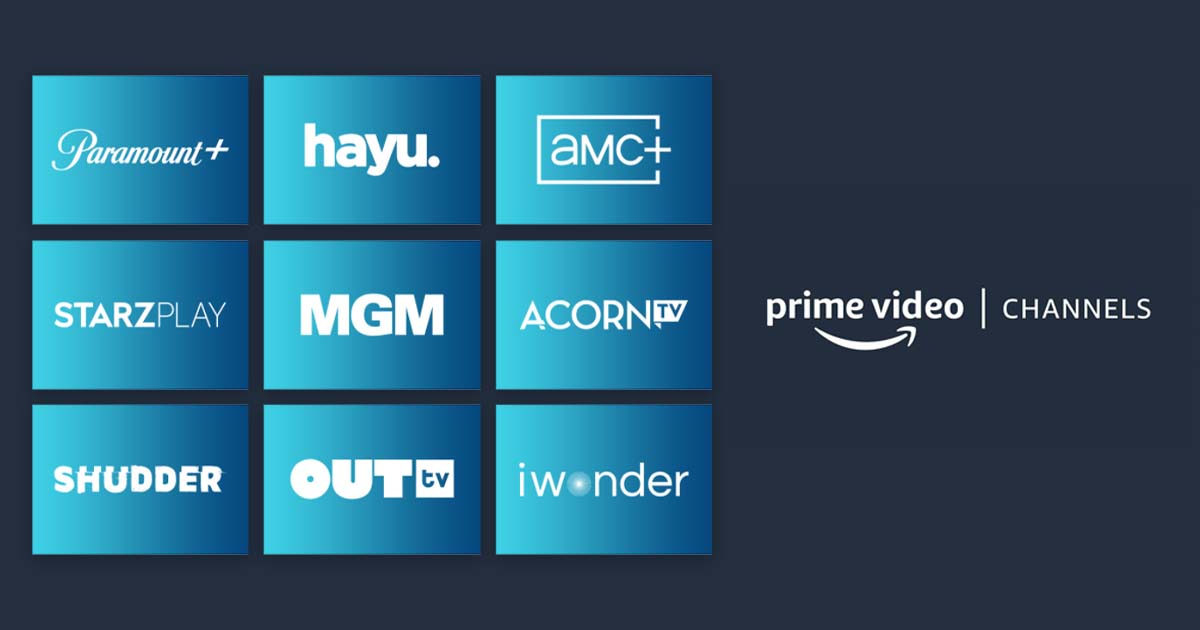
At its core, Prime Video Channels are individual, à la carte subscriptions that users can add to their existing Amazon Prime membership. Think of it less like traditional cable TV bundles and more like a digital storefront where you can pick and choose specific premium streaming services, all billed through your Amazon account and accessible directly within the Prime Video app. This innovation addresses a common pain point in the streaming era: the fragmentation of content across numerous, disparate apps and billing cycles. By consolidating access and management under one familiar interface, Amazon Prime Video leverages its technological infrastructure to simplify the user experience, providing unparalleled convenience and a highly personalized viewing journey. This guide will delve into the technical underpinnings, operational benefits, and strategic implications of Prime Video Channels, positioning them as a pivotal component of modern digital entertainment.
Decoding Prime Video Channels: Beyond the Basic Subscription
Understanding Prime Video Channels begins with recognizing the fundamental shift they represent from a singular streaming service to an aggregated content platform. This distinction is crucial for appreciating their technological sophistication and user-centric design.
The Fundamental Concept: A La Carte Streaming
The concept of “à la carte” content delivery is not new, but its seamless integration into a robust streaming ecosystem like Amazon Prime Video marks a significant evolutionary step. Rather than subscribing to a dozen different streaming apps, each with its own login, payment method, and user interface, Prime Video Channels allows subscribers to selectively add services like HBO, Showtime, Paramount+, or niche offerings focused on specific genres (e.g., Shudder for horror, BritBox for UK content) directly within the Prime Video environment.
Technologically, this means Amazon acts as a central authentication and billing provider. When you subscribe to a channel through Prime Video, Amazon processes the payment and manages the subscription lifecycle. The content itself is often hosted on Amazon’s robust cloud infrastructure (AWS), ensuring consistent streaming quality and availability, regardless of the original content provider. This architecture simplifies the backend for content partners, allowing them to focus on production while leveraging Amazon’s global distribution and payment systems. For the user, it eliminates the need to create separate accounts for each service, streamlining the entire discovery and consumption process.
The Distinction: Prime Video vs. Prime Video Channels
It’s vital to differentiate between a standard Amazon Prime Video subscription and Prime Video Channels. A basic Amazon Prime membership, which includes Prime Video, grants access to a vast library of movies, TV shows, and Amazon Originals, all included in the annual or monthly Prime fee. This content is curated by Amazon and forms the foundational offering of the service.
Prime Video Channels, however, are separate, additional subscriptions that require an active Amazon Prime membership to access. They are not free extras but premium services, each with its own monthly fee, stacked on top of the base Prime Video offering. The key technological advantage here is integration. While you could subscribe to HBO Max (now just Max) directly from its own app, subscribing via Prime Video Channels means its entire library becomes searchable and streamable directly within the Prime Video interface. This creates a unified content catalog, allowing users to browse, search, and watch content from various providers without ever leaving the Amazon Prime Video application. This seamless integration relies on sophisticated content metadata management and API integrations between Amazon and its channel partners, ensuring content updates, user progress, and viewing history are all synchronized within the Prime Video ecosystem.
Why Consider Prime Video Channels? Flexibility and Curation
The primary drivers for choosing Prime Video Channels are flexibility and curated access. From a technological perspective, this model offers several compelling benefits:
- Centralized Management: All subscriptions are managed through a single Amazon account, simplifying billing, renewals, and cancellations. This reduces “subscription fatigue” and makes budgeting for entertainment much easier. The underlying technology handles multiple payment gateways and subscription models, presenting a unified interface to the user.
- Unified User Experience: Content from all subscribed channels appears directly within the Prime Video app or website. This means a single search query can pull up results from your included Prime content and all your subscribed channels, providing a comprehensive content discovery engine. Amazon’s recommendation algorithms also benefit from this broader data set, potentially offering more relevant suggestions across all your subscribed content.
- No Extra Apps: Users avoid downloading and managing numerous individual streaming applications on their devices. This conserves storage space, simplifies navigation, and reduces potential performance issues associated with juggling multiple apps.
- Cross-Device Compatibility: Since access is tied to your Amazon account, your Prime Video Channel subscriptions are instantly available on any device where the Prime Video app is supported – smart TVs, streaming sticks, gaming consoles, tablets, and smartphones – with consistent performance and user interface. This cross-platform consistency is a hallmark of robust cloud-based software services.
This robust integration and user-centric design make Prime Video Channels a powerful tool for those seeking to consolidate their streaming experience and streamline their digital entertainment consumption.
Navigating the Channel Landscape: Content and Variety
The true power of Prime Video Channels lies in the sheer breadth and depth of content they unlock. Amazon has strategically partnered with a wide array of content providers, creating a digital marketplace that caters to virtually every taste and preference.
A Diverse Portfolio: From Premium Movies to Niche Interests
The channel lineup on Prime Video is incredibly diverse, reflecting a deliberate strategy to appeal to a broad demographic while also serving niche communities. On one end of the spectrum, you find premium cable stalwarts like Max (formerly HBO Max), Paramount+, Showtime, and Starz, bringing with them critically acclaimed series, blockbuster movies, and award-winning documentaries. These channels typically feature high-definition content, surround sound options, and frequently updated libraries, leveraging advanced streaming codecs and adaptive bitrate technologies to deliver an optimal viewing experience.
On the other end, the ecosystem thrives with specialized channels that cater to specific interests. Examples include:
- Sports: NBA League Pass, MLB.TV, PGA Tour Live. These often incorporate live streaming capabilities, requiring resilient network infrastructure and low-latency encoding.
- Documentaries: CuriosityStream, PBS Documentaries.
- Foreign/International Content: BritBox (British TV), Acorn TV (British and international mysteries).
- Horror/Genre Specific: Shudder, AMC+.
- Family/Kids: Noggin, Boomerang.
- Lifestyle/Hobbies: MotorTrend, Magnolia Network.
This extensive selection allows users to hyper-customize their streaming package, subscribing only to the content they genuinely want to watch. The technological backbone supports this diversity by managing a vast content library with varying licensing agreements, regional restrictions, and technical specifications, all while presenting a unified front to the end-user.
Exploring Popular Channels and Their Offerings
Let’s briefly highlight some popular channels and the types of content they bring to the Prime Video ecosystem, demonstrating the extensive reach of this platform:
- Max (formerly HBO Max): Known for its groundbreaking original series (e.g., House of the Dragon, Succession, The Last of Us), Warner Bros. movies, and a deep catalog from HBO, Warner Bros., DC, Cartoon Network, and more. This channel is a powerhouse for premium, high-budget productions.
- Paramount+: Offers a mix of original series (e.g., Yellowstone spin-offs, Star Trek series), live sports (NFL on CBS), local CBS news, and a library from CBS, BET, Comedy Central, MTV, Nickelodeon, and Smithsonian Channel. Its content spans a broad demographic, from family-friendly to adult dramas.
- Starz: Provides access to original series (e.g., Outlander, Power franchise), first-run movies, and a collection of older films. It often focuses on specific genres like historical dramas and action.
- AMC+: Bundles content from AMC, Shudder, SundanceTV, and IFC Films, offering a rich collection of horror, independent films, and acclaimed dramas like The Walking Dead universe and Mad Men.
- MGM+ (formerly EPIX): Features original series, recent blockbuster movies, and a large library of classic films.
The ability to sample these services through Prime Video, often with free trials, further empowers users to make informed decisions about their subscriptions, leveraging the platform’s trial management and billing systems.
The Advantage of Consolidation: All Your Subscriptions in One Place
The most compelling technological advantage of Prime Video Channels is the unparalleled consolidation of streaming services. In an era where “app overload” and “subscription fatigue” are common complaints, Prime Video offers a robust solution. Instead of switching between Max, Paramount+, and Starz apps, a user can find all their subscribed content neatly integrated within the Prime Video app.
This unification is not just cosmetic; it deeply impacts the user experience:
- Enhanced Discovery: Amazon’s powerful search and recommendation engines can now draw from an even wider pool of content. If you’re watching a sci-fi series on Prime Video, the system can recommend similar titles available on Max or Paramount+ that you’ve subscribed to, breaking down traditional content silos.
- Simplified Troubleshooting: With one point of contact for billing and technical issues (Amazon), troubleshooting becomes less complex. Users don’t need to determine which service is having an issue; Amazon’s support infrastructure can often manage the initial diagnosis.
- Consistent Interface: Users become familiar with the Prime Video interface, reducing the learning curve for new channels. Playback controls, watchlist management, and parental settings remain consistent across all content accessed through the platform.
This consolidated approach not only enhances user convenience but also positions Amazon as a critical aggregator in the streaming wars, offering a technologically superior and user-friendly alternative to direct subscriptions.
Technical Setup and User Experience

Subscribing to and managing Prime Video Channels is designed to be intuitive, leveraging Amazon’s robust e-commerce and streaming infrastructure. The process is streamlined, reflecting a focus on seamless user interaction from subscription to playback.
How to Subscribe: A Seamless Digital Process
Subscribing to a Prime Video Channel is straightforward, requiring only a few clicks or taps within the Prime Video application or Amazon website. The process typically involves:
- Accessing Channels: Navigate to the “Channels” section within the Prime Video app or on the Amazon website. This section acts as a digital marketplace for all available add-on subscriptions.
- Browsing and Selection: Browse through the list of available channels. Each channel usually has a dedicated landing page providing details about its content, pricing, and often a free trial offer.
- Initiating Subscription: Click on the “Start Free Trial” or “Subscribe” button. Amazon leverages its existing payment information associated with your Prime account, eliminating the need to re-enter credit card details.
- Confirmation: Review the subscription details and confirm. Once confirmed, the channel’s content immediately becomes available within your Prime Video library.
Behind this simple interface, Amazon’s systems handle complex tasks: validating the active Prime membership, processing the subscription payment, updating your user profile with access rights, and integrating the channel’s content metadata into your Prime Video feed. The use of single sign-on (SSO) principles and secure payment gateways ensures a smooth and secure transaction process.
Managing Your Subscriptions: Billing and Cancellation
One of the standout technological advantages of Prime Video Channels is the centralized management of all your subscriptions. Instead of visiting multiple websites or apps to manage individual services, everything is controlled through your Amazon account.
- Unified Billing: All channel subscriptions are billed monthly through your Amazon account, often appearing as separate line items on your Amazon statement. This simplifies financial tracking and reduces the number of individual transactions appearing on your bank statement. Amazon’s billing system is designed to handle recurring payments efficiently and securely.
- Easy Cancellation: Cancelling a channel is as simple as subscribing. Users can visit “Manage Your Prime Video Channels” within their Amazon account settings. From there, they can view all active subscriptions, their renewal dates, and easily initiate a cancellation. The system often allows users to continue accessing content until the end of their current billing cycle, preventing immediate loss of access. This user-friendly cancellation process is a testament to good software design, prioritizing customer control.
- Trial Management: Amazon’s platform also effectively manages free trials. It clearly communicates when a trial period ends and when the paid subscription will commence, providing transparency and preventing unexpected charges.
This centralized management system significantly reduces friction for users, enhancing trust and providing a sense of control over their digital entertainment expenses.
Device Compatibility and Streaming Quality
Prime Video Channels inherit the robust device compatibility and streaming quality standards of the core Prime Video service. This means your channel subscriptions are accessible on a vast array of devices:
- Smart TVs: Most major smart TV brands (Samsung, LG, Sony, Vizio, etc.) have a native Prime Video app.
- Streaming Devices: Amazon Fire TV Stick, Roku, Apple TV, Google Chromecast.
- Gaming Consoles: PlayStation, Xbox.
- Mobile Devices: iOS and Android smartphones and tablets via the Prime Video app.
- Web Browsers: Access through any modern web browser on a computer.
The technology behind this broad compatibility involves optimized app development for different operating systems and hardware configurations. Furthermore, Prime Video, and by extension its channels, typically support various streaming qualities, including HD and 4K UHD, often with HDR (High Dynamic Range) capabilities, depending on the content and your device’s capabilities. Adaptive bitrate streaming dynamically adjusts video quality based on your internet connection speed, ensuring a smooth playback experience with minimal buffering. Audio quality also benefits, with support for Dolby Digital and, where available, Dolby Atmos. This ensures a premium viewing experience across diverse technological environments.
User Interface and Content Discovery
The Prime Video user interface is designed for intuitive content discovery and navigation. When you subscribe to a channel, its content seamlessly integrates into the main Prime Video library. This means:
- Unified Search: A single search query will return results from your included Prime content, purchased/rented titles, and all your subscribed channels, providing a comprehensive content overview.
- Integrated Recommendations: Amazon’s recommendation engine, powered by advanced machine learning algorithms, will consider your viewing habits across all your subscribed content to suggest new shows and movies, regardless of their originating channel.
- Dedicated Channel Hubs: While integrated, each channel often retains its own branded “hub” within Prime Video, allowing users to browse all content specific to that channel if they wish. This provides both global searchability and focused browsing.
- Watchlists and Progress Sync: Your watchlist and viewing progress are synchronized across all devices and across Prime Video and channel content, ensuring you can pick up where you left off, regardless of the content source.
This thoughtful integration minimizes friction, maximizes content discoverability, and enhances the overall user experience, making Prime Video Channels a powerful, user-friendly aggregation platform.
The Strategic Value Proposition in the Streaming Ecosystem
Prime Video Channels represent more than just a convenience feature; they are a strategic move by Amazon to solidify its position as a central gatekeeper in the increasingly fragmented streaming market. This hybrid model offers significant competitive advantages and hints at the future evolution of digital content distribution.
Competitive Edge: A Hybrid Model in a Crowded Market
The streaming market is saturated, with dozens of services vying for consumer attention and subscription dollars. Direct-to-consumer (DTC) services like Netflix, Disney+, and Max each demand individual subscriptions and often operate in silos. Amazon’s Prime Video Channels, however, offer a unique hybrid model: a foundational subscription (Prime Video) combined with an aggregated marketplace for other premium services.
This strategy provides a crucial competitive edge:
- Enhanced Customer Lock-in: By becoming the central hub for multiple streaming subscriptions, Amazon deepens its relationship with Prime members, making it less likely for them to cancel their Prime membership if it also means disrupting access to several other services.
- Data and Analytics: Consolidating user data from multiple channels within the Prime Video ecosystem provides Amazon with invaluable insights into viewing habits, content preferences, and demographic trends across a broader spectrum of entertainment. This data can be used to refine recommendation algorithms, inform content acquisition strategies, and even influence original content production.
- Platform Dominance: Amazon leverages its massive user base, robust e-commerce platform, and extensive device ecosystem (Fire TV, Echo devices) to attract content partners. For smaller or newer streaming services, partnering with Prime Video Channels offers immediate access to millions of potential subscribers without having to build out their own billing, distribution, and marketing infrastructure from scratch.
This hybrid model positions Amazon not just as a content provider, but as a crucial intermediary and platform provider, exerting significant influence over how consumers access digital entertainment.
Future Trends: The Evolution of Aggregated Streaming
The success of Prime Video Channels suggests a likely future trend in streaming: aggregation. As the number of DTC services continues to grow, consumers will increasingly seek simplified ways to manage their subscriptions and discover content. The “bundle” concept, once the cornerstone of cable TV, is being reimagined for the digital age, with platforms like Prime Video leading the charge.
Key future trends likely to emerge from this model include:
- Smarter Bundling: Expect more intelligent, personalized bundles or recommendations for channel combinations based on user preferences and viewing history, potentially offered at a slight discount compared to individual subscriptions.
- Enhanced Interoperability: Further technological advancements might lead to deeper content integration, allowing for cross-channel watchlists, shared user profiles across different channel services, and even more seamless content migration.
- Personalized Content Portals: The Prime Video interface could evolve further into a highly personalized content portal, dynamically showcasing content from all subscribed sources in a way that is uniquely tailored to each user.
- Growth of Niche Aggregators: Beyond general entertainment, we might see specialized aggregators emerge for specific niches (e.g., all independent film services bundled, all educational content services).
Amazon’s strategic investment in Prime Video Channels is a clear indication that the company foresees a future where consumers value convenience and consolidation above all else. By mastering the technological challenges of integrating diverse content and managing complex subscription models, Prime Video is not just adapting to the streaming landscape but actively shaping its future.

Maximizing Your Entertainment Budget Through Smart Channel Selection
For the consumer, Prime Video Channels offer a powerful tool for optimizing their entertainment budget and maximizing value. The à la carte model empowers users to be highly selective, avoiding the “filler” content often found in large, traditional bundles.
To leverage this effectively, consumers can:
- Utilize Free Trials: Most channels offer free trial periods, allowing users to sample content and determine if a subscription is worthwhile before committing financially.
- Rotate Subscriptions: The easy cancellation and resubscription process facilitates “channel hopping.” Users can subscribe to a channel for a month or two to binge-watch specific series or movies, cancel, and then resubscribe later if new content becomes available. This is a significant departure from rigid long-term contracts.
- Focus on Specific Content: Instead of paying for a broad service you rarely use, you can subscribe to channels that offer precisely the genres or shows you’re most interested in.
- Compare Against Direct Subscriptions: While convenient, sometimes direct subscriptions to a service might offer slightly different features (e.g., 4K streaming on more devices, unique promotions) or even a marginally lower price in certain scenarios. It’s wise for users to periodically compare the value proposition of subscribing via Prime Video Channels versus subscribing directly to ensure they are making the most informed choice.
In conclusion, Prime Video Channels are a sophisticated technological solution to the modern streaming dilemma. They offer a powerful blend of convenience, customization, and control, all within a familiar and robust platform. For any tech-savvy consumer looking to streamline their digital entertainment, understanding and utilizing Prime Video Channels is an essential step towards building a truly personalized and efficient streaming universe.
aViewFromTheCave is a participant in the Amazon Services LLC Associates Program, an affiliate advertising program designed to provide a means for sites to earn advertising fees by advertising and linking to Amazon.com. Amazon, the Amazon logo, AmazonSupply, and the AmazonSupply logo are trademarks of Amazon.com, Inc. or its affiliates. As an Amazon Associate we earn affiliate commissions from qualifying purchases.