
For investors, analysts, and market watchers alike, the question “when will Apple report earnings?” is far more than a simple query about a date on the calendar. It signifies the impending disclosure of critical financial data that can send ripples across global markets, influence investment strategies, and offer profound insights into the health of one of the world’s most influential companies and, by extension, the broader technology sector and consumer economy. Apple Inc. (AAPL) is not just a company; it’s a barometer for innovation, consumer spending trends, and the intricacies of global supply chains. Its quarterly earnings reports are therefore high-stakes events, eagerly anticipated and meticulously dissected by a vast audience.
While specific dates shift slightly each quarter, Apple typically reports its earnings approximately four to six weeks after the close of its fiscal quarter. For instance, the first fiscal quarter (covering the holiday sales period) usually reports in late January or early February. The second fiscal quarter reports in late April or early May, the third in late July or early August, and the fourth in late October or early November. These announcements are almost always accompanied by a conference call where CEO Tim Cook and CFO Luca Maestri discuss the results, provide forward-looking guidance, and answer questions from analysts. Understanding the rhythm and significance of these reports is fundamental for anyone looking to navigate the financial landscape surrounding this tech titan.
The Critical Juncture for Investors: Understanding Apple’s Earnings Cycle
Apple’s earnings reports are more than just historical accounting exercises; they are forward-looking indicators that shape investor sentiment and strategic decisions. For individual investors, institutional funds, and market commentators, these reports represent a crucible moment, offering a transparent glimpse into the operational and financial realities of a company that defines an industry.
The Regular Rhythm of Quarterly Disclosures
Publicly traded companies like Apple are mandated by regulatory bodies, such as the U.S. Securities and Exchange Commission (SEC), to report their financial results on a quarterly basis. This regular cadence ensures a continuous flow of information to the market, fostering transparency and aiding informed decision-making. Apple’s fiscal year ends in September, meaning its quarters are typically structured as follows:
- Q1 (December Quarter): Reports late January/early February. This is often Apple’s strongest quarter due to holiday sales, driven by new iPhone launches typically in September.
- Q2 (March Quarter): Reports late April/early May. Reflects post-holiday sales and demand for recently launched products.
- Q3 (June Quarter): Reports late July/early August. Can sometimes be a softer quarter as consumers await new product announcements later in the year.
- Q4 (September Quarter): Reports late October/early November. Captures the initial sales period for new iPhones and other devices.
Each report follows a predictable format: a press release summarizing key financial figures, a detailed financial statement filing (10-Q or 10-K annually) with the SEC, and the aforementioned conference call. Savvy investors mark these dates on their calendars, recognizing them as pivotal moments for evaluating their positions and strategy.
Why Earnings Reports Matter: Beyond the Numbers
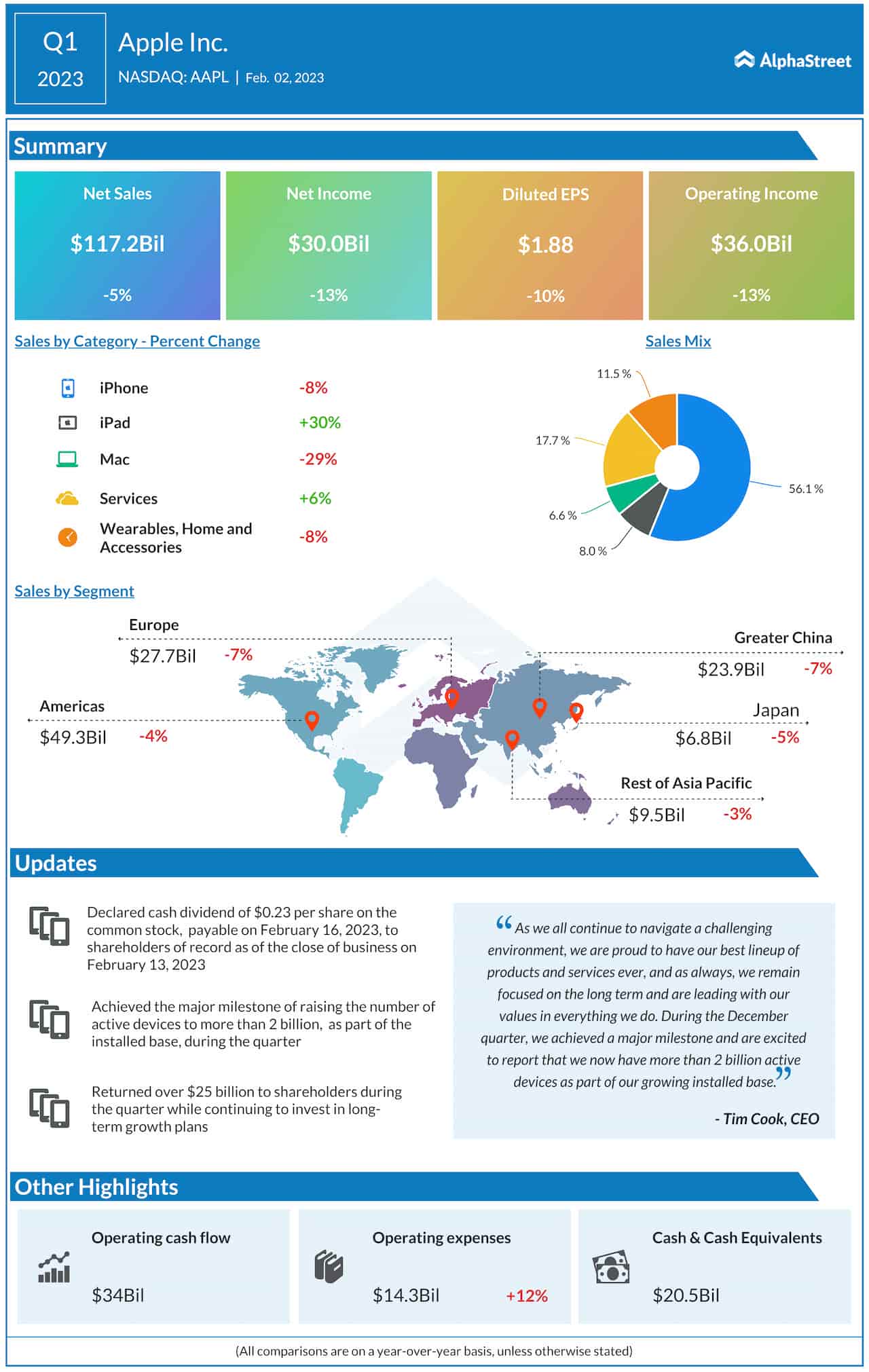
The raw numbers — revenue, net income, and earnings per share (EPS) — are just the beginning. Earnings reports provide a narrative that illustrates the efficacy of a company’s strategy, its resilience against economic headwinds, and its capacity for future growth. For Apple, this includes insights into product category performance (iPhone, Mac, iPad, Wearables, Home and Accessories), the burgeoning Services segment, geographical sales trends, and profit margins.
Beyond the immediate financial figures, the earnings call offers invaluable qualitative insights. Executives discuss product pipelines, supply chain challenges, macroeconomic impacts, and strategic priorities. This qualitative data, combined with the quantitative figures, paints a holistic picture of the company’s trajectory, allowing investors to move beyond simple stock price reactions and engage in deeper fundamental analysis. For instance, understanding the gross margin impact of a shift towards higher-priced iPhone models or the growth rate of Apple Music subscriptions provides a more nuanced view than just headline revenue figures.
Decoding Apple’s Financial Health: Key Metrics to Monitor
When Apple does report its earnings, investors and analysts embark on a meticulous dissection of the figures. This process goes far beyond merely comparing actual results to analyst estimates; it involves understanding the underlying drivers of performance and identifying trends that could signal future opportunities or challenges.
Revenue and Earnings Per Share (EPS): The Headline Figures
The first numbers to hit the wire are typically total revenue and diluted earnings per share (EPS).
- Total Revenue: This indicates the overall sales generated by Apple across all its product and service categories. Growth in revenue signals expanding market reach, successful product launches, or increased demand. Investors pay close attention to year-over-year growth and sequential growth, as well as how actual revenue stacks up against Apple’s own guidance and analyst consensus estimates.
- Earnings Per Share (EPS): This metric represents the portion of a company’s profit allocated to each outstanding share of common stock. It’s a key indicator of profitability from a shareholder’s perspective. A higher EPS generally indicates a more profitable company. Comparing reported EPS to consensus estimates is often the most immediate factor influencing stock price movement post-announcement. A “beat” (actual > estimate) often leads to a positive reaction, while a “miss” (actual < estimate) can trigger a sell-off.
However, a simple beat or miss doesn’t tell the whole story. The quality of the earnings — how they were achieved and whether they are sustainable — is equally important. For example, an EPS beat driven solely by aggressive share buybacks might be viewed differently than one driven by robust organic revenue growth.
Segmental Performance: A Deeper Dive into Apple’s Ecosystem
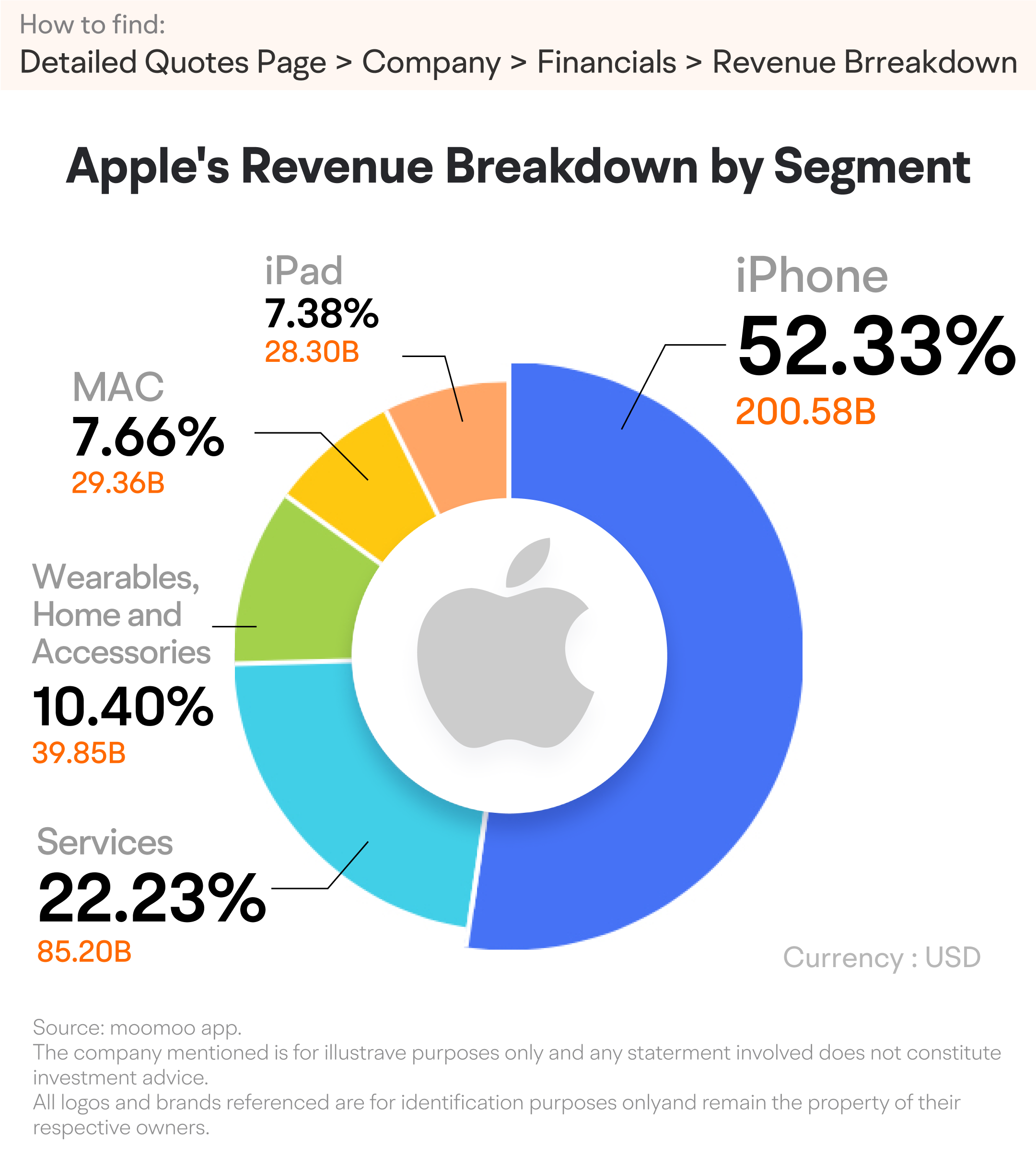
Apple’s business is highly diversified, making a breakdown of revenue by product and service category crucial.
- iPhone: Remains Apple’s flagship product and largest revenue contributor. Investors look for unit sales (though Apple no longer reports these directly, analysts try to infer them), average selling price (ASP), and regional sales performance. The iPhone’s performance often dictates the overall health of Apple’s ecosystem.
- Services: This segment includes the App Store, Apple Music, iCloud, Apple Pay, AppleCare, advertising, and other digital offerings. It’s a high-margin, recurring revenue business that has been a significant growth driver and a key focus for investors. Continued strong growth in Services is often seen as diversifying Apple’s revenue stream away from hardware cycles and improving overall profitability.
- Mac and iPad: While smaller than iPhone, these segments indicate performance in the personal computing and tablet markets. Innovation, market share, and enterprise adoption are key metrics here.
- Wearables, Home and Accessories: This rapidly growing segment includes Apple Watch, AirPods, HomePod, and other accessories. Its growth reflects Apple’s success in expanding its ecosystem beyond core devices and capturing a larger share of consumers’ digital lives.
Analyzing these segments allows investors to understand which parts of Apple’s business are thriving, which are facing headwinds, and how strategic initiatives are playing out. For example, slowing iPhone sales might be offset by accelerating Services growth, indicating a successful pivot in business strategy.
Guidance and Shareholder Returns: Peering into the Future
Perhaps even more impactful than past results is Apple’s forward-looking guidance. Management provides estimates for revenue, gross margin, operating expenses, and tax rate for the upcoming quarter. This guidance offers a window into the company’s expectations regarding future demand, supply chain capabilities, and profitability. A conservative outlook can dampen enthusiasm even after strong past results, while an optimistic forecast can boost confidence.
Additionally, investors closely scrutinize Apple’s capital allocation strategy, which often includes share repurchase programs and dividend payouts. Apple is known for its substantial cash reserves and its consistent return of capital to shareholders through both mechanisms. Announcements of increased dividends or expanded buyback authorizations signal management’s confidence in future cash flows and often support the stock price.
The Broader Market Impact of Apple’s Results
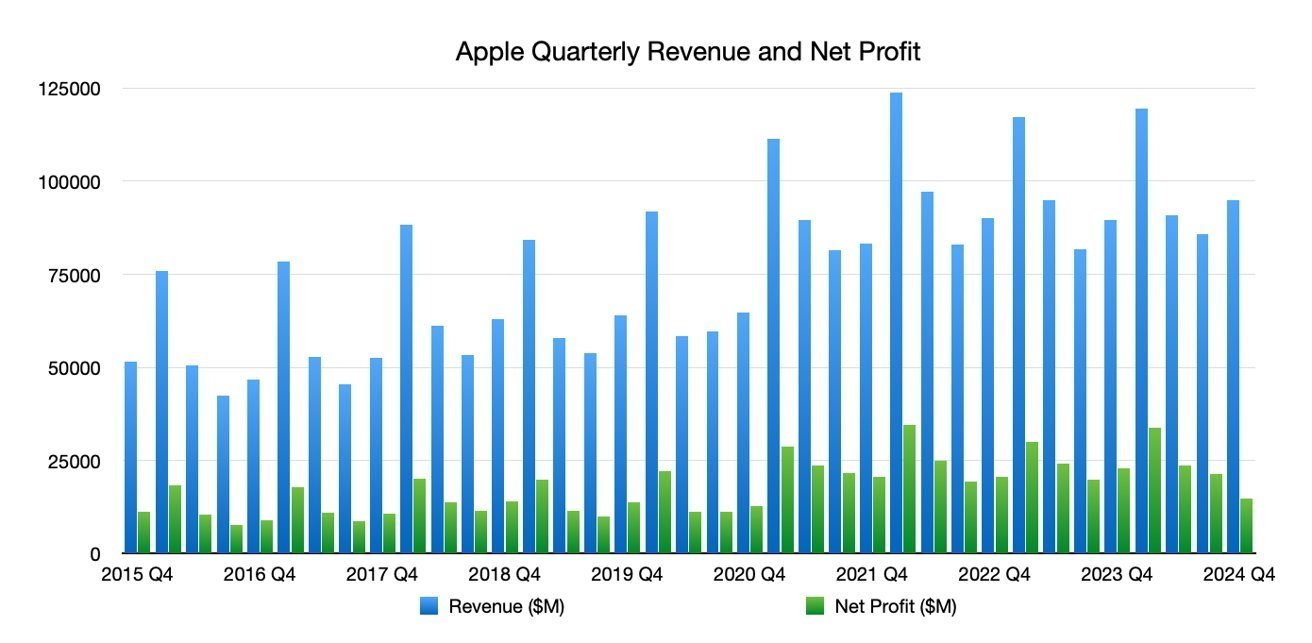
Apple’s sheer size and influence mean that its earnings reports resonate far beyond its own stock ticker. As the largest publicly traded company by market capitalization for extended periods, its financial performance often serves as a bellwether, providing valuable insights into broader economic and industry trends.
Apple as a Bellwether for the Tech Sector
Given its dominant position, Apple’s results are often viewed as a proxy for the entire technology sector and even global consumer spending. Strong iPhone sales, for instance, can indicate robust consumer confidence and disposable income. Conversely, any slowdown in demand for its products might signal broader economic weakness. Its guidance on supply chain issues, component costs, or labor availability can inform expectations for other hardware manufacturers and tech companies.
Moreover, Apple’s performance in key markets like China is particularly scrutinized, as it offers insights into the health of one of the world’s largest consumer economies. Any commentary on foreign exchange impacts or geopolitical factors by Apple’s leadership can also provide context for a wide range of multinational corporations. Therefore, analysts covering a broad spectrum of industries, not just tech, pay close attention to Apple’s earnings call.
Navigating Market Volatility Post-Earnings
The period immediately following Apple’s earnings announcement is often characterized by heightened market volatility. AAPL shares themselves can experience significant price swings, impacting major indices like the Dow Jones Industrial Average, S&P 500, and Nasdaq Composite, due to Apple’s heavy weighting in these benchmarks.
Beyond Apple’s own stock, the ripple effect can be felt across various industries:
- Suppliers: Companies that provide components to Apple (e.g., semiconductor manufacturers, display makers) will see their stocks react based on Apple’s sales volume and guidance.
- Competitors: Other smartphone manufacturers, PC makers, and streaming service providers will be analyzed in the context of Apple’s reported market share and growth rates.
- Retailers: Insights into consumer electronics spending can impact broader retail sector stocks.
Traders often use this volatility to make short-term profits, while long-term investors look for opportune entry or exit points. Understanding the interconnectedness of Apple’s business with the broader market is crucial for interpreting post-earnings movements.
The Analyst Call: Insights from Leadership
The post-earnings conference call featuring Tim Cook and Luca Maestri is a treasure trove of information. It’s not just about the numbers; it’s about the narrative, the forward-looking statements, and the nuance of executive commentary. Analysts probe management on everything from product roadmaps and supply chain resilience to macroeconomic headwinds and competitive pressures.
During this call, investors listen intently for:
- Management Commentary: Detailed explanations for segment performance, growth drivers, and challenges faced during the quarter.
- Forward-Looking Guidance: Specific financial projections for the upcoming quarter, which often have a greater impact on stock price than the reported historical figures.
- Q&A Session: Unscripted responses to analysts’ questions can provide deeper insights into strategic thinking, operational efficiency, and future outlook.
These calls are vital for refining investment models and adjusting future expectations, providing a direct channel to understand the strategic direction of one of the world’s most innovative companies.
Strategic Investment Considerations Around Earnings Season
For investors, earnings season for a company like Apple is not just a spectator sport; it’s a period demanding strategic thought and careful execution. The anticipation, the announcement, and the subsequent market reactions all present distinct considerations for managing an investment portfolio.
Pre-Earnings Speculation vs. Post-Earnings Analysis
Before the earnings report, the market is often rife with speculation. Options traders might bet on significant price movements, while some investors might try to “front-run” anticipated good or bad news. This period is inherently risky, as even minor deviations from expectations can lead to sharp price swings. Relying on rumors or unconfirmed reports can be detrimental.
A more prudent approach for many long-term investors is to wait for the actual report and the subsequent management commentary. Post-earnings, the market has absorbed the new information, and the initial knee-jerk reactions often subside, allowing for a more reasoned analysis. This approach prioritizes fundamental understanding over speculative gambles, aligning with a long-term value investing philosophy.
Long-Term Value vs. Short-Term Fluctuations
Apple’s earnings reports can cause significant short-term price fluctuations. However, for investors focused on long-term value, these quarterly swings might be viewed as noise rather than definitive signals. A robust company with strong fundamentals, a clear growth strategy, and innovative products will likely weather temporary market reactions.
Long-term investors tend to look beyond a single quarter’s revenue beat or miss. They focus on trends in services growth, ecosystem expansion, new product categories, and Apple’s overall ability to generate free cash flow and return capital to shareholders. The ability to maintain gross margins, expand into new geographical markets, or successfully launch a new product line often holds more sway over a multi-year investment horizon than a marginal miss on quarterly EPS. Therefore, understanding the difference between short-term market sentiment and long-term business trajectory is paramount.
Diversification and Risk Management
Investing heavily in a single stock, even one as seemingly invincible as Apple, carries inherent risks. While Apple’s earnings are a critical data point, they should always be considered within the context of a diversified portfolio. No single company is immune to market downturns, unforeseen competition, or geopolitical shocks.
For those with substantial holdings in Apple, or tech stocks in general, earnings season serves as a good reminder to review overall portfolio diversification. While a strong Apple report can lift an entire portfolio, a disappointing one can have the opposite effect. Prudent risk management involves not only understanding individual company performance but also ensuring that one’s investment strategy is robust enough to withstand volatility from any single holding. This includes setting stop-loss orders, reviewing asset allocation, and considering hedging strategies if appropriate.
In conclusion, understanding “when will Apple report earnings” is merely the first step in a much broader process of financial analysis and strategic investment. These quarterly disclosures are vital components of the financial calendar, offering deep insights into Apple’s performance, shaping market sentiment, and influencing investment decisions for millions worldwide. By meticulously dissecting the numbers, listening to management’s commentary, and understanding the broader market context, investors can navigate the complexities of earnings season with greater confidence and insight.
aViewFromTheCave is a participant in the Amazon Services LLC Associates Program, an affiliate advertising program designed to provide a means for sites to earn advertising fees by advertising and linking to Amazon.com. Amazon, the Amazon logo, AmazonSupply, and the AmazonSupply logo are trademarks of Amazon.com, Inc. or its affiliates. As an Amazon Associate we earn affiliate commissions from qualifying purchases.