
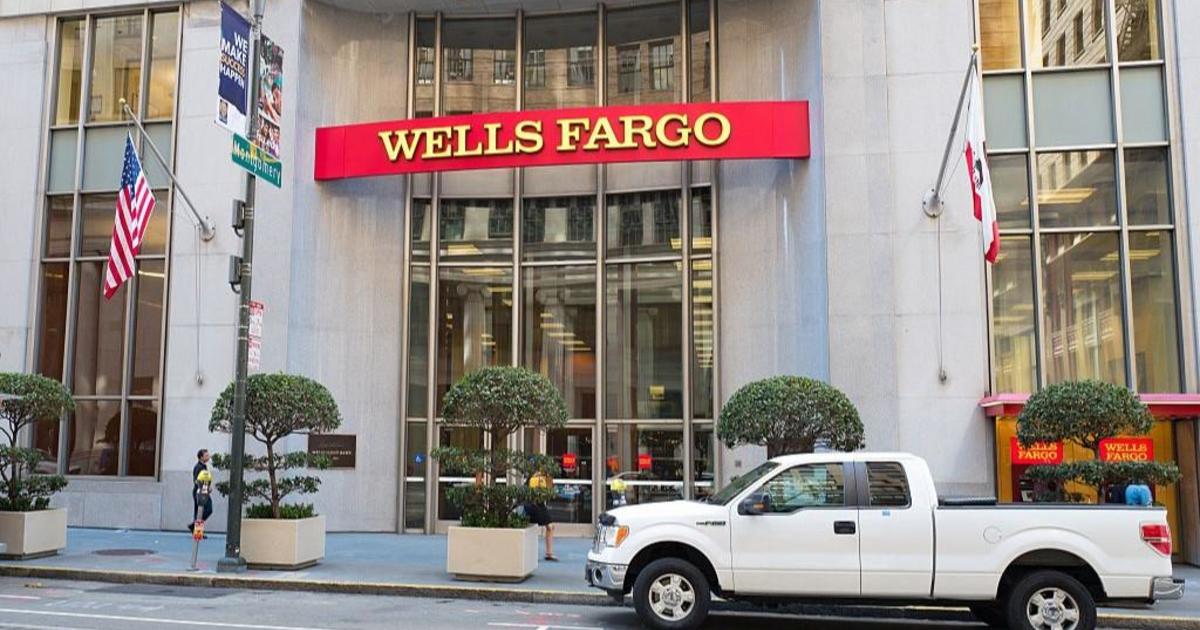
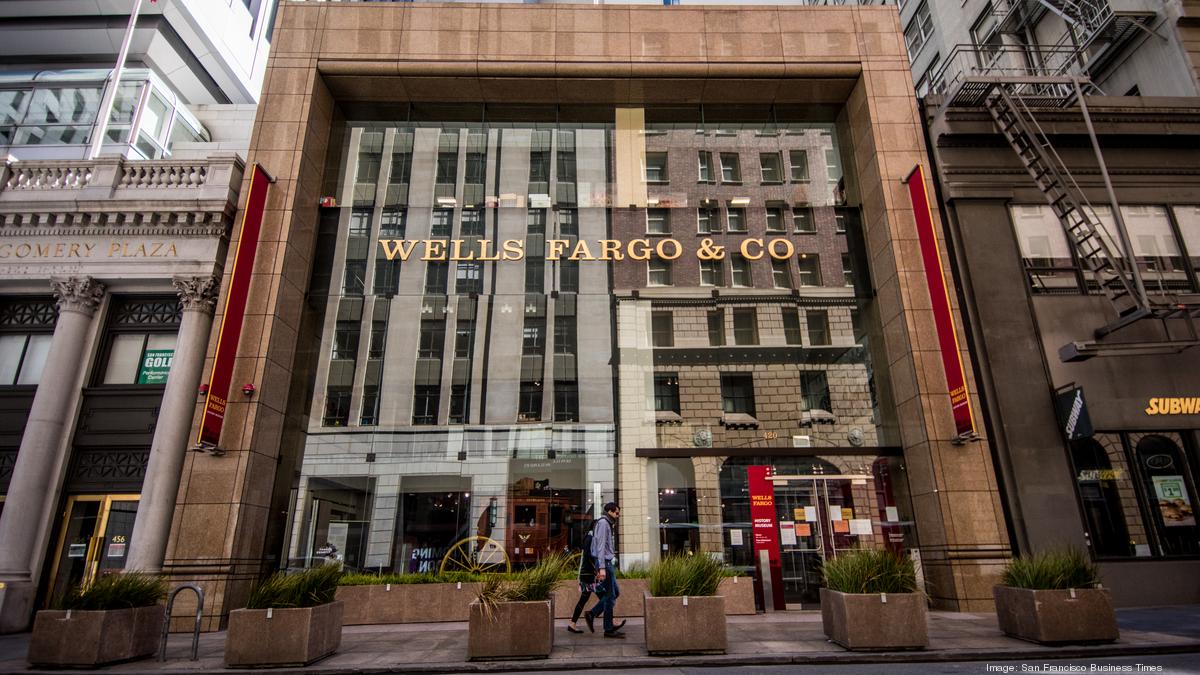
Wells Fargo, a name synonymous with American banking history, maintains its primary corporate headquarters in San Francisco, California. This iconic location places one of the nation’s largest financial institutions in a city renowned for its innovation, entrepreneurial spirit, and significant economic clout. The address, 420 Montgomery Street, stands as a tangible symbol of Wells Fargo’s enduring legacy and its pivotal role in the financial landscape, both historically and in the contemporary era of complex global finance. Understanding the location of Wells Fargo’s headquarters is not merely a geographical query; it’s an insight into the bank’s foundational identity, its operational strategy, and its intricate relationship with regulatory bodies and the broader financial ecosystem.
The Financial Nerve Center: San Francisco’s Enduring Role
The choice of San Francisco as Wells Fargo’s headquarters is deeply rooted in the bank’s origin story and the city’s historical significance during a transformative period in American history. It’s a testament to the enduring influence of the West Coast in shaping the nation’s financial narrative.
A Legacy Rooted in the Gold Rush
Wells Fargo & Company was founded in 1852 by Henry Wells and William G. Fargo, initially as an express and banking company serving the burgeoning West during the California Gold Rush. While their primary operations were initially focused on the East Coast with American Express, the opportunity presented by California’s rapid expansion drew them westward. The company established its first office in San Francisco, providing banking services crucial for miners and merchants, including buying gold dust, selling paper exchange, and making loans.
This direct lineage means San Francisco isn’t just a corporate address; it’s the birthplace of Wells Fargo’s identity as a financial services provider. The city itself, a hub of commerce and migration during the gold rush, necessitated robust financial infrastructure, and Wells Fargo was instrumental in providing it. This historical foundation means that the values and strategic thinking born out of that period – resilience, innovation, and a strong connection to community development – continue to influence the bank’s corporate culture and business finance strategies even today. The historical context positions the headquarters not just as a current operational center but as a living monument to the bank’s evolution from a regional express and banking firm to a national financial behemoth.
The Iconic 420 Montgomery Street Address
The current headquarters building at 420 Montgomery Street is more than just an office tower; it’s a prominent landmark in San Francisco’s Financial District. This address houses the executive leadership, critical corporate functions, and strategic decision-making bodies that steer Wells Fargo’s vast operations. Being situated in a global financial hub like San Francisco provides several strategic advantages for a major financial institution.
Firstly, proximity to other key financial players, venture capital firms, and technology companies fosters an environment of collaboration and competitive intelligence, crucial for developing new financial products and services. Secondly, the location offers access to a diverse and highly skilled talent pool, essential for innovation in banking, digital transformation, and risk management. Lastly, the physical presence in San Francisco reinforces Wells Fargo’s commitment to its historical roots while simultaneously projecting an image of modern financial leadership. The decisions made within the walls of 420 Montgomery Street directly impact the bank’s financial performance, regulatory compliance, and market position, making it the true nerve center of its extensive financial empire.
Beyond San Francisco: Wells Fargo’s Distributed Financial Operations
While San Francisco serves as the official corporate headquarters, the sheer scale of Wells Fargo’s operations necessitates a geographically diversified footprint. A bank of its magnitude, offering a comprehensive suite of financial services, relies on major operational hubs strategically located across the United States. These hubs specialize in different aspects of the bank’s business finance and service delivery, ensuring efficiency and tailored regional support.
Charlotte, NC: A Major East Coast Hub
Charlotte, North Carolina, has emerged as a critical operational center for Wells Fargo, particularly following its acquisition of Wachovia in 2008. This merger significantly expanded Wells Fargo’s presence on the East Coast and integrated Wachovia’s substantial operations into its structure. Today, Charlotte houses a significant portion of Wells Fargo’s institutional banking, wealth management, capital markets, and wholesale banking divisions.
The concentration of these functions in Charlotte highlights its importance in the bank’s overall business finance strategy. It allows Wells Fargo to tap into the East Coast’s financial talent pool, provide robust support to its clients in the region, and manage extensive operations related to trading, corporate lending, and investment services. The strategic decision to maintain and grow this hub underscores a distributed operational model, where different geographic centers focus on specific financial functions to optimize efficiency and market reach.
Des Moines, IA: Insurance and Mortgage Operations
Des Moines, Iowa, might not be as widely recognized as a financial hub as San Francisco or Charlotte, but it plays a vital role in Wells Fargo’s operational architecture. This city serves as a primary center for the bank’s insurance services and a significant portion of its mortgage operations. Iowa’s strong regulatory environment for insurance and its central location have historically attracted major insurance and financial services companies.
For Wells Fargo, consolidating these specialized financial services in Des Moines allows for focused expertise, streamlined processing, and efficient customer service for millions of insurance policyholders and mortgage borrowers. This specialization reflects a strategic approach to business finance, where certain high-volume, process-intensive operations are centralized in locations that offer cost efficiencies and a stable workforce, ensuring competitive pricing and consistent service delivery for these crucial financial products.
Other Key Operational Centers
Beyond these major hubs, Wells Fargo maintains a vast network of operational centers and administrative offices across the United States and globally. These locations support various functions, including:
- Risk Management and Compliance: Various offices are dedicated to overseeing the bank’s adherence to intricate financial regulations, a critical aspect of modern banking given the heightened scrutiny from federal and state authorities.
- Technology and Innovation: With the increasing importance of digital banking, Wells Fargo has invested in tech hubs to drive innovation in online banking, mobile apps, and cybersecurity, often leveraging talent pools in regions known for technological advancement.
- Customer Service and Branch Network Support: Numerous centers provide back-office support for the bank’s extensive branch network, ensuring seamless operations for deposit-taking, lending, and other retail banking services.
- Data Centers: Secure data centers are strategically located to manage and protect the vast amounts of financial data processed daily, critical for financial integrity and customer trust.
This distributed operational model is fundamental to managing the complexity and scale of a diversified financial institution, allowing Wells Fargo to effectively serve its millions of customers and maintain its market position across various financial sectors.
The Strategic Importance of Headquarters Location in Finance
The location of a major bank’s headquarters carries profound strategic implications that extend far beyond simple geography. For a financial institution like Wells Fargo, its base in San Francisco influences everything from its regulatory environment and talent acquisition to its corporate identity and investor perceptions.
Regulatory Oversight and Compliance
Being headquartered in California subjects Wells Fargo to a unique blend of federal and state regulatory frameworks. While federal bodies like the Office of the Comptroller of the Currency (OCC), the Federal Reserve, and the Consumer Financial Protection Bureau (CFPB) oversee its national operations, the bank must also navigate California’s stringent state banking laws and consumer protection regulations. California often sets precedents in areas like environmental sustainability, data privacy, and employment law, which can impose additional compliance burdens and costs but also shape the bank’s approach to corporate social responsibility and risk management.
The constant interaction with regulators at both federal and state levels requires dedicated legal and compliance teams, representing a significant aspect of the bank’s operational finance. The proximity of the headquarters to various regulatory offices (even if federal agencies are primarily in D.C., regional offices are crucial) can facilitate communication and responsiveness during examinations and investigations, which is vital for maintaining good standing in the heavily regulated financial industry.
Talent Acquisition and Economic Ecosystem
San Francisco is a global magnet for talent, especially in technology, finance, and innovation. This geographic advantage allows Wells Fargo to attract top-tier professionals in areas critical to modern banking, such as data science, artificial intelligence, cybersecurity, and fintech development. Access to this diverse and highly skilled workforce is crucial for driving the bank’s digital transformation initiatives and staying competitive in an evolving financial landscape.
Furthermore, being embedded within the San Francisco Bay Area’s vibrant economic ecosystem means Wells Fargo is at the nexus of venture capital, startups, and established tech giants. This proximity fosters opportunities for strategic partnerships, investments in financial technology (fintech), and a deeper understanding of emerging economic trends that can shape future financial products and services. The local economic health and dynamism directly impact the bank’s ability to innovate, grow its business finance, and serve a diverse client base effectively.
Corporate Identity and Investor Perception
A bank’s headquarters location also plays a significant role in shaping its corporate identity and influencing investor perception. For Wells Fargo, its San Francisco base evokes a sense of pioneering spirit, innovation, and a connection to the West Coast’s dynamic economy. This identity can appeal to investors seeking exposure to technologically advanced and forward-thinking financial institutions.
However, a high-profile location also means heightened public and media scrutiny. When controversies arise, such as those Wells Fargo has faced in the past, the headquarters becomes a focal point for public accountability and corporate response. Investor confidence can be directly linked to how effectively the bank’s leadership, housed at the headquarters, addresses challenges, implements reforms, and demonstrates a commitment to ethical business practices. The physical manifestation of the headquarters serves as a symbol of the bank’s stability, leadership, and its commitment to transparency in financial reporting and governance.
Wells Fargo’s Financial Structure and Corporate Governance
The headquarters is the epicenter of Wells Fargo’s financial structure and corporate governance, where the strategic direction for its vast network of financial services is determined. It’s from this central point that decisions cascade, influencing everything from investment strategies to shareholder relations.
Centralized Leadership and Strategic Direction
At 420 Montgomery Street, the CEO, CFO, and other top-tier executives convene to formulate Wells Fargo’s overarching business strategies, allocate capital, manage enterprise-wide risks, and set the tone for its corporate culture. These centralized functions are vital for ensuring coherence across its diverse business lines—from retail banking and wealth management to wholesale banking and investment services.
Decisions made at the headquarters regarding mergers and acquisitions, divestitures, major technology investments, and market entry strategies directly impact the bank’s financial health and future growth trajectory. The centralized leadership ensures that the bank’s extensive balance sheet and income statements are managed with a unified vision, aligning the efforts of thousands of employees across different departments and geographies towards common financial objectives. This includes setting targets for profitability, managing credit risk, and optimizing operational efficiency across the entire organization.
Shareholder Engagement and Transparency
The headquarters is also the primary point of contact for investor relations. Annual shareholder meetings are typically conducted from or near this location, providing a forum for dialogue between the bank’s leadership and its owners. Financial reports, quarterly earnings announcements, and investor briefings originate from this central point, adhering to stringent transparency requirements set by regulatory bodies like the Securities and Exchange Commission (SEC).
Maintaining transparent communication with shareholders and the broader investment community is crucial for a publicly traded financial institution. The headquarters staff is responsible for compiling and disseminating accurate financial data, explaining strategic decisions, and addressing concerns, all of which impact the bank’s stock price and its ability to attract and retain capital. This engagement is a cornerstone of sound corporate governance, ensuring accountability to those who invest in Wells Fargo.
Responding to Financial Challenges and Evolution
In times of financial crisis or significant regulatory scrutiny, the headquarters plays an even more critical role. It becomes the command center for crisis management, where legal teams, communication experts, and executive leadership coordinate responses, implement corrective actions, and engage directly with regulatory authorities. The ability of the headquarters to quickly and effectively respond to challenges, whether related to operational errors, market volatility, or ethical lapses, directly impacts the bank’s reputation and its financial stability.
The ongoing evolution of the financial industry, driven by digital transformation, new competition from fintech companies, and changing customer expectations, also requires constant strategic adaptation from the headquarters. Decisions related to investing in new technologies, reorganizing business units, or re-evaluating risk models are all spearheaded from this central location, ensuring that Wells Fargo remains agile and competitive in a rapidly changing global financial landscape.
Understanding Wells Fargo’s Global Financial Footprint
While its headquarters anchors Wells Fargo firmly in the United States, the bank’s reach extends beyond national borders, influencing global financial markets and serving a diverse international clientele. This global footprint, though less emphasized than its domestic presence, is integral to its overall business finance strategy.
International Presence and Business Lines
Wells Fargo maintains a select international presence, primarily focused on supporting its large corporate, institutional, and government clients with global banking needs. Instead of a vast retail network, its international operations are concentrated in key financial centers worldwide, offering services such as:
- Trade Finance: Facilitating international trade for businesses through letters of credit, supply chain finance, and export/import financing.
- Foreign Exchange: Providing currency exchange services and hedging solutions for corporate clients operating across different economies.
- International Treasury Management: Assisting multinational corporations with managing their cash flow, payments, and liquidity across various countries.
- Wholesale Banking: Supporting large corporations and financial institutions with their international lending, capital markets, and advisory needs.
These international offices, strategically located in places like London, Hong Kong, Tokyo, and Frankfurt, serve as conduits for channeling global capital and facilitating cross-border transactions for its clients. This focused international strategy allows Wells Fargo to leverage its domestic strength to support clients’ global ambitions without incurring the significant operational overhead of a vast international retail network.

Impact on Local and Global Economies
Wells Fargo’s operations, both domestic and international, have a significant economic impact. In San Francisco, it is a major employer and a contributor to the local tax base, supporting a myriad of ancillary businesses and services. Its lending activities, whether for small businesses, large corporations, or individual homeowners, fuel economic growth across the country.
Globally, its trade finance and international wholesale banking activities support businesses engaged in cross-border commerce, contributing to global supply chains and economic integration. By facilitating the flow of capital and providing essential financial services, Wells Fargo plays a role in sustaining economic activity and promoting investment, reflecting its broad influence as a major player in both domestic and international financial markets. The headquarters in San Francisco remains the strategic heart that orchestrates this vast and influential financial network.
aViewFromTheCave is a participant in the Amazon Services LLC Associates Program, an affiliate advertising program designed to provide a means for sites to earn advertising fees by advertising and linking to Amazon.com. Amazon, the Amazon logo, AmazonSupply, and the AmazonSupply logo are trademarks of Amazon.com, Inc. or its affiliates. As an Amazon Associate we earn affiliate commissions from qualifying purchases.