
Relocating to a new home is often an exciting, yet administratively demanding, life event. Amidst the flurry of packing, unpacking, and setting up utilities, updating your financial institutions should rank high on your priority list. For Bank of America account holders, ensuring your address is current is not merely a formality; it’s a critical step in safeguarding your financial security, ensuring uninterrupted access to vital account information, and maintaining compliance with regulatory standards. An outdated address can lead to a cascade of potential issues, from missed statements and delayed credit card renewals to more serious risks like identity theft.
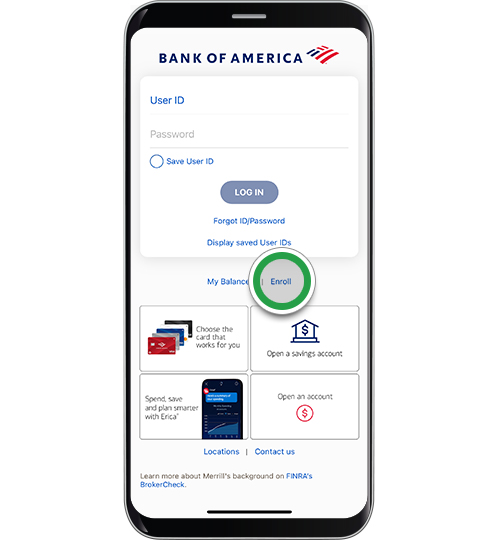
This comprehensive guide will walk you through the various methods available to change your address with Bank of America, offering detailed step-by-step instructions and crucial considerations to ensure a smooth and secure transition. By understanding your options and what to expect, you can confidently update your information, ensuring your financial life remains organized and secure, no matter where you call home.
The Imperative of an Up-to-Date Bank Address: Why It Matters for Your Finances
In the intricate world of personal finance, accuracy and timely communication are paramount. Your address serves as a cornerstone for how your bank interacts with you and verifies your identity. Neglecting to update this crucial piece of information can expose you to a range of financial vulnerabilities and operational inconveniences.
Safeguarding Your Financial Security
An outdated address is a beacon for potential fraud and identity theft. Consider the implications: new debit or credit cards, paper statements, or even sensitive tax documents mailed to an old residence could fall into the wrong hands. Unauthorized individuals gaining access to such mail can easily piece together enough information to compromise your accounts, open new lines of credit in your name, or worse, completely hijack your identity. Bank of America, like all financial institutions, relies on your registered address for identity verification, especially during sensitive transactions or when new cards are issued. Keeping this information current is a fundamental, yet often overlooked, layer of defense in your personal finance security strategy. It ensures that all physical communications, which often contain critical personal and financial data, reach you and only you.
Ensuring Critical Financial Communications
Banks communicate essential information through various channels, and postal mail remains a significant one, particularly for official documents. Imagine missing your monthly bank statements, which are vital for tracking spending, identifying discrepancies, and reconciling your accounts. Even more critical are tax documents, such as 1099 forms for interest income or investment gains, which are legally required for tax filing. Failure to receive these can lead to missed deadlines, incorrect tax returns, and potential penalties. Loan documents, annual privacy policy updates, and notifications about changes to account terms or fees also typically arrive via mail. An incorrect address can lead to a breakdown in this vital communication, leaving you uninformed about changes that could directly impact your financial well-being, investment strategies, or borrowing costs.
Preventing Service Disruptions and Penalties
Beyond security and communication, an incorrect address can directly disrupt your banking services and even incur financial penalties. For instance, when your debit or credit card expires, a new one is automatically mailed to your address on file. If that address is old, your new card might never reach you, leaving you without access to funds or credit until the issue is resolved. Similarly, banks use your address for important verification processes, especially when applying for new loans, mortgages, or even large transactions. If your registered address doesn’t match other official documents or credit reports, it can trigger delays, additional verification steps, or even outright rejections. In some cases, if a bank cannot reach you with critical information, it could lead to an account being flagged or, in extreme cases of dormancy, funds being escheated to the state, resulting in a complex reclamation process and potential fees. Proactive address updates are therefore a cornerstone of uninterrupted and hassle-free financial management.
Navigating Your Options: Methods to Update Your Address with Bank of America
Bank of America understands that its diverse customer base requires flexible solutions for managing their accounts. As such, they offer several convenient methods to update your address, catering to various preferences and circumstances. Each method comes with its own set of advantages, from digital speed to personalized assistance.
The Digital Edge: Online Banking and Mobile App
For many, the most convenient and fastest way to update an address is through Bank of America’s robust digital platforms. Both online banking via their website and the Bank of America mobile app offer intuitive interfaces designed for quick and secure profile management. The primary advantage here is accessibility: you can make the change 24/7 from virtually anywhere, eliminating the need to visit a physical branch or make a phone call during business hours. These digital channels are fortified with multiple layers of security, including encryption and multi-factor authentication, to protect your personal and financial data during the update process. This method is ideal for tech-savvy individuals who prioritize efficiency and digital self-service.
Personal Touch: Phone Support and In-Branch Visits
While digital methods offer unparalleled convenience, sometimes a human touch is preferred or necessary. Bank of America’s customer service representatives are available by phone to assist with address changes. This option is particularly useful if you have complex account structures, joint accounts, or specific questions that require direct clarification. Speaking to a representative can provide peace of mind and ensure all nuances of your request are understood. Similarly, visiting a Bank of America branch in person offers the highest level of personalized assistance. This is an excellent option if you prefer face-to-face interaction, need to verify your identity with physical documents, or have other banking needs to address simultaneously. The ability to speak directly with a banker can be reassuring, especially for individuals who are less comfortable with digital transactions or for more intricate situations.
The Traditional Route: Changing Your Address by Mail
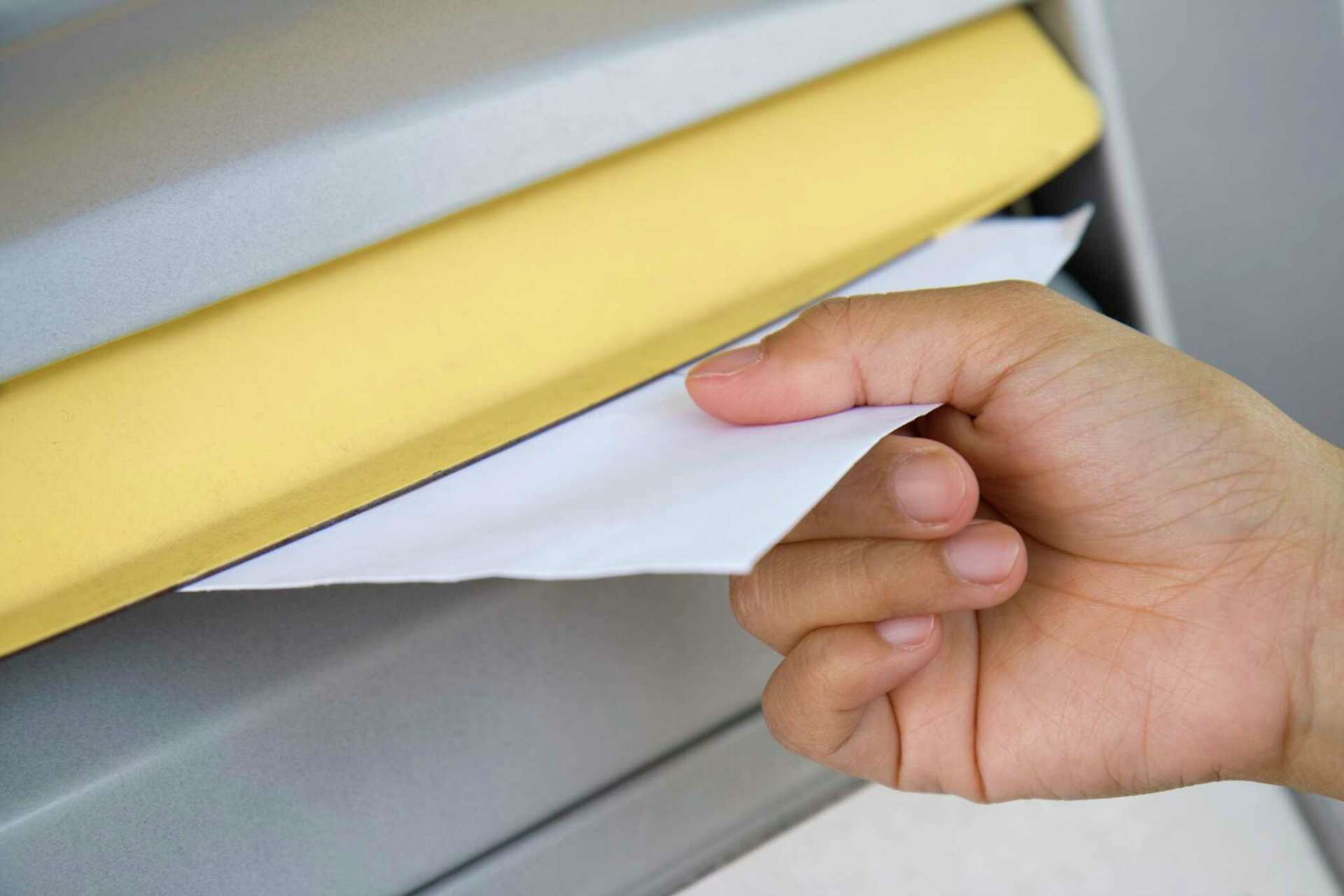
Although less common in the digital age, updating your address by mail remains a viable option, particularly for those who prefer physical correspondence or for situations where digital or phone access is challenging. This method involves sending a written request, often accompanied by supporting documentation, directly to Bank of America. While it is the slowest method due to mail processing and handling times, it provides a physical record of your request. When opting for this method, it’s crucial to ensure the security of your correspondence and include all necessary information to prevent delays. This traditional approach caters to a segment of customers who may not have ready access to technology or simply prefer a more conventional way of managing their banking affairs.
A Step-by-Step Guide to Updating Your Address Successfully
Regardless of the method you choose, a clear understanding of the process will ensure your address update with Bank of America is executed smoothly and accurately. Here’s a detailed walkthrough for each primary option.
Online Banking Walkthrough
- Log In Securely: Visit the official Bank of America website (bankofamerica.com) and log in to your online banking account using your User ID and Passcode. You may need to complete a multi-factor authentication step, such as entering a one-time code sent to your phone or email.
- Navigate to Profile/Settings: Once logged in, look for a section labeled “Profile & Settings,” “My Profile,” “Customer Service,” or a similar option. This is typically found in the top navigation bar, a dropdown menu under your name, or a sidebar menu.
- Locate Contact Information: Within the profile section, find “Contact Information,” “Address,” or “Personal Details.”
- Edit Your Address: Select the option to “Edit” or “Update” your mailing address.
- Enter New Details: Carefully input your new street address, apartment/unit number, city, state, and ZIP code. Double-check for any typos.
- Review and Confirm: Review all entered information for accuracy. Bank of America may ask you to verify your identity again at this stage. Once satisfied, click “Submit” or “Confirm.”
- Confirmation: You should receive an on-screen confirmation and often an email notification confirming the change.
Mobile Banking App Instructions
- Launch and Log In: Open the Bank of America Mobile Banking App on your smartphone or tablet and log in using your credentials.
- Access Profile: Tap the “Menu” icon (often three horizontal lines) typically located in the top-left or top-right corner.
- Find Settings/Profile: Navigate to “Profile & Settings” or “Customer Service.”
- Update Address: Locate the option to “Update Address” or “Edit Contact Information.”
- Input New Address: Enter your complete new address details.
- Verify and Submit: Confirm your identity as prompted (e.g., password, fingerprint, face ID) and submit the changes.
- Receive Confirmation: Look for an in-app confirmation message.
Phone Call Protocol
- Gather Information: Have your account number(s), old address, new address, and personal identifying information (e.g., date of birth, Social Security Number last four digits) ready.
- Call Customer Service: Dial Bank of America’s customer service number. This can be found on the back of your debit/credit card or on their official website under “Contact Us.”
- Identity Verification: Once connected, the representative will ask a series of security questions to verify your identity.
- State Your Request: Clearly inform the representative that you wish to change your mailing address.
- Provide Details: Furnish your new address and any other requested information.
- Confirm the Change: Ask the representative to confirm the update and which accounts it applies to. Request a confirmation number or note of the interaction.
In-Branch Visit Essentials
- Locate a Branch: Use the Bank of America website or app to find your nearest branch.
- Bring Required Documents: Bring a valid government-issued photo ID (e.g., driver’s license, state ID, passport) that displays your current signature. It’s also advisable to bring proof of your new address, such as a recent utility bill or lease agreement, especially if your ID doesn’t reflect your new address yet.
- Speak with a Banker: Inform the banker at the counter or desk that you need to update your address.
- Complete Forms/Verification: You may be asked to fill out a change of address form and will undergo an in-person identity verification process.
- Confirm Accounts: Ensure the banker updates all relevant accounts (checking, savings, credit cards, etc.) linked to your profile.
- Request Confirmation: Ask for a printout or email confirmation that the change has been processed.
Mail-In Procedure Explained
- Check for Forms: Visit the Bank of America website to see if there’s a specific “Change of Address” form available for download. If not, a written letter will suffice.
- Draft a Letter/Fill Form: Clearly state your full name, old address, new address, and all relevant account numbers (checking, savings, credit card, loan).
- Include Identification: Attach a photocopy of a valid government-issued photo ID. Do not send original documents.
- Sign and Date: Sign and date your letter or form.
- Mail Securely: Send the letter to Bank of America’s designated mailing address for account maintenance. You can find this address on their website under “Contact Us” or by calling customer service. For added security and proof of mailing, consider sending it via certified mail with a return receipt requested.
- Allow Processing Time: Be aware that this method will take longer than digital or phone options. Monitor your accounts for the address update to reflect.
Beyond the Update: Essential Considerations for Seamless Transition
Changing your address with Bank of America is just one piece of the puzzle. To ensure a truly seamless transition and avoid future complications, there are several other important factors to consider once the update process is initiated.
What Information You’ll Need
Regardless of the method, having key information readily available will expedite the process:
- Old Address: Your previous mailing address on file with Bank of America.
- New Address: Your complete new street address, including apartment/unit number, city, state, and ZIP code.
- Account Numbers: All relevant account numbers (checking, savings, credit cards, loans, investments).
- Personal Identifying Information (PII): This may include your Social Security Number (last four digits), date of birth, mother’s maiden name, or answers to security questions for verification.
- Valid Photo ID: A government-issued ID (driver’s license, passport) for in-person or mail requests. Proof of new address (utility bill, lease) might also be beneficial for in-person visits if your ID doesn’t yet reflect your new home.
Impact on Various Account Types
It’s crucial to understand that an address change might not automatically propagate across all your Bank of America related accounts. While your primary checking and savings accounts are usually linked, you should specifically confirm the update for:
- Credit Cards: Ensure any Bank of America-issued credit cards (Visa, Mastercard) are updated. New cards often require a re-issue if the address changes.
- Loans and Mortgages: Residential mortgages, auto loans, and personal loans may have separate address records. Confirm these are updated to ensure loan statements and important notices reach you.
- Investment Accounts: If you have investment accounts through Merrill Lynch, which is part of Bank of America, you might need to update that information separately or ensure the bank change automatically pushes to Merrill. Always verify.
- Joint Accounts and Business Accounts: For joint personal accounts, both parties might need to verify the change. For business accounts, the authorized signatory will need to initiate the update, and separate documentation might be required.
Verification and Confirmation: Closing the Loop
After submitting your address change request, don’t assume it’s done. Take proactive steps to confirm the update:
- Online Banking/Mobile App: Log in a few days later and check your profile settings to see if the new address is displayed.
- Confirmation Notifications: Look for a confirmation email or a physical letter from Bank of America acknowledging the change.
- Next Statement: Once your next account statement arrives (either digitally or physically), verify that the new address is correctly printed on it.
- Call Back: If you don’t see the change reflected within a reasonable timeframe (e.g., 5-7 business days for digital, longer for mail), call customer service to follow up.
Anticipating and Addressing Potential Issues
Even with careful planning, sometimes issues arise:
- Delays: Mail-in requests naturally take longer. Digital updates are usually quick, but occasional system delays can occur.
- Incomplete Updates: If only one account’s address was changed (e.g., checking but not credit card), you’ll need to follow up for the others.
- Verification Challenges: If the bank can’t verify your identity, they might put a hold on the request. Be prepared to provide additional documentation if asked.
- No Confirmation: If you don’t receive a confirmation within the expected timeframe, contact Bank of America customer service with details of when and how you submitted your request.
Proactive Financial Management: Why Keeping Your Bank Records Pristine is a Smart Money Move
In the grand scheme of personal finance, maintaining accurate records with your bank, especially your address, might seem like a minor administrative task. However, its implications for your financial health and security are profound. Proactive address updates are not just about convenience; they are an integral component of responsible financial stewardship.
Mitigating Fraud and Identity Theft Risks
The financial and emotional toll of identity theft can be devastating. By consistently keeping your Bank of America address current, you significantly reduce the risk of critical financial documents, new cards, or sensitive communications falling into the wrong hands. This single act forms a vital shield against fraudsters who often prey on outdated information. It ensures that the bank’s security protocols, which rely on accurate contact details for transaction alerts and suspicious activity notifications, can function effectively to protect your assets. A correct address empowers both you and your bank to swiftly detect and respond to any potential threats, saving you countless hours of stress and potential financial losses.
Enhancing Financial Clarity and Control
Accurate bank records contribute directly to greater financial clarity and control. When statements, notices, and updates reach you promptly and reliably, you are better equipped to monitor your spending, track investments, pay bills on time, and reconcile your accounts. This level of organization is foundational to effective budgeting, debt management, and financial planning. Missing information due to an incorrect address can create gaps in your financial awareness, leading to missed payments, overdrafts, or overlooked opportunities for saving and investing. By ensuring your address is always up-to-date, you foster an environment of transparency and control over your financial narrative, making informed decisions easier and more frequent.
Building a Strong Relationship with Your Financial Institution
Your relationship with Bank of America, like any financial partnership, thrives on trust and accurate information. Providing them with your current address demonstrates a commitment to responsible account management, which in turn allows the bank to serve you more effectively. It streamlines all interactions, from customer service inquiries to loan applications, as your identity and contact details are consistently verified and reliable. A history of accurate records fosters a smoother, more efficient banking experience, preventing unnecessary delays, complications, and the frustration that arises from administrative errors. Ultimately, keeping your bank records pristine is a small effort with significant returns, reinforcing your financial security, enhancing your control, and solidifying a dependable relationship with one of your most important financial partners.
aViewFromTheCave is a participant in the Amazon Services LLC Associates Program, an affiliate advertising program designed to provide a means for sites to earn advertising fees by advertising and linking to Amazon.com. Amazon, the Amazon logo, AmazonSupply, and the AmazonSupply logo are trademarks of Amazon.com, Inc. or its affiliates. As an Amazon Associate we earn affiliate commissions from qualifying purchases.