
In an increasingly digital world, the question “what banks are near me” might seem like a relic of a bygone era. Yet, despite the proliferation of online-only banks and advanced mobile banking apps, the need for a local financial institution remains surprisingly robust for millions. For many, a physical branch represents a cornerstone of their financial life, offering a blend of convenience, personalized service, and access to essential amenities that digital platforms simply cannot replicate.
This guide delves into the enduring importance of local banks and credit unions, providing practical strategies for finding them and critical factors to consider when choosing the right financial partner. We’ll explore how proximity intersects with product offerings, customer service, and the broader landscape of personal and business finance, ensuring you make an informed decision tailored to your unique needs.
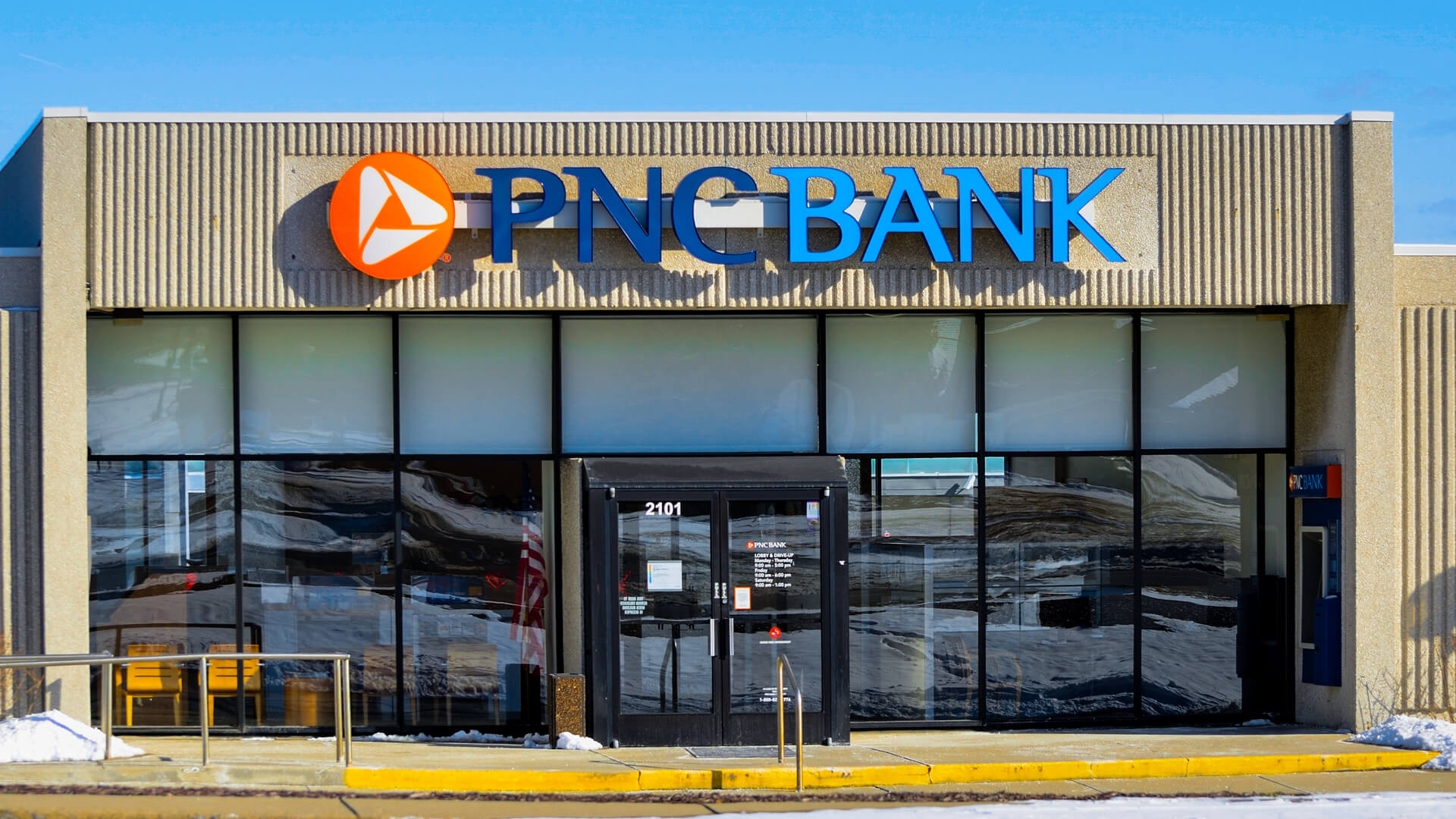
The Enduring Value of a Local Bank Branch in the Digital Age
While online banking has revolutionized daily transactions, the physical bank branch continues to play a vital role in financial management for a diverse array of reasons. Its value extends far beyond mere convenience, touching upon aspects of personalized service, security, and the handling of specific financial requirements that demand a human touch.
Convenience and Accessibility: Beyond the ATM
The most immediate benefit of a local bank is, naturally, convenience. Access to an ATM network is crucial for cash withdrawals and deposits, but a physical branch offers much more. For individuals and businesses that regularly handle cash, such as retail stores, restaurants, or service providers, a nearby branch facilitates swift and secure deposits, minimizing the risk associated with holding large sums of money. Similarly, for personal finance, needing a cashier’s check, a large cash withdrawal, or assistance with a complex transaction often necessitates a visit to a branch. The ease of walking in and resolving an issue face-to-face can save significant time and frustration compared to navigating automated phone systems or waiting for email responses. Moreover, for those less comfortable with digital interfaces, a local branch provides an accessible gateway to managing their money without technological hurdles.
Personalized Service and Relationship Building
One of the most compelling arguments for maintaining a relationship with a local bank is the opportunity for personalized service. Unlike large, anonymous call centers, a local branch fosters genuine human connections. Bank tellers and branch managers can come to know their regular customers by name, understanding their financial history and anticipating their needs. This level of familiarity can be invaluable when seeking advice on managing accounts, applying for loans, or resolving disputes. For small business owners, developing a relationship with a local banker can open doors to more tailored financial products, flexible lending options, and invaluable local market insights. This personalized approach often translates into a higher quality of customer service, where problems are addressed more empathetically and efficiently, and financial goals are supported with dedicated attention.
Addressing Specific Financial Needs: From Notary to Loans
Certain financial services inherently require a physical presence. Notary services, often needed for legal documents, loan applications, and real estate transactions, are a common offering at bank branches. Accessing a safe deposit box for storing important documents, valuables, or heirlooms is another exclusive service provided by physical locations. When it comes to significant financial decisions like obtaining a mortgage, securing a business loan, or even setting up complex investment accounts, many individuals and business owners prefer the reassurance of discussing these matters in person. The ability to sit down with a loan officer, ask detailed questions, and review documentation together can significantly reduce stress and confusion, ensuring clarity and confidence in major financial commitments. These essential, high-touch services solidify the irreplaceable role of a local bank branch.
Navigating Your Search: Effective Strategies to Locate Nearby Financial Institutions
Finding a bank near you has never been easier, thanks to a combination of modern digital tools and traditional community resources. Employing the right search strategies can quickly connect you with suitable financial institutions that meet your geographic and service requirements.
Leveraging Digital Tools: Maps and Bank Locators
The most straightforward method for finding banks nearby is through online search engines and mapping applications. A simple query like “banks near me” or “credit unions in [your city/zip code]” on Google Maps, Apple Maps, or Waze will yield a list of local branches, complete with addresses, operating hours, phone numbers, and sometimes even customer reviews. These platforms often allow you to filter by specific bank names if you have a preference. Most major banks and credit unions also feature their own “branch locator” tools on their official websites. These proprietary tools can be particularly useful as they often provide more detailed information about the specific services available at each branch (e.g., drive-thru, ATM types, foreign currency exchange), which might not be readily apparent on general mapping services.
Mobile Banking Apps: Your Pocket Branch Finder
Beyond general mapping applications, your existing mobile banking app (if you already have an account) often includes a robust branch and ATM locator feature. This is incredibly convenient for current customers who might be traveling or simply exploring new areas. These in-app locators are usually updated frequently and provide real-time information about branch availability and services. Even if you’re not yet a customer, many major financial institutions offer standalone apps or website features that allow non-customers to locate branches, making it a quick way to survey options from various providers without having to visit multiple websites.
Community Insights and Recommendations
While digital tools are powerful, don’t underestimate the value of local knowledge. Asking friends, family, neighbors, or local business owners for their recommendations can provide invaluable insights into the quality of service, community involvement, and specific benefits of local banks and credit unions. Local community forums, social media groups, and even local business associations can also be excellent sources of information. These personal recommendations often highlight aspects that online reviews might miss, such as the friendliness of staff, the ease of opening an account, or the bank’s willingness to support local initiatives. For businesses, consulting with other entrepreneurs in the area can reveal which financial institutions are particularly adept at handling commercial accounts or offering favorable business lending terms.
Beyond Proximity: Key Factors in Selecting Your Ideal Local Bank
While finding a bank “near me” solves the logistical challenge, choosing the right bank involves a deeper evaluation of its offerings, fee structures, and overall customer experience. Proximity is a starting point, but suitability hinges on a bank’s alignment with your financial goals and lifestyle.
Understanding Fees, Interest Rates, and Account Structures
Before committing to a bank, a thorough review of its fee schedule and interest rates is paramount. Look at monthly maintenance fees for checking and savings accounts, ATM fees (especially for out-of-network machines), overdraft fees, and any charges for specific services like wire transfers or cashier’s checks. Many banks offer ways to waive monthly fees (e.g., maintaining a minimum balance, setting up direct deposit), so understand these requirements. Conversely, examine the interest rates offered on savings accounts, money market accounts, and certificates of deposit (CDs). Even a slight difference in interest rates can significantly impact your savings growth over time. For loan products, compare interest rates and annual percentage rates (APRs) across different institutions. Understanding these financial specifics will help you avoid unnecessary costs and maximize your earnings.
Assessing Customer Service and Support
The quality of customer service is a critical, though often overlooked, factor. A local branch provides direct interaction, but also consider the bank’s overall support infrastructure. Does it offer 24/7 phone support? Is there a robust online chat system? How responsive are they to email inquiries? Check online reviews on platforms like Google, Yelp, or the Better Business Bureau to gauge other customers’ experiences. Pay attention to comments regarding problem resolution, wait times, and the helpfulness of staff. A bank with excellent customer service can be a huge asset when you encounter a financial challenge or need urgent assistance, whereas poor service can lead to significant frustration and potential financial losses.
Comprehensive Product and Service Offerings
Your ideal bank should offer a comprehensive suite of products and services that align with both your current and future financial needs. Beyond basic checking and savings accounts, consider if the bank provides:
- Loans: Mortgages, auto loans, personal loans, lines of credit.
- Credit Cards: With competitive rates and rewards programs.
- Investment Services: Brokerage accounts, financial planning, retirement accounts.
- Business Banking: Merchant services, payroll, business loans, treasury management (if applicable).
- Specialized Services: Safe deposit boxes, notary services, financial education resources.
Choosing a bank that can grow with you, offering solutions as your financial life evolves, can simplify your money management by consolidating your accounts and relationships under one roof.
The Importance of Digital Banking Features (Even for a Local Bank)
Even if you prefer the personal touch of a local branch, robust digital banking features are indispensable in today’s financial landscape. Evaluate the bank’s mobile app and online platform for:
- Ease of Use: Intuitive interface for managing accounts, paying bills, and transferring funds.
- Mobile Deposit: The ability to deposit checks remotely using your smartphone camera.
- Online Bill Pay: Convenient scheduling and payment tracking.
- Alerts and Notifications: Customizable alerts for transactions, low balances, or suspicious activity.
- Security Features: Two-factor authentication, biometric logins, and fraud protection.
A strong digital presence complements the physical branch, offering the best of both worlds – the convenience of online access for daily tasks combined with the reassurance of local, in-person support when needed.
Exploring Your Options: Traditional Banks vs. Credit Unions and Hybrid Models
When searching for “banks near me,” it’s crucial to understand the distinct types of financial institutions available, as each offers unique benefits and operational philosophies.
Traditional Banks: Strengths and Considerations
Traditional banks, often publicly traded corporations, aim to generate profits for their shareholders. This structure influences their operations, often leading to a wide array of sophisticated products and services, extensive ATM networks, and numerous branch locations. Their size often translates into significant technological investments, resulting in cutting-edge mobile apps and online platforms. They are generally well-suited for individuals and businesses seeking a broad range of financial solutions, from complex investment strategies to international banking services. However, this profit-driven model can sometimes result in higher fees, stricter lending criteria, and less personalized customer service compared to other options. While many traditional banks strive for excellent customer relations, their sheer scale can sometimes make individual customers feel like a number.
Credit Unions: Community-Focused Alternatives
Credit unions are non-profit financial cooperatives owned by their members. This fundamental difference means their primary goal is to serve their members, not shareholders. This often translates into lower fees, higher interest rates on savings, and lower interest rates on loans compared to traditional banks. Credit unions are also renowned for their community focus and personalized customer service, fostering a strong sense of loyalty among members. Membership is typically based on a common bond, such as employment, geographic location, or association affiliation, though many have expanded their eligibility criteria significantly. While credit unions may have fewer branch locations or less advanced digital platforms than large banks, their commitment to member welfare and often superior rates make them a very attractive option for many seeking a more community-oriented banking experience. They also often participate in shared branching networks, allowing members to conduct transactions at other credit unions nationwide.
The Rise of Hybrid Models: Online Reach with Local Touchpoints
The financial industry is constantly evolving, giving rise to hybrid models that attempt to combine the best aspects of online convenience with the reliability of physical presence. Some online-only banks, recognizing the need for cash services, partner with extensive ATM networks (like Allpoint or MoneyPass) or even offer limited physical locations in major cities. Conversely, many traditional banks are heavily investing in digital transformation, creating seamless experiences between their apps, websites, and physical branches. This means you might find a large bank offering highly competitive online savings rates while still providing the option of visiting a local branch for more complex needs. These hybrid approaches cater to a broader spectrum of customer preferences, allowing for the flexibility of digital banking for daily tasks and the security of a physical location for significant financial interactions.
Maximizing Your Local Banking Relationship for Financial Wellness
Choosing a local bank is more than just opening an account; it’s about establishing a relationship that can significantly contribute to your long-term financial wellness. A well-utilized local banking connection can provide a foundation for growth, offer expert guidance, and adapt to your changing needs.
Building a Foundation for Personal and Business Growth
A strong relationship with a local bank can be a powerful asset for both personal and business growth. For individuals, maintaining a consistent banking history can simplify the process of applying for mortgages, auto loans, or personal lines of credit, often leading to more favorable terms due to an established trust. For businesses, a local bank can serve as a crucial partner. Beyond offering business accounts and merchant services, local banks are often more attuned to the needs of small and medium-sized enterprises (SMEs) in their community. They may offer specialized business loans, lines of credit, and treasury management solutions that are harder to access through larger, more impersonal institutions. This localized understanding can be invaluable when seeking capital for expansion, managing cash flow, or navigating local economic fluctuations, effectively becoming an extension of your financial team.
Utilizing Advisory Services and Financial Guidance
One of the often-underestimated benefits of a local bank is access to professional financial advice. While not all branches offer in-depth wealth management, most provide basic financial counseling, help with budgeting tools, and guidance on various banking products. Loan officers can explain the intricacies of different loan types, helping you choose the best fit for your circumstances. For more complex needs, many banks have in-house financial advisors or can refer you to trusted partners for investment planning, retirement strategies, or estate planning. Engaging with these advisory services, particularly in person, allows for a deeper understanding of your financial situation and a more tailored approach to achieving your goals. This human element of guidance is a significant differentiator that physical banks offer over purely digital platforms.

Adapting to Evolving Financial Needs
Life is dynamic, and so are financial needs. What works for a college student may not suit a growing family or a retiree. A local banking relationship offers the flexibility and responsiveness to adapt to these changes. As you move through different life stages – buying a home, starting a business, saving for education, or planning for retirement – your bank can provide the appropriate accounts, loans, and investment vehicles. The ability to sit down with a familiar banker and discuss your evolving situation ensures that your financial products and services remain aligned with your current priorities. This long-term partnership approach fosters trust and provides a stable anchor for managing your financial journey through all its complexities and transitions, making the initial query “what banks are near me” a pivotal step towards lasting financial health.
aViewFromTheCave is a participant in the Amazon Services LLC Associates Program, an affiliate advertising program designed to provide a means for sites to earn advertising fees by advertising and linking to Amazon.com. Amazon, the Amazon logo, AmazonSupply, and the AmazonSupply logo are trademarks of Amazon.com, Inc. or its affiliates. As an Amazon Associate we earn affiliate commissions from qualifying purchases.