
In the dynamic landscape of technology, questions of ownership frequently arise, particularly concerning innovative companies that shape our digital experiences. One such query often posed is “Who owns Eero?” For those tracking the convergence of smart home technology and robust network infrastructure, the answer points to a significant financial and strategic maneuver: Eero is owned by Amazon. This acquisition represents more than just a change of hands; it’s a profound statement on the financial strategies driving big tech and the intrinsic value placed on controlling the digital arteries of the modern home.

This article delves into the financial underpinnings of Amazon’s acquisition of Eero, dissecting the business finance motivations, the market valuation considerations, and the strategic investment implications for both entities and the broader smart home ecosystem. We will explore how this deal reflects Amazon’s long-term financial vision, the quest for recurring revenue, and the strategic advantages of owning critical infrastructure in an increasingly connected world.
The Financial Landscape of the Acquisition: Amazon’s Bold Move
The acquisition of Eero by Amazon in February 2019 marked a pivotal moment, signaling Amazon’s aggressive push into solidifying its smart home dominance. For Amazon, this wasn’t merely about adding another gadget to its extensive product catalog; it was a calculated business finance decision aimed at securing a foundational layer for its vast array of connected devices and services.
Unveiling the Ownership: Amazon’s Stake in Eero
Eero Inc., founded in 2014, pioneered the concept of mesh Wi-Fi systems, promising seamless, reliable internet coverage throughout the home. Before the acquisition, Eero had established itself as a well-regarded startup with a strong user base and innovative technology, attracting significant venture capital investment. Its mission was clear: to make home Wi-Fi “just work.”
Amazon’s acquisition brought an abrupt end to Eero’s independent startup journey, integrating it directly into the e-commerce giant’s hardware division. While specific financial terms of the deal were not publicly disclosed, industry analysts widely speculated on a valuation reflecting Eero’s technological lead, brand recognition, and most importantly, its strategic relevance to Amazon’s burgeoning smart home empire. This move demonstrated Amazon’s willingness to invest substantially in foundational technologies that underpin its ecosystem, rather than relying solely on third-party hardware. The financial outlay was justified by the long-term strategic value and potential for deeper customer engagement.
The Business Rationale: Why Amazon Invested in Eero
From a business finance perspective, Amazon’s rationale for acquiring Eero was multi-faceted and deeply strategic. It wasn’t merely about purchasing a product line but rather about acquiring a critical asset that could drive further financial growth and solidify market control.
Firstly, Eero represented a crucial infrastructure play. Amazon’s smart home ecosystem, powered by Alexa, encompasses a vast array of devices from Echo speakers to Ring security cameras and Fire TV sticks. All these devices rely heavily on a stable, high-performance home Wi-Fi network. By owning Eero, Amazon gained direct control over this fundamental layer, ensuring optimal performance and seamless integration for its own products. This reduces dependence on third-party routers, which might not prioritize Amazon’s devices or could introduce compatibility issues, ultimately enhancing the customer experience and reducing support costs – direct financial benefits.
Secondly, the acquisition aimed to expand Amazon’s smart home market share and create a stickier ecosystem. A robust Eero network encourages users to add more Amazon-branded smart devices, creating a virtuous cycle of device adoption. This increases customer lifetime value (CLV) by making it harder for users to switch to competing ecosystems. Eero also offered Amazon the potential for recurring revenue through its Eero Secure and Eero Secure+ subscription services, which provide advanced security, parental controls, and ad blocking. This shift towards subscription-based revenue models is highly attractive to investors, offering more predictable income streams compared to one-time hardware sales.
Finally, the acquisition provided Amazon with invaluable data insights into home network usage, device patterns, and potential pain points. This data, while anonymized and aggregated, can be leveraged to inform future product development, service offerings, and marketing strategies, all contributing to more efficient resource allocation and higher return on investment (ROI). In essence, Amazon saw Eero as a foundational financial investment that would accelerate its broader strategic objectives in the smart home, enhancing both direct revenue and the value proposition of its existing product lines.
Valuation, Funding, and Market Dynamics Before the Deal
To understand the financial implications of Amazon’s acquisition, it’s essential to look at Eero’s journey as a startup – its funding, valuation, and the competitive market it operated within prior to joining the Amazon fold. This pre-acquisition analysis provides context for the strategic investment Amazon ultimately made.
Eero’s Journey: Startup Funding and Pre-Acquisition Valuation
Before its acquisition, Eero was a darling of the venture capital world, successfully raising substantial capital across several funding rounds. Its investors included well-known firms such as First Round Capital, Menlo Ventures, and Norwest Venture Partners, indicating strong confidence in its technology and market potential. By the time of the Amazon deal, Eero had raised over $90 million in venture funding.
These funding rounds progressively increased Eero’s valuation, reflecting the market’s growing recognition of mesh Wi-Fi as a critical component of the smart home. The initial investments were based on Eero’s innovative hardware and user-friendly software, which simplified complex home networking. As smart home adoption surged, the need for reliable, whole-home Wi-Fi became paramount, boosting Eero’s perceived value. Investors were betting on the company’s ability to capture a significant share of this expanding market, recognizing the potential for both hardware sales and high-margin recurring services. This trajectory underscores the financial appeal of startups in rapidly growing tech sectors that address fundamental consumer needs.
The Competitive Financial Arena: A Lucrative Niche

Eero operated in a highly competitive yet lucrative niche. While traditional router manufacturers dominated the market, the emergence of mesh Wi-Fi created a new segment ripe for disruption. Eero faced competition from other innovative startups and established tech giants alike, including Google Wi-Fi (now Nest Wi-Fi), Netgear Orbi, and Linksys Velop. Each competitor vied for market share, investing heavily in R&D, marketing, and distribution.
The financial stakes in this market were high. Reliable home Wi-Fi had transitioned from a mere convenience to an essential utility, underpinning everything from work-from-home setups to entertainment streaming and smart home device functionality. Companies that could offer superior performance, ease of use, and advanced security features stood to capture significant revenue. The industry witnessed substantial investment dollars flowing into developing and marketing these solutions, signifying the perceived financial opportunity. Amazon’s entry into this arena via Eero was a strategic move to secure a leading position in a market segment crucial for its broader hardware and services ecosystem. It was an investment to secure a piece of a growing pie, rather than starting from scratch and trying to out-innovate established players.
Post-Acquisition Financial Synergies and Growth Strategies
The integration of Eero into Amazon’s vast operations brought immediate and long-term financial synergies, significantly impacting its growth trajectory and revenue potential. This merger allowed Eero to leverage Amazon’s immense scale and resources, while Amazon capitalized on Eero’s specialized expertise.
Integrating Eero into Amazon’s Financial Ecosystem
One of the most immediate financial benefits for Eero under Amazon’s ownership was the ability to tap into Amazon’s unparalleled supply chain, logistics, and distribution network. This drastically reduced Eero’s operational costs, improved manufacturing efficiencies, and accelerated product delivery to customers. For a hardware company, optimizing the supply chain directly translates to improved profit margins and increased scalability – critical factors for financial health.
Furthermore, Eero gained access to Amazon’s colossal customer base and sophisticated marketing machinery. Products could be promoted directly on Amazon.com, often alongside other smart home devices like Echo and Ring, dramatically increasing visibility and sales without the need for independent, costly marketing campaigns. This cross-promotional synergy is a cornerstone of Amazon’s ecosystem strategy, ensuring that each part reinforces the others, leading to higher customer acquisition and retention rates for all components. Eero’s financial performance became interwoven with Amazon’s, benefiting from the parent company’s robust financial reporting and investment in growth.
Expanding Revenue Streams: Eero Secure and Beyond
A significant aspect of Eero’s financial appeal to Amazon, particularly after the acquisition, lies in its subscription services: Eero Secure and Eero Secure+. These services offer advanced security features, parental controls, ad blocking, and VPN protection, transforming a one-time hardware purchase into a recurring revenue stream.
For Amazon, recurring revenue is a holy grail, providing stable, predictable income that is highly valued by investors. The ability to generate continuous revenue from a device long after its initial sale greatly enhances customer lifetime value. Eero Secure helps Amazon foster deeper customer relationships, encouraging continued engagement with its ecosystem. The subscription model also allows for continuous feature development and service improvements, offering ongoing value to subscribers and justifying the recurring cost. Looking ahead, there’s immense potential for Amazon to integrate Eero Secure with other Amazon services, such as enhanced security for Ring devices or even deeper integration with Alexa for network management, creating more compelling bundles that drive further subscriptions and solidify customer loyalty – a powerful financial growth lever.
Investment Implications and the Future Financial Outlook
Amazon’s acquisition of Eero is a textbook example of a strategic investment designed to strengthen a core business segment and secure future growth. Understanding this deal requires looking at Amazon’s broader investment thesis and the evolving financial landscape of the smart home and networking markets.
Amazon’s Smart Home Investment Thesis
The Eero acquisition fits perfectly into Amazon’s overarching smart home investment thesis: control the foundational layers. Amazon understands that the future of home automation, security, entertainment, and even health monitoring hinges on a reliable, secure, and intelligent home network. By acquiring Eero, Amazon gained control over the “plumbing” of the smart home, ensuring that its Echo, Ring, Fire TV, and other future devices operate flawlessly.
This strategic control isn’t just about performance; it’s about competitive advantage and long-term financial resilience. By integrating Eero, Amazon reduces its reliance on third-party networking hardware providers, mitigating risks associated with compatibility, security vulnerabilities, or competitive pricing pressures. It ensures that critical smart home data flows efficiently and securely within its ecosystem, enabling it to develop and launch new services and products with confidence. This investment underscores Amazon’s commitment to building a deeply integrated ecosystem where every component, from the voice assistant to the network router, works in concert to maximize value for the customer and, by extension, for Amazon’s shareholders. It’s an investment in platform control, which historically yields significant financial returns.
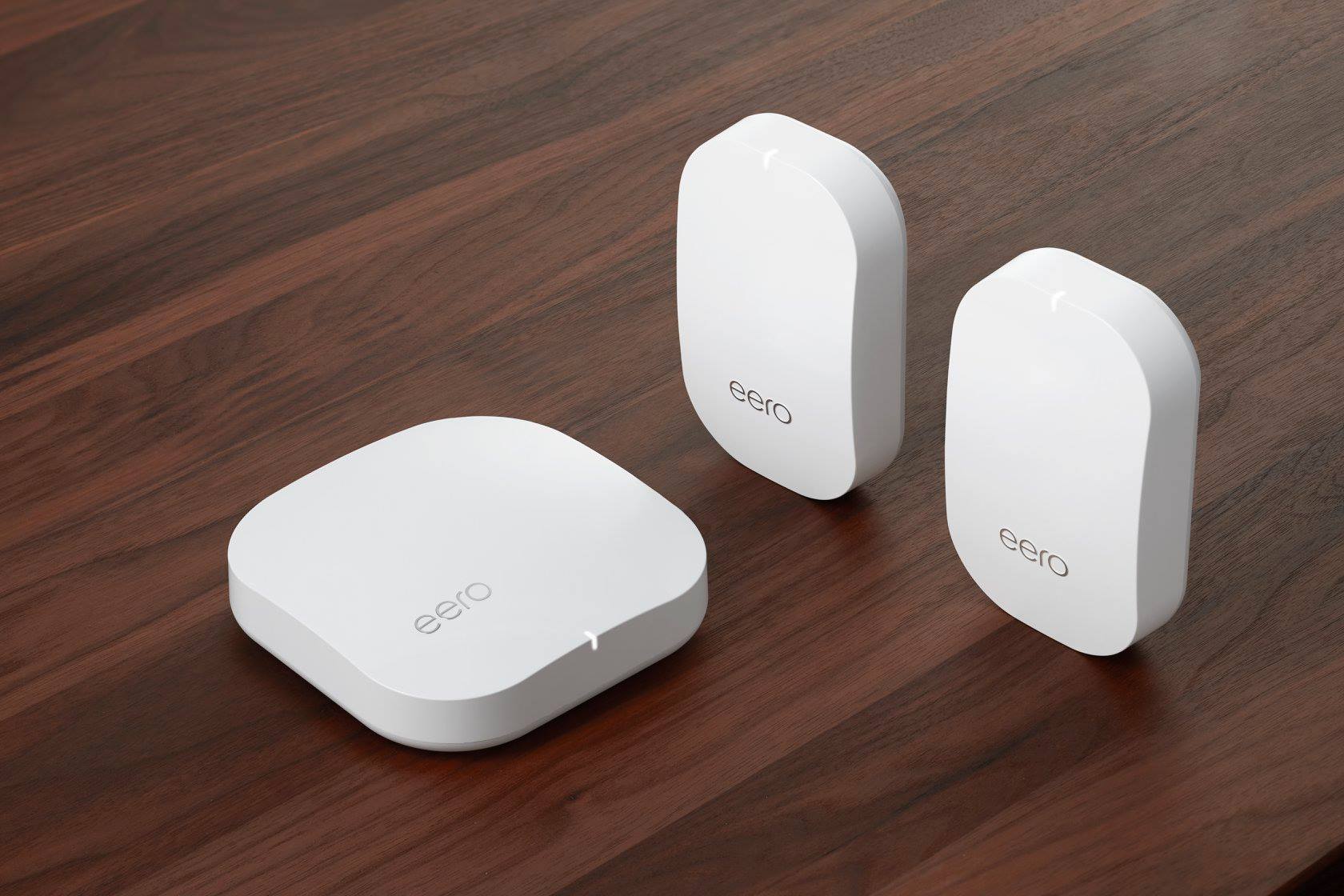
The Financial Trajectory of the Mesh WiFi Market
The mesh Wi-Fi market continues to expand rapidly, driven by the proliferation of connected devices, increasing demands for bandwidth, and the need for seamless coverage in larger homes. As IoT (Internet of Things) devices become ubiquitous, from smart appliances to health monitors, the home network becomes the central nervous system, and its reliability is paramount.
Eero, under Amazon’s ownership, is exceptionally well-positioned to capitalize on this growth. With Amazon’s financial backing, vast R&D resources, and expansive market reach, Eero can accelerate innovation, penetrate new markets, and potentially outcompete smaller rivals. The continued growth in subscription services like Eero Secure further enhances its financial outlook, providing stable, high-margin revenue that mitigates the cyclical nature of hardware sales. This strategic positioning suggests a strong financial trajectory for Eero within Amazon’s portfolio, contributing significantly to the parent company’s continued dominance in the smart home and the broader tech sector. The market for reliable, secure, and easily manageable home networks is only set to grow, making Amazon’s investment in Eero a foresighted financial decision with promising long-term returns.
In conclusion, Amazon’s ownership of Eero is far more than a simple corporate acquisition; it’s a masterclass in strategic business finance. It represents a calculated investment in foundational technology, a move to secure critical infrastructure, expand revenue streams through subscriptions, and ultimately, solidify Amazon’s ecosystem dominance in the burgeoning smart home market. The financial synergies, market positioning, and recurring revenue potential make Eero a vital asset in Amazon’s long-term growth strategy, shaping the digital future of our homes one connected device at a time.
aViewFromTheCave is a participant in the Amazon Services LLC Associates Program, an affiliate advertising program designed to provide a means for sites to earn advertising fees by advertising and linking to Amazon.com. Amazon, the Amazon logo, AmazonSupply, and the AmazonSupply logo are trademarks of Amazon.com, Inc. or its affiliates. As an Amazon Associate we earn affiliate commissions from qualifying purchases.