
Amazon, a name synonymous with e-commerce, cloud computing, digital entertainment, and a myriad of smart technologies, has woven itself into the fabric of daily life for billions worldwide. Understanding the sheer scale of its user base is not merely a statistical exercise; it’s a critical lens through which to view global technological adoption, market dominance, and the evolving digital economy. From the casual shopper to the enterprise cloud customer, the Amazon ecosystem touches an astounding number of individuals and organizations, making it one of the most pervasive tech platforms on the planet.
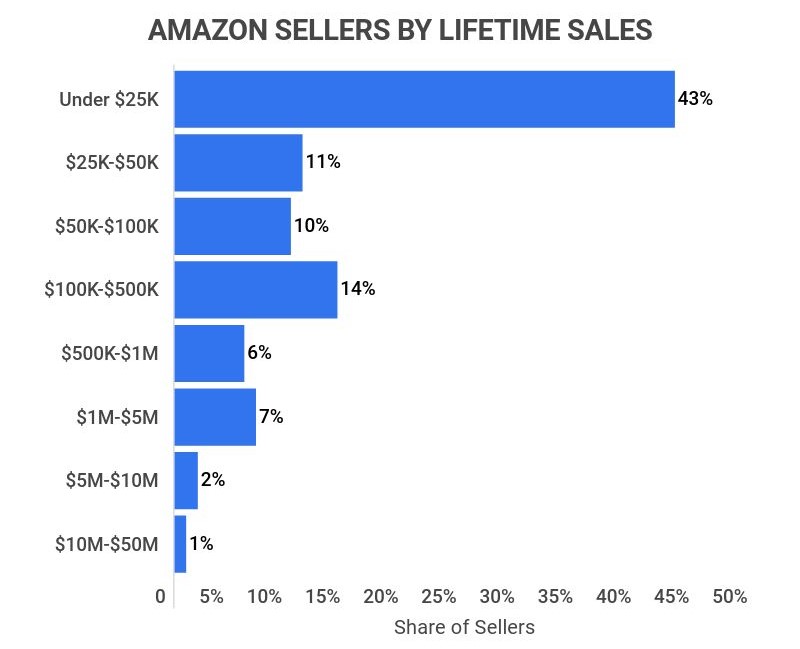
The question “how many people use Amazon?” is more complex than it appears at first glance, primarily because “Amazon” itself is not a monolithic entity. It encompasses a vast array of services and products, each with its own user community and engagement metrics. Disentangling these overlapping user groups and quantifying the total human reach of this tech behemoth provides invaluable insights into its technological influence and future trajectory.
The Multi-Faceted Amazon Ecosystem and Its User Base
To accurately assess the number of people who “use Amazon,” one must first acknowledge the diverse portfolio of services the company offers. Amazon has strategically diversified beyond its initial bookselling venture into virtually every aspect of digital life, each division contributing to its colossal user footprint.
E-commerce: The Cornerstone of Amazon’s User Base
At its core, Amazon remains an e-commerce giant. The online marketplace is arguably where the vast majority of people first encounter Amazon. With hundreds of millions of products available globally, its reach is staggering.
Global Shoppers and Active Accounts
Amazon boasts hundreds of millions of active customer accounts worldwide. While “active account” doesn’t necessarily translate to a unique individual, it’s a strong indicator of engagement. Reports frequently highlight Amazon’s vast customer base, with figures often exceeding 300 million active customer accounts globally. This number includes individuals who have made at least one purchase within a specific period, typically the last year. The sheer volume of transactions and unique visitors to Amazon.com and its international counterparts underscores its unparalleled position in online retail.
The Power of Amazon Prime
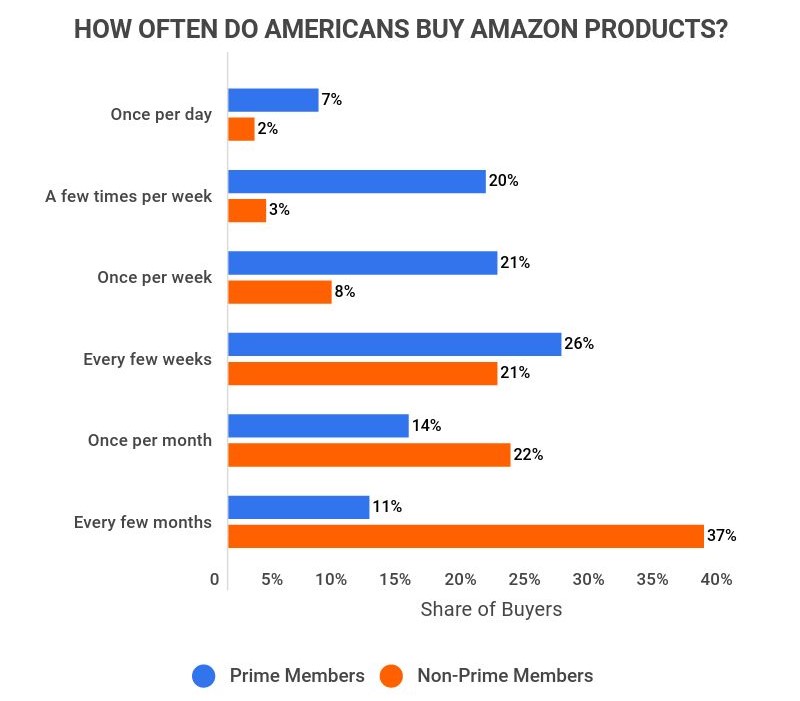
A significant subset of Amazon’s e-commerce users are its Prime subscribers. Prime membership offers a bundle of benefits, including expedited shipping, access to streaming content, exclusive deals, and more. This subscription service is a critical driver of customer loyalty and engagement. As of recent reports, Amazon Prime membership has soared past 200 million paid subscribers worldwide. This isn’t just a number; it represents a deeply committed segment of users who pay an annual or monthly fee, indicating high engagement and integration of Amazon services into their routines. Prime members are known to spend significantly more on the platform than non-Prime members, illustrating the power of a value-added tech ecosystem.
Beyond Retail: Expanding Digital Services and Their Audiences
Amazon’s strategic expansion into other digital domains has created additional, distinct user bases that often overlap with, but also extend beyond, its retail customers.
Amazon Web Services (AWS): Fueling the Digital World
While not always directly user-facing in the consumer sense, Amazon Web Services (AWS) powers a significant portion of the internet. Millions of active customers, from startups to large enterprises and government agencies, rely on AWS for cloud computing services. While these are predominantly organizational users, the services they build on AWS indirectly serve billions of end-users worldwide. For instance, if you use a popular streaming service, a social media app, or even government websites, there’s a high probability they are running on AWS infrastructure, meaning you are, in a sense, “using Amazon” even if you don’t have an Amazon retail account.
Digital Entertainment: Prime Video, Amazon Music, Twitch
Amazon’s foray into digital entertainment has attracted vast audiences. Prime Video, included with Prime membership, competes directly with other streaming giants. While specific viewer numbers are often proprietary, its inclusion in Prime ensures a massive potential audience. Amazon Music, offering music streaming, also draws millions of users. Twitch, Amazon’s live streaming platform primarily for gaming, boasts over 2.5 million average concurrent viewers and millions of unique streamers monthly, reaching hundreds of millions of unique viewers over time. These platforms represent dedicated communities interacting with Amazon’s tech offerings for leisure and content consumption.
Devices and AI: Kindle, Alexa, Fire TV
Amazon’s hardware ecosystem brings its services directly into homes and hands. Kindle e-readers have sold hundreds of millions of units since their inception, creating a vast community of digital readers. Alexa-enabled devices, such as the Echo smart speakers, have penetrated tens of millions of households globally, with hundreds of millions of Alexa-enabled devices sold. These devices represent a distinct form of “using Amazon,” integrating its AI and services into daily routines through voice commands. Fire TV devices also have a significant user base, streaming content through Amazon’s interface.
Quantifying Amazon’s Global Reach: Key Metrics and Methodologies
Measuring the full scope of Amazon’s user base requires looking at various metrics, as no single number can fully capture its pervasive influence. Different segments and services are tracked using different methodologies.
Differentiating Between Active Users, Subscribers, and Account Holders
When discussing “how many people use Amazon,” it’s crucial to distinguish between various metrics:
- Active Customer Accounts: This refers to the number of unique accounts that have made a purchase or engaged with a service within a defined period (e.g., last 12 months). This number often reflects the retail customer base.
- Paid Subscribers: Specifically for services like Amazon Prime, this counts individuals or households paying for a subscription. This group demonstrates higher commitment and engagement.
- Unique Visitors/Users: For websites and apps, this measures the distinct number of individuals accessing the platform, often tracked by IP address or cookies, within a specific timeframe (e.g., monthly unique visitors).
- Device Sales/Activations: For hardware like Kindles or Echo devices, this tracks units sold and activated, indicating the installed user base.
- Service Customers (B2B): For AWS, this counts the organizations using the cloud services, which then serve their own end-users.
Each metric provides a different perspective on Amazon’s reach. While an individual might have one Amazon retail account, a Prime subscription, an Echo device, and stream content on Twitch, they would be counted across multiple categories. Therefore, summing these numbers directly would lead to overcounting individual users.
Geographic Distribution: A World of Customers
Amazon’s strategy has always been global, establishing localized marketplaces and services in numerous countries. This global footprint means its user base is geographically diverse.
Dominance in North America and Europe
Amazon enjoys immense popularity and market share in North America (particularly the US) and parts of Europe (UK, Germany, France, etc.). These regions often see the highest penetration rates for Prime membership and device adoption. The US alone accounts for a substantial portion of Prime subscribers and overall active customers.
Growing Presence in Emerging Markets
Beyond its established markets, Amazon continues to expand aggressively into emerging economies such as India, Brazil, and Mexico. These markets represent significant growth opportunities and are contributing an increasing number of active users to Amazon’s global total. The challenges in these markets often include localized competition, infrastructure limitations, and varying consumer behaviors, but Amazon’s investment highlights its long-term strategy for universal digital dominance.
Growth Trajectories and Demographic Shifts in Amazon Usage
Amazon’s user base has consistently grown year-over-year, driven by technological innovation, strategic acquisitions, and an ever-expanding service portfolio. This growth is not uniform across all segments or demographics.
Sustained Growth in Core and Ancillary Services
The growth trajectory for Amazon’s user numbers is impressive. Active customer accounts have shown consistent upward trends, propelled by factors like:
- Increased E-commerce Adoption: The global shift towards online shopping, accelerated by events like the COVID-19 pandemic, has undeniably expanded Amazon’s retail customer base.
- Prime Membership Expansion: Amazon’s continued investment in Prime benefits, from exclusive content to grocery delivery, ensures high retention and attracts new subscribers.
- Cloud Computing Demand: The exponential growth in digital transformation across industries continues to fuel AWS adoption, albeit primarily among businesses.
- Smart Device Proliferation: The increasing popularity of smart home devices and voice AI has led to more Amazon hardware in homes globally.
Demographic Nuances: Who Uses Amazon?
While Amazon strives for universal appeal, demographic data reveals interesting patterns in usage.
- Age Groups: Amazon’s e-commerce and Prime services tend to have strong penetration across adult age groups, from millennials to baby boomers. Younger demographics might lean more heavily into platforms like Twitch.
- Income Levels: Prime membership, in particular, tends to skew towards middle-to-higher income households due to the subscription fee and the disposable income often associated with frequent online shopping. However, Amazon’s competitive pricing also attracts budget-conscious shoppers.
- Digital Literacy: As a largely online platform, a baseline level of digital literacy is required to engage with Amazon’s services, though the company continually works to make its interfaces more intuitive.
- Urban vs. Rural: While Amazon serves both urban and rural areas, its logistical infrastructure and expedited delivery options often give it a stronger competitive edge in more densely populated regions.
The Strategic Implications of Amazon’s User Scale
The sheer number of people using Amazon has profound implications for the technology industry, consumer behavior, and the broader digital economy. This massive user base isn’t just a measure of success; it’s a strategic asset.
Network Effects and Ecosystem Lock-in
Amazon’s colossal user base creates powerful network effects. The more buyers on the platform, the more sellers are attracted; the more content available on Prime Video, the more appealing Prime becomes. This virtuous cycle strengthens Amazon’s market position. Furthermore, the integration of services (e.g., Alexa connecting to Amazon Music, Prime shipping for retail) creates an “ecosystem lock-in,” making it harder for users to switch to competitors once they are deeply embedded in the Amazon environment. This integration is a key technological strategy for retaining and growing its user base.
Data Collection and Personalization
With hundreds of millions of active users generating countless data points daily – from purchase history and browsing behavior to voice commands and streaming preferences – Amazon possesses an unparalleled wealth of data. This data is a technological advantage, enabling highly personalized recommendations, targeted advertising, and the refinement of AI algorithms (like Alexa’s natural language processing). This personalization enhances the user experience, driving further engagement and reinforcing the platform’s utility.
Impact on Competition and Innovation
Amazon’s massive user base poses a significant challenge for competitors. New entrants often struggle to match Amazon’s scale, logistical prowess, or customer loyalty. In the tech space, Amazon’s dominance can dictate trends, as its adoption of new technologies (e.g., smart speakers, drone delivery trials) can quickly normalize them for millions. While this can foster innovation within Amazon’s own ecosystem, it can also create high barriers to entry for smaller players.
Navigating the Future: Sustaining and Expanding the Amazon User Base
Looking ahead, Amazon’s focus will likely remain on expanding its global reach, deepening user engagement across its diverse services, and innovating to capture new segments of the digital population.
Continuous Innovation and Service Integration
Amazon’s strategy for user base growth is intrinsically linked to its commitment to innovation. This includes:
- Enhancing existing services: Continuously improving the shopping experience, adding new content to Prime Video, and upgrading AWS functionalities.
- Developing new technologies: Investing in areas like AI, robotics, healthcare tech (e.g., Amazon Pharmacy), and even satellite internet (Project Kuiper) to open up entirely new avenues for user acquisition and engagement.
- Seamless integration: Making sure that all parts of the Amazon ecosystem work together effortlessly, further solidifying the “stickiness” of its services. For instance, linking smart home devices to grocery orders or health services.
Global Expansion and Localization
While Amazon is already global, there are still vast untapped markets and opportunities for deeper penetration in existing regions. Localization efforts, tailoring services to specific cultural nuances and logistical realities of different countries, will be key to attracting new users in diverse geographies. This includes language support, local payment methods, and culturally relevant product assortments.

Addressing Emerging Challenges
Sustaining a massive user base also means navigating challenges such as evolving privacy regulations, increasing scrutiny from antitrust bodies, and intense competition in various sectors. Amazon’s ability to adapt to these regulatory and competitive landscapes while continuing to deliver value will be crucial for maintaining its growth trajectory and securing its position as a leading technology provider for billions around the world.
In conclusion, the question of “how many people use Amazon” paints a picture of a tech giant with a truly colossal and multifaceted user base. From hundreds of millions of active shoppers and Prime subscribers to billions indirectly served by AWS, and millions interacting with its devices and entertainment platforms, Amazon’s digital footprint is immense. This scale is not just a testament to its market prowess but a critical indicator of its enduring influence on how people interact with technology, consume goods, and engage with the digital world on a daily basis.
aViewFromTheCave is a participant in the Amazon Services LLC Associates Program, an affiliate advertising program designed to provide a means for sites to earn advertising fees by advertising and linking to Amazon.com. Amazon, the Amazon logo, AmazonSupply, and the AmazonSupply logo are trademarks of Amazon.com, Inc. or its affiliates. As an Amazon Associate we earn affiliate commissions from qualifying purchases.