
American Express (Amex) stands as a venerable titan in the financial services industry, often recognized for its distinctive approach to credit, payments, and customer loyalty. Unlike many of its counterparts in the payment card space, American Express operates a unique integrated business model that encompasses multiple roles: it acts as a card issuer, a payment network, and in many cases, an acquirer all in one. This comprehensive structure profoundly influences its operations, revenue streams, and value proposition for both cardholders and merchants. Understanding “how American Express works” is to delve into a sophisticated financial ecosystem that blends tradition with continuous innovation, catering to a specific market segment while navigating the broader complexities of global finance.
At its core, Amex facilitates transactions by connecting cardholders with merchants. However, the mechanism behind this simple exchange is far more intricate than it appears on the surface, differing significantly from the prevalent Visa and Mastercard models. For decades, American Express has cultivated a brand synonymous with premium services, exclusive benefits, and robust customer support, attracting a demographic often referred to as affluent spenders. This strategic positioning is not merely a marketing tactic; it’s deeply embedded in its operational framework and financial architecture, dictating everything from product development to merchant acceptance policies.
The Unique Ecosystem of American Express: Issuer, Network, and Acquirer
To truly grasp the mechanics of American Express, one must first appreciate its multifaceted operational identity. While most payment systems involve distinct entities performing different functions – a bank issuing the card (issuer), a network facilitating the transaction (Visa/Mastercard), and another bank processing the merchant’s payment (acquirer) – American Express often consolidates these roles.
Differentiating from Traditional Payment Networks
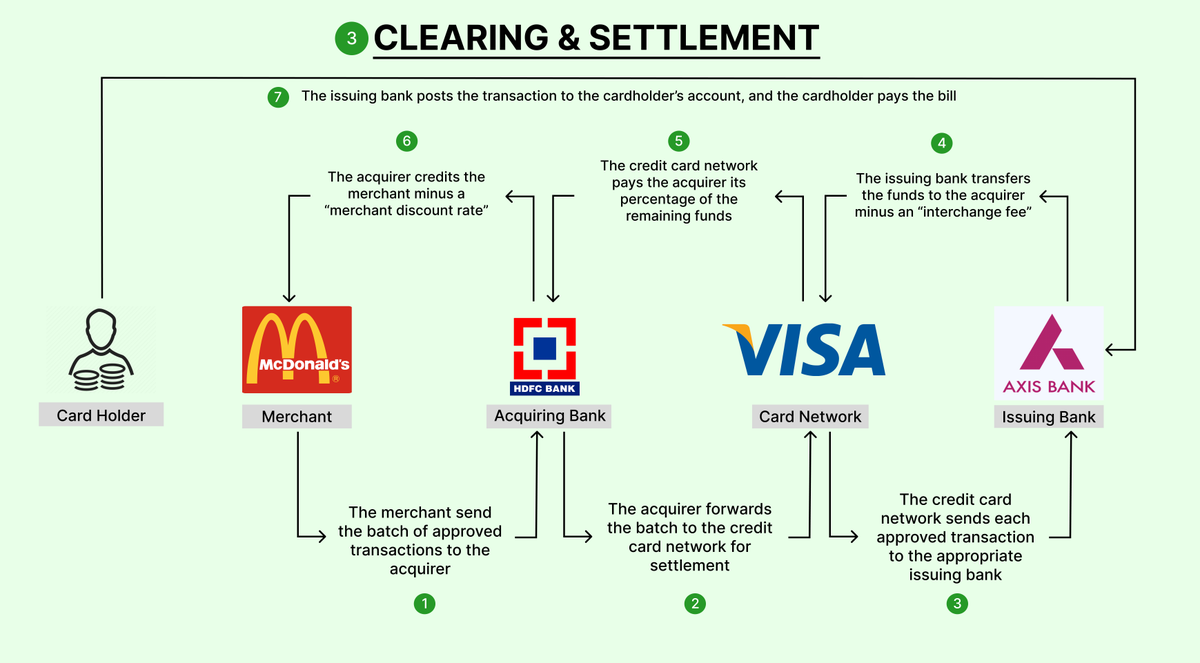
The standard payment card model (e.g., Visa, Mastercard, Discover in many markets) operates as a four-party system:
- Cardholder: The individual using the card.
- Issuer: The bank that provides the card to the cardholder (e.g., Chase, Citi, Wells Fargo).
- Network: The company that processes the transaction between the issuer and acquirer (e.g., Visa, Mastercard).
- Acquirer: The bank that provides merchant accounts and processes transactions for merchants.
In this model, Visa and Mastercard primarily act as technology and processing networks, facilitating communication and settlement between myriad issuing and acquiring banks worldwide. They do not typically issue cards directly to consumers or handle merchant accounts themselves. Their revenue largely comes from processing fees charged to the banks.
American Express, however, often operates as a three-party system, particularly in its primary markets like the United States. Here, Amex is simultaneously:
- The Issuer: It issues cards directly to consumers and businesses.
- The Network: It owns and operates the payment network through which transactions are routed.
- The Acquirer: It has direct relationships with merchants, processing their transactions and depositing funds into their accounts.
This integrated approach means that when an Amex card is used, the transaction flows directly through the American Express infrastructure from start to finish, bypassing the need for separate issuing and acquiring banks.
The Integrated Model: A Competitive Edge
This consolidation of roles provides several distinct advantages for American Express:
- End-to-End Control: Amex has unparalleled control over the entire transaction lifecycle, from card issuance and risk management to merchant processing and customer service. This allows for tighter security protocols, more consistent service standards, and greater flexibility in product development.
- Direct Relationships: Having direct relationships with both cardholders and merchants allows Amex to gather comprehensive data, leading to more tailored marketing efforts, personalized offers, and a deeper understanding of spending patterns. This data is invaluable for risk assessment, fraud prevention, and developing targeted loyalty programs like Membership Rewards.
- Streamlined Revenue: By capturing fees from both cardholders (annual fees, interest) and merchants (discount rates), Amex benefits from multiple revenue streams within a single transaction. This vertical integration contributes to potentially higher profit margins per transaction compared to networks that only earn processing fees.
- Brand Cohesion: The integrated model reinforces the American Express brand identity across all touchpoints, from the elegant design of its cards to the efficiency of its customer service and the benefits offered to merchants. This helps foster a strong sense of community and loyalty among its card members.
However, this model also presents challenges. The direct relationship with merchants often means American Express charges higher “discount rates” (the percentage of a transaction value paid by the merchant) compared to other networks, which can deter some businesses, particularly smaller ones, from accepting Amex. This trade-off is central to understanding its market penetration and strategic focus.
Decoding American Express Products and Services
American Express offers a diverse portfolio of financial products, primarily centered around credit and charge cards, each designed to cater to different segments of its target audience, from individual consumers to large multinational corporations. These products are underpinned by a philosophy of premium service and rewards.
Credit Cards vs. Charge Cards: Understanding the Core Offerings
One of the most distinctive features of American Express’s product lineup is the presence of both traditional credit cards and its historic charge cards.
- Credit Cards: Similar to those offered by other issuers, Amex credit cards provide a revolving line of credit. Cardholders can carry a balance month-to-month, subject to interest charges, provided they make at least the minimum payment due. Examples include the Blue Cash Everyday® Card and the American Express® Gold Card (which offers Pay Over Time features). These cards typically have credit limits.
- Charge Cards: This is where American Express truly stands apart. Traditional Amex charge cards, such as The Platinum Card® and The Centurion® Card (Black Card), do not have a pre-set spending limit. Crucially, the full balance must be paid in full by the due date each month. While this eliminates interest charges on purchases, failure to pay in full can result in significant late fees and a negative impact on the cardholder’s ability to continue using the card. This “pay in full” requirement historically positioned Amex charge cards as tools for responsible spending, often favored by individuals and businesses with significant cash flow.
The distinction between these two product types is fundamental to Amex’s risk management and its appeal to a financially disciplined clientele.
Premium Benefits and Membership Rewards: Value Proposition for Cardholders
A cornerstone of the American Express strategy is its robust suite of benefits and loyalty programs, designed to justify annual fees and foster deep cardholder loyalty.
- Membership Rewards® Program: This is Amex’s proprietary points program, allowing cardholders to earn points on eligible purchases. These points are highly flexible and can be redeemed for a vast array of options, including travel, merchandise, gift cards, statement credits, and transfers to airline and hotel loyalty programs. The value proposition of Membership Rewards is a significant draw, especially for frequent travelers and those seeking premium experiences.
- Travel and Lifestyle Benefits: Amex is renowned for its travel perks, particularly with its premium cards. These can include airport lounge access (e.g., Centurion Lounges, Priority Pass™ Select), hotel elite status, travel credits, concierge services, baggage insurance, and car rental loss and damage insurance. Beyond travel, benefits often extend to dining credits, entertainment access, purchase protection, and extended warranties.
- Customer Service: American Express frequently scores highly for its customer service, offering personalized assistance and often resolving issues with greater efficiency due to its integrated model. This commitment to service quality is a key differentiator and a significant factor in retaining high-value cardholders.
Business and Corporate Solutions: Empowering Enterprises
Beyond individual consumers, American Express is a major player in the business-to-business (B2B) payments space.
- Small Business Cards: Tailored for entrepreneurs and small business owners, these cards often offer elevated rewards on business-related spending categories (e.g., office supplies, advertising), expense management tools, and benefits designed to support business operations.
- Corporate Cards: For mid-sized to large corporations, Amex provides sophisticated corporate card programs. These programs offer robust expense reporting, centralized billing, and detailed analytics to help companies manage employee spending, control costs, and optimize procurement processes. The emphasis here is on efficiency, transparency, and financial control for organizations.
- Working Capital Solutions: Amex also offers various solutions to help businesses manage their cash flow, including lines of credit and other lending products, further cementing its role as a comprehensive financial partner for enterprises.

The Mechanics of an American Express Transaction
Understanding how an Amex transaction physically and digitally flows provides insight into its operational efficiency and the costs involved for merchants.
From Swipe to Settlement: A Seamless Flow
When an American Express card is used at a merchant:
- Authorization Request: The Point-of-Sale (POS) terminal captures card details and sends an authorization request through the merchant’s payment processor to American Express.
- Authorization Decision: American Express receives the request, verifies the cardholder’s account status, available funds/credit, and assesses fraud risk. It then approves or declines the transaction.
- Approval/Decline Notification: The decision is sent back through the payment processor to the POS terminal, and the transaction is completed (or declined).
- Batching and Clearing: At the end of the day, the merchant “batches” all approved Amex transactions and sends them to American Express for clearing.
- Settlement: American Express debits the cardholder’s account (or records the charge) and credits the merchant’s account with the transaction amount, minus the agreed-upon merchant discount rate. This entire process, particularly the clearing and settlement, is handled internally by Amex, emphasizing its integrated model.
Merchant Acceptance and Processing Fees
One of the most discussed aspects of American Express’s operations from a merchant perspective is its “merchant discount rate.” This is the fee charged to the merchant for processing an American Express transaction.
- Discount Rate: This fee, typically a percentage of the transaction value plus a small per-transaction fee, is often perceived as higher than those for Visa and Mastercard. The rationale for the higher rate, from Amex’s perspective, is the value that Amex cardholders bring to merchants: they tend to have higher average transaction values and are often repeat customers.
- Value Proposition for Merchants: Despite higher fees, many merchants accept Amex because it grants them access to a valuable demographic of customers who often spend more. Amex also offers merchants marketing support, fraud protection, and data insights to help them grow their businesses. The decision to accept Amex often comes down to a cost-benefit analysis for the merchant.
Global Reach and Currency Exchange
American Express operates globally, facilitating transactions in numerous currencies.
- International Transactions: When an Amex card is used abroad or for online purchases in a foreign currency, American Express typically applies a foreign transaction fee (unless the specific card waives it) and converts the currency at an exchange rate determined by the network, usually with a small markup.
- Global Infrastructure: Amex maintains a robust global infrastructure to support its network, ensuring seamless transaction processing and settlement across different countries and regulatory environments. This global presence is crucial for catering to its international cardholder base and multinational corporate clients.
The Business of Amex: Revenue Streams and Financial Health
American Express is a publicly traded company, and its financial health is driven by a diversified set of revenue streams, primarily derived from its integrated model.
Interchange Fees and Merchant Discount Rates
While the term “interchange” is less applicable in Amex’s direct issuer-acquirer model, the concept of merchant fees remains paramount.
- Merchant Discount Revenue: This is the largest component of Amex’s revenue. It’s the percentage of each transaction paid by the merchant for accepting Amex cards. Given the higher transaction values typically associated with Amex cardholders, even a moderate percentage translates into substantial income.
- Network Fees: Although Amex primarily acts as its own network, it still charges various network-related fees for value-added services, particularly for its business and corporate clients.
Annual Fees and Interest Income: Key Profit Drivers
- Card Member Fees (Annual Fees): Many of Amex’s premium cards come with significant annual fees, which are a predictable and substantial source of revenue. These fees are justified by the extensive suite of benefits, rewards, and services offered to cardholders.
- Net Interest Income: For its credit card products where balances can be carried, Amex earns interest on the outstanding debt. This is a crucial revenue stream, particularly when interest rates are higher. The quality of Amex’s cardholder base (often higher FICO scores, lower delinquency rates) means this income tends to be more stable.
- Lending Products: Beyond traditional credit cards, Amex offers various lending solutions, including personal loans and business loans, which generate interest income.
Lending and Fee-Based Services: Diversifying the Portfolio
American Express continuously diversifies its revenue through other financial services:
- Payment & Lending Products: Developing new payment methods, digital wallets, and short-term lending solutions for businesses.
- Global Commercial Services: Providing end-to-end payment solutions for large corporations, including supplier payments, travel and expense management, and consulting services.
- International Expansion: Growing its presence and product offerings in emerging markets, adapting its model to local financial ecosystems where necessary, sometimes partnering with local banks as issuers.
Navigating the Amex Landscape: Benefits and Considerations
The intricate workings of American Express culminate in a distinct landscape of advantages and challenges for those who engage with its services.
Advantages for Cardholders: Prestige, Perks, and Protection
For cardholders, the American Express experience is often defined by:
- Prestigious Brand: Carrying an Amex card often signifies a certain financial standing and provides access to exclusive experiences.
- Robust Rewards: The Membership Rewards program and card-specific benefits provide tangible value, particularly for travelers and high-spenders.
- Exceptional Customer Service: Amex is known for its responsive and effective customer support, which can be invaluable in resolving disputes or emergencies.
- Strong Security Features: Due to its integrated model, Amex has a direct line of sight into transactions, enabling sophisticated fraud detection and prevention.
- Purchase Protection: Many cards offer benefits like extended warranty, purchase protection against damage or theft, and return protection, providing peace of mind.
Challenges for Merchants: Acceptance and Costs
While beneficial for cardholders, the Amex model presents specific considerations for merchants:
- Higher Discount Rates: As discussed, Amex’s fees are typically higher than those charged by other networks, impacting a merchant’s profit margins.
- Potential for Lost Sales: If a merchant doesn’t accept Amex, they risk alienating a segment of affluent customers who may only carry Amex or prefer to use it for rewards.
- Processing Complexity (Historical): Historically, setting up Amex acceptance could be a separate process. However, modern payment processors have largely streamlined this, often integrating Amex acceptance alongside Visa/Mastercard.
The Future of American Express in a Digital Economy
American Express is continually adapting its operating model to the rapidly evolving digital landscape.
- Digital Integration: Investing heavily in digital payment solutions, mobile apps, and online account management to enhance the cardholder experience.
- Partnerships: Forming strategic alliances with fintech companies and digital platforms to expand its reach and innovate new payment methods.
- Data Analytics and AI: Leveraging its vast data resources with AI to refine risk management, personalize offers, and detect fraud more effectively.
- Focus on Small Businesses: Expanding its services and tools for small businesses, recognizing their growth potential and importance to the economy.
In conclusion, “how American Express works” is a story of vertical integration, strategic positioning, and a relentless focus on a specific customer segment. By operating as an issuer, network, and acquirer, Amex maintains a unique ecosystem that grants it control, data, and multiple revenue streams, distinguishing it from competitors. This integrated model underpins its premium brand, comprehensive reward programs, and commitment to service, continuing to define its place in the dynamic world of global finance.
aViewFromTheCave is a participant in the Amazon Services LLC Associates Program, an affiliate advertising program designed to provide a means for sites to earn advertising fees by advertising and linking to Amazon.com. Amazon, the Amazon logo, AmazonSupply, and the AmazonSupply logo are trademarks of Amazon.com, Inc. or its affiliates. As an Amazon Associate we earn affiliate commissions from qualifying purchases.