
American Express, often referred to simply as Amex, holds a distinctive position in the financial landscape. Renowned for its premium service, robust rewards programs, and a portfolio of cards catering to diverse spending habits and financial goals, Amex cards are a coveted choice for many consumers and businesses alike. Applying for an Amex card is more than just filling out a form; it’s a strategic financial decision that requires understanding the eligibility criteria, the application process, and how to maximize the benefits once approved. This comprehensive guide will walk you through everything you need to know to confidently apply for your desired Amex credit card.

Understanding Amex Credit Cards: Benefits and Types
Before diving into the application process, it’s crucial to understand why an Amex card might be a valuable addition to your financial toolkit and to identify which specific card aligns best with your needs.
Why Choose Amex?
American Express cards are often associated with premium benefits and a high standard of customer service. Here are some compelling reasons why individuals opt for Amex:
- Exceptional Rewards Programs: Amex is famous for its Membership Rewards points, which can be redeemed for travel, merchandise, statement credits, gift cards, and more, often offering superior value compared to other programs. Many cards also offer elevated earning rates in specific spending categories like dining, groceries, and travel.
- Travel Perks: Many Amex cards come with significant travel benefits, including airport lounge access (e.g., Centurion Lounges, Priority Pass), travel insurance, hotel status upgrades, baggage insurance, and statement credits for airline fees or specific travel purchases.
- Purchase Protection and Extended Warranties: Amex offers robust consumer protections, such as purchase protection against damage or theft, return protection, and extended warranties on eligible purchases, providing peace of mind for cardholders.
- Exclusive Experiences: Cardholders often gain access to exclusive events, pre-sale tickets, and special offers in dining, entertainment, and travel, enhancing the overall card ownership experience.
- Customer Service: Amex is consistently praised for its responsive and helpful customer service, which can be a significant advantage when dealing with financial inquiries or disputes.
Popular Amex Card Categories
Amex offers a wide array of cards, each tailored to different financial profiles and spending behaviors. Understanding these categories will help you narrow down your choice:
- Travel Cards: Cards like The Platinum Card® and American Express® Gold Card are ideal for frequent travelers and foodies, offering extensive travel benefits, dining rewards, and high earning rates on travel-related expenses.
- Cash Back Cards: For those who prefer direct savings, cards such as the Blue Cash Preferred® Card and Blue Cash Everyday® Card offer cash back on everyday purchases like groceries, gas, and streaming services.
- Business Cards: Amex provides a strong suite of business credit cards designed to help entrepreneurs manage expenses, earn rewards on business spending, and access tools for business growth, like the Business Platinum Card® or Plum Card®.
- Co-Branded Cards: Amex partners with major brands like Delta Air Lines, Marriott Bonvoy, and Hilton Honors to offer co-branded cards that provide industry-specific perks, loyalty points, and expedited status within those programs.
- No Annual Fee Cards: While many premium Amex cards come with annual fees, there are also options like the Amex EveryDay® Credit Card or Blue Delta SkyMiles® Credit Card that offer rewards without an annual fee, making them accessible entry points to the Amex ecosystem.
Selecting the right card is the first critical step in a successful application process. Consider your spending habits, travel frequency, and desired rewards structure.
Eligibility Requirements for an Amex Card
American Express, like any reputable financial institution, has specific criteria to assess an applicant’s creditworthiness. Meeting these requirements significantly increases your chances of approval.
Key Financial Factors
Your financial history and current standing are paramount when applying for any credit product. Amex typically looks for:
- Strong Credit Score: While Amex doesn’t publish a minimum FICO score, most of its premium cards require an “excellent” credit score, generally considered to be 700 or above. Some entry-level cards might accept a “good” credit score (670-699). A higher score indicates a responsible history of managing credit.
- Income Stability: Applicants need to demonstrate a steady and sufficient income to comfortably make payments. While there’s no official minimum income, Amex assesses whether your income can support your potential spending and the card’s credit limit. This includes income from employment, investments, retirement, or other legitimate sources.
- Low Debt-to-Income Ratio (DTI): Your DTI is the percentage of your gross monthly income that goes towards paying your monthly debt payments. A lower DTI indicates that you have more disposable income available to manage new credit responsibilities.
- Credit History Length: A longer credit history (typically several years) with a mix of different account types (credit cards, loans) can be beneficial, as it provides Amex with more data to evaluate your payment behavior.
- No Recent Bankruptcies or Derogatory Marks: Recent severe negative items on your credit report, such as bankruptcies, foreclosures, or a history of missed payments, can significantly hinder your application.
Essential Documentation
While the online application process is largely self-service, it’s prudent to have certain information readily available:
- Personal Information: Full legal name, date of birth, Social Security Number (SSN) or Individual Taxpayer Identification Number (ITIN), and current residential address.
- Contact Information: Phone number and email address.
- Employment Details: Your employer’s name and contact information, occupation, and employment status.
- Financial Information: Your total annual income (pre-tax) and how it’s sourced (e.g., salary, self-employment, investments). You may also need to provide your housing payment amount (rent or mortgage).
While Amex typically uses soft pulls for pre-qualification and a hard inquiry for the final application (which temporarily affects your credit score), having accurate and up-to-date financial information ensures a smooth process.
The Application Process: Step-by-Step Guide
Applying for an Amex card is generally a streamlined online process, but a few strategic steps can help ensure a positive outcome.
Pre-Application Checks and Tools
Before hitting “apply,” leverage Amex’s tools and perform some self-assessment:

- Check Your Credit Score: Utilize free credit monitoring services or your existing bank/credit card provider to get an up-to-date view of your credit score. This will give you a realistic idea of which Amex cards you might qualify for.
- Use the “Check for Pre-Qualified Offers” Tool: Amex offers a tool on its website where you can see if you’re pre-qualified for certain cards without a hard inquiry. While pre-qualification doesn’t guarantee approval, it’s a strong indicator and helps avoid unnecessary credit checks.
- Research Welcome Bonuses and Offers: Amex frequently updates its welcome bonus offers. Compare current offers across different cards to ensure you’re getting the best possible deal. Pay attention to minimum spending requirements to earn the bonus.
- Understand Annual Fees: Many Amex cards carry significant annual fees. Factor this into your decision and ensure the card’s benefits outweigh its cost for your spending habits.
Navigating the Online Application
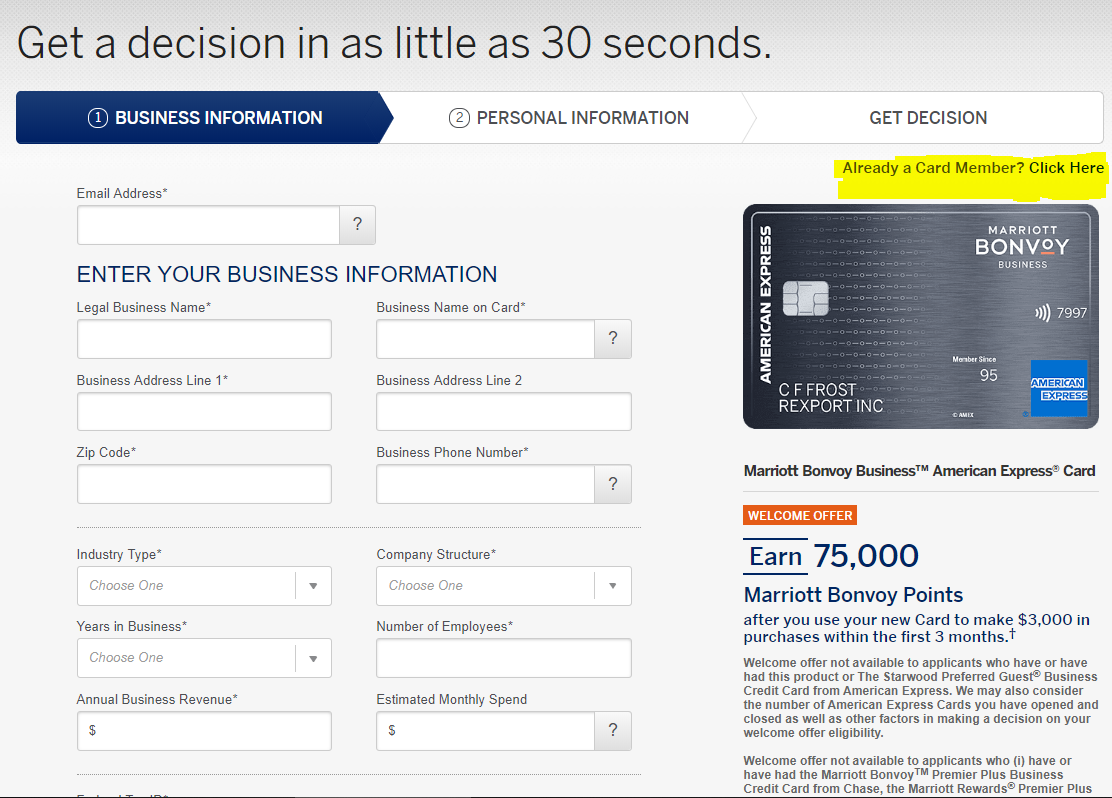
Once you’ve selected your card and gathered your information, proceed to the online application:
- Access the Official Amex Website: Always apply directly through the official American Express website or a trusted partner link to ensure security and legitimate offers.
- Fill Out the Application Form Accurately: Carefully input all required personal, contact, employment, and financial information. Double-check for typos, especially your SSN/ITIN and income figures. Inaccuracies can lead to delays or denial.
- Review Terms and Conditions: Before submitting, thoroughly read the card’s terms and conditions, including interest rates, fees, reward structures, and any specific requirements for welcome bonuses.
- Submit Your Application: After reviewing everything, click “Submit.” In many cases, Amex can provide an instant decision.
What Happens After You Apply?
The outcome of your application can vary:
- Instant Approval: If approved, you’ll typically receive an instant confirmation. In some cases, you might even get immediate access to your card number for online purchases before the physical card arrives.
- Pending Decision: Sometimes, Amex needs more time to review your application. This could be due to needing to verify information or needing a human underwriter to review your file. You may be asked to provide additional documentation or information.
- Denial: If your application is denied, Amex is legally required to send you an adverse action letter explaining the reasons for the denial. This letter is crucial for understanding areas where you might need to improve your credit profile. You can also call the Amex reconsideration line to appeal the decision, especially if you believe there’s a misunderstanding or you have additional information to provide.
Maximizing Your Amex Card: Best Practices
Getting approved for an Amex card is just the beginning. Responsible management and strategic usage are key to unlocking its full financial potential.
Responsible Credit Management
A credit card, especially a premium one like Amex, demands responsible handling:
- Pay Your Bill in Full and On Time: This is the golden rule of credit card management. Paying your statement balance in full each month avoids interest charges and helps maintain an excellent credit score. Timely payments are a significant factor in your credit history.
- Monitor Your Spending: Avoid overspending simply because you have a higher credit limit. Stick to a budget and use your card for purchases you would have made with cash or debit.
- Keep Credit Utilization Low: Aim to keep your credit utilization ratio (the amount of credit you’re using compared to your total available credit) below 30%, and ideally below 10%. This positively impacts your credit score.
- Review Your Statements Regularly: Check your monthly statements for any unauthorized transactions or errors. Report discrepancies immediately.
Leveraging Card Benefits and Rewards
To truly get value from your Amex card, especially those with annual fees, actively utilize its features:
- Meet Welcome Bonus Spending Requirements: If your card comes with a welcome bonus, make sure you meet the minimum spending threshold within the specified timeframe to earn those valuable points or cash back.
- Maximize Category Bonuses: Understand which spending categories offer accelerated rewards (e.g., 4x points on groceries with the Gold Card, 6% cash back on groceries with the Blue Cash Preferred). Direct your spending to these categories whenever possible.
- Utilize Statement Credits: Many premium Amex cards offer various statement credits (e.g., airline fee credits, Uber credits, digital entertainment credits, Saks Fifth Avenue credits). Make sure to use these to offset the annual fee and get tangible value.
- Take Advantage of Travel Perks: If you have a travel-focused card, use lounge access, hotel benefits, and travel insurance features. These can save you significant money and enhance your travel experience.
- Explore Amex Offers: Amex Offers provides personalized discounts and cash back opportunities with various merchants. Check your account regularly and add offers to your card before making eligible purchases.
Common Questions and Troubleshooting
Even with careful planning, questions or challenges may arise during or after your application.
What if My Application is Denied?
A denial isn’t the end of the road. Here’s what to do:
- Understand the Reasons: Carefully read the adverse action letter from Amex. It will outline the specific factors that led to the denial, such as a low credit score, high debt, or insufficient income.
- Call the Reconsideration Line: If you believe there’s a misunderstanding, an error in your credit report, or you have additional information (e.g., a recent pay raise not yet reflected on your report) that could change Amex’s decision, call their reconsideration line. Be polite, explain your situation, and present any new information professionally.
- Work on Improving Your Credit: If the denial stems from creditworthiness issues, focus on improving your credit score. This involves paying bills on time, reducing debt, keeping credit utilization low, and disputing any errors on your credit report.
- Reapply Strategically: After several months of credit improvement, you can consider reapplying for the same card or a different Amex card that might have less stringent requirements.
Tips for a Successful Application
To optimize your chances of approval:
- Maintain a Strong Credit Profile: This is the most crucial factor. Pay all your bills on time, keep credit card balances low, and avoid opening too many new accounts in a short period.
- Ensure Accurate Information: Double-check every detail on your application.
- Be Realistic: Apply for cards that align with your current credit score and financial standing. Don’t immediately aim for the most exclusive cards if your credit history is still developing.
- Don’t Apply for Multiple Cards Simultaneously: Spreading out credit applications helps to manage the impact of hard inquiries on your credit score.
- Build a Relationship with Amex: If you start with an entry-level Amex card and manage it responsibly, you may find it easier to get approved for more premium cards in the future.
Applying for an Amex credit card is a strategic step in managing your personal finances. By understanding the types of cards available, meeting the eligibility criteria, meticulously navigating the application process, and committing to responsible card management, you can successfully acquire an Amex card and unlock a world of valuable rewards and benefits.
aViewFromTheCave is a participant in the Amazon Services LLC Associates Program, an affiliate advertising program designed to provide a means for sites to earn advertising fees by advertising and linking to Amazon.com. Amazon, the Amazon logo, AmazonSupply, and the AmazonSupply logo are trademarks of Amazon.com, Inc. or its affiliates. As an Amazon Associate we earn affiliate commissions from qualifying purchases.