
In an increasingly digital world, the financial landscape is undergoing a profound transformation. At the forefront of this evolution stands Coinbase, a name synonymous with cryptocurrency. But beyond the buzzwords and market fluctuations, what exactly does Coinbase do? In essence, Coinbase serves as a pivotal financial infrastructure provider, empowering individuals, businesses, and institutions to engage with the burgeoning digital asset economy. It demystifies the complex world of cryptocurrencies, offering a suite of financial tools and services designed to facilitate everything from simple transactions to sophisticated investment strategies, all while navigating the intricate regulatory environment.
Coinbase’s core mission revolves around increasing economic freedom in the world. It achieves this by building a transparent, accessible, and secure bridge between traditional finance and the decentralized digital future. For millions worldwide, Coinbase is not just an application or a website; it is their primary gateway to buying, selling, storing, and utilizing digital currencies like Bitcoin, Ethereum, and thousands of others. This article will delve into the multifaceted financial roles Coinbase plays, from facilitating everyday crypto investments to providing institutional-grade solutions, all viewed through the lens of its impact on personal finance, investment strategies, and the broader financial ecosystem.
A Gateway to the Digital Asset Economy
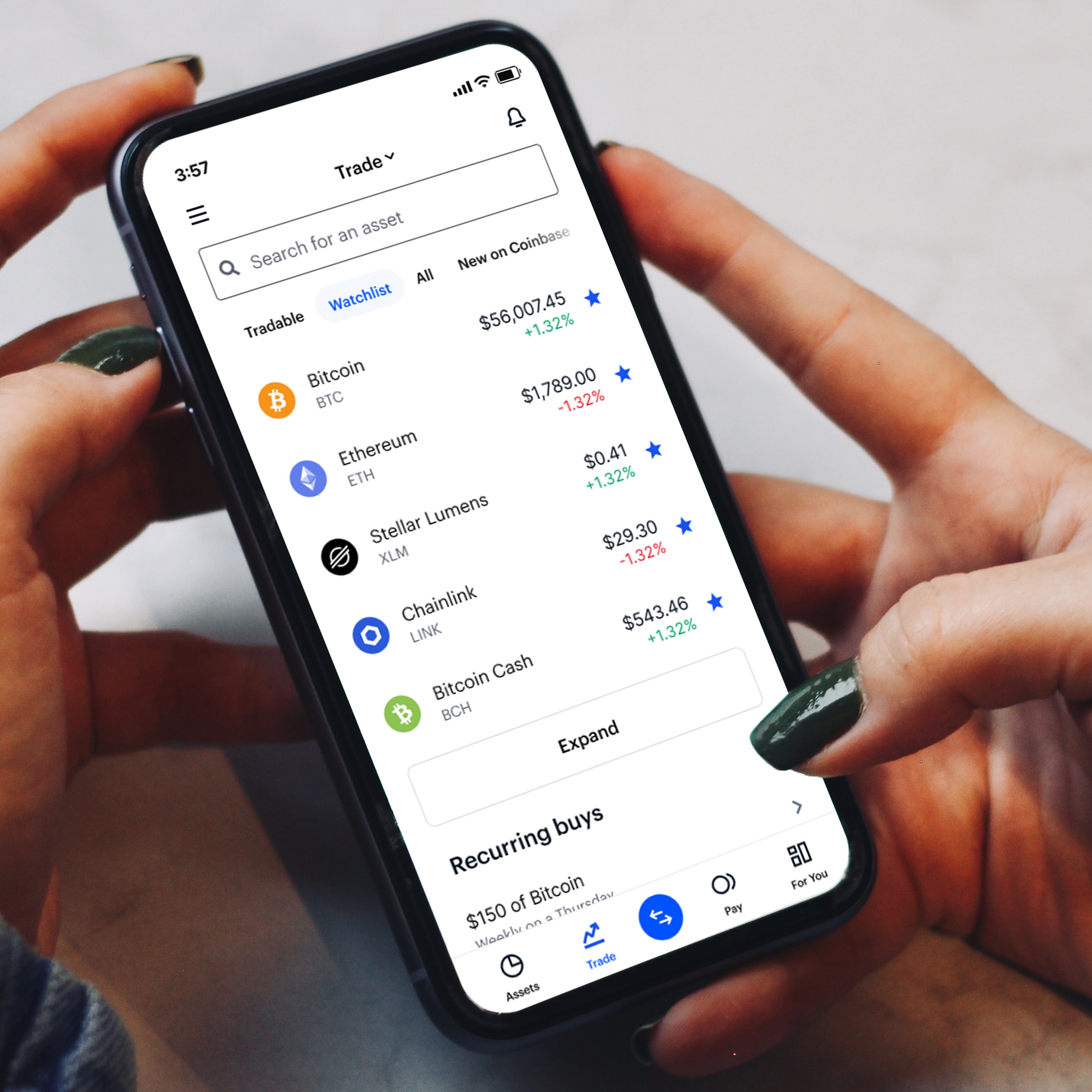
Coinbase’s fundamental contribution to the financial world is its role as an accessible entry point for anyone wishing to participate in the cryptocurrency market. It acts much like a traditional brokerage or bank, but for digital assets, streamlining processes that would otherwise be technically complex and potentially risky for new users.
Facilitating Cryptocurrency Trading and Investment
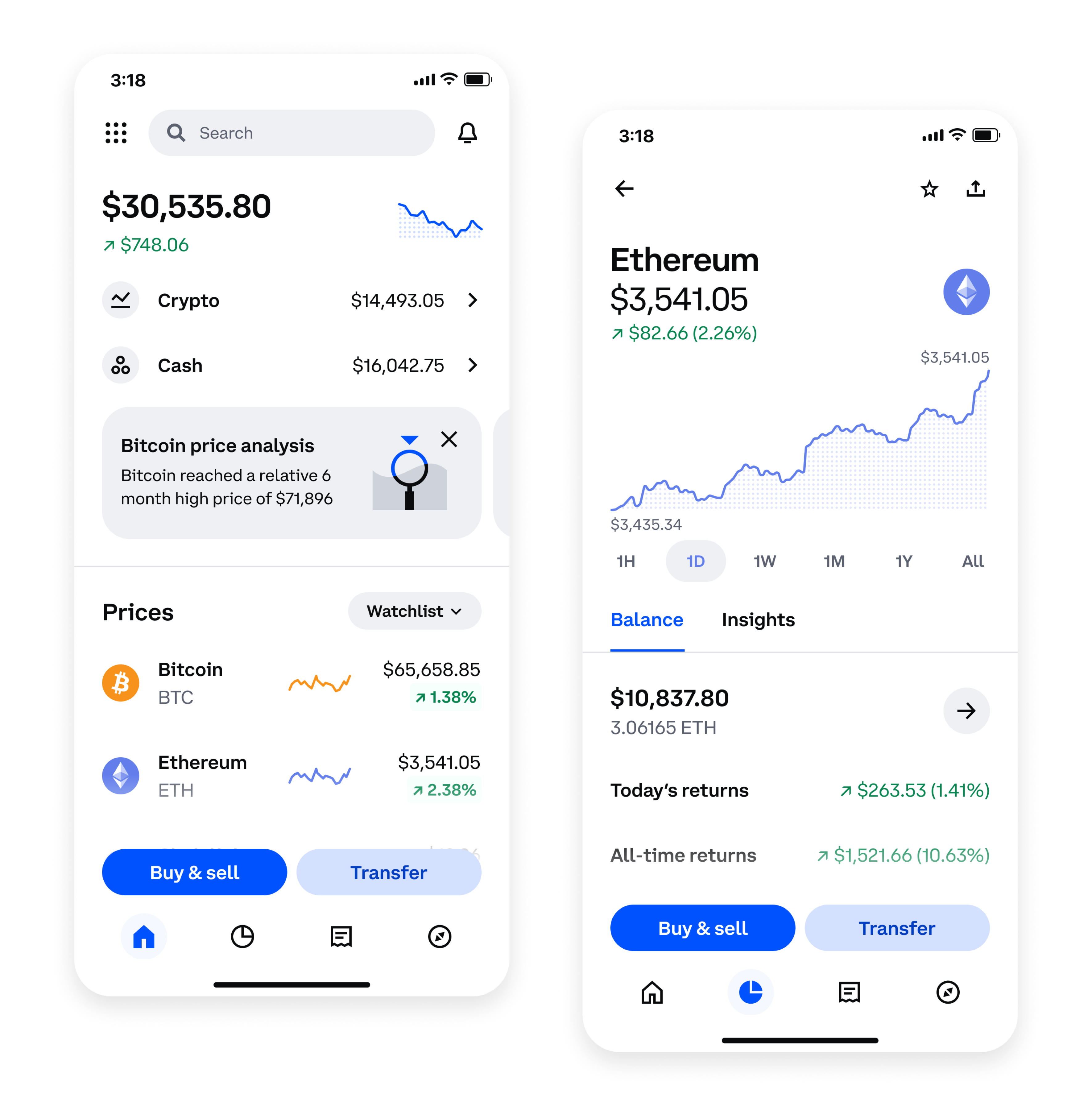
At its heart, Coinbase is a cryptocurrency exchange. This means it provides a platform where users can easily buy and sell digital currencies using fiat money (like USD, EUR, GBP) or exchange one cryptocurrency for another. For the average investor, this is perhaps its most crucial function. Users can link their bank accounts, debit cards, or use wire transfers to fund their Coinbase accounts, subsequently enabling them to purchase a wide array of supported cryptocurrencies.
The platform is designed with user-friendliness in mind, making the process of investing in crypto as straightforward as possible. This ease of access significantly lowers the barrier to entry for individuals who might be intimidated by the technicalities of blockchain technology or decentralized exchanges. It transforms what could be a daunting task into a simple, few-click transaction, allowing more people to allocate a portion of their investment portfolio to digital assets. Whether someone is looking to make their first small investment in Bitcoin or diversify their holdings across various altcoins, Coinbase provides the necessary tools and liquidity to execute these financial decisions efficiently.
Secure Custody of Digital Wealth
Beyond facilitating trades, Coinbase plays a vital role in the secure custody of digital assets. When users buy cryptocurrency on Coinbase, it is typically held in a “hosted wallet” managed by the company. This function is analogous to a bank holding deposits; Coinbase takes on the responsibility of safeguarding these digital assets against theft, hacking, and loss. Given the irreversible nature of blockchain transactions and the potential for significant financial loss if private keys are mismanaged, this custodial service offers immense peace of mind to investors.
Coinbase employs industry-leading security measures, including cold storage for the vast majority of assets (keeping them offline), two-factor authentication, and robust encryption protocols. Furthermore, eligible fiat balances are often FDIC-insured up to certain limits, and crypto holdings might be covered by crime insurance, adding layers of financial protection that users would find challenging to replicate on their own. For many, trusting a regulated and established entity like Coinbase with their digital wealth is a pragmatic financial decision, mitigating personal risk associated with self-custody.
Simplifying Access for Everyday Investors
Coinbase excels at democratizing access to cryptocurrency investing. Its intuitive mobile app and web interface abstract away the complexities of blockchain addresses, gas fees (for basic transactions), and private key management. Educational resources are integrated into the platform, helping users understand the basics of cryptocurrencies, market dynamics, and potential investment risks. This focus on simplification empowers everyday individuals who may not possess deep technical knowledge to confidently participate in the digital asset economy. From setting up recurring buys to track dollar-cost averaging strategies, to exploring new assets through educational rewards programs, Coinbase makes sophisticated financial strategies accessible, fostering a broader base of crypto investors.
Beyond Basic Trading: Expanding Financial Services
While its core exchange functionality remains paramount, Coinbase has strategically expanded its offerings to provide a more comprehensive suite of financial services, catering to a diverse range of user needs – from active traders to those seeking to generate passive income or explore decentralized finance.
Advanced Trading Tools for Active Investors
Recognizing the needs of more experienced and active traders, Coinbase developed and integrated its “Advanced Trade” platform (formerly Coinbase Pro). This service provides a more sophisticated trading interface with advanced charting tools, various order types (limit, market, stop-limit), and lower trading fees compared to its basic platform. For serious investors and day traders, Advanced Trade offers the necessary functionality to execute more precise trading strategies, manage risk effectively, and capitalize on market movements. This distinction mirrors the difference between a simple brokerage app and a professional trading terminal, allowing users to move seamlessly between simplified investing and more nuanced financial operations as their expertise grows.
Earning Passive Income Through Staking and Rewards
Coinbase has also ventured into the realm of passive income generation, a significant draw for long-term holders of certain cryptocurrencies. Through services like staking and crypto rewards, users can earn returns on their digital assets simply by holding them on the platform. Staking involves locking up cryptocurrency to support the operations of a proof-of-stake blockchain network, and in return, users receive rewards, often comparable to interest earned in a savings account. Coinbase simplifies this process, managing the technical intricacies of staking and distributing rewards directly to users’ accounts.
Additionally, Coinbase offers educational programs where users can learn about new cryptocurrencies and earn a small amount of that coin as a reward. This not only encourages financial literacy in the crypto space but also provides a low-risk way for users to acquire new assets and diversify their financial holdings without additional capital outlay. These passive income opportunities represent a significant financial incentive for users to keep their assets within the Coinbase ecosystem, aligning with long-term investment strategies.
Decentralized Finance (DeFi) Access with Coinbase Wallet
Understanding the growing importance of decentralized finance (DeFi), Coinbase offers a self-custody wallet solution – Coinbase Wallet. Unlike the hosted wallet on the main exchange, Coinbase Wallet gives users full control over their private keys, meaning they are solely responsible for their assets. This product is crucial for users who wish to interact directly with decentralized applications (dApps), participate in DeFi protocols (like lending, borrowing, and yield farming), and engage with NFTs without relying on an intermediary.
While providing full financial autonomy, Coinbase Wallet also connects users to the broader web3 ecosystem, allowing them to explore a universe of decentralized financial services. This product underscores Coinbase’s commitment to supporting both centralized and decentralized facets of the crypto economy, catering to different risk appetites and preferences for financial independence. It’s a bridge for users to experience the cutting edge of blockchain-powered financial innovation.
Navigating the Regulatory Landscape and Ensuring Trust
One of Coinbase’s most defining characteristics, and a cornerstone of its financial strategy, is its unwavering commitment to regulatory compliance and building trust within a nascent and often volatile industry. This approach differentiates it from many other crypto platforms and instills confidence in its user base.
Commitment to Compliance and Consumer Protection
Operating as a publicly traded company on NASDAQ, Coinbase operates under significant scrutiny and adherence to financial regulations. It is registered with FinCEN (Financial Crimes Enforcement Network) in the U.S. and holds licenses to operate in numerous jurisdictions globally. This means it adheres to strict Anti-Money Laundering (AML) and Know Your Customer (KYC) policies, verifying user identities to prevent illicit financial activities.
While these regulatory requirements can sometimes lead to more stringent onboarding processes for users, they are critical for fostering legitimacy and consumer protection within the cryptocurrency market. By proactively engaging with regulators and striving for compliance, Coinbase aims to legitimize digital assets as a recognized asset class within the traditional financial system, paving the way for broader institutional and retail adoption. This commitment ensures that users are operating within a structured and monitored environment, reducing the risk of fraud and increasing financial security.
Robust Security Measures for Financial Assets
As a custodian of billions of dollars in digital assets, Coinbase invests heavily in state-of-the-art security infrastructure. The company employs a multi-layered security strategy that includes offline cold storage for 98% of customer funds, strong encryption for data in transit and at rest, regular security audits, and dedicated cybersecurity teams. For users, this translates into a highly secure environment for their financial holdings.
Beyond technological safeguards, Coinbase offers various account security features, such as mandatory two-factor authentication (2FA), address whitelisting, and real-time fraud monitoring. These measures are designed to protect users’ financial investments from unauthorized access, cyberattacks, and internal threats, reinforcing Coinbase’s position as a trustworthy financial institution in the digital age. The company’s transparency regarding its security practices helps build confidence among individuals entrusting their hard-earned capital to the platform.
Building Long-Term Trust in a Nascent Industry
The cryptocurrency industry, despite its rapid growth, is still relatively young and has faced its share of scams, hacks, and regulatory uncertainties. Coinbase’s consistent focus on security, transparency, and compliance has been instrumental in building long-term trust among its users and the wider financial community. By acting responsibly and engaging proactively with financial authorities, Coinbase contributes significantly to the maturation and legitimization of the digital asset space. This commitment helps to attract new investors, including those who might otherwise be hesitant to enter the market due to perceived risks, positioning Coinbase as a stable and reliable financial partner in an evolving landscape.
Coinbase for Businesses and Institutions
Coinbase’s financial services extend far beyond individual retail investors, catering to the sophisticated needs of businesses, financial institutions, and asset managers through specialized offerings.
Institutional-Grade Services with Coinbase Prime
For institutional clients – including hedge funds, asset managers, corporations, and family offices – Coinbase offers Coinbase Prime. This comprehensive platform provides an integrated solution for institutional investors to manage their crypto assets. It combines secure custody, an advanced trading platform with deep liquidity, prime brokerage services, and reporting tools. Coinbase Prime is designed to meet the rigorous demands of institutional finance, offering features such as multi-venue execution, sophisticated APIs for algorithmic trading, and robust compliance frameworks.
These services are critical for institutions looking to diversify their portfolios with digital assets or manage large-scale crypto operations. Coinbase Prime’s ability to execute large trades without significant market impact, combined with its secure custody solutions, makes it an indispensable financial partner for institutional players navigating the complexities of the cryptocurrency market. It acts as a financial bridge for traditional institutions seeking exposure to the digital economy, providing the infrastructure they need to operate confidently and compliantly.
Enabling Crypto Payments and Treasury Management
Beyond investment, Coinbase also facilitates the use of cryptocurrencies in commerce and corporate treasury management. Through solutions like Coinbase Commerce, businesses can accept cryptocurrency payments from customers globally, tapping into a new demographic of buyers and leveraging the benefits of blockchain transactions (e.g., lower fees than traditional payment processors, faster settlement in some cases). This allows companies to expand their financial reach and offer innovative payment options.
Furthermore, with the growing trend of corporations holding Bitcoin or other cryptocurrencies on their balance sheets, Coinbase provides treasury solutions to help businesses manage these digital assets. This includes secure custody, trading services for managing their crypto reserves, and reporting tools for accounting and financial analysis. By offering these business-centric financial tools, Coinbase empowers companies to integrate digital assets into their operational and financial strategies, demonstrating its role as a versatile financial partner in the evolving digital economy.
Conclusion
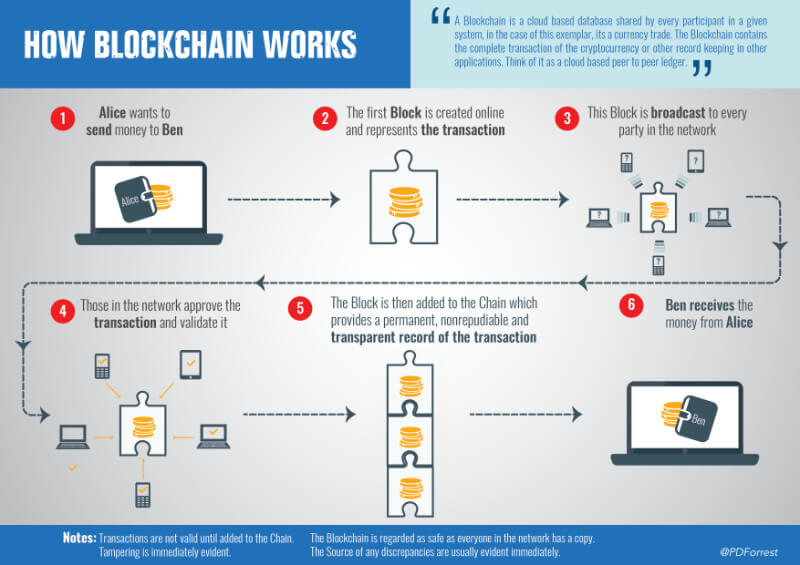
Coinbase’s role in the financial world is expansive and continually evolving. From its foundational service as a user-friendly gateway for retail investors to buy, sell, and securely store cryptocurrencies, to its sophisticated offerings for active traders, DeFi enthusiasts, and institutional clients, Coinbase has established itself as a critical pillar of the digital asset economy. It simplifies complex financial instruments, provides robust security for digital wealth, and actively works to legitimize cryptocurrencies within the global financial framework through rigorous compliance and proactive engagement with regulators.
Ultimately, Coinbase’s “what it does” can be summarized as building the financial infrastructure for the future. It empowers individuals and institutions alike to participate in a new paradigm of finance, one that promises greater accessibility, transparency, and economic freedom. As cryptocurrencies continue to integrate into mainstream finance, Coinbase stands as a testament to how technology can be harnessed to create innovative financial tools and services, shaping the way we invest, transact, and interact with money in the 21st century.
aViewFromTheCave is a participant in the Amazon Services LLC Associates Program, an affiliate advertising program designed to provide a means for sites to earn advertising fees by advertising and linking to Amazon.com. Amazon, the Amazon logo, AmazonSupply, and the AmazonSupply logo are trademarks of Amazon.com, Inc. or its affiliates. As an Amazon Associate we earn affiliate commissions from qualifying purchases.