
In the golden age of streaming, finding your favorite shows can sometimes feel like navigating a labyrinth, especially when global licensing deals dictate availability. For fans eager to revisit the critically acclaimed series Better Call Saul, the spiritual successor and prequel to Breaking Bad, the question “where can I stream Better Call Saul?” is a common one. This article delves into the technological solutions and platforms available, offering a comprehensive guide for both casual viewers and dedicated tech enthusiasts looking to access Jimmy McGill’s transformation into Saul Goodman. We’ll explore the primary streaming services, detail the intricacies of geo-restrictions, and provide insights into leveraging technology like VPNs to ensure uninterrupted access to every episode.

Navigating the Digital Landscape: Primary Streaming Platforms
The first step in finding Better Call Saul is to understand the primary digital platforms that host the series. Unlike traditional broadcast television, where a single network would typically hold exclusive rights for all territories, streaming rights are often fragmented, varying significantly from country to country. This global licensing patchwork is a core technological challenge for international viewers.
The Netflix Factor: Regional Availability Deep Dive
Netflix, the undisputed giant of subscription video-on-demand (SVOD), holds the global streaming rights for Better Call Saul in a vast majority of territories outside of the United States. This means that if you are in countries like the United Kingdom, Canada, Australia, most of Europe, and many other parts of the world, all six seasons of Better Call Saul are readily available as part of your standard Netflix subscription. The convenience of having the entire series accessible on a single, widely used platform makes Netflix the primary destination for international viewers.
However, the “Netflix Factor” also highlights the nuances of content licensing. While Netflix streams the show internationally, its availability is dictated by existing agreements. In many of these regions, new episodes were historically added shortly after their original broadcast in the U.S., allowing for a relatively current viewing experience. This arrangement makes Netflix an incredibly valuable tech tool for global access to premium content, demonstrating how a single platform can consolidate entertainment across diverse markets. Its robust infrastructure, adaptive streaming technology, and broad device compatibility ensure a seamless viewing experience, from 4K HDR support to offline downloads.
AMC+ and Other Domestic Alternatives
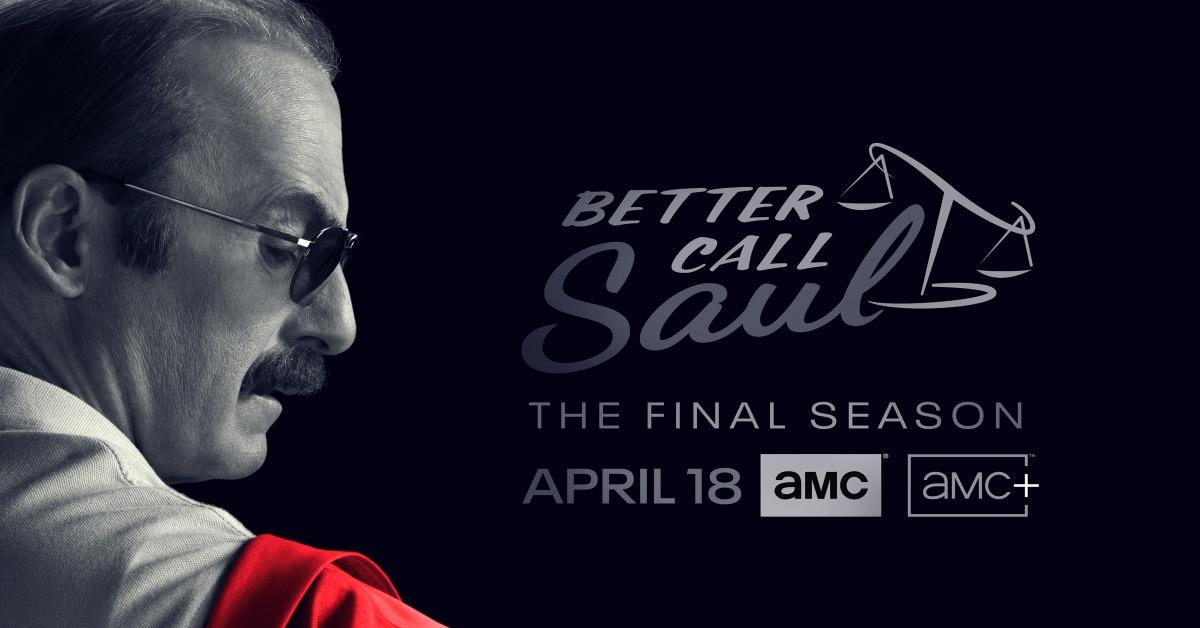
For viewers situated in the United States, the streaming landscape for Better Call Saul is slightly different. The series originally aired on AMC, and consequently, its primary streaming home in the U.S. is AMC+. This subscription service offers a comprehensive library of content from AMC Networks, including Better Call Saul, The Walking Dead, and other critically acclaimed shows. Subscribers to AMC+ can access all seasons of the show, often in high definition, and sometimes with additional bonus content or early access to new episodes of other series. AMC+ integrates across various smart TV platforms, mobile devices, and web browsers, showcasing a commitment to multi-platform delivery typical of modern streaming services.
Beyond AMC+, Better Call Saul episodes and seasons are also available for digital purchase or rent on various transactional video-on-demand (TVOD) platforms within the U.S. and other selected markets. These include popular digital marketplaces that function more like traditional video stores, but in a digital format.
Global Digital Marketplaces for Purchase and Rent
For those who prefer to own their digital copies or reside in regions where the show isn’t available on a subscription service, global digital marketplaces offer a viable alternative. Platforms such as Amazon Prime Video, Apple TV (iTunes Store), Google Play Movies & TV, and Vudu (primarily in the U.S.) allow users to purchase individual episodes or entire seasons of Better Call Saul. This model, while requiring a one-time payment per episode or season, offers permanent access to the content without an ongoing subscription.
The technological advantage of digital ownership is clear: once purchased, the content is typically available across all your linked devices indefinitely, often with options for various resolutions (SD, HD, 4K) depending on the platform and purchase. These platforms also offer robust cloud-based libraries, allowing users to stream their purchased content without needing to download large files to local storage, a significant benefit for managing digital media collections efficiently. This transactional model provides an essential fallback for content access, ensuring that even if streaming rights shift, viewers can still access their favorite shows.
Overcoming Geo-Restrictions: The Power of VPNs
The varying availability of Better Call Saul based on geographical location is a direct consequence of geo-restrictions, a common practice in digital content licensing. Understanding and overcoming these barriers is where technology truly shines, particularly through the use of Virtual Private Networks (VPNs).
Understanding Geo-Blocking in Content Licensing
Geo-blocking is a technological mechanism that restricts access to internet content based on the user’s geographical location. For content creators and distributors, it’s a critical tool for enforcing licensing agreements. For instance, a studio might sell exclusive streaming rights for Better Call Saul to Netflix in Canada, but to another service (or keep it for their own) in the U.S. To uphold these agreements, streaming platforms analyze a user’s IP address – a unique numerical label assigned to every device connected to a computer network – to determine their location. If the IP address indicates a region where the content is not licensed, access is denied. This system, while legally sound for rights holders, often frustrates international viewers or those traveling abroad who wish to access content available in their home country.
From a technical perspective, geo-blocking involves sophisticated IP address lookup databases and often incorporates additional checks like DNS (Domain Name System) resolution and browser language settings to further pinpoint a user’s true location. Bypassing these measures requires a robust and intelligently designed technological solution.
How VPNs Unlock International Content Libraries
A Virtual Private Network (VPN) is precisely that solution. At its core, a VPN creates a secure, encrypted connection over a less secure network, such as the internet. When you connect to a VPN server, your internet traffic is routed through that server, effectively masking your original IP address and assigning you a new one corresponding to the VPN server’s location.
For streaming Better Call Saul, this means that if you are in the U.S. and wish to access the show on Netflix UK, you can connect to a VPN server located in the UK. Netflix will then see your connection as originating from the UK, granting you access to its UK content library. Conversely, if you are outside the U.S. and want to watch on AMC+, you can connect to a U.S. VPN server. The VPN not only masks your location but also encrypts your internet traffic, adding a layer of security and privacy to your online activities. This technological marvel transforms your digital footprint, making geographical boundaries virtually non-existent in the digital realm.
Selecting the Right VPN for Seamless Streaming
Choosing the right VPN is crucial for a smooth and reliable streaming experience. Not all VPNs are created equal, especially when it comes to bypassing sophisticated geo-blocking technologies employed by major streaming platforms. Here are key technical factors to consider:
- Server Network and Locations: A premium VPN should offer a vast network of servers in numerous countries, including those where Better Call Saul is available (e.g., UK, Canada for Netflix; US for AMC+). More servers mean less congestion and more options for bypassing blocks.
- Speed and Performance: Streaming high-definition or 4K content requires significant bandwidth. A good VPN should offer fast connection speeds and minimal latency to prevent buffering and drops in video quality. Look for VPNs that utilize modern tunneling protocols like WireGuard for optimal performance.
- Security Features: While primarily for streaming, a VPN’s core function is security. Ensure it offers strong encryption (AES-256), a strict no-logs policy (meaning it doesn’t store your online activity), and features like a kill switch (which automatically disconnects your internet if the VPN connection drops, preventing IP leaks).
- Streaming Optimization: Some VPNs specifically optimize their servers for streaming, making it easier to access platforms like Netflix, Hulu, and AMC+. They often have dedicated streaming servers or smart DNS features.
- Device Compatibility: Ensure the VPN offers apps for all your streaming devices, including Windows, macOS, iOS, Android, Linux, smart TVs, and routers.
- Reliability and Uptime: A consistent connection is vital. Reputable VPN providers invest heavily in server maintenance and network stability to ensure high uptime.
- Customer Support: Responsive 24/7 customer support can be invaluable if you encounter technical issues or need assistance with specific server recommendations.
Examples of top-tier VPNs often recommended for streaming include ExpressVPN, NordVPN, Surfshark, and CyberGhost, each offering a blend of these crucial features.
Optimizing Your Streaming Experience: Devices and Connectivity
Accessing Better Call Saul isn’t just about finding the content; it’s also about ensuring a high-quality, uninterrupted viewing experience. This depends heavily on your choice of streaming device and the robustness of your internet connection.
Compatible Devices: From Smart TVs to Mobile Screens
Modern streaming services are designed to be ubiquitous, accessible across a wide array of devices. For Better Call Saul, you can stream on:
- Smart TVs: Most modern smart televisions (e.g., Samsung, LG, Sony) come with built-in apps for Netflix, AMC+, Amazon Prime Video, and others.
- Streaming Sticks & Boxes: Devices like Roku, Amazon Fire TV Stick, Apple TV, and Google Chromecast offer dedicated interfaces and remote controls, transforming any TV into a smart TV.
- Gaming Consoles: PlayStation and Xbox consoles support streaming apps, making them versatile entertainment hubs.
- Computers & Laptops: Through web browsers (Chrome, Firefox, Edge, Safari), you can access all streaming platforms.
- Mobile Devices: Smartphones and tablets (iOS and Android) offer the flexibility of on-the-go viewing, often with download options for offline playback.
The technological aspect here is the development of robust, cross-platform applications that adapt content delivery to the device’s capabilities, screen size, and input methods. Choosing the right device often comes down to personal preference, convenience, and the ecosystem you’re already invested in.
The Role of Internet Speed and Network Stability
Even with the best streaming service and device, a poor internet connection can ruin the experience. High-definition (HD) and especially 4K Ultra HD streaming demand significant bandwidth. Netflix, for example, recommends a minimum of 5 Mbps for HD streaming and 25 Mbps for 4K Ultra HD.
Key considerations for an optimal streaming connection include:
- Bandwidth: Ensure your internet service provider (ISP) offers a plan that meets or exceeds these recommendations, especially if multiple users or devices will be streaming simultaneously.
- Wi-Fi vs. Ethernet: While Wi-Fi offers convenience, a wired Ethernet connection to your streaming device or smart TV provides greater stability and often faster speeds, reducing latency and packet loss.
- Router Quality and Placement: An outdated or poorly placed Wi-Fi router can be a bottleneck. Upgrading to a modern router (e.g., Wi-Fi 6) and ensuring it’s centrally located can significantly improve wireless performance.
- Network Congestion: Be mindful of other activities on your home network (large downloads, online gaming) that might compete for bandwidth.
- VPN Impact: While VPNs secure your connection, they can introduce a slight overhead that might reduce speeds. This is why choosing a high-performance VPN is essential for streaming.
Regularly testing your internet speed and optimizing your home network settings are crucial technical steps to ensure Better Call Saul streams flawlessly, without frustrating buffering interruptions.
The Future of Content Access and Digital Rights Management
The world of digital content is ever-evolving. Streaming rights are bought, sold, and expire, leading to shows moving between platforms. Understanding these dynamics is key to future-proofing your access.
Evolving Licensing Agreements and Platform Shifts
The media landscape is constantly in flux. Studios are creating their own streaming services (e.g., Disney+, HBO Max, Paramount+), and licensing deals are becoming more strategic. A show might stream on Netflix for a few years, then move to a studio’s proprietary platform once the contract expires. While Better Call Saul has a relatively stable home on Netflix internationally and AMC+ domestically, it’s not immune to potential shifts in the long term. These shifts are driven by complex financial and strategic decisions by media conglomerates, highlighting the dynamic nature of digital rights management (DRM). Keeping abreast of industry news and announcements is a soft skill valuable in the tech world of streaming.

Staying Informed: Tools and Tips for Locating Content
Given the fluid nature of streaming rights, how can you stay updated on where to find Better Call Saul or any other show?
- Content Aggregation Websites: Websites like JustWatch, Reelgood, and What’s on Netflix (for Netflix-specific availability) provide up-to-date information on where shows are streaming, available for rent, or purchase in various regions. These platforms act as intelligent search engines for streaming content, leveraging vast databases of licensing information.
- Official Announcements: Follow official social media channels of AMC, Netflix, and the show itself for any news regarding streaming changes.
- Industry News Outlets: Tech and entertainment news sites often report on major licensing deals and platform shifts.
By leveraging these technological tools and staying informed, fans of Better Call Saul can ensure they always know exactly where to find their favorite lawyer-turned-criminal, Jimmy McGill/Saul Goodman, no matter how the digital landscape evolves. From leveraging global streaming giants to harnessing the power of VPNs, accessing this acclaimed series is a testament to the adaptability and innovation within the world of digital technology.
aViewFromTheCave is a participant in the Amazon Services LLC Associates Program, an affiliate advertising program designed to provide a means for sites to earn advertising fees by advertising and linking to Amazon.com. Amazon, the Amazon logo, AmazonSupply, and the AmazonSupply logo are trademarks of Amazon.com, Inc. or its affiliates. As an Amazon Associate we earn affiliate commissions from qualifying purchases.