
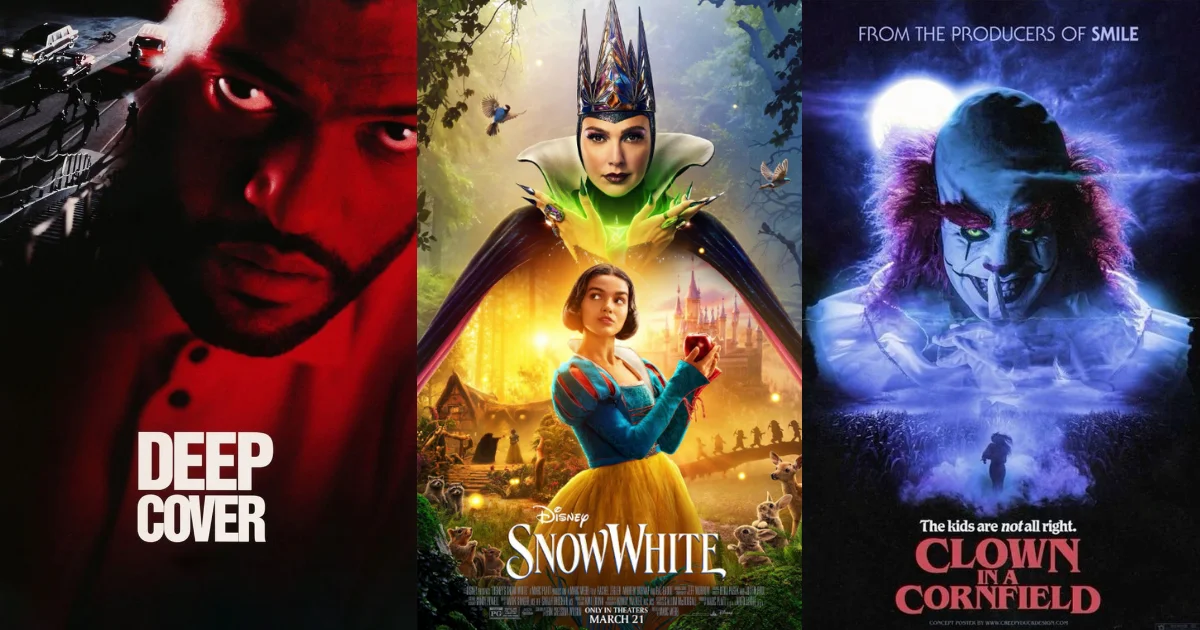
The flickering images on the silver screen, the captivating narratives, and the shared communal experience of a dark theater — these are the hallmarks of cinema. But beneath the surface of pure entertainment, what truly defines “what’s in the movies right now” is a sophisticated and ever-evolving tapestry of branding. In an era saturated with content, a film is no longer just a story; it is a meticulously crafted brand experience, a strategic product positioned within a competitive marketplace. From the legacy of colossal studios to the distinctive identity of independent distributors, and from the personal magnetism of stars to the immersive branding of the viewing experience itself, understanding current cinematic offerings requires an acute awareness of brand strategy. This article explores how branding principles are shaping the films we see today, influencing everything from production greenlights to audience engagement and box office success.

The Evolving Landscape of Studio Branding and Franchise Power
The contemporary film industry is dominated by powerful entities that have cultivated distinct brand identities over decades. These studios are not merely distributors of content; they are brand architects, meticulously curating portfolios of intellectual property (IP) and original stories that resonate with specific demographics and global audiences. The strategic management of these brands dictates what kind of movies are greenlit, how they are marketed, and ultimately, their cultural and commercial impact.
Legacy Studios Redefining Identity
For decades, studios like Disney, Warner Bros., Universal, and Paramount have represented the zenith of cinematic production. Their logos are synonymous with distinct genres, production values, and storytelling sensibilities. Disney, for instance, has leveraged its unparalleled vault of IP — including Pixar, Marvel, and Star Wars — to create a powerful ecosystem of interconnected narratives. This strategy isn’t just about making movies; it’s about building enduring worlds that cultivate deep fan loyalty and drive cross-media consumption, from theme parks to merchandise. Warner Bros., on the other hand, has traditionally balanced a diverse slate, from prestige dramas and adult thrillers to major franchise tentpoles like the DC Universe and Wizarding World. Their brand identity often evokes a sense of epic scale and sophisticated storytelling, even as they navigate the complexities of evolving content distribution models. These studios are constantly refining their brand propositions, adapting to new technologies and audience behaviors while staying true to their core identity.
The Rise of A24 and Niche Branding
While legacy studios rely on broad appeal and established franchises, the past decade has seen the emergence of companies that have mastered the art of niche branding. A24 is perhaps the quintessential example. Without the century-long history or the massive IP catalogue of its larger counterparts, A24 has carved out an instantly recognizable brand identity centered on auteur-driven, often genre-bending, and critically acclaimed independent films. Their brand promises a certain artistic sensibility, a departure from the mainstream, attracting a dedicated following of cinephiles who trust the “A24 stamp.” This success highlights that in a fragmented media landscape, a strong, consistent brand voice, even if it caters to a smaller audience, can be profoundly powerful. Their marketing often relies on minimalist aesthetics, direct communication with fans, and leveraging critical buzz to build a cult-like status that elevates their films beyond typical indie fare.
Franchise Fatigue vs. Enduring Universes
“What’s in the movies right now” is undeniably shaped by the prevalence of cinematic universes and established franchises. From the Marvel Cinematic Universe (MCU) to James Bond, these multi-film sagas represent enormous brand investments designed to deliver sustained audience engagement. However, the sheer volume of sequels, prequels, and spin-offs has led to discussions of “franchise fatigue.” The challenge for studios is to ensure these enduring universes remain fresh and compelling, rather than becoming repetitive and diluted. Successful franchises are those that meticulously manage their brand, introducing new characters and storylines while maintaining the core tenets that attracted fans in the first place. The brand value of a well-maintained universe lies in its ability to offer a continuous narrative experience, fostering a sense of community among its global fanbase and serving as a reliable draw for audiences seeking familiar comfort and expansive storytelling.
Marketing in the Digital Age: Crafting the Cinematic Brand Narrative
In today’s interconnected world, the way a film is marketed is as crucial as its content in establishing its brand identity and attracting an audience. Traditional advertising still plays a role, but digital platforms have revolutionized how films build buzz, engage with potential viewers, and manage their public perception long before release day. The goal is to craft a compelling brand narrative that resonates deeply with target audiences.
Social Media and Influencer Strategies for Film Launches
Social media platforms are now indispensable tools for film marketing. From cryptic teasers on Twitter to behind-the-scenes glimpses on Instagram and viral challenges on TikTok, films leverage these channels to generate excitement and humanize their brands. Campaigns are designed to be shareable, encouraging organic spread through fan discussions and user-generated content. Influencer marketing has also become a powerful strategy, where individuals with significant online followings are engaged to promote films, lending an authentic, peer-to-peer recommendation that traditional advertising often lacks. This direct line of communication allows studios to shape conversations around their films, gauge public sentiment, and quickly adapt their messaging to optimize brand perception.
Experiential Marketing and Fan Engagement
To cut through the noise, many film brands are embracing experiential marketing, creating immersive events that allow audiences to interact directly with the film’s world. Pop-up installations, interactive exhibits, and virtual reality experiences connected to upcoming releases transform passive viewing into active participation. These events are not just promotional; they are brand-building exercises that deepen emotional connections and generate lasting memories. Furthermore, cultivating robust fan communities through online forums, exclusive content, and fan conventions fosters a sense of ownership and loyalty. When fans feel invested in a film’s brand, they become powerful advocates, spreading positive word-of-mouth and reinforcing its cultural relevance.
Data-Driven Marketing and Audience Segmentation
The digital age provides unprecedented access to audience data, allowing film marketers to segment potential viewers with remarkable precision. By analyzing demographics, viewing habits, online behaviors, and genre preferences, studios can tailor marketing messages to specific groups, ensuring the right film brand reaches the right audience. This data-driven approach minimizes waste and maximizes impact, allowing for highly targeted campaigns that highlight different aspects of a film’s appeal to diverse segments. For instance, a superhero movie might emphasize action and spectacle to one group, while focusing on character development and emotional arcs for another, effectively demonstrating the versatility of the film’s brand messaging.
Personal Branding: Stars as Marquee Attractions and Influencers
While studio branding and marketing strategies lay the groundwork, the personal brands of actors, directors, and even screenwriters play an equally critical role in defining “what’s in the movies right now.” These individuals become powerful brand ambassadors for the films they are involved with, often drawing audiences based on their own established reputations and public personas.
The Enduring Power of A-Listers
Despite the rise of franchise-driven cinema, the star system remains potent. Actors like Tom Cruise, Zendaya, and Leonardo DiCaprio possess immense personal brand equity. Their names above the title can significantly influence a film’s visibility and box office potential. These A-listers curate their public images meticulously, choosing roles that align with their brand, engaging with fans, and participating in promotional tours that reinforce their star power. Their involvement in a project often signals a certain quality or genre expectation, essentially acting as a trusted seal of approval that lends immediate credibility and brand recognition to the film itself. The careful management of an actor’s brand is a strategic asset for any film looking to maximize its reach.
Directors as Brand Visionaries
Beyond actors, certain directors have cultivated such distinct authorial brands that their name alone can be a major draw. Christopher Nolan, Wes Anderson, and Denis Villeneuve are prime examples. A “Christopher Nolan film” conjures expectations of intricate plots, large-scale practical effects, and cerebral themes. A “Wes Anderson film” promises unique visual aesthetics, quirky characters, and deadpan humor. These directors become brand visionaries, attracting not only audiences but also top-tier talent who want to be associated with their distinctive creative identity. Their brand is built on a consistent artistic vision and a track record of delivering specific, recognizable cinematic experiences, making their involvement a powerful branding tool for any production.
From Actors to Multi-Hyphenates: Extending Personal Brand Reach
In today’s landscape, many creatives are expanding their personal brands beyond single roles. Actors become producers, directors launch production companies, and writers develop entire franchises. This evolution into “multi-hyphenates” allows them to exert greater creative control and build broader brand empires. Reese Witherspoon’s Hello Sunshine, Ryan Reynolds’ Maximum Effort, and Jordan Peele’s Monkeypaw Productions are examples of how individuals leverage their personal brand equity to create larger branded entities that develop and produce diverse content, further cementing their influence within the industry and diversifying their personal brand portfolio across multiple creative ventures.
The Spectator Experience: Branding the Act of Movie-Going
Finally, “what’s in the movies right now” isn’t solely about the films themselves, but also the branded experience of how and where audiences consume them. The delivery mechanism and viewing environment have become critical elements of a film’s overall brand presentation, influencing perception and value.
The Brand of Cinema: Premium Formats and Theatrical Exclusivity
The traditional cinema experience has undergone its own branding evolution to remain competitive. Chains like IMAX, Dolby Cinema, and various premium large formats (PLFs) have branded themselves as providers of superior, immersive viewing experiences. These brands promise enhanced visuals, unparalleled sound, and luxurious seating, elevating the act of movie-going into a distinct event. For certain blockbusters, theatrical exclusivity itself has become a branded luxury, signaling a film’s importance and encouraging audiences to seek out the unique communal experience that can only be found in a cinema. The branding here is about escapism, spectacle, and the ritual of the big screen, a stark contrast to home viewing.
Streaming Wars and Brand Loyalty
The rise of streaming services has intensified the competition, with each platform striving to establish its own unique content brand. Netflix, Max, Prime Video, Disney+, and others are in a constant battle to define their brand identity through their original programming and curated libraries. Netflix often positions itself as a diverse content provider with something for everyone, while Max leans into prestige dramas and established IP. Disney+ capitalizes on its family-friendly, franchise-rich brand. Audiences develop loyalty not just to individual films, but to the entire brand ecosystem of a streaming service, making the choice of platform an implicit endorsement of its content brand. This shift means that current movies are increasingly defined not just by their individual merits, but by the platform’s brand they debut on.

The Festival Circuit and Prestige Branding
Film festivals like Cannes, Venice, Toronto, and Sundance are powerful branding mechanisms for films. A selection at a major festival immediately confers a sense of prestige and artistic validation, even before public release. These festivals serve as critical launchpads for independent and arthouse films, providing a branded platform that generates buzz, attracts critical attention, and secures distribution deals. The “festival darling” label becomes an integral part of a film’s brand identity, signaling quality and cultural significance to discerning audiences. For certain filmmakers and genres, the festival circuit is not just a promotional stop but a fundamental aspect of their brand strategy, connecting their work with a legacy of cinematic artistry.
In conclusion, “what’s in the movies right now” is a dynamic reflection of sophisticated branding strategies at every level of the film industry. From the colossal brand power of legacy studios and the niche appeal of independent darlings, to the intricate digital marketing campaigns and the influential personal brands of creatives, cinema is an undeniable testament to the power of branding. Understanding these strategic brand maneuvers provides a more insightful perspective into why certain films succeed, how audiences connect with them, and the enduring allure of storytelling in an ever-evolving entertainment landscape. The future of cinema will undoubtedly continue to be shaped by those who master the art of both filmmaking and brand building, ensuring that each new release isn’t just a movie, but a meticulously crafted brand experience.
aViewFromTheCave is a participant in the Amazon Services LLC Associates Program, an affiliate advertising program designed to provide a means for sites to earn advertising fees by advertising and linking to Amazon.com. Amazon, the Amazon logo, AmazonSupply, and the AmazonSupply logo are trademarks of Amazon.com, Inc. or its affiliates. As an Amazon Associate we earn affiliate commissions from qualifying purchases.