
Purchasing a vehicle is a significant financial decision for most individuals and families. Beyond the excitement of choosing the right make and model, the process of securing an auto loan plays a crucial role in determining the overall affordability and long-term cost of your investment. Understanding where to get an auto loan is not just about finding a lender; it’s about navigating a diverse financial landscape to secure terms that best suit your personal financial situation. This guide will delve into the various avenues available for auto financing, offering insights to help you make an informed and strategic decision.
The goal isn’t merely to find a loan, but to find the best loan for your circumstances—one with competitive interest rates, manageable terms, and transparent conditions. Achieving this requires a proactive approach, comparing offers from different types of lenders, and understanding the factors that influence your eligibility and borrowing costs.
Navigating the Landscape of Auto Loan Providers
The auto loan market is rich with options, each offering distinct advantages and disadvantages. From established financial institutions to agile online platforms, knowing the characteristics of each type of lender can empower you to shop smarter.
Traditional Financial Institutions: Banks and Credit Unions
For decades, banks and credit unions have been the go-to sources for auto financing, and they remain strong contenders.
Banks:
Large national and regional banks are popular choices due to their widespread presence, familiar branding, and often a broad array of financial products. They typically offer competitive rates, especially to borrowers with strong credit histories.
- Pros: Established reputation, often familiar to consumers, may offer relationship discounts if you already bank with them, structured application process.
- Cons: Can be less flexible with terms, potentially stricter lending criteria, might take longer for approval compared to online lenders, may prioritize profitability over personalized service. While many banks offer online application processes, some still lean towards in-person interactions, which can be less convenient for some borrowers.
Credit Unions:
Credit unions are member-owned financial cooperatives, distinct from profit-driven banks. This unique structure often translates into more favorable loan terms and a greater focus on member service.
- Pros: Often boast lower interest rates and fees compared to banks, more flexible underwriting criteria (sometimes considering factors beyond just credit score), personalized service due to their community focus, and surplus earnings are returned to members in the form of better rates or lower fees.
- Cons: Require membership (which typically has minimal criteria, like living in a specific area or working for a particular employer), may have fewer branch locations or less robust online infrastructure than larger banks, and loan approval limits might be lower than those of large banks for very expensive vehicles. It’s always advisable to check membership requirements and compare rates even within credit unions.
The Rise of Online Lenders and Marketplaces
The digital age has revolutionized financial services, making online lenders and marketplaces increasingly popular for auto loans.
Online Lenders:
These financial technology (fintech) companies operate primarily online, streamlining the application and approval process. They often leverage advanced algorithms to assess creditworthiness, potentially offering quick decisions and competitive rates, particularly for those with good to excellent credit. Many also cater to borrowers with less-than-perfect credit, albeit at higher interest rates.
- Pros: Convenience (apply anytime, anywhere), rapid approval processes (sometimes within minutes), often a broader range of options for different credit profiles, competitive rates due to lower overhead, and refinancing opportunities are often a strong suit. They simplify the comparison process by providing clear rate estimates.
- Cons: Less personal interaction (which some borrowers prefer), potential for overwhelming choices, and some lesser-known online lenders might lack the long-standing reputation of traditional institutions. Due diligence is essential to ensure the lender is reputable and secure.
Online Loan Marketplaces:
These platforms act as intermediaries, allowing you to submit one application that is then shared with multiple lenders within their network. This allows you to receive multiple offers and compare them side-by-side, without the need to apply individually to each lender.
- Pros: Ultimate comparison shopping convenience, saves time by avoiding multiple applications, increases the chances of finding the lowest available rate, and often provides a clear overview of different loan terms from various providers.
- Cons: Requires sharing personal financial information with multiple entities, might result in a high volume of emails or calls from various lenders, and the platform itself doesn’t lend money, so the final terms are still negotiated with the individual lender. It’s crucial to understand the privacy policy of such platforms.
Dealership Financing: Convenience vs. Cost
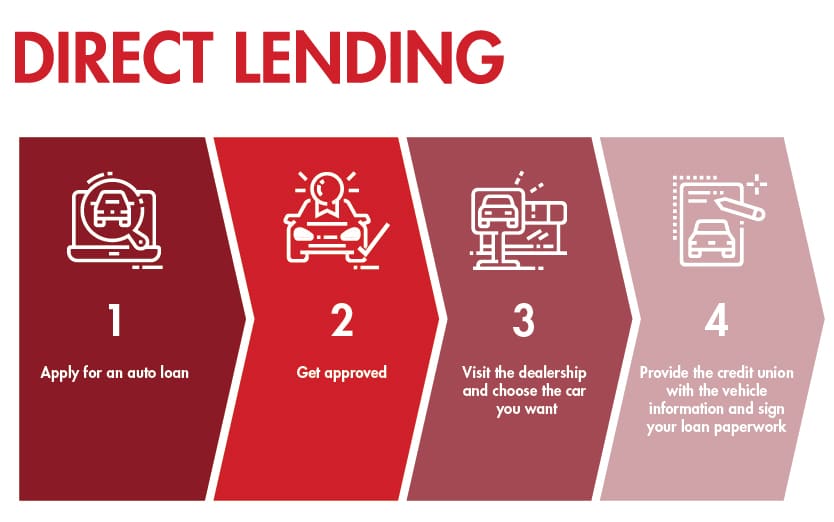
When buying a car, the dealership will almost always offer to arrange financing. While incredibly convenient, it’s essential to understand the dynamics of this option.
Understanding Dealership Loan Structures
Dealerships act as intermediaries, working with a network of banks, credit unions, and their own “captive finance” companies (e.g., Toyota Financial Services, Ford Credit). They essentially take your loan application and submit it to various lenders to find an offer.
- Captive Finance Arms: These are lending divisions owned by the car manufacturer. They often offer special promotional rates (like 0% APR for a limited time) on new vehicles, which can be highly attractive.
- Brokerage Role: For other loans, the dealership serves as a broker, facilitating the loan on behalf of a third-party lender. They may add a markup to the interest rate offered by the lender, which is how they earn a profit on the financing.
The Pros and Cons of Dealer Financing
While the allure of a one-stop shop is strong, it’s important to weigh the benefits against potential drawbacks.
Pros:
- Convenience: You can complete the entire purchase and financing process under one roof, saving time and effort.
- Special Offers: Dealerships, especially through captive finance companies, often have access to manufacturer-backed incentives like low-interest rates (e.g., 0% or 1.9%) or cash back deals that might not be available elsewhere.
- Flexibility in Negotiation: Financing terms can sometimes be bundled into the overall car price negotiation, potentially allowing for more wiggle room on monthly payments (though this can sometimes obscure the true cost).
- Good for Certain Credit Profiles: Dealerships often work with a wide range of lenders, including those that specialize in subprime loans, which can be beneficial for borrowers with challenging credit histories who might struggle to get approved elsewhere.
Cons:
- Potentially Higher Interest Rates: Dealerships can mark up the interest rate they receive from their lending partners, meaning you might pay more than if you went directly to a bank or credit union.
- Limited Options: While they work with multiple lenders, their network might not be as extensive as what you could find independently, especially through online marketplaces.
- Pressure Tactics: Salespeople are trained to sell cars and financing. You might face pressure to make quick decisions or accept less favorable terms if you haven’t secured pre-approval elsewhere.
- Focus on Monthly Payments: Dealers often focus on the monthly payment figure, which can distract from the total cost of the loan (APR, total interest paid, hidden fees). A low monthly payment might sound good, but if stretched over a very long term or at a high APR, it can lead to paying significantly more over the life of the loan.
Key Factors Influencing Your Auto Loan
Regardless of where you seek financing, several critical factors will dictate the terms of your auto loan. Understanding these can help you prepare and position yourself for the best possible rates.
The Indispensable Role of Your Credit Score
Your credit score is arguably the most influential factor in securing an auto loan. It’s a numerical representation of your creditworthiness, reflecting your history of borrowing and repayment.
- Impact: Lenders use your credit score to assess the risk of lending to you. A higher score (generally 700+) signals a lower risk, translating into lower interest rates and more favorable terms. Conversely, a lower score will result in higher interest rates, as lenders compensate for the increased risk.
- FICO Ranges: Typically, FICO scores of 720+ are considered excellent, 660-719 good, 600-659 fair, and below 600 poor. Each range corresponds to different interest rate tiers.
- Tips for Improvement: Before applying, check your credit report for errors. Pay down existing debts, especially credit card balances, and avoid opening new credit accounts. A higher credit score could save you thousands over the life of the loan.
Interest Rates, Loan Terms, and Down Payments
These three elements are inextricably linked and collectively determine the affordability and total cost of your auto loan.
Interest Rates (APR):
The Annual Percentage Rate (APR) is the true cost of borrowing, including the interest rate and certain fees. A lower APR means less money paid in interest over the life of the loan. Fixed-rate loans (most common for auto loans) keep the interest rate constant, while variable rates can fluctuate. Always compare APRs, not just interest rates.
Loan Terms:
This refers to the duration over which you will repay the loan, typically expressed in months (e.g., 36, 48, 60, 72, or even 84 months).
- Shorter Terms: Lead to higher monthly payments but lower total interest paid and quicker equity building.
- Longer Terms: Result in lower monthly payments, making the car seem more affordable upfront. However, they significantly increase the total interest paid over the life of the loan and can lead to negative equity (owing more than the car is worth) for a longer period.
Down Payments:
A down payment is the initial amount of money you pay towards the purchase of the vehicle.
- Benefits: A larger down payment reduces the principal amount you need to borrow, which in turn lowers your monthly payments and the total interest you’ll pay. It can also help you secure a lower interest rate, especially if your credit score is borderline, and helps avoid negative equity. Aim for at least 10-20% of the car’s purchase price if possible.
The Power of Pre-Approval
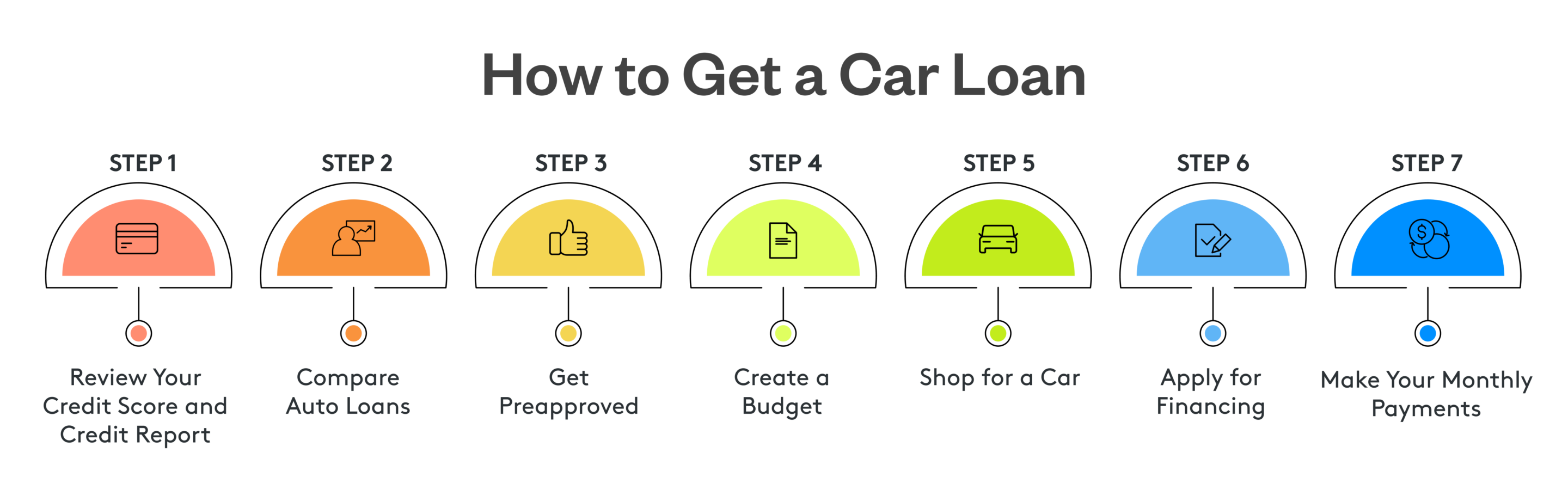
Getting pre-approved for an auto loan before you even step foot on a dealership lot is perhaps the most strategic move you can make.
- What it Is: Pre-approval means a lender has provisionally agreed to lend you a specific amount of money at a certain interest rate, contingent on the final verification of your information and the vehicle’s details.
- Why It’s Crucial:
- Bargaining Power: You walk into the dealership with financing already secured, turning you into a cash buyer. This removes the focus from loan terms and allows you to negotiate solely on the car’s price.
- Budget Clarity: You know exactly how much you can afford, preventing you from falling in love with a car outside your budget.
- Avoiding Pressure: You can politely decline dealer financing offers or use your pre-approval as leverage to get a better deal from the dealership’s lenders.
- Streamlined Process: It simplifies the car-buying process, making it faster and less stressful.
Strategies for Securing the Best Auto Loan
Finding the right lender is just one piece of the puzzle. Employing smart strategies can significantly enhance your chances of securing the most advantageous auto loan terms.
Research and Compare Thoroughly
Never settle for the first offer you receive. Dedicate time to research and compare interest rates, fees, and terms from multiple sources—banks, credit unions, online lenders, and even the dealership.
- Leverage Online Tools: Use online calculators to estimate monthly payments and total interest paid based on different rates and terms. Many online marketplaces allow you to get multiple quotes with a single application.
- Check with Existing Relationships: Start by inquiring with your current bank or credit union, as they might offer preferential rates to existing customers.
- Pre-approval First: As discussed, secure pre-approval from at least one external lender before visiting the dealership. This gives you a baseline for comparison.
Understand the Total Cost, Not Just Monthly Payments
It’s easy to get fixated on the lowest possible monthly payment, but this can be a costly mistake. A low monthly payment achieved through a very long loan term or a high interest rate means you’ll pay significantly more over the life of the loan.
- Focus on APR: The Annual Percentage Rate (APR) is your best indicator of the true cost of borrowing. Always compare APRs when evaluating offers.
- Calculate Total Interest: Ask lenders for the total amount of interest you will pay over the life of the loan. This provides a clearer picture than just the monthly payment.
- Beware of Hidden Fees: Scrutinize loan documents for origination fees, prepayment penalties, or other charges that could increase your overall cost. Reputable lenders will be transparent about all fees.
Negotiating Your Way to a Better Deal
Negotiation isn’t just for the car’s price; it applies to financing as well.
- Separate Negotiations: Always negotiate the price of the car before discussing financing. If you combine them, the dealer might offer a lower car price but make up for it with a higher interest rate on the loan.
- Use Your Pre-approval: Show the dealership your pre-approval offer. This challenges them to beat or match it, giving you a strong negotiating position for their financing options. If they can’t beat your pre-approval, you simply proceed with your external loan.
- Be Prepared to Walk Away: If a deal doesn’t feel right, or if the financing terms are unfavorable, be ready to walk away. There are always other cars and other lenders. Your patience and willingness to decline an offer are powerful negotiating tools.
Securing an auto loan is a fundamental part of the car-buying process. By thoroughly understanding your options for where to get an auto loan, diligently researching terms, improving your financial standing, and strategically negotiating, you can navigate this process with confidence. Empower yourself with knowledge, and you’ll drive away not only with the car of your dreams but also with a financing deal that truly benefits your financial well-being.
aViewFromTheCave is a participant in the Amazon Services LLC Associates Program, an affiliate advertising program designed to provide a means for sites to earn advertising fees by advertising and linking to Amazon.com. Amazon, the Amazon logo, AmazonSupply, and the AmazonSupply logo are trademarks of Amazon.com, Inc. or its affiliates. As an Amazon Associate we earn affiliate commissions from qualifying purchases.