
For many, purchasing a car represents a significant life milestone or a crucial necessity. Whether it’s a brand-new model gleaming on the showroom floor or a reliable pre-owned vehicle, the decision often involves financing. At the heart of this financing lies the car loan interest rate – a concept that, while seemingly straightforward, carries profound implications for a borrower’s financial health and the total cost of their vehicle. Understanding what an interest rate is, how it’s calculated, and the myriad factors influencing it, is not just about saving money; it’s about making informed financial decisions that empower you, rather than burden you. This comprehensive guide will demystify car loan interest rates, equipping you with the knowledge to navigate the complex world of automotive financing with confidence.

Understanding the Fundamentals of Car Loan Interest Rates
To truly grasp the impact of a car loan interest rate, we must first establish a clear definition and distinguish between related terms that often cause confusion. This foundational understanding is the cornerstone of making smart borrowing choices.
Defining Car Loan Interest Rates and APR
At its core, a car loan interest rate is the cost of borrowing money from a lender, expressed as a percentage of the principal loan amount. It’s the fee the lender charges for the privilege of using their capital to purchase a car. This percentage is typically calculated annually.
However, when discussing car loans, you’ll frequently encounter the term Annual Percentage Rate (APR). While the interest rate reflects the cost of borrowing the principal, the APR is a broader measure. It includes not only the interest rate but also any additional fees or charges associated with the loan, such as origination fees, processing fees, or closing costs. Essentially, APR provides a more complete picture of the total annual cost of borrowing. For car loans, especially from dealerships, these additional fees might be minimal or absorbed, making the interest rate and APR very close. However, always pay attention to the APR as it represents the true yearly cost of your loan. A lower APR directly translates to lower monthly payments and less money paid over the life of the loan.
Fixed vs. Variable Interest Rates: What’s the Difference?
When you take out a car loan, one of the crucial decisions, or conditions, will be whether your interest rate is fixed or variable. Each type carries distinct advantages and disadvantages, impacting your financial predictability.
A fixed interest rate loan means that the interest rate remains constant throughout the entire life of the loan. Your monthly payment for principal and interest will stay the same from the first payment to the last (assuming no extra payments are made). This provides stability and predictability, allowing for easier budgeting and financial planning. You know exactly what to expect, regardless of market fluctuations. For most consumers seeking a car loan, a fixed rate is often preferred for its simplicity and peace of mind.
A variable interest rate loan, on the other hand, means the interest rate can change over the life of the loan. These rates are typically tied to an underlying market index, such as the prime rate. If the index rate rises, your interest rate rises, and consequently, your monthly payment may increase. Conversely, if the index rate falls, your interest rate and payments could decrease. While a variable rate might offer a lower initial interest rate, it introduces an element of risk due to potential payment increases, making budgeting more challenging. Variable rates are less common for standard car loans but can sometimes be found with certain lenders or specific financial products.
Key Factors Influencing Your Car Loan Interest Rate
The interest rate you’re offered on a car loan is not arbitrary; it’s the result of a complex assessment of various factors. Lenders evaluate these elements to determine the risk associated with lending to you and, consequently, the rate they need to charge to compensate for that risk.
Your Credit Score: The Ultimate Determinant
Without a doubt, your credit score is the single most significant factor in determining the interest rate you receive. Lenders use credit scores (like FICO or VantageScore) as a snapshot of your creditworthiness – your history of borrowing and repaying debt. A higher credit score (generally above 700-720) indicates a lower risk to the lender, signaling that you are a reliable borrower with a strong track record of making timely payments. This typically qualifies you for the lowest available interest rates.
Conversely, a lower credit score (often below 620-650) suggests a higher risk of default. To offset this increased risk, lenders will charge a higher interest rate, sometimes significantly so. If your credit score is poor, you might even struggle to get approved for a loan at all, or the terms might be prohibitively expensive. Before applying for a car loan, it’s always advisable to check your credit score and report, addressing any inaccuracies and taking steps to improve it if necessary.
Loan Term and Down Payment: Striking the Right Balance
The loan term, or the length of time you have to repay the loan, also plays a crucial role. Shorter loan terms (e.g., 36 or 48 months) generally come with lower interest rates because the lender’s money is at risk for a shorter period. While monthly payments will be higher, you pay less interest over the life of the loan. Longer loan terms (e.g., 60, 72, or even 84 months) typically result in lower monthly payments, making the car more “affordable” in the short term. However, lenders often charge higher interest rates for longer terms due to the extended risk exposure, meaning you’ll pay significantly more in total interest.
A substantial down payment also works in your favor. When you put down a larger sum of money upfront, you borrow less, which reduces the lender’s risk. This can lead to a lower interest rate offer. Furthermore, a larger down payment means you’ll have more equity in the vehicle from the outset, reducing the likelihood of becoming “upside down” (owing more than the car is worth).
New vs. Used Cars and Lender Types
The type of vehicle you finance can influence the interest rate. New cars generally attract lower interest rates than used cars. This is primarily because new cars typically hold their value better initially, are less prone to mechanical issues, and are easier for lenders to repossess and resell if a borrower defaults. Used cars, being older and having accumulated mileage and wear, represent a higher risk for the lender dueor to greater depreciation and potential maintenance issues, leading to higher interest rates.
The type of lender you choose also matters.
- Banks are traditional lenders offering competitive rates, especially for borrowers with good credit.
- Credit unions are non-profit organizations often known for providing some of the lowest interest rates to their members, as their focus is on member benefits rather than shareholder profits.
- Dealership financing (captive lenders) can sometimes offer promotional rates (e.g., 0% APR for qualified buyers) through manufacturers’ financing arms. However, be wary, as these rates are usually reserved for top-tier credit and might be balanced by less flexibility on the car’s price. If you don’t qualify for promotional rates, dealership financing can sometimes be higher than what you might find elsewhere.
- Online lenders have grown in popularity, offering convenience and competitive rates, often providing quick pre-approvals.
Market Conditions and Economic Influences
Beyond individual borrower characteristics, broader market conditions and economic factors play a role. The federal funds rate set by the central bank (e.g., the Federal Reserve in the U.S.) influences interest rates across the entire economy, including car loans. When the economy is strong and the central bank raises rates to control inflation, car loan interest rates tend to rise. Conversely, during economic downturns, central banks may lower rates to stimulate borrowing and spending, which can lead to lower car loan rates. Lenders also consider their own cost of capital, prevailing competition, and overall lending environment when setting their rates.
The Real Cost: How Interest Rates Impact Your Loan
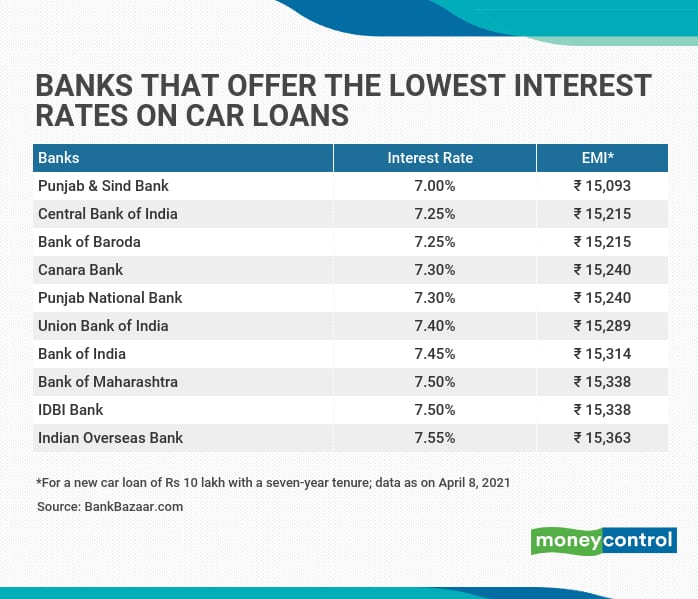
Understanding the interest rate is just the first step; appreciating its tangible impact on your monthly budget and the total amount you pay is where the true financial insight lies. A small difference in interest rate can translate to thousands of dollars over the life of the loan.
Calculating Your Monthly Payments and Total Loan Cost
Your monthly car loan payment is a function of three main variables: the principal loan amount, the interest rate, and the loan term. While the exact calculation involves complex amortization formulas, online car loan calculators can quickly provide estimates. These tools demonstrate how higher interest rates lead to higher monthly payments, even if the principal and term remain constant.
More importantly, a higher interest rate dramatically increases the total cost of the loan. For instance, borrowing $25,000 for 60 months at 4% APR might cost you approximately $2,600 in total interest. The same $25,000 at 8% APR could cost over $5,300 in total interest – more than double the amount for only a 4-percentage-point difference. This stark contrast highlights why securing the lowest possible interest rate is paramount.
The Power of Amortization: Understanding Your Payment Allocation
Car loans are typically amortizing loans, meaning each monthly payment you make consists of two parts: a portion that goes towards reducing the principal balance and a portion that covers the accrued interest. In the early stages of a fixed-rate amortizing loan, a larger percentage of your payment goes towards interest, and a smaller portion towards principal. As the loan matures, this ratio gradually shifts, with more of your payment going towards principal repayment and less towards interest.
Understanding amortization is insightful because it reveals why making extra payments, especially early in the loan term, can be so powerful. Any additional amount you pay directly reduces the principal balance, meaning less interest accrues over the remaining life of the loan, saving you money and shortening your repayment period.
Strategies to Secure a Lower Car Loan Interest Rate
Armed with knowledge about how interest rates work and what influences them, you can proactively take steps to position yourself for the best possible financing terms. A strategic approach can save you hundreds or even thousands of dollars over the loan term.
Boosting Your Creditworthiness
Since your credit score is the primary driver of interest rates, improving it should be a top priority if it’s not optimal.
- Pay bills on time, every time: Payment history is the most critical factor in your credit score.
- Reduce outstanding debt: Especially revolving credit like credit cards. Lowering your credit utilization ratio (amount of credit used vs. available) can significantly help.
- Avoid opening new credit accounts unnecessarily: Too many new credit inquiries can temporarily ding your score.
- Review your credit report for errors: Disputing and correcting inaccuracies can quickly boost your score.
Shopping Around for the Best Offers
Never take the first loan offer you receive, especially from a dealership. Instead, actively shop around for pre-approval from multiple lenders:
- Banks: Your current bank might offer preferential rates.
- Credit Unions: Often have very competitive rates for members.
- Online Lenders: Many reputable online platforms specialize in car loans and can provide quick rate quotes.
Multiple credit inquiries for the same type of loan within a short window (typically 14-45 days, depending on the scoring model) are usually treated as a single inquiry, minimizing the impact on your credit score. This allows you to compare offers without penalty.
Negotiation Tactics with Lenders
Once you have a few pre-approval offers in hand, you are in a stronger negotiating position.
- Use competing offers: Present your best pre-approved rate to other lenders (including the dealership’s finance department) to see if they can beat it.
- Focus on the APR, not just the monthly payment: While monthly payments are important for budgeting, always confirm the APR to ensure you’re getting the best overall deal. A dealer might lower the monthly payment by extending the loan term, which increases total interest.
- Be prepared to walk away: If a lender isn’t offering competitive terms, don’t be afraid to take your business elsewhere.
Optimizing Your Loan Structure: Term and Down Payment
As discussed, the loan term and down payment are crucial.
- Choose the shortest term you can comfortably afford: While a longer term makes monthly payments lower, the increased interest cost often outweighs the benefit. Aim for a balance between manageable payments and minimized interest.
- Make the largest down payment possible: This reduces the principal you borrow, lowering both your monthly payment and the total interest paid over the life of the loan. It also helps prevent you from going “upside down” on your car.
Navigating the Car Loan Landscape
The path to a new car can be exciting, but the financing aspect demands careful consideration. Knowing where to look for loans and how to approach the process can simplify the journey and secure a better deal.
Where to Find Car Loans: A Lender Overview
Beyond the specific lender types already mentioned, consider the following when searching for a loan:
- Local branches vs. online applications: While local banks and credit unions offer personalized service, online lenders often provide faster applications and competitive rates due to lower overheads.
- Specialty lenders: Some lenders specialize in loans for individuals with less-than-perfect credit, though these typically come with significantly higher interest rates.
Pre-approval: Your Strategic Advantage
Perhaps the most powerful tool in your car buying arsenal is pre-approval. Getting pre-approved for a loan before you even step foot in a dealership transforms you from a mere shopper into a cash buyer.
- Know your budget: Pre-approval clearly defines how much you can afford, preventing you from falling in love with a car outside your price range.
- Separate car price from financing: With pre-approval, you can focus solely on negotiating the best price for the vehicle, without the added pressure or distraction of financing options being bundled into the negotiation.
- Bargaining chip: Your pre-approval letter serves as a tangible offer you can use to challenge the dealership’s financing department to beat or match, giving you leverage.

Conclusion: Empowering Your Car Purchase
The phrase “what is car loan interest rate” opens the door to a critical area of personal finance. It’s more than just a number; it’s a key determinant of the true cost of your vehicle and a reflection of your financial health. By understanding the definition of interest rates and APR, recognizing the myriad factors that influence them, and proactively employing strategies to secure the best possible terms, you empower yourself.
A car purchase is a significant investment. Approaching the financing with knowledge, diligence, and a strategic mindset ensures that you not only drive away in the car you desire but also do so on terms that align with your financial goals, saving you money and promoting long-term financial well-being. Take the time to educate yourself, shop around, and negotiate; these efforts will undoubtedly pay dividends over the life of your car loan.
aViewFromTheCave is a participant in the Amazon Services LLC Associates Program, an affiliate advertising program designed to provide a means for sites to earn advertising fees by advertising and linking to Amazon.com. Amazon, the Amazon logo, AmazonSupply, and the AmazonSupply logo are trademarks of Amazon.com, Inc. or its affiliates. As an Amazon Associate we earn affiliate commissions from qualifying purchases.