
Understanding how interest rates are calculated on loans is not merely a financial exercise; it is a fundamental skill that empowers individuals and businesses to make informed borrowing decisions, manage debt effectively, and ultimately achieve financial stability. Whether you’re considering a mortgage, a car loan, a student loan, or a business line of credit, the interest rate is arguably the most critical factor determining the true cost of borrowing. This guide will demystify the mechanics of interest rate calculation, explore the nuances of different interest types, and equip you with the knowledge to navigate the lending landscape with confidence.
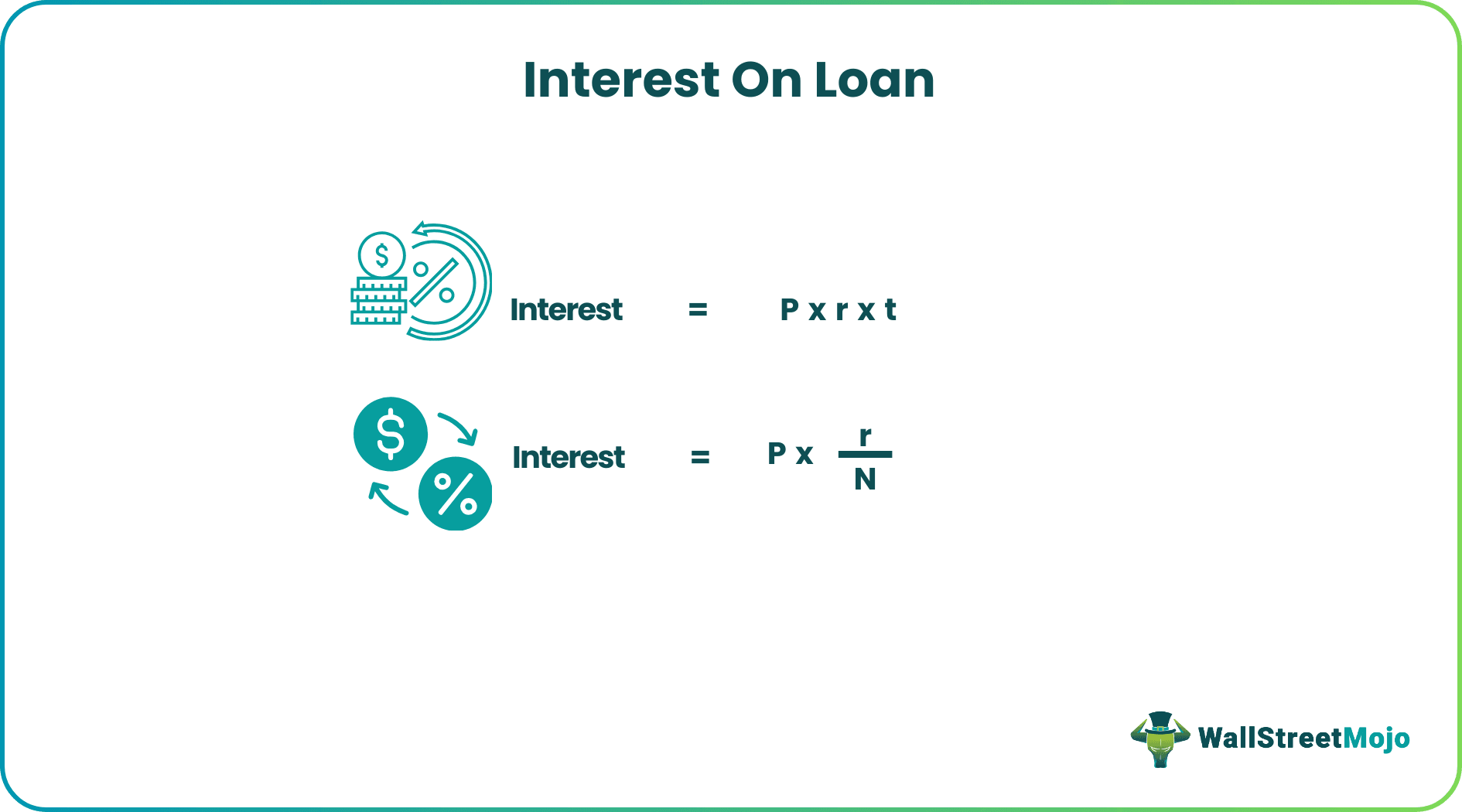
Understanding the Fundamentals of Loan Interest
At its core, interest is the cost of borrowing money or the return on an investment. For a borrower, it’s the fee paid to a lender for the use of their money. For a lender, it’s the compensation received for providing funds. Grasping the basic definitions and distinctions is the first step toward mastering interest rate calculations.
What is Interest and Why Does It Matter?
Interest is expressed as a percentage of the principal amount – the initial sum borrowed. This percentage, known as the interest rate, is applied over a specific period, typically annually. Why does it matter so much? Because the interest rate directly impacts your monthly payments, the total amount you repay over the life of the loan, and your overall financial health. A seemingly small difference in an interest rate can translate into thousands of dollars saved or spent over the term of a long-term loan. Ignoring interest calculations is akin to buying a product without checking its price tag; it leaves you vulnerable to unexpected costs and potentially unsustainable financial commitments.
Distinguishing Between Simple and Compound Interest
The financial world primarily operates with two types of interest: simple and compound. Understanding the difference is crucial for calculating the true cost of a loan.
- Simple Interest: This is the most straightforward form of interest calculation. It is calculated only on the principal amount of the loan. This means the interest paid remains constant throughout the loan’s duration, assuming no changes to the principal. Simple interest is often used for short-term loans, personal loans, or certain types of auto loans where the interest is calculated monthly on the original principal balance.
- Compound Interest: Often referred to as “interest on interest,” compound interest is calculated on the initial principal and also on the accumulated interest from previous periods. This means your interest grows exponentially over time. While it’s a powerful tool for investments, it can be a significant burden for borrowers if not managed carefully. Most mortgages, student loans, and credit card debts use compound interest. The frequency of compounding (daily, monthly, quarterly, annually) significantly affects the total interest paid.
Key Components: Principal, Rate, and Term
Every loan calculation revolves around three fundamental components:
- Principal (P): This is the original amount of money borrowed or invested. For a loan, it’s the sum you receive from the lender.
- Interest Rate (R): This is the percentage charged by the lender for the use of the principal. It is typically expressed as an annual rate, but it needs to be converted to a decimal (e.g., 5% becomes 0.05) and adjusted for the compounding period if applicable.
- Time/Term (T): This is the duration over which the money is borrowed, usually expressed in years. For loans with monthly payments, the total number of periods (months) is often used in calculations.
Mastering how these three elements interact is key to accurately calculating interest and understanding loan amortization.
The Core Methods for Calculating Interest
With the fundamentals established, we can now delve into the practical formulas and concepts used to calculate loan interest. These methods provide the framework for assessing the true financial obligation of borrowing.
Calculating Simple Interest: The Basic Formula
The formula for simple interest is elegantly straightforward:
Simple Interest (SI) = P × R × T
Where:
- P = Principal amount
- R = Annual interest rate (as a decimal)
- T = Time period of the loan in years
Example: If you borrow $10,000 at a simple interest rate of 5% per year for 3 years:
SI = $10,000 × 0.05 × 3 = $1,500
The total repayment amount would be Principal + Simple Interest = $10,000 + $1,500 = $11,500.
This calculation provides a clear, static cost of borrowing, making it easy to predict total repayment.
Unraveling Compound Interest: The Power of Compounding
Compound interest calculations are more complex due to the “interest on interest” factor. The most common formula to calculate the future value of a loan (principal plus compound interest) is:
A = P (1 + R/n)^(nt)
Where:
- A = The future value of the investment/loan, including interest.
- P = The principal investment amount (the initial deposit or loan amount).
- R = The annual interest rate (as a decimal).
- n = The number of times that interest is compounded per year.
- t = The number of years the money is invested or borrowed for.
To find just the compound interest, you would subtract the principal from A: Compound Interest = A – P.
Example: You borrow $10,000 at an annual interest rate of 5% compounded monthly for 3 years.
- P = $10,000
- R = 0.05
- n = 12 (compounded monthly)
- t = 3
A = $10,000 (1 + 0.05/12)^(12*3)
A = $10,000 (1 + 0.00416667)^(36)
A ≈ $10,000 (1.16147)
A ≈ $11,614.72
Compound Interest = $11,614.72 – $10,000 = $1,614.72
Notice that the compound interest ($1,614.72) is slightly higher than the simple interest ($1,500) over the same period, demonstrating the effect of compounding. For loans with regular payments (like mortgages), amortization schedules are used to show how each payment is split between principal and interest over time, with the interest portion decreasing as the principal is paid down.
The Importance of APR (Annual Percentage Rate) and EAR (Effective Annual Rate)
While the interest rate is a critical figure, two other rates provide a more complete picture of the cost of borrowing:
- Annual Percentage Rate (APR): This is a broader measure of the cost of borrowing money. It includes not only the nominal interest rate but also other charges and fees associated with the loan, such as origination fees, discount points, or mortgage insurance. Lenders are legally required to disclose the APR, as it offers a standardized way for consumers to compare the true cost of different loan offers. A loan with a lower nominal interest rate might have a higher APR due to hefty fees, making it less attractive than a loan with a slightly higher nominal rate but fewer fees.
- Effective Annual Rate (EAR) or Annual Equivalent Rate (AER): This rate accounts for the effect of compounding interest over a year. While the APR attempts to include fees, the EAR specifically focuses on the impact of compounding frequency. For example, if a loan has a nominal annual interest rate of 5% compounded monthly, its EAR will be slightly higher than 5% because the interest itself earns interest more frequently. The EAR is particularly useful for comparing loans or investments with different compounding periods, as it shows the actual annual rate of return or cost.
EAR = (1 + R/n)^n – 1
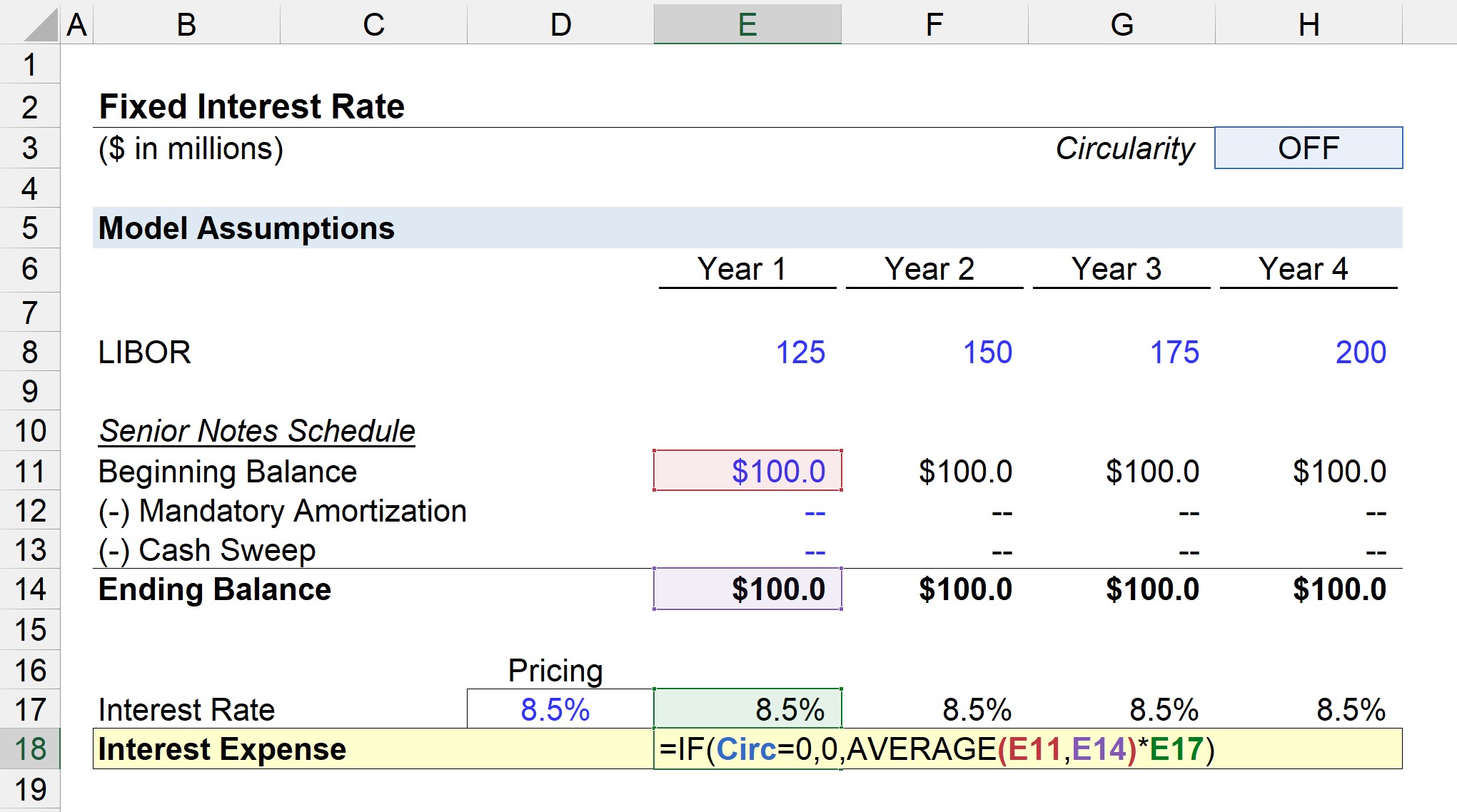
Where:
- R = Nominal annual interest rate (as a decimal)
- n = Number of compounding periods per year
Understanding both APR and EAR is vital for consumers to assess the real cost of debt and avoid hidden charges or underestimated expenses.
Factors That Influence Your Loan Interest Rate
Interest rates are not static; they are highly personalized and dynamic, influenced by a confluence of individual borrower characteristics, specific loan terms, and broader economic conditions. Lenders assess these factors to determine the level of risk involved in extending credit to you.
Your Credit Score: The Cornerstone of Borrowing
Your credit score is arguably the most significant factor influencing the interest rate you’ll be offered. It’s a numerical representation of your creditworthiness, derived from your payment history, amounts owed, length of credit history, new credit, and credit mix.
- Higher Credit Score (e.g., 720+): Indicates a lower risk to lenders, often leading to access to the lowest available interest rates. You’ve demonstrated a strong track record of responsible borrowing and repayment.
- Lower Credit Score (e.g., below 600): Suggests a higher risk of default, compelling lenders to charge higher interest rates to compensate for that increased risk. Sometimes, it might even make it difficult to secure a loan at all.
Maintaining a good credit score through timely payments, managing debt levels, and avoiding excessive credit applications is paramount for securing favorable loan terms.
Loan Type and Term: Impact on Rates
The nature of the loan itself and its repayment duration also play crucial roles in rate determination:
- Secured vs. Unsecured Loans:
- Secured loans (e.g., mortgages, auto loans) are backed by collateral that the lender can seize if you default. This reduces the lender’s risk, often resulting in lower interest rates.
- Unsecured loans (e.g., personal loans, credit cards) have no collateral. The lender relies solely on your promise to repay, making them riskier and thus typically carrying higher interest rates.
- Loan Term (Duration): Generally, shorter loan terms often come with lower interest rates because the lender’s money is at risk for a shorter period. Conversely, longer loan terms, while offering lower monthly payments, typically carry higher overall interest rates and result in more total interest paid over the life of the loan. This is due to the increased uncertainty and potential for economic changes over an extended period.
Market Dynamics and Lender-Specific Variables
Beyond your personal financial profile and the loan’s characteristics, broader market forces and individual lender policies also shape interest rates:
- Federal Reserve Policy Rates: Central banks, like the Federal Reserve in the U.S., set benchmark interest rates (e.g., the federal funds rate). These rates influence the cost of borrowing for banks, which, in turn, impacts the rates they offer to consumers. When the Fed raises rates, consumer loan rates generally follow suit.
- Inflation: When inflation is high, the purchasing power of money decreases over time. Lenders will charge higher interest rates to compensate for the erosion of their money’s value during the loan term.
- Economic Outlook: A strong, stable economy often correlates with lower risk perception among lenders, potentially leading to more competitive rates. Economic uncertainty, however, can cause lenders to tighten credit and increase rates.
- Lender’s Risk Assessment and Business Model: Each financial institution has its own risk appetite and operating costs. A credit union, for example, might offer slightly different rates than a large commercial bank, even for the same borrower profile. Competition among lenders can also drive rates down.
Practical Tools and Strategies for Managing Interest Rates
Calculating interest rates accurately is a foundational step, but leveraging that knowledge to your advantage requires practical tools and strategic approaches. Empowering yourself means not just understanding the numbers but also knowing how to influence them.
Leveraging Online Calculators and Financial Software
The digital age has provided an abundance of resources to simplify complex financial calculations:
- Online Loan Calculators: Websites of banks, credit unions, and financial education platforms often feature free loan calculators. These tools allow you to input the principal, interest rate, and term to instantly generate estimated monthly payments, total interest paid, and even full amortization schedules. They are invaluable for “what-if” scenarios, helping you compare different loan offers quickly.
- Spreadsheet Formulas (Excel, Google Sheets): For those comfortable with spreadsheets, functions like
PMT(for calculating payment),IPMT(interest payment), andPPMT(principal payment) can provide granular control over loan analysis. These tools are excellent for creating personalized financial models and tracking loan progress. - Financial Apps: Many personal finance apps now incorporate loan payment calculators and debt management features, allowing you to monitor your debt obligations and visualize repayment strategies on the go.
While these tools are highly convenient, always double-check the inputs to ensure accuracy and remember they provide estimates; final figures may vary slightly with your lender.
Strategic Steps to Secure More Favorable Rates
Knowledge about interest rates is power, especially when negotiating or applying for a loan:
- Improve Your Credit Score: As discussed, a higher credit score is your strongest asset. Before applying for a significant loan, take steps to improve your score: pay bills on time, reduce existing debt, and avoid opening too many new credit accounts.
- Shop Around and Compare Offers: Never settle for the first loan offer you receive. Apply to multiple lenders (banks, credit unions, online lenders) and meticulously compare their APRs, fees, and terms. Remember, a lower interest rate can save you thousands over the life of a loan.
- Negotiate with Lenders: Especially if you have an excellent credit score or a long-standing relationship with a bank, don’t be afraid to negotiate. Show them competing offers, and they might be willing to match or beat them to secure your business.
- Consider Shorter Loan Terms: While longer terms mean lower monthly payments, they nearly always result in higher total interest. If you can afford slightly higher payments, opting for a shorter term can significantly reduce the overall cost of the loan.
- Make a Larger Down Payment: For secured loans like mortgages or car loans, a larger down payment reduces the principal amount borrowed, which in turn can lead to a lower interest rate as the lender’s risk is diminished.
- Refinance Existing Debt: If interest rates have fallen or your credit score has significantly improved since you took out a loan, consider refinancing. This involves taking out a new loan with a lower interest rate to pay off the old one, potentially saving you a substantial amount.
When to Seek Professional Financial Advice
While this guide provides a solid foundation, some situations warrant the expertise of a financial professional:
- Complex Financial Situations: If you have multiple loans, diverse income streams, or unique financial goals, a certified financial planner can help you integrate your loan strategy into a broader financial plan.
- Large and Long-Term Loans: For significant commitments like mortgages or business loans, an advisor can help you understand the intricate details, compare complex offers, and ensure you’re making the best long-term decision.
- Debt Management Challenges: If you’re struggling with high-interest debt, a credit counselor or financial advisor can provide strategies for consolidation, repayment plans, and negotiations with creditors.
Beyond Calculation: The Long-Term Impact of Interest Rates
Calculating interest rates is a technical skill, but understanding their broader implications is where true financial wisdom lies. The cost of borrowing is not just an immediate figure; it’s a long-term commitment that shapes your financial trajectory.
The True Cost of Borrowing Over Time
The “sticker price” of a loan – the principal amount – is rarely the actual cost. The interest paid over the loan’s lifetime can dramatically increase the total expenditure. For example, a $300,000 mortgage at 5% over 30 years will accrue over $279,000 in interest, nearly doubling the initial principal. This illustrates that for long-term loans, the total interest paid can often equal or even exceed the original amount borrowed. Recognizing this “true cost” encourages diligence in securing the lowest possible rates and perhaps making extra payments to shorten the loan term.

Interest Rates and Your Financial Well-being
Your ability to manage interest rates directly impacts your financial freedom and ability to achieve other life goals. High interest rates on consumer debt (like credit cards) can trap individuals in a cycle where minimum payments barely cover the interest, preventing principal reduction. Conversely, favorable rates on major loans free up cash flow, allowing for investments, savings, and wealth accumulation. By actively calculating, comparing, and strategically managing interest rates, you exert control over your financial destiny, moving from merely reacting to loan offers to proactively shaping your borrowing landscape.
In conclusion, the ability to calculate and comprehend interest rates is an indispensable tool in your financial arsenal. It transforms you from a passive borrower into an empowered financial decision-maker. By understanding the types of interest, the formulas for calculation, the factors that influence rates, and the practical strategies for securing better terms, you are well-equipped to navigate the complexities of loans, minimize your borrowing costs, and build a stronger financial future.
aViewFromTheCave is a participant in the Amazon Services LLC Associates Program, an affiliate advertising program designed to provide a means for sites to earn advertising fees by advertising and linking to Amazon.com. Amazon, the Amazon logo, AmazonSupply, and the AmazonSupply logo are trademarks of Amazon.com, Inc. or its affiliates. As an Amazon Associate we earn affiliate commissions from qualifying purchases.