
Selling a car is more than just a transaction; it’s a significant financial decision that can impact your personal budget, future investments, or the purchase of your next vehicle. For many, a car represents one of the largest depreciating assets they own, making its eventual resale value a critical consideration. Determining precisely how much your car is worth can feel like navigating a complex maze of market trends, vehicle conditions, and buyer expectations. Yet, with the right approach, accurate valuation, and strategic preparation, you can unlock its true financial potential. This comprehensive guide will walk you through the essential steps, factors, and strategies involved in getting the best possible price for your car, ensuring you make an informed and profitable decision.

Understanding the Factors That Drive Your Car’s Value
The price tag on your car isn’t arbitrary; it’s a dynamic figure influenced by a multitude of interconnected factors. Grasping these elements is the first step towards accurately assessing your vehicle’s worth and positioning it competitively in the market.
Make, Model, and Year
Unsurprisingly, the fundamental identity of your car plays a huge role. Certain brands and models retain their value better than others due to reputation for reliability, safety, or luxury. A Honda Civic, for instance, typically holds its value well, whereas some less popular luxury marques might see steeper depreciation. The car’s age, indicated by its model year, is also a primary determinant. Newer cars, all else being equal, command higher prices, with significant depreciation often occurring in the first few years of ownership. Understanding the typical depreciation curve for your specific make and model can set realistic expectations.
Mileage
Mileage is a direct indicator of a car’s wear and tear. While modern engines are built to last, higher mileage usually signals more use, potentially requiring more maintenance or parts replacement in the near future. Industry standards often consider “average” mileage to be around 12,000-15,000 miles per year. A car with significantly lower mileage for its age will likely fetch a higher price, as it implies less strain on its components and potentially a longer remaining lifespan. Conversely, exceptionally high mileage might deter some buyers or necessitate a lower asking price.
Condition (Interior, Exterior, Mechanical)
A car’s physical and mechanical state is paramount. This encompasses everything from the pristine nature of its paintwork and the absence of dents, scratches, or rust on the exterior, to the cleanliness and wear of the interior (upholstery, carpets, dashboard). Mechanically, a well-maintained car with no warning lights, smooth operation, and healthy engine sounds will inspire buyer confidence. Any significant issues—whether cosmetic or mechanical—will detract from its value and must either be addressed prior to sale or factored into the asking price. Be honest about imperfections, as buyers will likely conduct their own inspections.
Features and Trim Level
The specific trim level and optional features can significantly impact resale value. A higher trim level with premium amenities like leather seats, a sunroof, navigation system, advanced safety features, or a more powerful engine will naturally command a higher price than a base model. Aftermarket modifications, however, can be a double-edged sword; while some may appeal to a niche market, many can actually reduce value unless they are high-quality, professional installations that enhance performance or aesthetics universally.
Service History and Maintenance
A complete and transparent service history is invaluable. It provides irrefutable proof that the car has been regularly maintained, with documented oil changes, tire rotations, brake service, and any major repairs. This history assures potential buyers that the car has been cared for, reducing their perceived risk of unforeseen issues. A well-organized folder of receipts and service records can significantly boost a buyer’s confidence and, consequently, your car’s market value.
Location and Market Demand
Where you sell your car can also play a role. Regional demand for certain vehicle types can fluctuate. For example, SUVs and all-wheel-drive vehicles might command higher prices in areas with harsh winters, while convertibles might sell better in sunnier climates. Local economic conditions, the availability of new and used cars, and even the current price of fuel can all influence market demand and, by extension, your car’s immediate financial worth.
Accurately Assessing Your Car’s Current Market Value
Once you understand the factors at play, the next crucial step is to pinpoint your car’s objective market value. This isn’t about guesswork; it’s about leveraging data and resources to arrive at a realistic figure. Overestimating can lead to prolonged selling times, while underestimating means leaving money on the table.
Online Valuation Tools
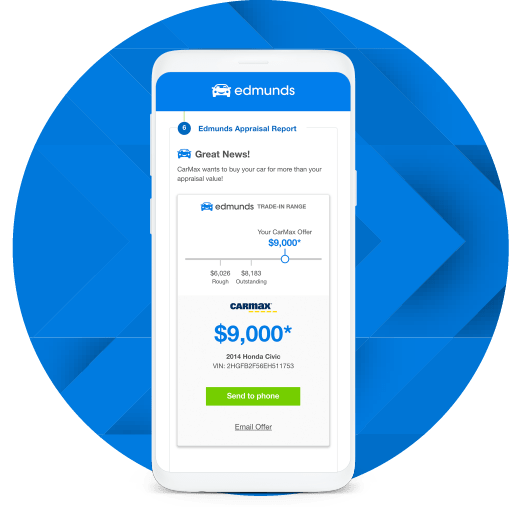
Several reputable online platforms offer robust valuation tools that provide estimated market values based on your car’s specific details. Websites like Kelley Blue Book (KBB.com), Edmunds.com, and NADAguides are industry standards. You input your car’s make, model, year, trim, mileage, condition, and sometimes even your ZIP code, and they generate an estimated private party sale value, trade-in value, and retail value. Use these as a starting point, comparing estimates from multiple sources to get a well-rounded picture. Be honest about your car’s condition when using these tools, as exaggerating its state will lead to an inflated and unrealistic valuation.
Browsing Online Marketplaces
Beyond theoretical valuations, real-world market data is indispensable. Spend time browsing popular online car marketplaces such as AutoTrader.com, Cars.com, eBay Motors, and even local classifieds like Craigslist or Facebook Marketplace. Search for cars identical or highly similar to yours (same make, model, year, trim, and approximate mileage) within your geographic area. Pay close attention to their asking prices, how long they’ve been listed, and their reported condition. This gives you a direct insight into what buyers are actually willing to pay for comparable vehicles right now. Don’t just look at the highest prices; examine the average and lowest too to gauge the competitive landscape.
Local Dealership Appraisals
While a dealership will typically offer a lower price than a private sale (as they need to recondition and resell the car for a profit), obtaining a few dealership appraisals can provide a solid baseline for your car’s wholesale value. Many dealerships offer free, no-obligation appraisals. Even if you don’t intend to trade it in, these appraisals give you a professional assessment of what a dealer is willing to pay, which can be a useful lower bound for your expectations. Approach several dealerships to compare offers, as they can vary significantly.
Understanding Depreciation
It’s vital to recognize that cars depreciate. The moment a new car is driven off the lot, its value drops. This process continues, albeit at varying rates, throughout its lifespan. Factors like mileage accumulation, age, accidents, and even recalls can accelerate depreciation. Being aware of how depreciation affects your specific model helps you understand why your car is worth less today than it was last year, and it helps manage expectations for future resale values. For example, some luxury vehicles experience rapid depreciation, while certain reliable economy cars might hold their value exceptionally well.
Strategies to Maximize Your Car’s Resale Value
Once you have a clear understanding of your car’s potential value, the next step is to implement strategies that enhance its appeal and justify a higher asking price. This often involves a modest investment of time and money that can yield significant returns.
Pre-Sale Cleaning and Detailing
First impressions are crucial. A thoroughly cleaned and detailed car signals to potential buyers that you’ve cared for the vehicle. This goes beyond a simple wash. Consider a professional detailing service or dedicate a weekend to cleaning the interior (vacuuming, wiping down surfaces, cleaning windows, treating upholstery) and exterior (washing, waxing, cleaning tires and wheels, dressing trim). Removing personal items, odors, and grime creates a neutral, inviting space that allows buyers to envision themselves owning the car. This relatively small expense can easily add hundreds, if not thousands, to your sale price.
Minor Repairs and Maintenance
Address any small, noticeable issues that could deter a buyer or become bargaining chips for them. This might include replacing a burnt-out headlight bulb, fixing a loose interior trim piece, topping off fluids, or ensuring all dashboard warning lights are off (if the issue is minor and easily fixable). You don’t necessarily need to embark on major engine overhauls unless they directly impact safety or driveability and significantly devalue the car. Focus on items that are inexpensive to fix but make a big visual or functional difference. Ensure the car is up-to-date on its routine maintenance, such as oil changes and fluid checks.
Gathering Essential Documents
Having all relevant paperwork organized and ready creates trust and facilitates a smooth transaction. This includes:
- Title (Pink Slip): The original document proving ownership. Ensure it’s free of liens.
- Service Records: As mentioned, a complete history of maintenance and repairs.
- Vehicle History Report: Consider purchasing a CarFax or AutoCheck report to show transparency about accidents, previous owners, and odometer readings. This builds buyer confidence.
- Smog Certificate (if required): In many states, a recent smog certificate is required for sale.
- Owner’s Manual: A small but helpful detail.
Having these documents readily available demonstrates thoroughness and professionalism.
High-Quality Photography and Compelling Descriptions
In the digital age, your car’s online listing is its storefront. Invest time in taking clear, well-lit photographs from various angles, showcasing both the exterior and interior, including the dashboard, seats, trunk, and wheels. Highlight any unique features or upgrades. Avoid blurry or dark photos. The accompanying description should be comprehensive and honest. Start with key facts (make, model, year, mileage, trim) then elaborate on features, condition, maintenance history, and why you’re selling. Be transparent about any known flaws but emphasize the car’s strengths. A well-crafted listing can attract more serious buyers and justify your asking price.
Navigating Your Selling Options
With your car prepared and valued, the next decision is how to sell it. Each method comes with its own set of advantages and disadvantages, primarily impacting the amount of money you can expect to receive versus the effort and convenience involved.
Private Sale: Pros and Cons
Selling your car privately typically yields the highest financial return. By cutting out the middleman (dealership), you retain a larger portion of the sale price. However, this option demands the most effort: you’re responsible for advertising, screening potential buyers, arranging test drives, negotiating, and handling all paperwork. It also carries a higher risk of dealing with unreliable buyers or potential scams. While financially rewarding, it requires patience, good communication skills, and a willingness to dedicate time to the process.
Dealership Trade-In: Convenience vs. Value
Trading your car into a dealership is by far the most convenient option. It eliminates the hassle of private selling, and in some regions, you may receive a tax credit on your new car purchase for the trade-in value. The major drawback, however, is that dealerships offer wholesale prices, meaning you’ll almost always receive significantly less money than through a private sale. This option is best for those prioritizing ease and speed over maximizing profit. It’s often bundled with the purchase of a new vehicle.
Selling to Online Car Buyers/Marketplaces
A hybrid option gaining popularity is selling to online car buying services (e.g., Carvana, Vroom, KBB Instant Cash Offer) or online marketplaces (e.g., CarGurus, Shift). These platforms offer a streamlined process, often providing instant cash offers based on online appraisals and then arranging pickup. While generally offering more than a dealership trade-in, they may not match the highest prices achievable through a private sale. They strike a good balance between convenience and getting a fair price, appealing to those who want a quick sale without the full private-selling effort.
Consignment Sales
Some dealerships or specialized consignment services will sell your car for you, taking a percentage of the final sale price. They handle the marketing, test drives, and paperwork. This can be a good option if you want to avoid the private sale hassle but still aim for a higher price than a trade-in. However, you need to trust the consignment service, agree on a fair commission, and understand that the car may take time to sell, tying up your capital.
Sealing the Deal: Negotiation and Transaction Best Practices
Once you’ve identified potential buyers, the final stage involves negotiating the price and executing a secure, legal transaction. This is where your preparation pays off.
Setting a Realistic Asking Price
Based on your market research and valuation, set an initial asking price that is competitive but also leaves room for negotiation. Many buyers expect to negotiate, so starting slightly above your absolute minimum desired price is a common strategy. However, don’t price it unrealistically high, as this will deter buyers. Be confident in your price, armed with the knowledge of your car’s value and condition.
Mastering Negotiation Tactics
When negotiating, be polite but firm. Highlight your car’s strengths, your meticulous maintenance, and any recent repairs. Be prepared to discuss any minor flaws transparently. Listen to the buyer’s offers and counter-offers. If they make a lowball offer, don’t be afraid to decline it respectfully. You can also offer to split the difference on certain amounts. Decide beforehand your absolute minimum acceptable price and stick to it. Remember, negotiation is a give-and-take; sometimes a small concession can close the deal.
Handling Test Drives and Inspections
Always accompany potential buyers on test drives. Meet in a public, well-lit place, and consider bringing a friend. Before the test drive, verify their driver’s license and insurance. Encourage independent inspections by a trusted mechanic at the buyer’s expense. This adds another layer of trust and can expedite the sale, as any issues discovered can be negotiated transparently. Never let the car leave your sight or possession without full payment.
Secure Payment Methods
Safety and security are paramount when receiving payment. Avoid personal checks, as they can bounce. Cashier’s checks from reputable banks can be an option, but it’s best to verify their legitimacy with the issuing bank before releasing the car title. Electronic funds transfer (EFT) directly into your bank account is often the most secure method, ensuring the funds are cleared before the transfer of ownership. For private sales, never hand over keys or the title until you have verified cleared funds in your account.

Completing Paperwork and Transfer of Ownership
The final step is to complete all necessary paperwork to legally transfer ownership. This typically includes signing the vehicle title over to the new owner, completing a bill of sale (which should include details of both parties, the car’s VIN, sale price, and date), and filing any required transfer notices with your state’s Department of Motor Vehicles (DMV) or equivalent agency. Ensure all fields on the title are accurately filled out and signed by both parties. Keep copies of all documents for your records. This ensures you’re no longer liable for the car once it’s sold.
Selling your car doesn’t have to be a daunting task. By systematically understanding its value, preparing it effectively, choosing the right selling channel, and navigating the final transaction with confidence, you can ensure you get the maximum financial return for your asset, paving the way for your next automotive adventure or simply bolstering your financial position.
aViewFromTheCave is a participant in the Amazon Services LLC Associates Program, an affiliate advertising program designed to provide a means for sites to earn advertising fees by advertising and linking to Amazon.com. Amazon, the Amazon logo, AmazonSupply, and the AmazonSupply logo are trademarks of Amazon.com, Inc. or its affiliates. As an Amazon Associate we earn affiliate commissions from qualifying purchases.