
In an era defined by rapid digital transformation and evolving economic landscapes, few innovations have ignited as much discussion, debate, and fervent interest as Bitcoin. Born from the ashes of the 2008 global financial crisis, this enigmatic digital currency has transcended its initial technical niche to become a significant, albeit often misunderstood, player in global finance. To truly grasp the essence of Bitcoin, one must look beyond its technological underpinnings and delve into its profound implications for personal finance, investment strategies, business operations, and the very future of money. This article aims to distill the multifaceted “point” of Bitcoin, exploring its purpose as a revolutionary financial instrument, a store of value, a medium of exchange, and a speculative asset, all within the exclusive context of the Money category.

Bitcoin’s Genesis: A Financial Revolution
At its core, Bitcoin emerged as a radical response to perceived flaws within traditional centralized financial systems. The whitepaper published by the pseudonymous Satoshi Nakamoto outlined a vision for “a new electronic cash system that’s fully peer-to-peer, with no trusted third party.” This genesis story is crucial to understanding Bitcoin’s fundamental financial value proposition.
The Problem with Traditional Finance
Before Bitcoin, virtually all financial transactions relied on intermediaries: banks, payment processors, and governments. While these entities provide stability and security, they also come with inherent drawbacks from a financial perspective. They charge fees, dictate transaction speeds, can impose censorship, and are susceptible to single points of failure, as dramatically evidenced during the 2008 financial meltdown. The reliance on sovereign fiat currencies, controlled by central banks, also exposes individuals to inflationary pressures and the potential for currency debasement through quantitative easing or other monetary policies. For individuals in countries with unstable economies, hyperinflation, or capital controls, the limitations of traditional finance are particularly acute, eroding savings and restricting financial freedom. The lack of transparency in the creation and distribution of money by central authorities also fuels a sense of distrust among certain segments of the population.
Satoshi’s Vision: Decentralized Digital Cash
Satoshi Nakamoto’s innovation was not just creating a digital currency, but a decentralized digital currency. Bitcoin eliminated the need for financial intermediaries by leveraging a groundbreaking technology called blockchain. This distributed ledger records all transactions transparently and immutably across a global network of computers, secured by cryptographic proofs. The “point” here, from a financial perspective, was to empower individuals with direct control over their money, free from the oversight and control of any single entity. This vision offered:
- Censorship Resistance: Transactions cannot be blocked or reversed by a third party. This is invaluable for individuals and businesses operating under restrictive regimes or seeking to avoid politically motivated financial sanctions.
- Permissionless Access: Anyone with an internet connection can use Bitcoin, regardless of their nationality, credit score, or banking status. This financial inclusion aspect is particularly significant for the unbanked or underbanked global population.
- Transparency (of ledger): While individual identities are pseudonymous, every transaction is recorded on a public ledger, allowing for unprecedented transparency in monetary supply and transaction history, contrasting sharply with the opaque operations of some traditional financial institutions.
- Fixed Supply: Crucially, Bitcoin has a mathematically predetermined and finite supply of 21 million coins. This scarcity, enforced by code, stands in stark contrast to fiat currencies, which can be printed at will, and forms a cornerstone of its appeal as a long-term store of value.
These characteristics collectively represent Bitcoin’s initial financial “point”: to provide a robust, resilient, and equitable alternative to conventional monetary systems, offering a new paradigm for digital finance.
Bitcoin as a Multidimensional Financial Asset
Beyond its foundational revolutionary aims, Bitcoin has evolved into a complex financial asset with various perceived roles and utilities, attracting a diverse array of investors, entrepreneurs, and financial institutions. Understanding these different dimensions is key to appreciating its contemporary “point.”
The Digital Gold Narrative: Store of Value
Perhaps the most compelling argument for Bitcoin’s “point” in recent years has been its emergence as “digital gold.” Traditional gold has long been revered as a safe-haven asset, a hedge against inflation, and a store of value due to its scarcity, durability, divisibility, and portability. Bitcoin shares many of these characteristics, often exceeding them in the digital realm:
- Scarcity: With a hard cap of 21 million coins, Bitcoin is demonstrably scarcer than gold, whose supply continues to grow through mining. This fixed supply provides a strong argument for its long-term value preservation.
- Divisibility: A single Bitcoin can be divided into 100 million “satoshis,” making it highly divisible for micro-transactions or small investments, unlike physical gold.
- Portability: Bitcoin can be transmitted globally in minutes or hours, regardless of value, with minimal cost compared to transporting physical gold. A large fortune in Bitcoin can be carried on a small device or even memorized, offering unparalleled portability.
- Durability & Fungibility: As a digital asset, Bitcoin is impervious to physical decay. Each Bitcoin (or satoshi) is identical and interchangeable.
- Censorship Resistance: Unlike gold, which can be confiscated, Bitcoin held in self-custody is extremely difficult to seize.
Investors view Bitcoin as a potential hedge against currency devaluation, geopolitical instability, and inflation—factors that can erode the purchasing power of fiat money. High-net-worth individuals, institutional investors, and even sovereign states are increasingly allocating portions of their portfolios to Bitcoin, legitimizing its role as a modern store of value in the digital age.
A Medium of Exchange and Global Remittance Tool
While often debated due to its volatility and transaction speeds (which vary and are being improved by layer-2 solutions like the Lightning Network), Bitcoin’s original design was as “peer-to-peer electronic cash.” In certain contexts, it very much serves this purpose, offering distinct financial advantages:
- Cross-Border Payments: Bitcoin enables fast, low-cost international transfers without the need for traditional banking rails or expensive SWIFT networks. This is particularly impactful for remittances, where migrant workers send money back home, often paying exorbitant fees to traditional services. Bitcoin streamlines this process, allowing more money to reach its intended recipients.
- Online Commerce: A growing number of merchants, both online and physical, accept Bitcoin for goods and services. For businesses, accepting Bitcoin can open new markets, reduce payment processing fees compared to credit card networks, and eliminate chargebacks, thereby improving their financial bottom line and reducing operational risks.
- Financial Inclusion: For individuals in unbanked regions or those facing capital controls, Bitcoin can act as a viable alternative for conducting everyday transactions, facilitating trade and economic participation where traditional banking infrastructure is absent or inaccessible.
While its widespread adoption as an everyday currency is still nascent and challenged by price fluctuations, Bitcoin’s utility as a medium for specific types of financial transactions, particularly those crossing borders or bypassing traditional financial gatekeepers, remains a crucial “point.”
An Investment Vehicle for Diversification and Speculation
For many, the most immediate “point” of Bitcoin is its potential as an investment asset. It has delivered unprecedented returns for early adopters and continues to attract speculative capital, alongside sophisticated portfolio allocations.
- High Growth Potential: Despite its volatility, Bitcoin has demonstrated an undeniable long-term upward trend. Investors are drawn to its potential for significant capital appreciation, driven by increasing adoption, technological advancements, and its finite supply.
- Portfolio Diversification: Due to its low correlation with traditional asset classes like stocks and bonds, Bitcoin can serve as a diversifier in an investment portfolio. Introducing an uncorrelated asset can potentially reduce overall portfolio risk while enhancing returns, aligning with modern portfolio theory principles.
- Macro-Thematic Play: Investing in Bitcoin can be seen as a bet on the future of decentralized finance, digital sovereignty, and a paradigm shift in global monetary systems. It represents an allocation towards an emerging asset class that could fundamentally reshape the financial world.
- Liquidity: Bitcoin is highly liquid, traded 24/7 on numerous global exchanges, making it relatively easy to buy and sell compared to less liquid alternative investments.
However, it’s critical to acknowledge the speculative nature of Bitcoin investment. Its price is highly sensitive to market sentiment, regulatory news, and macro-economic factors, leading to significant price swings. As an investment, its “point” lies in balancing its high-risk, high-reward profile with a clear understanding of personal financial goals and risk tolerance.
Navigating the Financial Landscape of Bitcoin
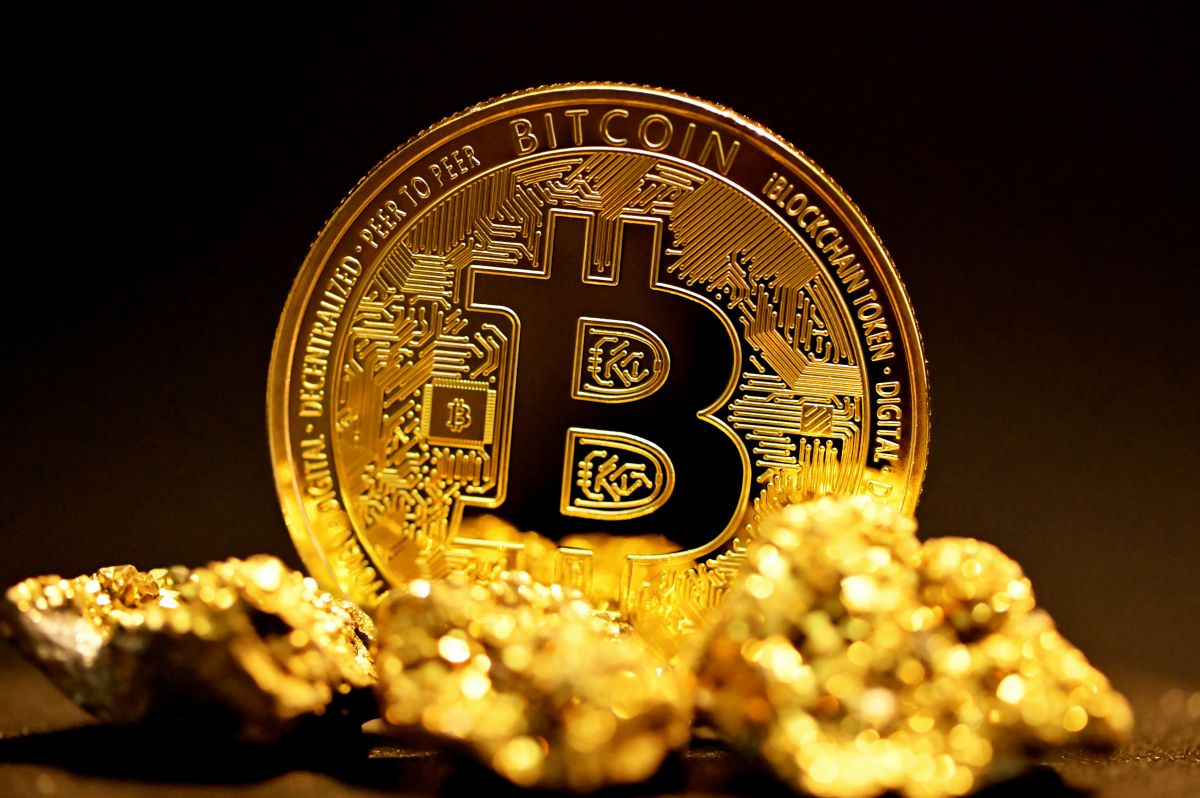
While Bitcoin presents a plethora of financial opportunities, its unique characteristics also introduce specific challenges and considerations that investors and users must navigate carefully.
Volatility and Risk Management
Bitcoin’s price volatility is one of its most defining and often intimidating characteristics. Swings of 10-20% in a single day are not uncommon, presenting both immense opportunities for profit and significant risks of loss. For individuals and businesses using Bitcoin as an investment or for transactional purposes, understanding and managing this volatility is paramount.
- Investment Strategy: Long-term investors often employ strategies like “Dollar-Cost Averaging” (DCA), investing a fixed amount regularly regardless of price, to mitigate the impact of volatility. Short-term traders, on the other hand, attempt to profit from price swings, but this requires significant market knowledge and risk appetite.
- Hedging: Businesses that accept Bitcoin payments may choose to immediately convert a portion to fiat currency to reduce exposure to price fluctuations, or utilize hedging instruments where available.
- Risk Tolerance: A fundamental “point” for any potential Bitcoin investor is a clear assessment of their personal risk tolerance. Bitcoin should typically represent a diversified portion of a portfolio, not the entirety, especially for those new to investing.
The financial “point” here is to leverage Bitcoin’s potential while remaining acutely aware of its inherent risks, employing prudent financial management strategies.
Regulatory Scrutiny and Future Adoption
The regulatory environment surrounding Bitcoin is dynamic and varies significantly across jurisdictions. Governments worldwide are grappling with how to classify, tax, and oversee digital assets. This regulatory uncertainty is a major financial factor influencing Bitcoin’s adoption and market price.
- Classification: Is Bitcoin a commodity, a currency, a security, or property? The answer impacts how it is regulated, taxed, and traded. Different classifications lead to different compliance burdens for businesses and tax implications for individuals.
- Taxation: Understanding capital gains tax, income tax, and other levies on Bitcoin transactions and holdings is crucial for investors and users to avoid legal and financial penalties.
- Consumer Protection: Regulations are evolving to provide frameworks for exchanges and custodians, aiming to protect investors from fraud and theft.
- Legitimacy and Adoption: Clear, well-defined regulatory frameworks are often seen as a prerequisite for broader institutional adoption and mainstream acceptance, which in turn could positively impact Bitcoin’s financial stability and value.
The “point” of regulatory developments, from a financial perspective, is their direct impact on market stability, investor confidence, institutional participation, and ultimately, Bitcoin’s long-term viability and growth as a legitimate financial asset.
Bitcoin’s Role in Business Finance and Emerging Economies
Beyond individual investing, Bitcoin is finding a critical “point” in business finance and particularly within emerging economies.
- Treasury Management: A growing number of public and private companies are adding Bitcoin to their corporate treasuries. This decision is often driven by a belief in Bitcoin’s long-term value appreciation, its potential as an inflation hedge, and a desire to signal innovation. This represents a strategic financial allocation decision.
- Payment Infrastructure for Businesses: For businesses operating internationally, Bitcoin can drastically cut transaction costs and accelerate settlement times compared to traditional banking. It offers a way to bypass correspondent banking fees and delays.
- Economic Empowerment in Developing Nations: In countries plagued by hyperinflation, corrupt financial systems, or limited access to global markets, Bitcoin offers citizens and businesses a lifeline. It provides a stable alternative for savings, enables international trade, and facilitates remittances, acting as a tool for economic empowerment and financial sovereignty. El Salvador’s adoption of Bitcoin as legal tender is a prime example of a nation using Bitcoin to address endemic financial challenges.
The “point” here is Bitcoin’s increasingly recognized utility as a strategic asset and operational tool for businesses and as a foundational element for fostering economic stability and growth in underserved regions.
The Economic Implications and Future Trajectory
Bitcoin is not merely a new asset; it represents a profound challenge and potential evolution in economic thought and practice. Its future trajectory holds significant implications for global finance.
Reshaping Monetary Policy and Inflation Hedging
Bitcoin introduces a fundamentally different approach to money supply management: a predictable, algorithmic schedule rather than discretionary control by central banks. This has profound implications for monetary policy and the concept of inflation.
- Inflation Hedge: In an environment of unprecedented fiat currency expansion (quantitative easing), Bitcoin’s fixed supply makes it an attractive hedge against inflation. As the purchasing power of fiat currencies potentially erodes, the scarcity of Bitcoin could theoretically lead to an appreciation in its value relative to those currencies. This is a primary financial “point” for many investors concerned about macroeconomic trends.
- Challenge to Central Bank Authority: By offering an alternative, decentralized monetary system, Bitcoin implicitly challenges the monopoly of central banks over money creation and control. While unlikely to fully replace fiat currencies soon, its existence provides an economic counter-narrative and pressure point for more responsible monetary policies.
- Sound Money Principles: Bitcoin embodies “sound money” principles, advocating for a hard, predictable currency that cannot be arbitrarily devalued. This resonates with economic schools of thought that prioritize long-term stability over short-term stimulus.
Institutional Integration and Mainstream Acceptance
The future “point” of Bitcoin is heavily intertwined with its continued integration into mainstream financial institutions and broader public acceptance.
- ETFs and Investment Products: The approval of spot Bitcoin Exchange Traded Funds (ETFs) in major markets marks a pivotal moment. These products provide regulated, accessible avenues for traditional investors to gain exposure to Bitcoin without directly holding the asset, significantly lowering barriers to entry. This facilitates the flow of institutional capital.
- Custody Solutions: Banks and financial services firms are developing robust custody solutions for digital assets, addressing security concerns that have historically deterred institutional investment.
- Bridging Traditional and Decentralized Finance: Bitcoin is a crucial bridge between the legacy financial system and the burgeoning world of decentralized finance (DeFi). Its integration paves the way for new financial products, services, and innovations built on top of or alongside traditional structures.
As more financial infrastructure is built around Bitcoin, its financial “point” expands from being a niche digital asset to a fully integrated component of the global financial system, accessible to a much wider pool of capital and users.

The Enduring Value Proposition
Ultimately, the “point” of Bitcoin is not singular but a tapestry woven from its various financial attributes. It is a technological innovation that unlocked a new form of money, offering a potent blend of:
- Decentralized Financial Freedom: Empowering individuals with sovereign control over their wealth.
- Scarce Digital Asset: Providing a robust store of value in an inflationary world.
- Efficient Global Payments: Facilitating cheaper and faster cross-border transactions.
- High-Growth Investment Opportunity: Offering significant capital appreciation potential for those willing to embrace its volatility.
- Catalyst for Financial Innovation: Driving the development of new financial technologies and services.
Bitcoin continues to evolve, its “point” shifting and solidifying with each passing year. For some, it is a revolutionary tool for financial liberty; for others, a speculative bet; and for an increasing number, a legitimate and integral component of a diversified financial strategy. Grasping its multifaceted economic utility, risks, and transformative potential is crucial for anyone seeking to understand its enduring significance in the 21st-century financial landscape.
aViewFromTheCave is a participant in the Amazon Services LLC Associates Program, an affiliate advertising program designed to provide a means for sites to earn advertising fees by advertising and linking to Amazon.com. Amazon, the Amazon logo, AmazonSupply, and the AmazonSupply logo are trademarks of Amazon.com, Inc. or its affiliates. As an Amazon Associate we earn affiliate commissions from qualifying purchases.