
The landscape of television consumption has undergone a profound transformation over the last decade, moving away from the once-ubiquitous cable box towards a more agile, personalized, and often internet-driven experience. The question “where to watch live TV” no longer has a singular answer involving a subscription to a local cable provider; instead, it opens up a fascinating array of technological solutions, streaming platforms, and innovative viewing methods designed to cater to modern audiences. This shift, popularly known as “cord-cutting,” isn’t merely a trend but a fundamental re-engineering of how broadcast media is delivered, consumed, and monetized. For tech-savvy consumers, understanding this new ecosystem is key to unlocking a world of content on their terms.

The Cord-Cutting Revolution: A New Era for Live Television
The transition from traditional cable and satellite television to internet-based streaming services represents one of the most significant technological disruptions in entertainment history. Driven by consumer demand for flexibility, lower costs, and greater control over their viewing habits, this revolution has reshaped content delivery infrastructure and redefined the concept of “live TV.”
The Shift from Traditional Cable
For decades, traditional cable and satellite TV services held a near-monopoly on live broadcast content. Bundled packages, often including hundreds of channels, were the standard, irrespective of how many channels a household actually watched. This model, characterized by long-term contracts, escalating fees, and a lack of customization, became increasingly untenable in the digital age. The advent of high-speed internet and sophisticated streaming technologies provided an alternative, empowering viewers to cherry-pick their content sources. This technological leap enabled the delivery of high-definition video streams with minimal latency, effectively replicating the “live” experience over the internet. The underlying infrastructure—robust content delivery networks (CDNs), efficient video codecs, and adaptable streaming protocols—became the backbone of this new era, allowing for reliable and high-quality transmission to a myriad of devices.
Advantages of Streaming Live TV
The appeal of streaming live TV extends beyond mere cost savings. Technologically, these services offer a suite of advantages that traditional TV struggled to match. Foremost among these is unparalleled flexibility. Users can access content across a multitude of devices—smart TVs, smartphones, tablets, gaming consoles, and dedicated streaming boxes—from virtually anywhere with an internet connection. This device agnosticism is a direct result of cloud-based infrastructure and platform-independent applications. Furthermore, many streaming services integrate advanced digital video recorder (DVR) functionalities, often cloud-based, allowing users to record shows and watch them later without the need for physical storage devices. This feature, powered by sophisticated backend systems, frees users from rigid broadcast schedules. The ability to pause, rewind, and fast-forward live content, coupled with multiple simultaneous streams for different household members, further enhances the user experience, showcasing the technological superiority and user-centric design principles embedded in these modern platforms.
Decoding Live TV Streaming Services: Subscription Models and Features
The market for live TV streaming is vibrant and competitive, offering a spectrum of services tailored to different preferences and budgets. These platforms leverage cutting-edge streaming technology to deliver broadcast channels over the internet, often mimicking or surpassing the features of traditional cable.
Premium Paid Services: Comprehensive Channel Lineups
At the higher end of the spectrum are premium paid services that aim to replicate the comprehensive channel lineups of traditional cable, but with the added benefits of streaming. Services like YouTube TV, Hulu + Live TV, Sling TV, FuboTV, and DirecTV Stream utilize robust content delivery networks (CDNs) to distribute high-definition video streams efficiently to millions of subscribers. Each service employs proprietary applications and user interfaces designed for intuitive navigation across various smart devices.
- YouTube TV: Often praised for its unlimited cloud DVR storage (a significant technological feat, allowing individual recordings to be stored without expiration dates for a period), a user-friendly interface powered by Google’s design philosophy, and deep integration with the YouTube ecosystem. It offers a broad range of news, sports, and entertainment channels.
- Hulu + Live TV: Integrates live television with Hulu’s extensive on-demand library, making it a powerful hybrid. Its backend infrastructure manages the seamless transition between live streams and an expansive VOD catalog. The service frequently bundles with Disney+ and ESPN+, creating a formidable entertainment package.
- Sling TV: Known for its à la carte channel package approach, allowing users to select base bundles (Orange or Blue) and add genre-specific extras. This modular design demonstrates flexibility in streaming architecture, enabling users to customize their channel lineup and pay only for what they want, though its single-stream limitation on some packages reflects a more constrained resource allocation model compared to its rivals.
- FuboTV: Originally focused on sports, it has expanded to include a wide array of entertainment and news channels. Its technological differentiation lies in its support for 4K streaming for select events and advanced sports-centric features like “FanView,” which offers stats and scores alongside live games.
- DirecTV Stream: Offers a more traditional, cable-like experience with higher channel counts and multiple package tiers, often appealing to those who want a direct replacement for their legacy satellite or cable provider, including access to regional sports networks (RSNs) that are often challenging to find on other services.
Budget-Friendly Options: Tailored Packages
For consumers seeking a more economical entry into live TV streaming, services like Philo stand out. Philo consciously omits sports and local broadcast channels, focusing instead on lifestyle, entertainment, and documentary content. This niche targeting allows for a significantly lower price point, demonstrating how strategically curated channel bundles can reduce operational costs and pass savings onto consumers. The technological implication is a more streamlined content licensing model and potentially less demanding CDN infrastructure compared to services that carry a full suite of major broadcast affiliates and premium sports. While features like DVR and multiple streams are still present, the overall service footprint is smaller, appealing to a specific demographic that prioritizes value over comprehensive coverage.
Essential Features: DVR, Multiple Streams, and Device Compatibility
Beyond channel lineups and pricing, the technological features embedded within these services are crucial differentiators.
- Cloud DVR (Digital Video Recorder): A cornerstone feature, cloud DVR systems allow users to record live broadcasts and store them on remote servers, accessible from any device. This technology replaces the physical DVR box and offers scalability and accessibility that traditional systems couldn’t. Different services offer varying storage limits and retention periods, reflecting distinct backend storage and data management strategies.
- Multiple Simultaneous Streams: The ability for several users within the same household to watch different content concurrently on separate devices is a key feature. This functionality requires robust network management and content rights agreements, enabling the platform to deliver individualized streams efficiently without degrading quality.
- Device Compatibility: A truly modern streaming service must be compatible with a broad ecosystem of smart devices. This means developing and maintaining applications across operating systems like Android, iOS, tvOS, Roku OS, Fire TV OS, and web browsers. This cross-platform development requires significant engineering effort to ensure a consistent and optimized user experience, regardless of the device.
Embracing Free Live TV: Accessibility Without Subscription Fees
The quest for live television doesn’t always necessitate a monthly subscription. A growing number of platforms and technologies provide access to live content at no direct cost, often supported by advertising or leveraging existing broadcast infrastructure.
Ad-Supported Streaming Services (FAST Channels)
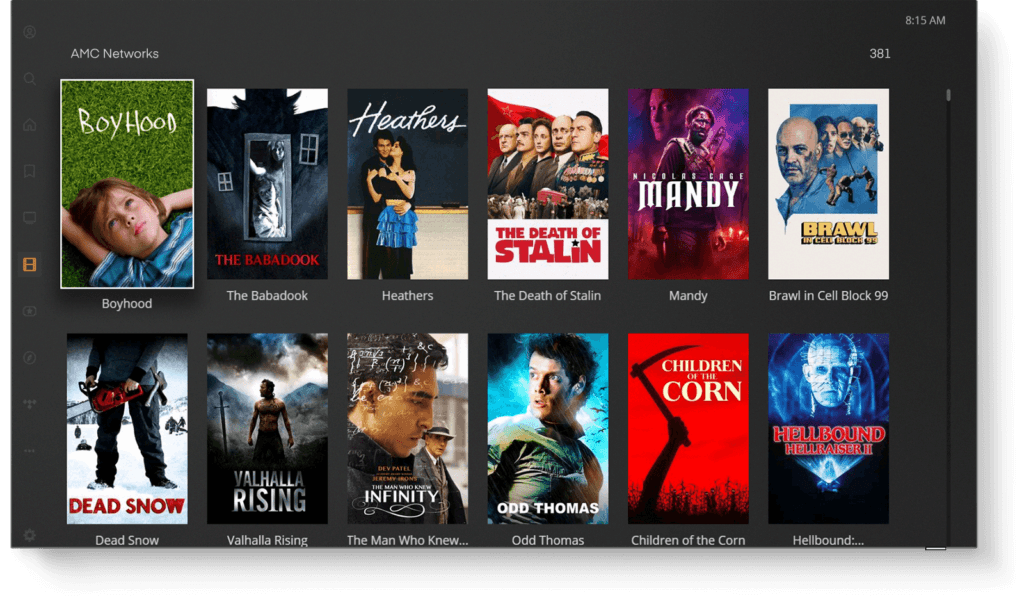
Free Ad-supported Streaming Television (FAST) services have emerged as a significant player, offering an experience reminiscent of traditional linear TV channels but delivered over the internet. Platforms like Pluto TV, Tubi, The Roku Channel, and Peacock (free tier) provide hundreds of themed channels covering news, movies, TV shows, and niche content. These services are technologically sophisticated, employing advanced ad-insertion technologies that dynamically place commercials into the stream, often personalized to viewer demographics. The backend infrastructure supports a vast library of content, streamed continuously as if it were a broadcast channel, and managed by intricate scheduling algorithms. This model effectively monetizes content through advertising, making it accessible to a broad audience without a paywall, showcasing a viable alternative to subscription-based models.
Over-the-Air (OTA) Broadcasting: The Digital Antenna Revival
Before cable and satellite, television was broadcast “over the air” using radio waves. With the advent of digital television (DTV), this method has seen a resurgence. A simple digital antenna connected to a modern TV can receive free, uncompressed high-definition broadcasts from local network affiliates (ABC, CBS, NBC, FOX, PBS, etc.). This is a purely technological solution that bypasses the internet entirely. The quality is often superior to compressed streaming because the signal is delivered directly to the tuner. For many, an antenna provides a reliable source of local news, major network programming, and sports events without any ongoing cost, serving as a foundational element of a diversified live TV strategy. Advanced DVRs for OTA signals, such as Tablo or HDHomeRun, can even integrate these broadcasts into a home network, allowing streaming to multiple devices, blurring the lines between traditional broadcast and modern network delivery.
News and Niche Content Streams
Beyond the major FAST services, numerous independent news organizations, special interest groups, and content creators now offer live streams directly through their websites, YouTube channels, or dedicated apps. These streams often provide focused news coverage, political commentary, gaming tournaments, or educational content. This decentralization of live broadcasting is a direct result of accessible streaming technology, empowering a wider range of content producers to reach global audiences without needing traditional broadcast infrastructure or extensive distribution deals. From 24/7 news channels to niche enthusiast communities, the internet has become a vast, open platform for live content delivery.
Navigating the Ecosystem: Choosing the Right Platform
With a multitude of options available, selecting the ideal live TV viewing solution can be daunting. The decision hinges on a careful evaluation of individual priorities, technical requirements, and financial considerations.
Assessing Your Channel Priorities
The first step involves a detailed assessment of which channels are non-negotiable for your household. Are local news and sports essential? Do you primarily watch entertainment channels, or are specific premium cable channels a must-have? Tools like “channel finders” on service websites can help compare offerings. Understanding the content rights and distribution agreements of each service is crucial, as these dictate which channels are available and in which regions. This often involves intricate technological infrastructure to geofence content and ensure compliance with licensing terms. The decision will guide you towards either a comprehensive premium service, a niche budget option, or a combination including a digital antenna.
Budget Considerations: Balancing Cost and Content
Live TV streaming offers a wide price range, from free ad-supported services and OTA broadcasts to premium packages rivaling traditional cable costs. It’s important to analyze the monthly subscription fees, any hidden charges, and potential bundles (e.g., streaming services combined with other entertainment platforms). The technological cost-benefit analysis here involves evaluating how much you are willing to pay for features like unlimited DVR, higher streaming quality (4K), and the number of simultaneous streams. Often, a combination strategy—using a free service for casual viewing alongside a paid service for essential channels—can provide the best balance of cost and content.
Device Compatibility and User Experience
The technical interface and compatibility with your existing hardware are paramount. Before subscribing, ensure the service offers a robust application for your preferred streaming devices (smart TV, Roku, Fire TV, Apple TV, gaming console, smartphone, tablet). Test the user interface for intuitiveness, ease of navigation, and responsiveness. Look for features like profile management, personalized recommendations (often powered by AI algorithms), and seamless integration with voice assistants. A service with excellent technical performance, minimal buffering (reliant on efficient CDN usage), and a user-friendly interface will significantly enhance your overall viewing enjoyment, making the technology truly disappear into the background.
The Future of Live TV Streaming: Innovation and Integration
The evolution of live TV streaming is far from over. As technology continues to advance, we can anticipate even more sophisticated features, deeper personalization, and broader integration across our digital lives.
Personalization and AI-Driven Recommendations
The future of live TV will increasingly leverage artificial intelligence and machine learning to offer hyper-personalized viewing experiences. AI algorithms will analyze viewing habits, preferences, and even emotional responses to content, recommending not just on-demand shows but also live events and channels tailored to individual tastes. This will move beyond simple genre-based suggestions to anticipating specific interests, optimizing schedules, and potentially even curating individual “live channels” based on a viewer’s unique profile. The data processing and algorithmic sophistication required for this level of personalization represent a significant technological frontier.
Seamless Integration Across Devices
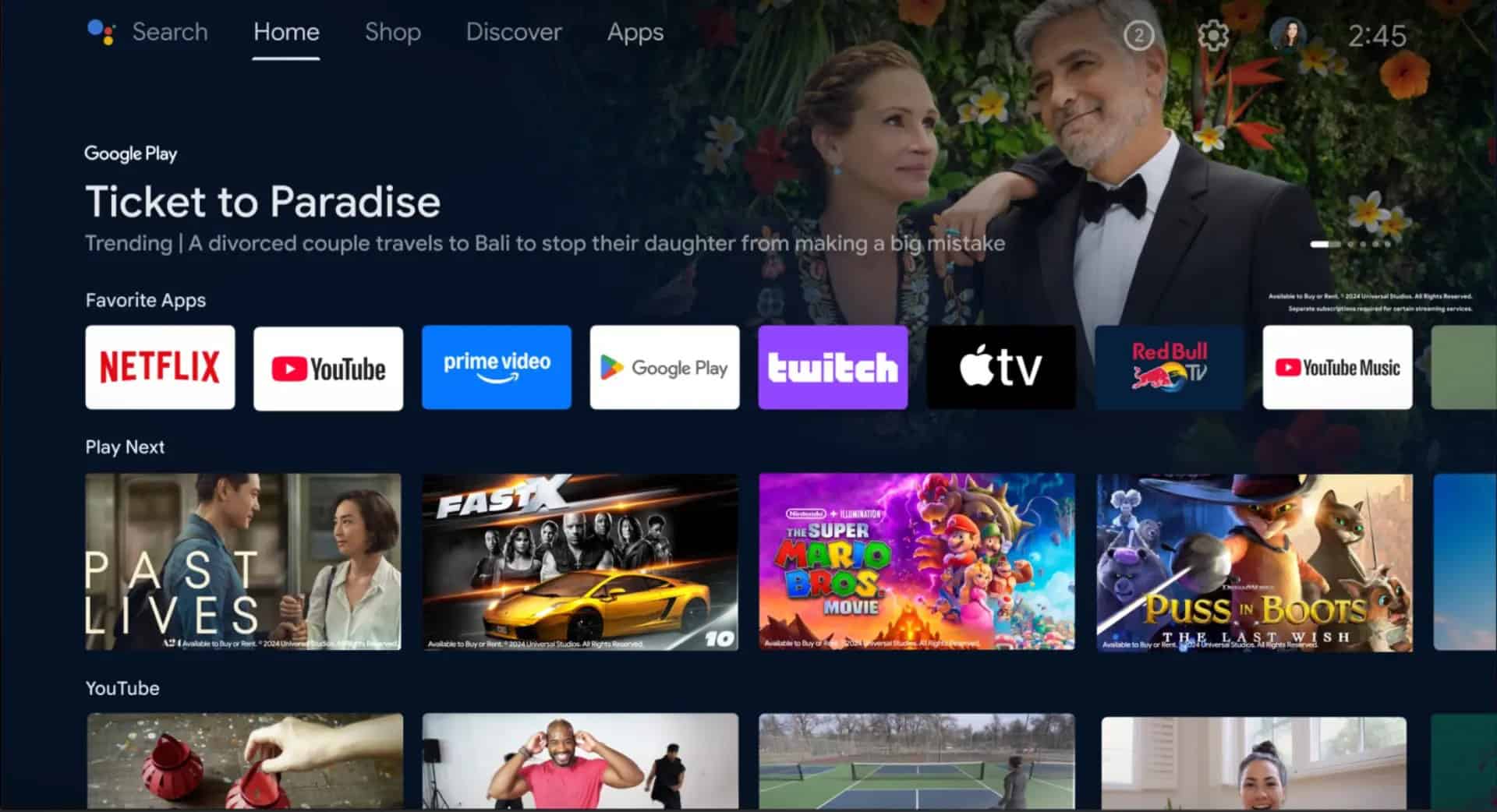
Expect even more fluid transitions between devices and platforms. Whether starting a show on a tablet and finishing it on a smart TV, or receiving real-time notifications on a smartwatch about a favorite team’s game about to start, the ecosystem will become more interconnected. This “always-on, always-available” experience will rely on robust cloud synchronization, unified user profiles, and open API standards that allow different services and devices to communicate seamlessly. The goal is to make the technology invisible, allowing content to flow effortlessly wherever and whenever the viewer desires.
The Evolving Content Landscape and Exclusive Rights
The competition for exclusive live content—especially premium sports and major entertainment events—will continue to intensify. Technology will play a crucial role in enabling new monetization models, such as pay-per-view events directly integrated into streaming platforms or interactive broadcasts that allow viewers to participate in real-time polls or access supplementary content. The backend systems managing these exclusive rights, ensuring secure delivery, and handling peak traffic for major events will need to be incredibly resilient and scalable. As the digital realm matures, the definition of “live TV” will expand to include interactive experiences, virtual reality broadcasts, and augmented reality overlays, further blurring the lines between traditional passive viewing and immersive, dynamic engagement.
aViewFromTheCave is a participant in the Amazon Services LLC Associates Program, an affiliate advertising program designed to provide a means for sites to earn advertising fees by advertising and linking to Amazon.com. Amazon, the Amazon logo, AmazonSupply, and the AmazonSupply logo are trademarks of Amazon.com, Inc. or its affiliates. As an Amazon Associate we earn affiliate commissions from qualifying purchases.