
In an era saturated with digital innovation, the simple act of “watching TV” has transformed from a straightforward flick of a switch to a complex, multi-platform, and highly personalized experience. Gone are the days when a television set, an antenna, or a single cable box were the sole conduits to entertainment. Today, the question “where can I watch TV?” opens a Pandora’s box of technological possibilities, encompassing everything from traditional broadcasts to advanced streaming ecosystems and immersive digital environments. Navigating this vast landscape requires an understanding of the underlying technologies, the various access points, and the evolving trends that define modern media consumption. This article delves into the tech-centric solutions available, helping you decode the myriad options and optimize your viewing journey.
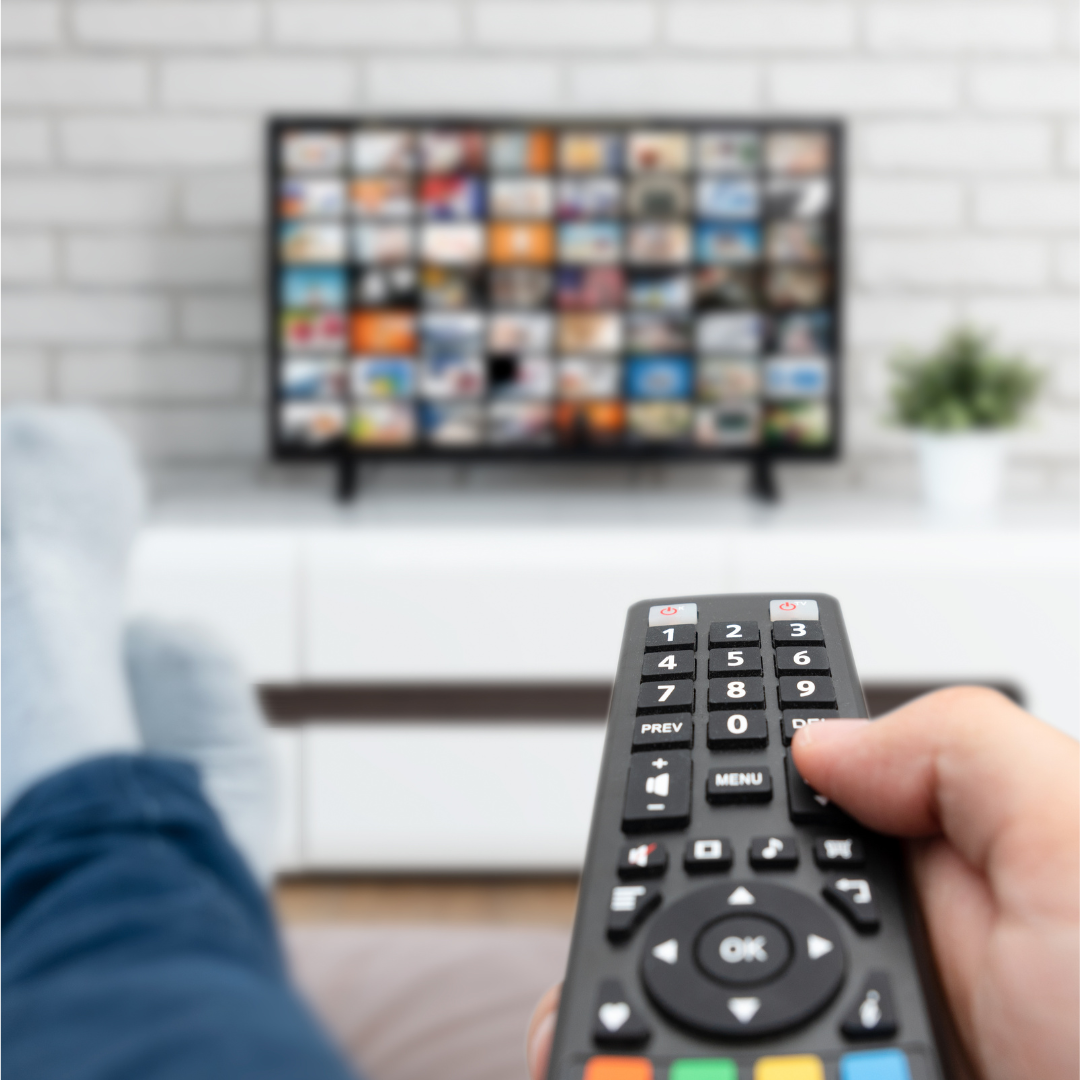
The Evolution of Television Consumption: A Technological Timeline
The trajectory of television has always been intertwined with technological advancements, from monochrome screens to high-definition displays, and from static broadcasts to interactive content. Understanding this evolution is key to appreciating the current state of TV watching.
From Antennas to Cable Boxes: The Analog and Early Digital Eras
For decades, the primary method of watching television involved receiving broadcast signals through an antenna. This over-the-air (OTA) method was, and still is, a foundational technology, relying on terrestrial radio waves transmitted from local stations. The switch from analog to digital OTA broadcasting (ATSC standard in North America) significantly improved picture quality and introduced more channels within the same bandwidth.
The advent of cable television in the latter half of the 20th century marked a pivotal shift. Cable technology delivered programming directly to homes via coaxial cables, bypassing the limitations of broadcast range and offering a far greater number of channels. This was a significant technological leap, providing more consistent signal quality and specialized content, albeit at a subscription cost. Satellite television later offered a similar expansion of content, utilizing geostationary satellites to beam signals across vast geographical areas, reaching even the most remote locations where cable infrastructure was impractical. Both cable and satellite introduced the concept of set-top boxes – specialized hardware that decoded signals and often provided electronic program guides (EPGs), representing an early form of digital interaction with television content.
The Rise of On-Demand Content: The Internet Revolutionizes Viewing
The true paradigm shift, however, began with the widespread adoption of broadband internet and the subsequent proliferation of streaming technology. The internet’s capacity to deliver data packets efficiently and reliably laid the groundwork for video-on-demand (VOD) services. Early VOD, often offered by cable providers, was limited, but the emergence of dedicated internet streaming platforms revolutionized content delivery.
Streaming technology fundamentally changes how content is accessed. Instead of broadcasting signals at a fixed time or downloading entire files, streaming delivers content in small, continuous packets. This allows viewers to watch programs instantly, pause, rewind, and fast-forward, giving unprecedented control over their viewing schedule. This technological leap democratized access to a vast library of content, moving power from broadcasters and schedulers to individual consumers, and setting the stage for the fragmented yet rich ecosystem we see today.
Your Digital Gateway to Entertainment: Streaming Services and Platforms
The modern answer to “where can I watch TV?” overwhelmingly points to a diverse array of internet-based streaming services. These platforms leverage advanced data compression, content delivery networks (CDNs), and user interfaces to provide seamless access to movies, TV shows, and live events.
Subscription Video On Demand (SVOD): The Giants of Streaming
SVOD services operate on a subscription model, offering an expansive library of content—both licensed and original—for a recurring fee. These platforms are built on robust content management systems and recommendation engines powered by sophisticated algorithms that analyze viewing habits to suggest new content.
- Netflix: A pioneer in the SVOD space, Netflix’s technological prowess lies in its adaptive bitrate streaming, which dynamically adjusts video quality based on internet speed, ensuring minimal buffering. Its global CDN infrastructure ensures efficient content delivery worldwide. The recommendation engine, based on collaborative filtering and deep learning, is a hallmark of its user experience.
- Hulu: Primarily focused on current and past seasons of network television shows, Hulu differentiates itself with its prompt availability of new episodes and its optional Live TV service. Technologically, Hulu focuses on a hybrid model, balancing VOD with live linear channels, requiring sophisticated backend infrastructure for content rights management and dynamic ad insertion.
- Disney+, Max (formerly HBO Max), Prime Video: These platforms, often backed by major media conglomerates, leverage extensive content libraries and strategic investments in original programming. Their technological stacks include advanced digital rights management (DRM) to protect content, scalable cloud infrastructure to handle massive concurrent users, and robust search functionalities to navigate vast catalogs. They also often support premium features like 4K HDR and Dolby Atmos audio, requiring high-bandwidth streaming capabilities and compatible playback devices.
Ad-Supported and Free Streaming (AVOD/FAST): Budget-Friendly Options
Not all advanced TV watching experiences come with a price tag. Ad-supported video on demand (AVOD) and Free Ad-supported Streaming Television (FAST) services represent a growing segment, democratizing access to content through advertising revenue.
- Pluto TV, Tubi, Freevee: These platforms offer thousands of movies and TV shows for free, interspersed with commercial breaks. Technologically, AVOD and FAST services rely heavily on dynamic ad insertion (DAI) technology. DAI allows advertisers to target specific demographics and geographical locations, seamlessly inserting personalized commercials into the video stream in real-time. This sophisticated technology replaces traditional static ad breaks, making the advertising experience more relevant and profitable, which in turn funds the free content. FAST channels mimic traditional linear TV channels, providing a scheduled programming guide, but deliver content over IP, relying on strong content aggregation and scheduling algorithms.
Live TV Streaming: Cutting the Cord Without Losing the Game
For those who crave the immediacy of live broadcasts—sports, news, and live events—but wish to forgo traditional cable or satellite, live TV streaming services offer a compelling technological alternative.
- YouTube TV, Sling TV, Hulu + Live TV, FuboTV: These services aggregate multiple live linear channels and deliver them over the internet. Their underlying technology is complex, involving real-time transcoding of live broadcast feeds, sophisticated content delivery networks optimized for low latency, and advanced DVR functionalities (often cloud-based) that allow users to record and play back live programming. They also integrate EPGs, parental controls, and often feature robust multi-screen support, allowing seamless viewing across various devices. The challenge for these platforms lies in maintaining broadcast-grade reliability and low latency, especially during peak events with millions of concurrent viewers, requiring highly scalable and resilient infrastructure.
The Hardware Behind the Stream: Devices and Connectivity
Accessing the vast world of digital TV content requires more than just an internet connection; it demands compatible hardware capable of decoding and displaying high-quality video and audio.
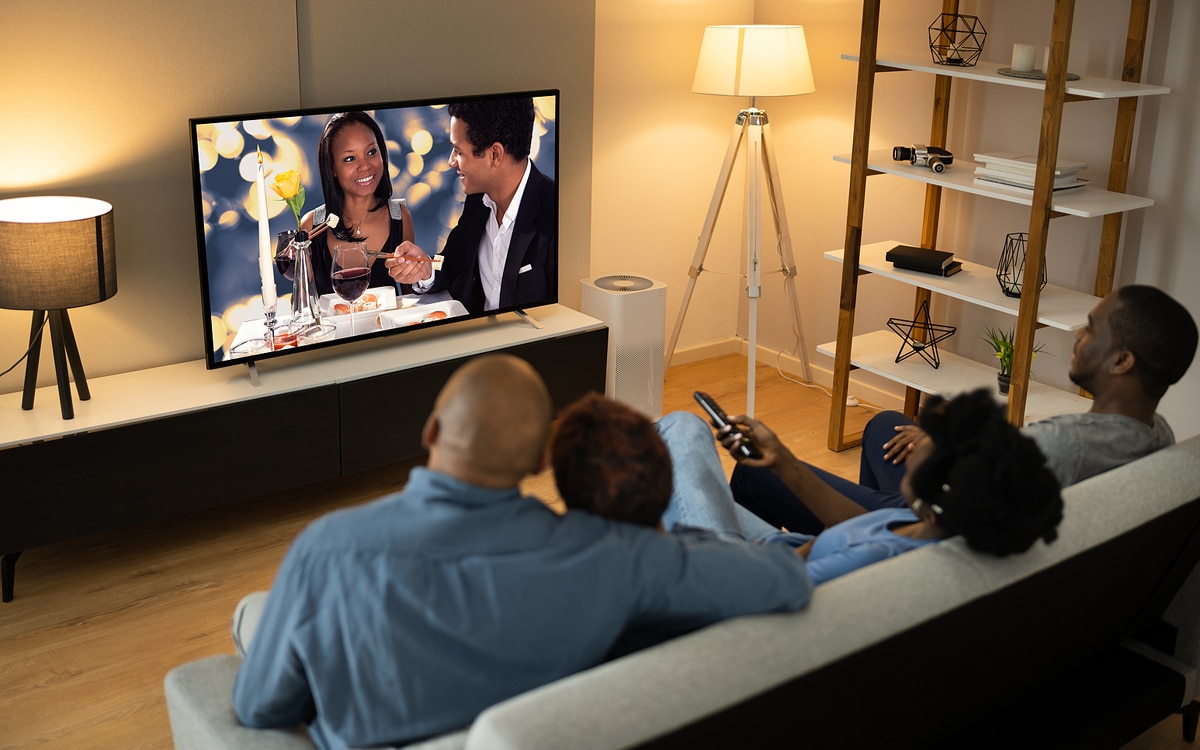
Smart TVs: The Integrated Experience
Modern smart televisions are essentially large-format computing devices with integrated internet connectivity and operating systems. They come pre-loaded with apps for popular streaming services, eliminating the need for external devices. Technologically, smart TVs feature powerful system-on-a-chip (SoC) processors, high-resolution displays (4K, 8K), and advanced picture processing engines (e.g., upscaling, HDR support). Their operating systems (like webOS, Tizen, Android TV, Roku TV) provide user-friendly interfaces, voice control capabilities, and often integrate with smart home ecosystems, making the TV a central hub for digital life.
Streaming Devices: Enhancing Any Screen
For older TVs or those seeking a more specialized streaming experience, dedicated streaming devices are invaluable.
- Roku, Amazon Fire TV Stick, Apple TV, Google Chromecast: These devices connect to your TV via an HDMI port and convert it into a smart TV, offering access to a multitude of apps. They range from compact sticks that offer basic streaming capabilities to more powerful boxes that support 4K HDR, advanced audio formats, and even gaming. Their technology focuses on efficient video decoding, robust Wi-Fi connectivity, and intuitive remote controls (often with voice search). Apple TV and Chromecast also leverage ecosystem integration, allowing seamless casting from mobile devices (AirPlay, Cast) and tight integration with their respective app stores and services.
Mobile and Desktop Access: Entertainment On-the-Go
The portability of smartphones, tablets, and laptops has transformed TV watching into an anywhere-anytime activity. Streaming apps for these devices are optimized for touch interfaces and smaller screens, featuring adaptive streaming to conserve mobile data and offline download capabilities for viewing without an internet connection. Web browsers on desktop and laptop computers offer another flexible portal, providing access to virtually all streaming services without dedicated hardware. The underlying technology ensures secure content delivery to diverse operating systems (iOS, Android, Windows, macOS) and screen sizes while maintaining optimal performance.
The Internet Backbone: Ensuring Seamless Playback
None of these advanced TV watching options would be possible without a robust and reliable internet connection. High-definition (HD) streaming typically requires at least 5-8 Mbps, while 4K Ultra HD (UHD) demands 20-25 Mbps or more. The quality of your Wi-Fi network (e.g., Wi-Fi 5 or Wi-Fi 6) and the placement of your router are also crucial in ensuring consistent bandwidth and minimal latency throughout your home, preventing buffering and dropped connections that can mar the viewing experience. Fiber optic internet, with its symmetrical high speeds, represents the pinnacle of connectivity for modern TV consumption.
Optimizing Your TV Watching Experience: Beyond Basic Streaming
To truly master the modern TV landscape, viewers can delve into technical aspects that enhance fidelity, convenience, and security.
Understanding Resolution and Audio Technologies
The visual and auditory quality of your TV experience is paramount. Resolution refers to the number of pixels in an image; higher resolutions like 4K (3840 x 2160 pixels) and 8K offer significantly sharper and more detailed pictures than Full HD (1920 x 1080 pixels). High Dynamic Range (HDR) technologies (e.g., HDR10, Dolby Vision, HLG) further enhance visual fidelity by expanding the contrast ratio and color accuracy, making images appear more vibrant and lifelike. For audio, technologies like Dolby Atmos and DTS:X provide immersive, object-based surround sound, creating a three-dimensional soundscape that places audio elements precisely around the viewer. Compatible display hardware, audio systems, and streaming content encoded with these technologies are necessary to fully leverage these enhancements.
Personalization and Content Discovery
The sheer volume of content available today necessitates intelligent tools for discovery. Modern streaming platforms employ sophisticated machine learning algorithms to analyze viewing history, ratings, and genre preferences to recommend personalized content. User profiles allow multiple individuals within a household to maintain their distinct preferences and watch histories. Furthermore, cross-platform search functionality and universal watchlists, often integrated into smart TV operating systems or dedicated streaming devices, help users find where specific content is available across different services, simplifying navigation in a fragmented content ecosystem.
Digital Security and Privacy Considerations
As more of our entertainment shifts online, digital security and privacy become critical. Viewers should be mindful of strong password practices for their streaming accounts and utilize two-factor authentication where available. Understanding the data privacy policies of streaming services is also important, as these platforms collect extensive data on viewing habits. For those concerned about geo-restrictions or enhancing privacy, Virtual Private Network (VPN) technology can encrypt internet traffic and mask IP addresses, allowing for more secure and potentially broader access to content, although service providers often have terms of service against VPN usage.
The Future of TV: Immersive and Interactive Experiences
The journey of television is far from over. Emerging technologies promise even more profound transformations in how we interact with and consume visual media.
Beyond Linear: AI and Algorithmic Curation
The current trend towards personalized recommendations is just the beginning. Future TV experiences will likely be even more driven by Artificial Intelligence (AI), not just for content suggestion but for dynamic content creation and adaptation. AI could potentially generate personalized narratives, modify scenes based on viewer preferences, or even create interactive experiences where user choices directly influence storylines. Algorithmic curation will become more sophisticated, offering “channels” tailored in real-time to individual moods or events, moving far beyond static EPGs.

The Metaverse and Virtual Reality in Entertainment
The concept of the Metaverse and advancements in Virtual Reality (VR) and Augmented Reality (AR) are poised to redefine “watching TV.” Imagine stepping into a virtual movie theater with friends from around the world to watch a film, or attending a live concert within a fully immersive digital environment. VR headsets are already offering spatial computing experiences where users can have multiple virtual screens displaying different content simultaneously. AR could overlay interactive elements onto real-world environments, blending physical and digital entertainment. These technologies promise not just to show us stories, but to let us truly experience them, transforming passive viewing into active participation.
In conclusion, “where can I watch TV” is no longer a question of a single device or service, but rather an exploration of a technologically rich and diverse ecosystem. From high-speed internet and sophisticated streaming algorithms to intelligent hardware and immersive future concepts, technology remains at the heart of how we connect with our favorite shows, movies, and live events. Understanding these underlying mechanisms empowers viewers to make informed choices, optimize their setups, and embrace the ever-evolving landscape of digital entertainment.
aViewFromTheCave is a participant in the Amazon Services LLC Associates Program, an affiliate advertising program designed to provide a means for sites to earn advertising fees by advertising and linking to Amazon.com. Amazon, the Amazon logo, AmazonSupply, and the AmazonSupply logo are trademarks of Amazon.com, Inc. or its affiliates. As an Amazon Associate we earn affiliate commissions from qualifying purchases.