
In today’s dynamic business landscape, enterprise resource planning (ERP) and human capital management (HCM) solutions are no longer luxuries but strategic imperatives. Among the titans of this industry, Workday stands out as a comprehensive, cloud-based platform designed to unify financial management, human resources, and planning processes. For chief financial officers (CFOs), procurement heads, and business leaders, the question of “how much does Workday cost?” is not merely a line item query, but a complex financial investigation into one of the most significant technology investments a company can make. This article delves into the financial intricacies of Workday pricing, exploring its core components, hidden costs, ROI implications, and strategic budgeting considerations, all viewed through the lens of sound business finance.
The Strategic Investment: Why Businesses Turn to Workday
Investing in an enterprise-grade solution like Workday is a strategic financial decision, often driven by the need to modernize outdated systems, consolidate disparate processes, and gain deeper financial and operational insights. Companies don’t just buy software; they invest in a platform designed to deliver long-term financial benefits and operational efficiencies. Understanding these foundational drivers helps contextualize the expenditure.
Consolidating Financial and HR Operations
One of Workday’s primary value propositions is its ability to converge financial management and human capital management into a single, unified system. For businesses struggling with fragmented data, manual processes, and disparate systems for payroll, expense management, budgeting, and talent acquisition, Workday offers a single source of truth. This consolidation is not just about convenience; it translates directly into financial gains through reduced administrative overhead, minimized data entry errors, and streamlined workflows. By eliminating the need for complex integrations between separate finance and HR systems, companies can reallocate IT resources, reduce licensing fees for multiple vendors, and mitigate the financial risks associated with data silos. The initial investment aims to yield substantial returns in operational synergy and data integrity.
Driving Efficiency and Data-Driven Decisions
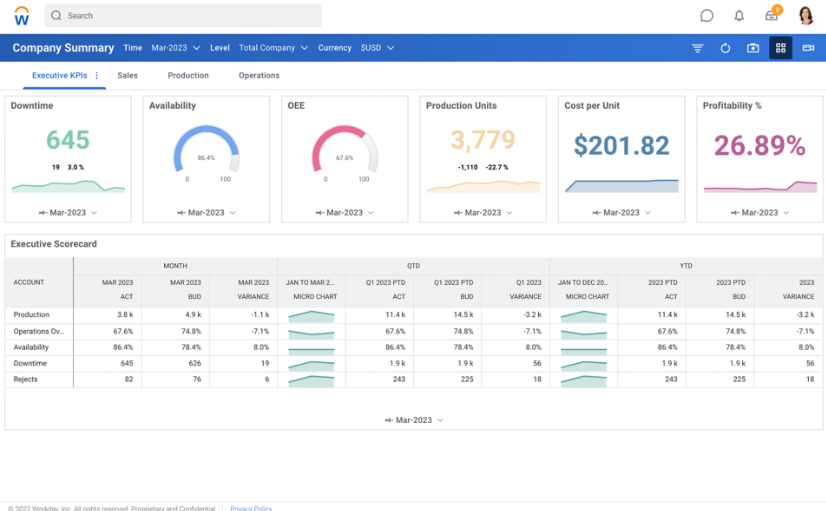
Beyond consolidation, Workday empowers organizations with advanced analytics and reporting capabilities that are crucial for informed financial decision-making. Real-time data access across financial performance, workforce metrics, and operational expenditures allows finance teams to move beyond historical reporting to predictive analysis and strategic planning. This shift can lead to better budget allocation, optimized resource utilization, and early identification of financial risks or opportunities. For example, by analyzing workforce costs in conjunction with project profitability, CFOs can make data-backed decisions on staffing, training investments, and resource deployment, directly impacting the bottom line. The cost of Workday is thus viewed as an investment in superior financial intelligence and operational agility, leading to more profitable outcomes.
Scalability for Future Growth
Growth is often accompanied by increasing complexity, especially in financial and HR operations. Workday’s cloud-native architecture is designed for scalability, allowing businesses to expand their user base, add new modules, and adapt to evolving business requirements without significant overhauls or costly infrastructure upgrades. This inherent flexibility is a critical financial consideration. As a company grows, Workday can seamlessly accommodate more employees, new business units, and international expansion, avoiding the prohibitive costs associated with migrating data or rebuilding systems. This future-proofing aspect protects the initial investment and ensures that the system remains a financially viable and effective tool for the long haul, reducing the risk of premature obsolescence and the need for costly replacements.
Deconstructing Workday’s Pricing Model: Key Financial Drivers
Pinpointing an exact figure for Workday’s cost is challenging due to its highly customized, enterprise-level pricing model. Unlike off-the-shelf software with fixed prices, Workday’s expenditure is a function of several variables. Businesses need to understand these financial drivers to accurately budget and negotiate their investment.
Module-Based Subscriptions: Tailoring Your Financial Footprint
Workday’s pricing structure is predominantly subscription-based, with costs determined by the specific modules a company chooses to implement. Workday offers a comprehensive suite, but organizations typically select modules based on their immediate and strategic needs. These can include:
- Financial Management: General ledger, accounts payable, accounts receivable, expense management, budgeting, forecasting, and financial reporting.
- Human Capital Management (HCM): Core HR, payroll, benefits administration, talent management (recruiting, performance, learning, compensation), time tracking, and absence management.
- Planning: Adaptive Planning (formerly Adaptive Insights) for financial planning, budgeting, and forecasting.
- Analytics and Reporting: Embedded analytics, dashboards, and custom report builders.
- Spend Management: Procurement, inventory, and supplier management.
Each chosen module adds to the overall subscription fee. A company seeking only core HR and payroll will have a significantly lower subscription cost than one implementing the full financial suite, HCM, planning, and spend management. The financial strategy here involves a careful needs assessment to avoid over-subscribing to features that won’t be fully utilized, thus optimizing the initial and recurring expenditure.
User Volume: The Per-Employee Per-Month (PEPM) Factor
Workday’s pricing is heavily influenced by the number of employees or users who will access the system. The common model is a per-employee per-month (PEPM) fee, which can vary based on the specific modules subscribed to and the overall size of the organization. Generally, larger organizations might benefit from volume discounts, but the total sum will naturally be higher.
For instance, a company with 5,000 employees requiring a comprehensive HCM suite will face a substantially higher annual subscription than a company with 500 employees using a more limited set of modules. This PEPM model makes it crucial for financial planners to accurately project workforce growth and employee turnover, as these directly impact ongoing subscription costs. Any discrepancies in employee count can lead to unexpected billing adjustments, making accurate forecasting an essential part of financial planning for Workday.
Contract Length and Negotiation Levers
Workday typically offers multi-year contracts, often ranging from three to five years. Longer contract terms can sometimes lead to more favorable annual pricing, as vendors are keen to secure long-term commitments. This presents a key negotiation lever for businesses. CFOs and procurement teams should weigh the benefits of a lower annual rate against the potential inflexibility of a longer commitment. Economic conditions, the competitive landscape, and the company’s long-term strategic vision all play a role in determining the optimal contract length. Furthermore, pricing can be influenced by the competitive landscape; companies evaluating Workday alongside other ERP vendors (like SAP, Oracle, or Microsoft Dynamics) might have additional leverage during negotiations. Understanding your negotiating position and clearly defining the scope of your requirements can lead to significant cost savings over the contract term.
Beyond the License Fee: Unveiling Total Cost of Ownership (TCO)
The subscription fee, while substantial, represents only a portion of the true financial investment in Workday. A comprehensive understanding of the total cost of ownership (TCO) is crucial for accurate financial planning and budgeting. Businesses must account for significant upfront and ongoing expenditures beyond the core license.
Implementation Costs: A Significant Upfront Capital Expenditure
The most substantial additional cost is typically for implementation. Deploying an enterprise system like Workday is a complex, time-intensive project that requires specialized expertise. These costs usually include:
- Consulting Fees: Workday implementations are almost always handled by certified consulting partners. These firms charge substantial fees for project management, system configuration, data migration, integration development, change management, and user training. These fees can often equal or even exceed the first year’s subscription cost, easily ranging from hundreds of thousands to several million dollars, depending on the complexity and scope.
- Internal Resources: Companies must also factor in the cost of internal project teams. This includes diverting IT staff, HR specialists, finance professionals, and other key personnel from their daily duties to participate in the implementation process. Their salaries and opportunity costs represent a significant indirect financial expenditure.
- Data Migration: Extracting, cleansing, transforming, and loading historical data from legacy systems into Workday is a critical, often labor-intensive, and costly phase. Poor data quality can lead to project delays and additional financial burdens.
These implementation costs are typically a one-time, significant upfront capital expenditure that must be carefully budgeted for, often requiring a separate allocation from the recurring operational expenditure of the subscription itself.
Ongoing Support, Maintenance, and Upgrade Expenses
While Workday is a cloud solution and handles core infrastructure maintenance, companies still incur ongoing operational costs:
- Workday Customer Support: While basic support is included, organizations might opt for premium support tiers or dedicated customer success managers, adding to the cost.
- Managed Services: Many companies choose to retain their implementation partner or engage a different third-party firm for ongoing support, system enhancements, and managing future Workday updates. These managed services can be an ongoing monthly or annual fee.
- Training and User Adoption: Ensuring that employees effectively utilize Workday requires continuous training. New hires need onboarding, and existing users might require refresher courses or training on new features released with Workday’s bi-annual updates. These training programs, whether internal or external, represent an ongoing financial commitment.
- Customization Maintenance: While Workday encourages configuration over customization, any unique integrations or custom reports built during implementation may require ongoing maintenance and adjustments with each Workday update.
These ongoing costs, while often smaller than the initial implementation, accumulate over the life of the contract and must be factored into the long-term financial projections.
Integration Challenges and Customization Overheads
Workday’s strength lies in its comprehensive suite, but most enterprises operate within an ecosystem of various applications (CRM, specialized manufacturing software, etc.). Integrating Workday with these existing systems can introduce additional financial burdens:
- API Development and Connectors: While Workday provides robust APIs, developing and maintaining custom integrations requires specialized technical skills and can incur significant development costs, both initially and for ongoing upkeep.
- Middleware Costs: Some complex integration scenarios might necessitate the use of integration platform as a service (iPaaS) solutions or other middleware, adding another layer of recurring subscription and maintenance costs.
- Reporting and Analytics Customization: While Workday offers powerful embedded analytics, organizations often have unique reporting requirements that necessitate custom report development or integration with external business intelligence (BI) tools, each carrying its own cost implications.
Careful planning for integrations and a pragmatic approach to customization are financially prudent, as bespoke solutions inevitably drive up both initial deployment costs and long-term maintenance expenditures.
Justifying the Expenditure: Calculating Workday’s Return on Investment (ROI)
Given the substantial investment, a robust return on investment (ROI) analysis is paramount for any business considering Workday. CFOs and financial stakeholders need to articulate not just the cost, but the tangible and intangible value Workday brings to the organization. This requires a meticulous calculation of benefits against the total cost of ownership.
Quantifying Tangible Financial Benefits (Cost Savings, Revenue Generation)
The most direct way to justify Workday’s cost is by identifying and quantifying tangible financial benefits. These often include:
- Operational Cost Reductions:
- Reduced Administrative Overheads: Automation of processes like payroll, expense reporting, and benefits administration can significantly decrease manual labor hours, allowing staff to focus on more strategic tasks.
- Elimination of Legacy System Costs: Decommissioning old HR and finance systems can save on licensing fees, maintenance contracts, and infrastructure costs (servers, databases).
- Improved Compliance Costs: Automated compliance checks and streamlined reporting can reduce the risk of costly fines or legal issues.
- Optimized Workforce Costs:
- Better Workforce Planning: Adaptive Planning capabilities can lead to more accurate staffing levels, reducing overstaffing or the costs associated with understaffing.
- Reduced Employee Turnover: Effective talent management modules can improve employee engagement and retention, significantly cutting recruitment and onboarding costs.
- Enhanced Revenue Generation (Indirectly): While not direct, improved financial insights and faster decision-making can lead to more profitable initiatives, better resource allocation, and ultimately, enhanced revenue streams. For instance, faster financial close processes allow more time for strategic analysis, which can uncover opportunities for revenue growth.
Assigning monetary values to these savings and efficiencies is crucial for a compelling ROI case.
Valuing Intangible Gains (Productivity, Compliance, Talent Retention)
Beyond direct financial figures, Workday delivers significant intangible benefits that, while harder to quantify, contribute significantly to long-term organizational health and financial stability. These include:
- Increased Productivity: Empowering employees with self-service capabilities for HR tasks, intuitive expense reporting, and easier access to information frees up significant time for both employees and HR/finance staff, boosting overall organizational productivity.
- Improved Employee Experience: A modern, user-friendly system can enhance employee satisfaction, which indirectly contributes to productivity and retention. Happy employees are often more engaged and productive.
- Enhanced Data Accuracy and Compliance: A single source of truth for financial and HR data improves data integrity, reduces errors, and strengthens compliance with regulatory requirements (e.g., GDPR, SOX), thereby mitigating financial and reputational risks.
- Better Decision-Making: Access to real-time, consolidated data across finance and HR allows leaders to make more informed, strategic decisions, leading to better allocation of capital and human resources.
- Attraction and Retention of Talent: Offering cutting-edge HR technology can be a differentiator in attracting top talent, especially for younger generations who expect modern digital tools in the workplace. This reduces the financial burden of constant recruitment.
While these benefits don’t always appear as a direct line item on a balance sheet, their cumulative impact on operational efficiency, risk mitigation, and strategic advantage is profound and contributes to the overall financial health of the enterprise.
Mitigating Risks and Optimizing Budget Allocation
A robust ROI analysis also involves assessing the risks of not investing in Workday. Sticking with outdated systems can lead to rising maintenance costs, data security vulnerabilities, compliance failures, and a competitive disadvantage. Workday’s investment can be viewed as a risk mitigation strategy, protecting the company from future financial liabilities and operational disruptions. Furthermore, by meticulously analyzing where Workday provides the greatest financial uplift, organizations can optimize their budget allocation, ensuring that funds are directed towards modules and functionalities that deliver the highest measurable returns. This strategic alignment of financial investment with business outcomes is central to maximizing Workday’s value.
Strategic Procurement: Budgeting and Negotiating Your Workday Investment
The journey to implementing Workday is as much a procurement and negotiation exercise as it is a technological one. Strategic financial planning and a disciplined approach to vendor engagement are critical to securing the best possible terms and ensuring the investment aligns with the company’s financial objectives.
Preparing for the Quote: Defining Your Financial and Operational Needs
Before engaging with Workday or its partners, organizations must undertake a thorough internal assessment to define their precise financial and operational requirements. This involves:
- Detailed Scope Definition: Clearly outlining which finance, HR, and planning processes need to be covered. This includes identifying critical integrations, reporting requirements, and any specific industry or regulatory needs.
- User Count and Growth Projections: Accurately forecasting the number of employees/users and anticipating future growth over the contract term. This directly impacts the PEPM pricing.
- Budget Allocation: Establishing a realistic budget range for both the initial implementation (capital expenditure) and the ongoing subscription and support (operational expenditure). This helps in setting expectations and guiding negotiations.
- Prioritization of Modules: Determining which modules are ‘must-haves’ versus ‘nice-to-haves’ or ‘future phases’. This allows for a phased implementation approach, managing immediate costs, and scaling the investment over time.
A well-defined set of requirements allows Workday to provide a more accurate quote, minimizing surprises and facilitating a more productive negotiation process. It also demonstrates to the vendor that the company has done its homework, potentially leading to more favorable terms.
Leveraging Competitive Bidding and Vendor Relationships
While Workday is a dominant player, it’s crucial to explore alternatives where appropriate. Engaging in a competitive bidding process, even if Workday is the preferred solution, can provide valuable leverage. Inviting other top-tier ERP/HCM vendors to submit proposals allows for:
- Benchmarking Costs: Comparing Workday’s pricing model against competitors helps validate the value proposition and identify areas for negotiation.
- Understanding Feature Parity and Gaps: A competitive analysis can highlight Workday’s unique strengths and any potential areas where it might be less robust for specific needs, informing the financial decision.
- Negotiation Power: Demonstrating that the company is actively evaluating alternatives can incentivize Workday to offer more competitive pricing or additional services.
Building a strong relationship with the Workday sales team and their consulting partners is also vital. A transparent and collaborative approach, combined with firm negotiation, can yield better financial outcomes. This includes discussing contract terms, payment schedules, service level agreements (SLAs), and potential future discounts.

Long-Term Financial Planning and Budget Optimization
The investment in Workday is a multi-year commitment, requiring a robust long-term financial plan. This plan should encompass:
- Year-over-Year Cost Projections: Forecasting annual subscription increases (e.g., linked to inflation or new user growth), ongoing support costs, and potential for additional module purchases in subsequent years.
- Contingency Planning: Allocating a contingency budget for unforeseen implementation challenges, integration issues, or additional training needs.
- ROI Monitoring: Continuously tracking and measuring the actual ROI against initial projections. This involves establishing clear metrics and regularly evaluating the financial and operational benefits realized. This allows for adjustments to be made to maximize the investment’s return.
- Periodic Review of Contract Terms: As the contract approaches renewal, a comprehensive financial review should be conducted to assess usage, performance, and current market pricing. This positions the organization for stronger renegotiation at the end of the term, ensuring the Workday investment remains cost-effective and value-driven.
Ultimately, the cost of Workday is not a fixed price, but a strategic financial journey. By meticulously analyzing each cost component, diligently projecting ROI, and engaging in shrewd procurement and long-term financial planning, businesses can unlock the full value of their Workday investment, transforming it from a mere expenditure into a powerful engine for sustained financial growth and operational excellence.
aViewFromTheCave is a participant in the Amazon Services LLC Associates Program, an affiliate advertising program designed to provide a means for sites to earn advertising fees by advertising and linking to Amazon.com. Amazon, the Amazon logo, AmazonSupply, and the AmazonSupply logo are trademarks of Amazon.com, Inc. or its affiliates. As an Amazon Associate we earn affiliate commissions from qualifying purchases.