
New York City—a vibrant tapestry of culture, innovation, and history—offers an endless array of sights and experiences. In an era defined by digital transformation, the way we explore and engage with this iconic metropolis has evolved dramatically. Today, “what to see in NYC” is as much about leveraging the latest technological tools as it is about physical locations. From augmented reality enhancing historical landmarks to AI-driven recommendations tailoring your itinerary, technology acts as an indispensable guide, companion, and storyteller for the modern urban explorer. This article delves into how tech intersects with tourism in NYC, transforming a visit into a seamlessly connected, personalized, and deeply immersive adventure.

The Digital Compass: Essential Apps for Urban Exploration
The sheer scale and dynamism of New York City can be daunting, even for seasoned travelers. Fortunately, a suite of powerful applications has emerged to demystify the urban landscape, turning potential confusion into effortless discovery. These digital tools are more than just conveniences; they are integral to a truly optimized New York experience, offering real-time data, streamlined logistics, and personalized insights that were once unimaginable.
Seamless Navigation: From Subway to Sidewalk
Navigating NYC’s intricate grid and subterranean subway system is a prime example of where technology shines brightest. Gone are the days of fumbling with oversized paper maps. Modern navigation apps have revolutionized how visitors traverse the city. Tools like Google Maps, Apple Maps, and specialized public transit apps such such as Citymapper or MTA’s official app provide real-time updates on subway and bus schedules, delays, and alternative routes. These applications utilize sophisticated algorithms to analyze traffic patterns, pedestrian flows, and public transport statuses, offering the fastest and most efficient way to get from Times Square to the Brooklyn Bridge, or from a hidden speakeasy in the Lower East Side to a Broadway show in the Theater District. Beyond simple directions, many offer turn-by-turn guidance, estimated arrival times, and even integrate ride-sharing options, ensuring visitors can move with confidence and precision through the city’s bustling arteries. The ability to instantly identify the nearest subway station, understand train line changes, or find a Citi Bike dock makes spontaneous exploration not just possible, but enjoyable, reducing stress and maximizing sightseeing time.
Real-Time Discoveries: Events, Food, and Hidden Gems
Beyond getting from point A to point B, technology empowers visitors to uncover the very pulse of the city as it happens. Apps dedicated to local events, dining, and cultural happenings provide a live feed of possibilities, moving beyond static guidebooks. Platforms like Time Out New York, The Skint, or various local news apps offer daily updates on pop-up markets, free concerts, art installations, and restaurant openings. For culinary adventurers, apps such as Yelp, OpenTable, and Resy provide access to millions of user reviews, reservation systems, and curated lists of the best eateries, from Michelin-starred establishments to beloved food trucks. Geolocation services further enhance this, allowing visitors to instantly see what’s trending, popular, or unique within their immediate vicinity. This real-time discovery mechanism encourages spontaneous adventures, leading visitors to experience the true, dynamic character of NYC, whether it’s stumbling upon a street fair in the West Village or catching a last-minute show in an experimental theater. The power to filter by cuisine, price, neighborhood, or specific interest means that every individual can tailor their “what to see” list to their exact preferences, ensuring a uniquely personal and unforgettable urban journey.
Smart Ticketing and Access: Beyond the Queue
The digital transformation has significantly streamlined access to NYC’s most sought-after attractions. The days of endless queues for tickets are steadily becoming a relic of the past, thanks to widespread adoption of smart ticketing and digital access solutions. Major museums like The Met, MoMA, and the American Museum of Natural History, along with popular attractions such as the Empire State Building and the Statue of Liberty, now predominantly offer online booking systems. These platforms allow visitors to purchase tickets in advance, often selecting specific entry times, which helps manage crowd flow and guarantees admission. E-tickets, delivered directly to smartphones, eliminate the need for physical printouts, providing a seamless, contactless entry experience. Beyond individual attractions, city passes like the New York Pass or CityPASS leverage digital technology to offer bundled access to multiple sites, often with QR code scanning for entry, making multi-attraction itineraries more convenient and cost-effective. This technological shift not only saves precious time but also enhances security and provides valuable data for attractions to better understand visitor patterns and optimize operations.
Immersive Experiences: Augmented Reality, Virtual Worlds, and Interactive Art
Technology isn’t just about practical logistics; it’s also revolutionizing how we experience the sights themselves, adding new layers of interaction, information, and artistic expression. NYC, a hub of creativity and innovation, is at the forefront of integrating immersive technologies into its tourist offerings, transforming passive viewing into active engagement.
Museums Reimagined: Interactive Exhibits and Digital Guides
NYC’s world-class museums are increasingly leveraging technology to enhance visitor engagement. Interactive exhibits, touchscreens, and multimedia installations are common, allowing visitors to delve deeper into artifacts and concepts. Digital guides, often accessible via smartphone apps, offer audio tours, augmented reality overlays, and personalized pathways through vast collections. Imagine pointing your phone at a painting at The Met and instantly accessing curator insights, historical context, or even virtual recreations of its original setting. The Museum of Modern Art (MoMA) and the Whitney Museum of American Art, for example, often feature installations that challenge traditional art viewing, incorporating digital projections, sensor-based interactions, and virtual reality elements to create truly multi-sensory experiences. These technological integrations make art and history more accessible, engaging, and relevant to a tech-savvy audience, turning a museum visit into an active dialogue with the exhibits.
AR-Enhanced Sightseeing: Blending Reality with Information
Augmented Reality (AR) is beginning to transform iconic landmarks into dynamic learning experiences. While still nascent in widespread public adoption, select experiences allow visitors to point their smartphone cameras at a historical building or a skyline view and instantly overlay digital information—historical photos, architectural details, or virtual reconstructions of how the site appeared centuries ago. Imagine standing in Times Square and seeing archival footage of its past come alive on your screen, or exploring the financial district with AR overlays explaining its intricate history. Some walking tour apps are incorporating AR features, making guided tours more interactive and informative. While not yet ubiquitous, the potential for AR to enrich the “what to see” experience by blending the physical and digital worlds is immense, promising a future where every landmark tells its story through an interactive digital lens.
The Art of Light and Data: NYC’s Digital Spectacles
New York City itself is a canvas for digital artistry, particularly visible in its urban light installations and data-driven public art. Times Square, an epicenter of digital signage, is a constant display of cutting-edge LED technology and programmatic advertising, creating a sensory overload that is a sight in itself. Beyond commercial displays, artists and designers frequently utilize large-scale projections, interactive screens, and data visualizations in public spaces. These installations, often temporary, leverage technology to create captivating visual narratives that respond to their environment or visitor interaction. The annual “Luminaries” installation at Brookfield Place, for instance, uses a canopy of interactive lights that respond to touch, creating a mesmerizing, collaborative art piece. These digital spectacles showcase how technology can transform urban spaces into dynamic art galleries, offering unique visual experiences that evolve with each visit.
Connectivity and Content Creation: Sharing Your NYC Story
In an age of digital storytelling, visiting NYC is not just about seeing; it’s about sharing. Connectivity infrastructure and advanced content creation tools have become integral to the tourist experience, enabling visitors to document their journeys and instantly share their “what to see” moments with a global audience, transforming personal experiences into engaging digital narratives.
Public Wi-Fi and Connectivity Hotspots
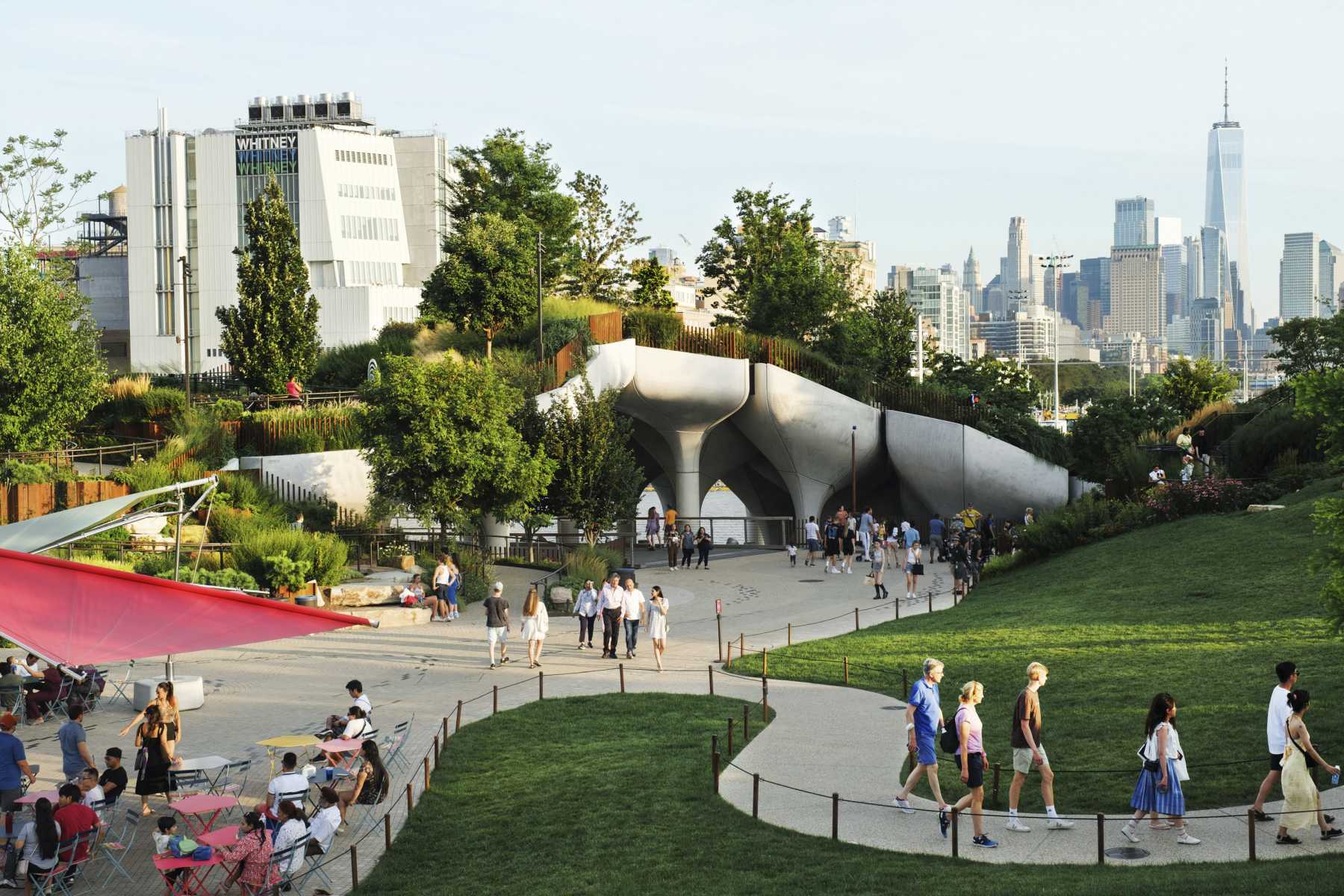
Reliable internet access is no longer a luxury but a necessity for modern travelers. NYC has invested significantly in public Wi-Fi infrastructure, most notably through the LinkNYC kiosks. These futuristic hubs, found on sidewalks across the five boroughs, offer free gigabit Wi-Fi, phone charging ports, and tablets for city services, effectively turning the city into a vast connected network. Beyond LinkNYC, countless cafes, restaurants, parks, and public libraries offer free Wi-Fi, ensuring visitors can stay connected, upload photos, check maps, or communicate without incurring hefty roaming charges. This ubiquitous connectivity empowers spontaneous live updates, immediate photo sharing, and constant access to information, making the entire city feel like a seamlessly integrated digital space.
AI-Powered Photography and Videography Tools
The ubiquity of high-quality smartphone cameras, coupled with advancements in AI-powered photography and videography, has made every visitor a potential content creator. Modern smartphones leverage computational photography to enhance images, automatically adjusting for lighting, focus, and composition, ensuring even amateur photographers can capture stunning shots of the skyline, street art, or culinary delights. Beyond the camera itself, AI-driven editing apps offer one-tap enhancements, intelligent object removal, and even automatic video stabilization and editing, turning raw footage into polished travel vlogs within minutes. These tools democratize high-quality content creation, allowing visitors to tell their NYC story with professional flair, whether it’s a panoramic shot from Top of the Rock or a fast-paced montage of a Broadway street scene.
Live-Streaming and Social Media Integration
The desire to share experiences in real-time has driven the popularity of live-streaming and instant social media updates. Platforms like Instagram, TikTok, Facebook Live, and YouTube have become primary channels for sharing immediate “what to see” moments. Visitors can live-stream their walk across the Brooklyn Bridge, share a real-time tour of Central Park, or post short video clips from a vibrant street market. Geotagging, hashtags, and interactive stories further enhance the sharing experience, connecting visitors not just with their personal networks but also with a broader community of fellow travelers and NYC enthusiasts. This constant digital dialogue transforms the act of sightseeing into a form of interactive, community-driven content creation, enriching the experience for both the creator and their audience.
Future-Proofing Your Visit: Smart City Initiatives and Sustainable Tech
New York City’s commitment to innovation extends beyond tourist amenities, encompassing broader smart city initiatives that subtly yet significantly impact the visitor experience, often with a focus on sustainability and efficiency. These behind-the-scenes technological advancements are shaping the future of urban tourism.
Eco-Friendly Transportation and Smart Infrastructure
NYC is increasingly leveraging technology to promote sustainable and efficient urban mobility. The extensive network of Citi Bikes, integrated with app-based rental and payment systems, offers an eco-friendly way to explore neighborhoods. Electric bus initiatives, intelligent traffic management systems, and real-time public transport tracking contribute to reducing the city’s carbon footprint and streamlining movement. For visitors, this translates into more accessible, less polluting, and often faster ways to navigate the city, aligning their travel with sustainable practices. Smart streetlights that adjust to ambient light, and waste management systems that optimize collection routes also contribute to a cleaner, more pleasant urban environment, enhancing the overall visitor experience.
AI-Driven Personalization for Tourism
Looking ahead, AI is poised to elevate personalized tourism experiences to new heights. Imagine an AI concierge learning your preferences from past travels and offering real-time, hyper-personalized recommendations for “what to see” in NYC based on your current location, the weather, and local events. This could mean suggesting a specific art gallery exhibit matching your taste, a quiet coffee shop away from the crowds, or a pop-up culinary experience that aligns with your dietary preferences. Predictive analytics could even anticipate crowd levels at popular attractions, guiding visitors to optimal times for a more enjoyable experience. While still evolving, the potential for AI to create a truly bespoke NYC itinerary, adapting dynamically to individual needs and desires, promises a future where every visit feels uniquely tailored.
The Role of Data in Enhancing Urban Experiences
Underpinning many smart city initiatives is the intelligent use of data. By collecting and analyzing anonymized data on everything from foot traffic and transportation patterns to environmental quality, city planners and tourism operators can make informed decisions to improve the urban experience. For instance, data insights can help optimize public transport routes, identify areas prone to congestion, or highlight neighborhoods that could benefit from additional amenities. While respecting privacy, this data-driven approach allows for continuous refinement of urban services and infrastructure, ensuring that NYC remains a world-class destination that is not only exciting but also efficient, safe, and enjoyable for both residents and visitors.
Beyond the Screen: Balancing Digital Tools with Authentic Discovery
While technology offers unparalleled enhancements to the New York City experience, it’s crucial to remember its role as a facilitator, not a replacement, for authentic engagement. The true magic of NYC often lies in its serendipitous moments, the unplanned encounters, and the sensory richness that digital screens cannot fully capture.
Mindful Tech Use: Enhancing, Not Replacing, the Experience
The goal of integrating technology into urban exploration is to enhance, not overshadow, the actual experience. Visitors should aim for mindful tech use—leveraging apps for navigation, information, and communication when needed, but also knowing when to put the phone away. The iconic vista from the Empire State Building, the hushed grandeur of St. Patrick’s Cathedral, or the vibrant energy of a street performance are best appreciated with eyes, ears, and mind fully present. Technology should serve as a bridge to discovery, allowing for deeper engagement with the city’s offerings, rather than creating a barrier that keeps one tethered to a digital interface. It’s about using technology to find the perfect moment, then living that moment fully.
Offline Exploration: Embracing Serendipity
Some of the most memorable NYC moments arise from simply wandering, getting delightfully lost, and allowing serendipity to guide your path. Turning off GPS and letting curiosity lead you down an unfamiliar street can reveal hidden gems—a charming bookstore, a vibrant mural, an unexpected pocket park, or a local eatery far from the tourist crowds. These unplanned discoveries are often where the true character and soul of a neighborhood reveal themselves. While tech can point you to the highlights, the quiet moments of unassisted exploration often yield the most profound and personal connections to the city.

The Human Element: Engaging with Local Expertise
Despite all the technological advancements, the human element remains invaluable. Engaging with locals—a barista, a shopkeeper, a subway performer, or a seasoned New Yorker—can provide insights, recommendations, and stories that no app can replicate. Local knowledge offers a unique perspective on “what to see” that often includes the latest buzz, personal favorites, or historical anecdotes that add rich layers to the visitor experience. These interactions foster a deeper connection to the city’s community and culture, reminding us that even in the most technologically advanced cities, human connection is irreplaceable.
In conclusion, “what to see in NYC today” is a dynamic concept, continuously shaped by the interplay of iconic attractions and cutting-edge technology. From the practicalities of navigation and ticketing to the immersive realms of AR and AI-driven personalization, technology has become an essential partner for any visitor. By embracing these tools mindfully, travelers can unlock a more efficient, informed, and deeply engaging exploration of this magnificent urban landscape, ensuring that every visit is not just seen, but truly experienced.
aViewFromTheCave is a participant in the Amazon Services LLC Associates Program, an affiliate advertising program designed to provide a means for sites to earn advertising fees by advertising and linking to Amazon.com. Amazon, the Amazon logo, AmazonSupply, and the AmazonSupply logo are trademarks of Amazon.com, Inc. or its affiliates. As an Amazon Associate we earn affiliate commissions from qualifying purchases.