
The annual tax season can often feel like a complex labyrinth, shrouded in jargon and deadlines. For many, the central question isn’t just about how to file, but whether they even need to file in the first place. This uncertainty can lead to anxiety, missed opportunities for refunds, or, worse, unintended penalties. Understanding your tax filing obligations is a fundamental aspect of sound personal finance, ensuring compliance and maximizing your financial well-being. This comprehensive guide will demystify the criteria, help you identify your specific situation, and equip you with the knowledge to confidently determine your tax filing responsibilities.

Understanding the Basics: Who Needs to File?
At its core, the requirement to file a tax return in most jurisdictions, particularly in the United States, hinges on several key factors, primarily your income, filing status, and age. However, simply not owing taxes doesn’t always exempt you from filing. Often, filing a return is beneficial even if not strictly mandatory.
The Importance of Filing: Beyond Just Owing Taxes
Many individuals mistakenly believe that if they don’t owe the government money, they don’t need to file a tax return. This is a crucial misconception. While owing taxes is a definitive reason to file, there are numerous other scenarios where filing is either required or highly advantageous. For instance, if taxes were withheld from your paychecks throughout the year, filing is the only way to claim a refund for any overpayment. Similarly, to claim refundable tax credits, which can put money back in your pocket even if you had no tax liability, you must file a return. Ignoring these opportunities means leaving your own money on the table. Filing also helps establish a financial record with the tax authority, which can be important for future financial endeavors like loan applications or even claiming social security benefits.
Key Factors Determining Your Filing Requirement
The primary drivers behind your filing obligation include your gross income, your filing status (e.g., Single, Married Filing Jointly, Head of Household), your age, and whether you are claimed as a dependent by someone else. Different rules apply to various income types, such as wages, self-employment income, or investment income. Special considerations also come into play for those with foreign income, certain health care coverage situations, or specific deductions and credits they wish to claim. It’s a nuanced interplay of these factors that ultimately dictates your filing mandate.
Navigating Income Thresholds and Filing Status
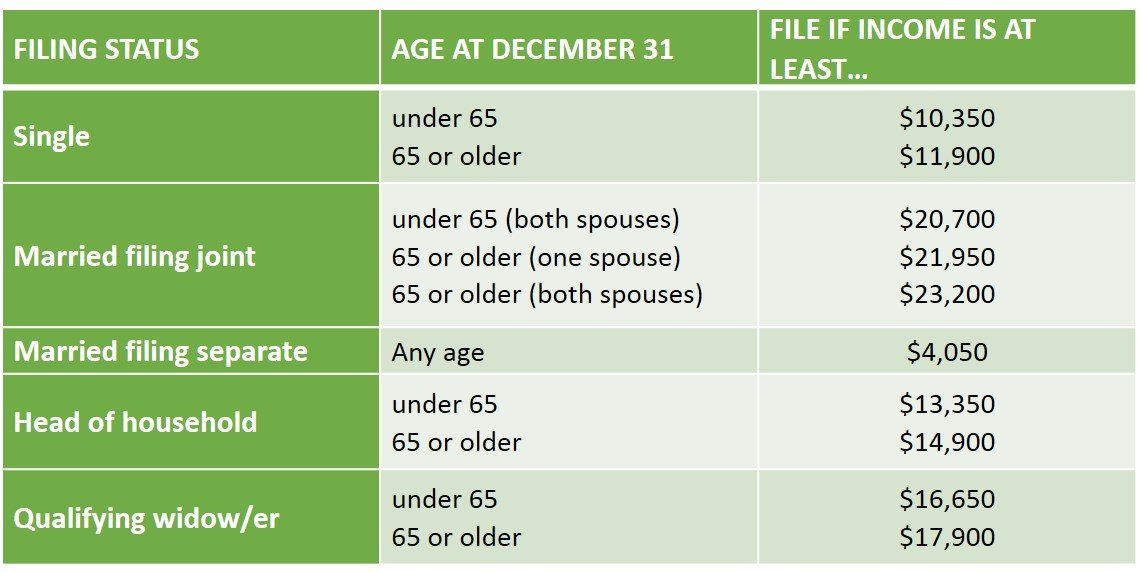
The most common reason individuals are required to file taxes is that their gross income exceeds a certain threshold for their specific filing status and age. These thresholds are adjusted annually to account for inflation and other economic factors.
Standard Deduction vs. Gross Income Limits
Each year, tax authorities set a standard deduction amount, which is a fixed dollar amount that taxpayers can subtract from their taxable income if they choose not to itemize deductions. For many, the income threshold for filing is directly tied to the sum of their standard deduction and any personal exemptions (though personal exemptions were set to zero for many years under recent tax reforms). For example, if your gross income (all income not exempt from tax) is below this combined threshold, you might not be required to file. However, it’s vital to note that this rule mainly applies to taxpayers whose income consists solely of wages or salaries. For those with other types of income, such as self-employment income, even small amounts can trigger a filing requirement.
Impact of Your Filing Status (Single, Married, Head of Household)
Your filing status is a critical determinant of your income threshold. There are typically five main filing statuses: Single, Married Filing Jointly, Married Filing Separately, Head of Household, and Qualifying Widow(er) with Dependent Child. Each status has a different standard deduction amount and, consequently, a different income threshold that triggers a filing requirement. For instance, the income threshold for a single individual will be significantly lower than that for a married couple filing jointly. Choosing the correct filing status is paramount not only for determining your filing obligation but also for calculating your eventual tax liability or refund. Misclassifying your status can lead to incorrect calculations or even penalties.
Special Considerations for Dependents
If you are claimed as a dependent on someone else’s tax return, your filing requirements are typically much lower and more complex. For dependents, the filing threshold often depends on whether their income is “earned income” (like wages) or “unearned income” (like interest or dividends), or a combination of both. Even a modest amount of unearned income can necessitate a filing, especially if it exceeds a certain baseline amount. This is a common pitfall for students or young adults who might earn a small amount from investments or part-time work and mistakenly believe they don’t need to file because their total income is low.
Beyond Standard Income: Other Reasons to File
While income thresholds are a primary driver, many other circumstances can create a tax filing obligation, even if your income is below the standard thresholds. These scenarios often involve specific types of income, a desire to claim certain benefits, or unique financial situations.
Self-Employment Income and Net Earnings
One of the most frequent reasons individuals must file taxes, regardless of their total gross income, is having self-employment income. If your net earnings from self-employment (gross income minus business expenses) exceed a relatively low threshold (e.g., $400 in the U.S.), you are required to file a tax return to report these earnings and pay self-employment taxes (which cover Social Security and Medicare contributions). This applies to freelancers, gig workers, small business owners, and independent contractors, even if their overall business isn’t highly profitable. Many new to the gig economy are unaware of this crucial requirement until they receive a notice from the tax authority.
Claiming Tax Credits and Refunds
As mentioned, filing is often the only way to claim refundable tax credits, which can result in a refund even if you had no tax liability. Examples include the Earned Income Tax Credit (EITC), the Child Tax Credit (CTC), the American Opportunity Tax Credit (AOTC) for education expenses, and the Premium Tax Credit for health insurance purchased through a marketplace. These credits are designed to assist low to moderate-income individuals and families, and countless eligible taxpayers miss out because they mistakenly believe they don’t need to file. Even if you don’t owe taxes, you might be owed money by the government, but only if you file.
Unreported Income and Investment Gains
Any income derived from sources like interest, dividends, capital gains from selling investments (stocks, bonds, real estate), or rental properties generally needs to be reported. If these amounts exceed specific thresholds or if taxes were withheld from these payments, filing a return becomes mandatory. Failing to report such income can lead to discrepancies with information filed by financial institutions (like Form 1099s), triggering potential audits or penalties. Similarly, if you sold cryptocurrency, received significant gambling winnings, or had income from an estate or trust, these typically have reporting requirements.
International Income and Foreign Accounts
For citizens or residents with income earned outside their home country or with significant assets held in foreign bank accounts, tax filing rules can become particularly complex. Many countries require their citizens to report worldwide income, regardless of where it was earned. There are often specific forms and thresholds for reporting foreign bank accounts (e.g., FBAR and Form 8938 in the U.S.). Even if income is excluded or credited under tax treaties, it usually still needs to be reported to establish the claim.
Common Scenarios Where Filing is Prudent, Even If Not Required
Sometimes, even when you’re technically not mandated to file, doing so can be a smart financial move. These situations often involve securing potential refunds, establishing financial history, or proactively avoiding future complications.
Maximizing Your Refund Potential
This is arguably the most common and compelling reason to file when not strictly required. If you had federal income tax withheld from your paychecks (as indicated on your W-2) or made estimated tax payments throughout the year, filing a return is the only way to get a refund for any overpayment. Many low-income individuals or part-time workers fall into this category, as their employers are required to withhold taxes, but their annual income may fall below the filing threshold. By not filing, they are essentially donating their overpaid taxes to the government.
Avoiding Future Headaches and Penalties
Proactive filing, even for zero-liability returns, can prevent future issues. If there’s any ambiguity about whether you should file, especially if you have complex income sources or multiple employers, filing can serve as an official record of your income and deductions. This can protect you against potential notices or audits from the tax authority later on if they receive conflicting information from other sources (like employers or financial institutions) that suggest you had a filing requirement. It also provides a clear paper trail, should you ever need to demonstrate your income for loans or other financial applications.
Building a Financial Record
A filed tax return is a powerful document that substantiates your income and financial activity. This can be invaluable when applying for mortgages, student loans, or other forms of credit. Lenders often request copies of past tax returns as part of their underwriting process. Regular, accurate filing demonstrates financial responsibility and provides verifiable proof of income, which can strengthen your financial standing and make it easier to access financial products and services in the future.
Resources and Tools to Help You Determine Your Obligation
Given the complexities, you don’t have to navigate these waters alone. Numerous resources are available to help you understand your specific filing requirements and fulfill your obligations.
IRS Interactive Tax Assistant and Publications
For U.S. taxpayers, the Internal Revenue Service (IRS) website is an invaluable first stop. Their Interactive Tax Assistant (ITA) tool allows you to answer a series of questions about your income, filing status, and other factors to determine if you need to file a return. The IRS also publishes extensive guides and publications (like Publication 17, “Your Federal Income Tax”) that detail filing requirements, income thresholds, and available credits. These resources are updated annually and are freely accessible online. Similar official government websites exist for other countries.
Professional Tax Preparers and Financial Advisors
For those with complex financial situations, self-employment income, international considerations, or significant investment activity, consulting with a qualified tax professional (such as a CPA or Enrolled Agent) or a financial advisor can provide peace of mind. These experts can accurately assess your situation, identify all applicable filing requirements, help you claim all eligible deductions and credits, and guide you through the process. While there’s a cost involved, the value in accuracy, compliance, and potential tax savings often outweighs the expense.
Tax Software and Online Calculators
Many commercial tax software programs (e.g., TurboTax, H&R Block, TaxAct) offer free versions for simple returns or free tools that help you determine your filing obligation. These programs guide you through a step-by-step interview process, asking relevant questions about your income and life events. They are designed to simplify the filing process and identify whether you need to file and what specific forms you might require. Online tax calculators, often found on financial websites, can also give you a quick estimate of your filing status and potential tax liability or refund.

Conclusion: Taking Control of Your Tax Responsibilities
Determining whether you need to file taxes is more than just a regulatory hurdle; it’s a critical component of effective personal finance management. By understanding the key factors—income thresholds, filing status, unique income types, and the potential benefits of credits and refunds—you can confidently assess your situation. Leverage the myriad of resources available, from official government websites to professional advisors and user-friendly software, to ensure compliance and optimize your financial outcomes. Proactive engagement with your tax responsibilities not only keeps you on the right side of the law but also empowers you to retain more of your hard-earned money and build a robust financial future. Don’t let uncertainty lead to missed opportunities or unnecessary stress; take control of your tax obligations today.
aViewFromTheCave is a participant in the Amazon Services LLC Associates Program, an affiliate advertising program designed to provide a means for sites to earn advertising fees by advertising and linking to Amazon.com. Amazon, the Amazon logo, AmazonSupply, and the AmazonSupply logo are trademarks of Amazon.com, Inc. or its affiliates. As an Amazon Associate we earn affiliate commissions from qualifying purchases.