
For many, receiving a tax refund is like an annual bonus, a welcome lump sum that can be used for savings, debt repayment, or a much-needed splurge. The desire to maximize this refund is natural, driving countless searches and conversations each tax season. However, understanding what constitutes a “bigger” tax return, and more importantly, how to strategically achieve it, requires a deeper dive into tax planning, credits, deductions, and smart financial habits. This comprehensive guide will demystify the process, offering actionable insights to help you potentially increase your refund or, more broadly, optimize your overall tax situation.
Understanding the Fundamentals of Your Tax Refund
Before diving into strategies, it’s crucial to grasp what a tax refund truly represents and why pursuing the largest possible refund isn’t always the most financially savvy approach.
What is a Tax Refund, Really?
A tax refund occurs when you’ve paid more in taxes throughout the year than your actual tax liability. Essentially, it’s an interest-free loan you’ve given to the government. This overpayment typically happens through paycheck withholdings (from your W-4 form) or estimated tax payments (for self-employed individuals). While a refund feels good, it indicates that your money could have been working for you in an interest-bearing account or reducing high-interest debt throughout the year.
The Difference Between a Refund and a Tax Liability
It’s vital to distinguish between a tax refund and your total tax liability. Your tax liability is the total amount of tax you legally owe to the government for a given year based on your income, deductions, and credits. A tax refund is the difference between what you’ve paid and what you owe. The ultimate goal should be to minimize your tax liability legally, rather than solely focusing on the refund amount. A lower tax liability means you owe less, which can translate into a larger refund if you’ve overpaid, or simply mean you keep more of your money upfront throughout the year.
Why a “Bigger Refund” Isn’t Always the Goal
While appealing, a large refund often signifies that you had too much money withheld from your paychecks throughout the year. This money could have been in your bank account, earning interest, or helping you meet financial goals. Optimally, your withholdings should be as close as possible to your actual tax liability, resulting in a minimal refund or a small amount due. This approach, sometimes called “tax neutrality,” maximizes your cash flow throughout the year, putting your money to work for you rather than for the government. However, for those who struggle with saving or budgeting, a large refund can act as a forced savings mechanism, providing a useful lump sum. Understanding your personal financial habits is key to determining the best approach for you.
Proactive Strategies to Maximize Your Withholding and Credits
The most direct ways to influence your tax outcome are through adjusting your withholdings and strategically utilizing available tax credits and deductions. These actions can significantly reduce your tax liability.
Adjusting Your W-4 for Optimal Withholding
Your W-4 form, which you submit to your employer, dictates how much tax is withheld from each paycheck. Incorrectly filled out W-4s are a common reason for over- or under-payment.
- Use the IRS Tax Withholding Estimator: The IRS provides an online tool that helps you accurately complete your W-4. It considers various income sources, deductions, and credits to suggest the optimal withholding amount.
- Review Regularly: Life changes like marriage, divorce, new dependents, or a second job should prompt a review and potential adjustment of your W-4.
- Aim for Tax Neutrality (or a modest refund): Ideally, you want your withholdings to match your tax liability closely. If you consistently receive large refunds, consider increasing your allowances to keep more money in each paycheck. If you consistently owe taxes, decrease your allowances.
Exploring Common Tax Credits
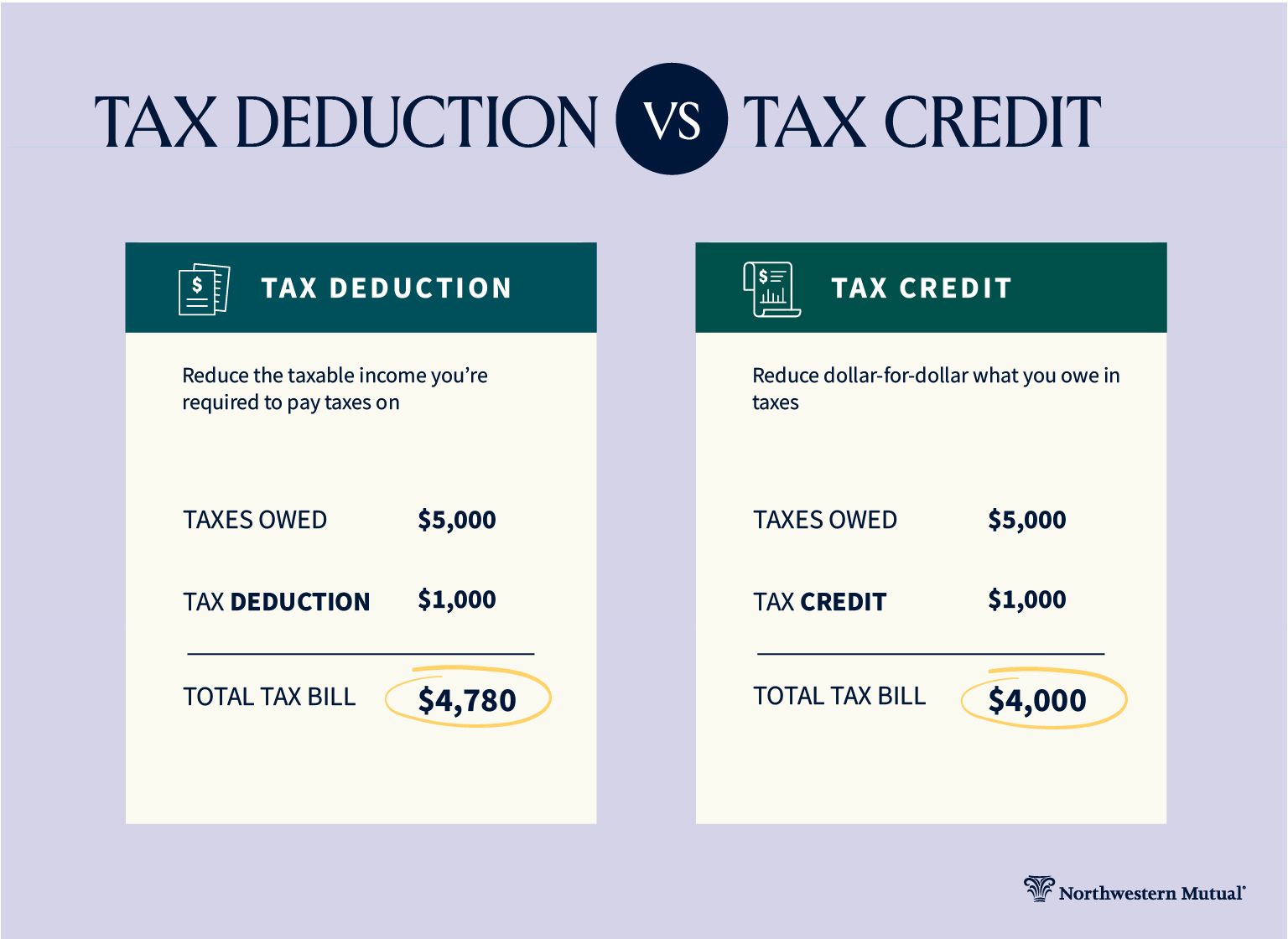
Tax credits are particularly powerful because they directly reduce your tax liability dollar-for-dollar. Unlike deductions, which reduce your taxable income, credits directly reduce the amount of tax you owe.
- Child Tax Credit and Credit for Other Dependents: Available for qualifying children and other dependents, these credits can significantly lower a family’s tax bill. The rules around eligibility and amounts can change, so staying informed is crucial.
- Earned Income Tax Credit (EITC): A refundable credit designed to help low-to-moderate-income workers and families. The amount depends on your income, filing status, and number of qualifying children. It’s one of the most substantial credits available.
- Education Credits: If you’re paying for higher education for yourself, your spouse, or a dependent, credits like the American Opportunity Tax Credit (AOTC) and Lifetime Learning Credit (LLC) can provide substantial relief.
- Retirement Savings Contributions Credit (Saver’s Credit): This credit encourages low- and moderate-income individuals to save for retirement. If you contribute to an IRA or employer-sponsored retirement plan, you might be eligible.
- Energy Efficient Home Improvement Credit: If you make eligible energy-efficient improvements to your home, you could qualify for a credit, encouraging sustainable living while saving on taxes.
Leveraging Deductions to Reduce Taxable Income
Deductions reduce the amount of your income that is subject to tax, thereby lowering your overall tax liability.
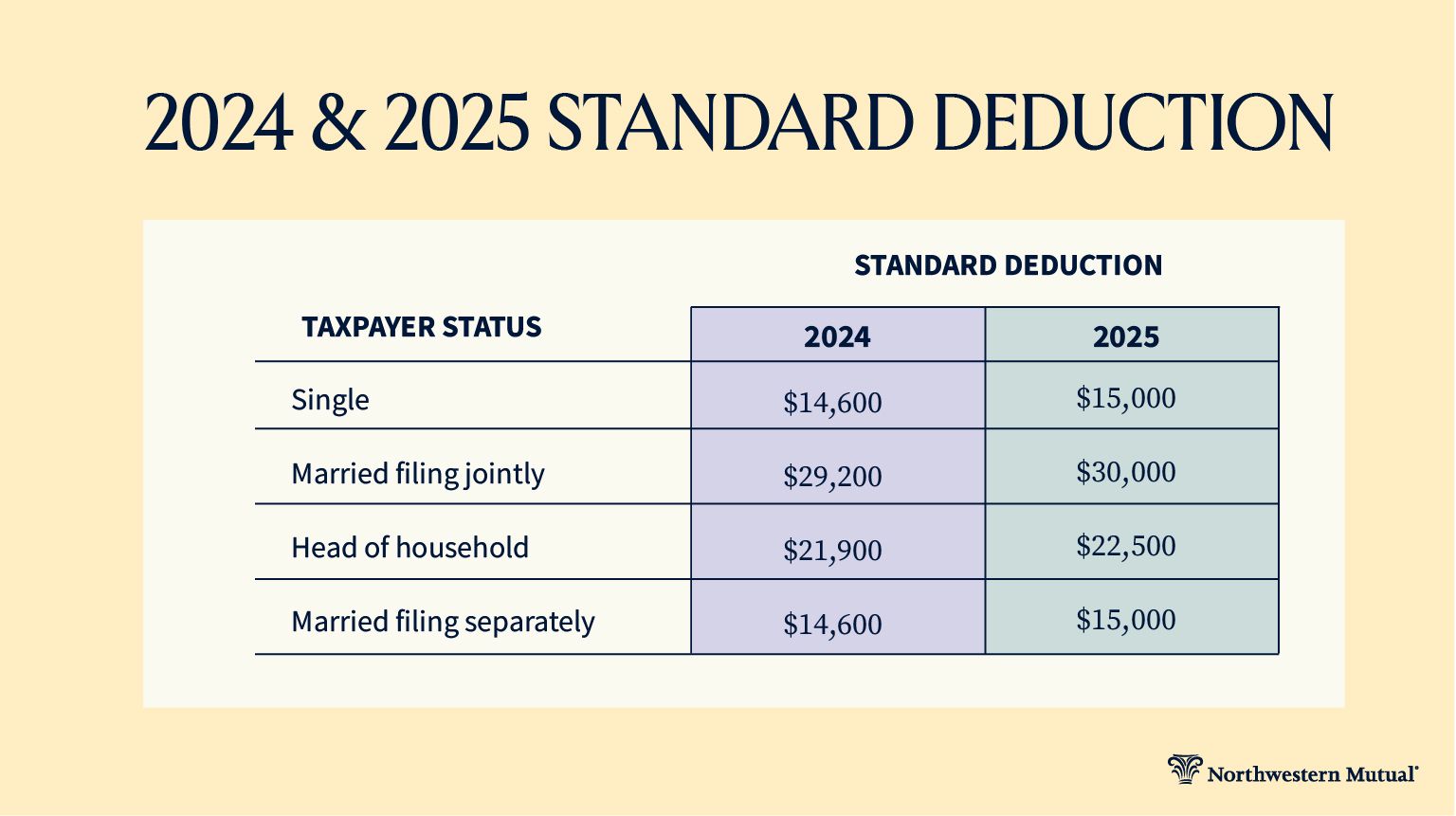
- Standard vs. Itemized Deductions: You can choose to take either the standard deduction (a fixed amount based on your filing status) or itemize your deductions (listing out specific expenses like mortgage interest, state and local taxes, charitable contributions, and medical expenses). For many, the standard deduction is sufficient, especially after recent tax law changes increased its amount. However, if your eligible itemized deductions exceed the standard deduction, itemizing can lead to greater tax savings.
- Above-the-Line Deductions: These are deductions you can take even if you don’t itemize. Examples include contributions to traditional IRAs, student loan interest paid, health savings account (HSA) contributions, and certain self-employment expenses. These deductions directly reduce your Adjusted Gross Income (AGI), which can then affect your eligibility for other credits and deductions.
- Business Expenses for Self-Employed Individuals: If you’re self-employed, you can deduct a wide array of business-related expenses, such as home office expenses, business travel, professional development, and health insurance premiums. Maintaining meticulous records is critical for these deductions.
Smart Financial Planning Throughout the Year
Maximizing your tax return isn’t just a year-end activity; it’s a continuous process that benefits from thoughtful financial planning and record-keeping.
Keeping Meticulous Records
The foundation of a successful tax strategy is excellent record-keeping. Whether you’re claiming deductions, credits, or reporting income, having organized documentation is essential.
- Digital vs. Physical: Choose a system that works for you, whether it’s cloud-based storage for digital receipts, dedicated folders for paper documents, or a combination of both.
- What to Keep: Maintain records for all income sources (W-2s, 1099s), investment statements, receipts for deductible expenses (charitable contributions, medical bills, business expenses), mortgage interest statements, property tax bills, and records for tax-advantaged accounts.
- Why It Matters: Accurate records not only ensure you claim all eligible deductions and credits but also provide crucial evidence in case of an IRS audit.
Making Estimated Tax Payments (If Applicable)
If you have income that isn’t subject to withholding (e.g., self-employment income, rental income, significant investment income), you’re typically required to make estimated tax payments throughout the year. Failing to do so can result in penalties.
- IRS Form 1040-ES: Use this form or an online payment system to make quarterly payments.
- Safe Harbor Rules: To avoid penalties, you generally need to pay at least 90% of your current year’s tax liability or 100% of your prior year’s tax liability (110% if your AGI was over a certain threshold).
- Adjust as Needed: Monitor your income and expenses throughout the year and adjust your estimated payments if your financial situation changes significantly.
Contributing to Tax-Advantaged Accounts
Many retirement and savings accounts offer significant tax benefits, either by reducing your current taxable income or allowing tax-free growth and withdrawals.
- IRAs and 401(k)s: Contributions to traditional IRAs and 401(k)s are often tax-deductible, lowering your current taxable income. Earnings grow tax-deferred until retirement. Roth versions, while not offering an upfront deduction, provide tax-free withdrawals in retirement.
- Health Savings Accounts (HSAs): HSAs offer a triple tax advantage: contributions are tax-deductible, earnings grow tax-free, and qualified medical withdrawals are tax-free. They are available to those with high-deductible health plans.
- 529 Plans: While primarily for education savings, contributions to 529 plans are sometimes deductible at the state level, and earnings grow tax-free if used for qualified educational expenses.
Understanding Life Event Impacts on Your Taxes
Significant life events rarely happen in a vacuum, and they often have profound tax implications that can affect your refund.
- Marriage, Divorce, and Dependents: Getting married, divorcing, or having a child changes your filing status, potentially affects your eligibility for various credits (like the Child Tax Credit), and impacts your standard deduction. These events necessitate a review of your W-4 and overall tax strategy.
- Homeownership and Major Purchases: Buying a home introduces new potential deductions for mortgage interest and property taxes. Major purchases, especially those for energy efficiency, might qualify for credits.
- Retirement or Career Changes: Changes in employment or retirement can significantly alter your income levels and eligibility for deductions and credits, requiring a revised tax plan.
Professional Guidance and Advanced Considerations
While much can be done independently, certain situations warrant professional advice, and staying informed about the broader tax landscape is always beneficial.
When to Seek Professional Tax Advice
While tax software has made filing easier for many, certain situations benefit greatly from the expertise of a qualified tax professional (e.g., CPA, Enrolled Agent).
- Complex Financial Situations: This includes owning multiple businesses, significant investment portfolios, foreign income, or dealing with inheritances.
- Major Life Changes: Divorce, starting a business, or selling significant assets can introduce complexities that a professional can navigate.
- Audit Assistance: If you receive an audit notice from the IRS, a tax professional can represent you and help prepare your defense.
- Tax Planning: Beyond just filing, a professional can offer year-round tax planning strategies to minimize your future tax liability.
Understanding State and Local Tax Implications
While the focus is often on federal taxes, state and local taxes can also significantly impact your overall financial picture. Each state has its own tax laws, deductions, and credits, which can vary widely. Understanding these can prevent surprises and help you optimize your state tax burden, indirectly affecting your overall refund expectations.
Staying Informed on Tax Law Changes
Tax laws are not static; they change frequently. New legislation, adjustments to credit limits, and modifications to deduction rules can all affect your tax return.
- Reliable Sources: Follow reputable financial news outlets, the IRS website, and tax professional blogs for updates.
- Proactive Adjustments: Being aware of changes allows you to make timely adjustments to your financial planning and withholding strategies.

Avoiding Common Tax Mistakes
Several common errors can lead to a smaller refund or even penalties.
- Math Errors: Double-check all calculations, especially if filing manually.
- Incorrect Filing Status: Choosing the wrong filing status can significantly impact your tax liability.
- Missing Deductions/Credits: Failing to claim eligible deductions or credits is like leaving money on the table.
- Late Filing/Payment: Ignoring deadlines can result in penalties and interest.
In conclusion, getting a “bigger tax return” is less about magic and more about diligent planning, understanding the rules, and proactive engagement with your finances throughout the year. By accurately adjusting your withholdings, diligently claiming all eligible credits and deductions, and making smart financial choices with tax advantages in mind, you can optimize your tax situation. Whether your goal is a larger refund, minimal tax liability, or better cash flow, the strategies outlined above provide a robust framework for achieving your desired financial outcome.
aViewFromTheCave is a participant in the Amazon Services LLC Associates Program, an affiliate advertising program designed to provide a means for sites to earn advertising fees by advertising and linking to Amazon.com. Amazon, the Amazon logo, AmazonSupply, and the AmazonSupply logo are trademarks of Amazon.com, Inc. or its affiliates. As an Amazon Associate we earn affiliate commissions from qualifying purchases.