
Navigating the complexities of tax season can often feel like a daunting financial hurdle. While the obligation to pay taxes is a cornerstone of responsible citizenship, the process of preparing and filing those taxes shouldn’t necessarily come with a hefty price tag. In an era where financial prudence is paramount, finding legitimate, reliable, and free methods to file your tax return is not just a convenience—it’s a smart financial strategy. This guide aims to demystify the landscape of free tax filing, empowering individuals to take control of their financial obligations without incurring unnecessary expenses, ensuring that more of your hard-earned money stays where it belongs: in your pocket.

The Imperative of Free Tax Filing: Saving Smart in the Tax Season
For many, the annual ritual of tax preparation brings with it the dread of potential costs. Whether it’s the hourly fee of a professional tax preparer or the subscription cost of premium tax software, these expenses can chip away at potential refunds or add to the burden of taxes owed. Understanding the options for free tax filing is not merely about finding a bargain; it’s about optimizing personal finance and ensuring equitable access to a fundamental civic responsibility.
Why Free Filing Matters for Every Taxpayer
The concept of free tax filing resonates deeply with the principles of sound personal finance. Every dollar saved on filing fees is a dollar that can be invested, saved, or used to cover essential living expenses. For individuals and families on tight budgets, this saving can be particularly impactful, easing financial strain during an already stressful period. Beyond the direct financial benefit, accessing free filing services democratizes the tax preparation process. It ensures that individuals, regardless of their income level or financial literacy, have the tools and support needed to meet their tax obligations accurately and on time. This fosters a sense of financial inclusion and reduces the barriers that might otherwise lead to non-compliance or costly errors.
Moreover, the availability of free options encourages taxpayers to engage more directly with their financial data. By using these tools, individuals gain a clearer understanding of their income, deductions, and credits, which can lead to better financial planning throughout the year. It’s an opportunity to become more informed consumers of financial services and more proactive managers of their personal wealth.
Dispelling Common Misconceptions About Free Tax Services
A common misconception is that “free” means “inferior” or “limited.” Many taxpayers mistakenly believe that free tax filing services are only for the simplest returns or come with hidden caveats. This couldn’t be further from the truth. The primary free tax filing options available are robust, secure, and fully capable of handling a wide range of tax scenarios, from basic W-2 income to more complex situations involving self-employment, investments, and various deductions and credits.
Another myth is that free services lack support. In reality, many free programs, particularly those supported by the IRS or community organizations, offer extensive guidance, resources, and even direct assistance from certified volunteers. The quality of these services is often comparable to, if not exceeding, some paid alternatives, particularly given the rigorous training and certification processes many volunteers undergo.
Finally, some fear that using free services makes them more susceptible to audits or errors. The truth is that the accuracy of your tax return depends more on the completeness of your information and careful input than on whether you paid for the software or service. Legitimate free filing options adhere to the same IRS standards and calculations as their paid counterparts, often with built-in checks and balances to minimize errors. Understanding these realities is the first step toward embracing the benefits of free tax preparation.
Unlocking Federal Free File Options: The IRS Free File Program
The Internal Revenue Service (IRS) is acutely aware of the financial burden tax preparation can place on taxpayers. To address this, they have established the IRS Free File Program, a cornerstone initiative designed to provide eligible taxpayers with access to free federal tax preparation and e-filing. This program is a critical resource for millions, offering a gateway to professional-grade tax software without the associated costs.
Eligibility and Income Thresholds: Is Free File for You?
The IRS Free File Program is primarily geared towards low-to-moderate-income taxpayers. Annually, the IRS sets an Adjusted Gross Income (AGI) threshold, and individuals or families whose AGI falls below this limit are typically eligible to use one of several commercial tax software products offered through the Free File program. For example, for the tax year 2023, the AGI limit for eligibility was set at $79,000 for individuals and families. This threshold is updated each year, so it’s crucial to check the current year’s guidelines on the IRS website.
This eligibility criterion ensures that the program targets those who stand to benefit most from free services. However, it’s important to note that even if your income exceeds this threshold, you might still have access to free options, albeit through a different facet of the program: the Free File Fillable Forms, which we will discuss shortly. Eligibility for specific partner software within the Free File program can also vary slightly based on additional factors like age, state of residency, or type of income, making it essential to review the specific offerings.
Navigating the IRS Free File Website and Partner Providers
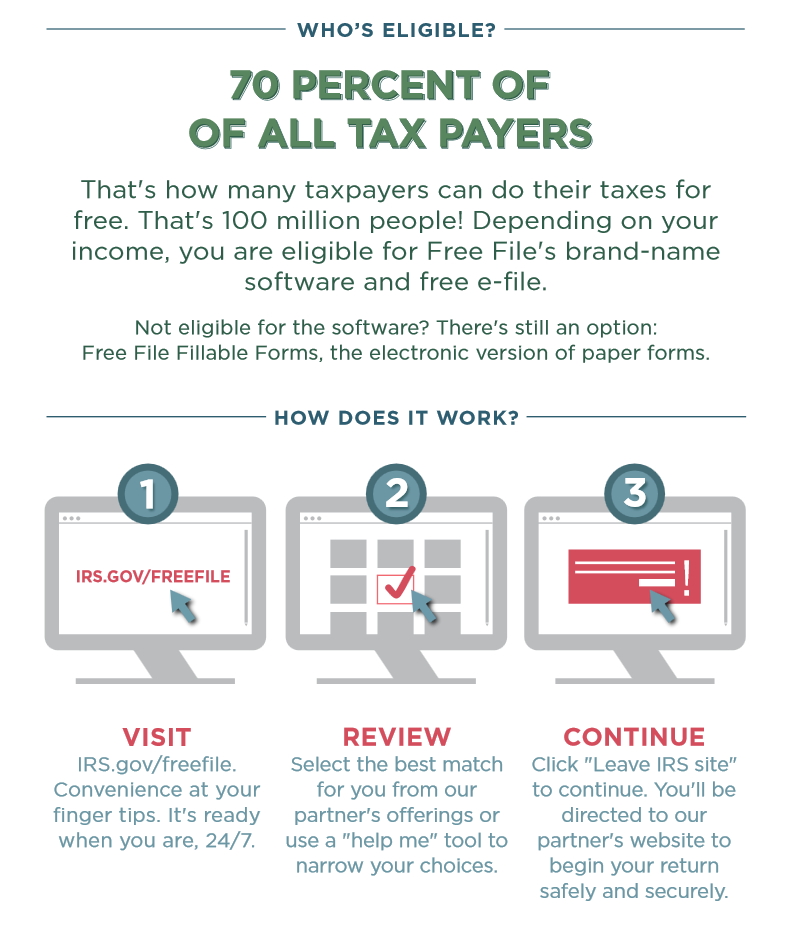
The gateway to the IRS Free File Program is the official IRS website (IRS.gov). It provides a central portal where taxpayers can browse the list of participating tax software companies. These are reputable, commercial tax software providers that have partnered with the IRS to offer their products for free to eligible users.
When you visit the IRS Free File page, you’ll typically find a “lookup tool” or a “guided process” that helps you identify which Free File partner offers services that match your specific situation and income level. Once you select a provider, you’ll be redirected to that company’s website to complete your tax preparation. It’s crucial to initiate the process through the IRS Free File website to ensure you access the free version of the software. Going directly to a commercial tax software provider’s website might lead you to their paid services, even if you are eligible for the free version through the IRS program. Each partner software has its own set of features, user interface, and additional state filing options (some free, some potentially at a cost), so it pays to explore a few options before committing.
Understanding the Difference: Guided Tax Preparation vs. Free File Fillable Forms
The IRS Free File Program essentially offers two distinct paths:
-
Guided Tax Preparation: This is the more common and user-friendly option for eligible taxpayers with an AGI below the specified threshold. It involves using commercial tax software, provided by IRS partners, which guides you step-by-step through the tax preparation process. The software asks questions, explains concepts, and helps identify deductions and credits you might qualify for. This option is ideal for those who prefer a more interactive and supportive experience, even if they have slightly more complex returns.
-
Free File Fillable Forms: This option is available to all taxpayers, regardless of their income. However, it requires a greater degree of tax knowledge. Free File Fillable Forms are the electronic versions of IRS paper forms. They perform basic math calculations, but they do not provide step-by-step guidance, tax advice, or error checking beyond fundamental arithmetic. This option is best suited for taxpayers who are comfortable preparing their own tax returns manually and only need a free way to e-file. It’s essentially a digital version of filling out paper forms, without the advanced features of tax software.
Choosing between these two depends on your comfort level with tax preparation and the complexity of your financial situation. For most eligible taxpayers, guided tax preparation offers a more accessible and less error-prone experience.
Leveraging Community Support: VITA and TCE Programs
Beyond online software, the IRS also sponsors crucial community-based programs that provide in-person, free tax preparation services. These programs, run by trained and certified volunteers, offer invaluable assistance, particularly to those who may not be comfortable with technology or have specific needs.
What are VITA and TCE? In-Person Assistance for Qualifying Taxpayers
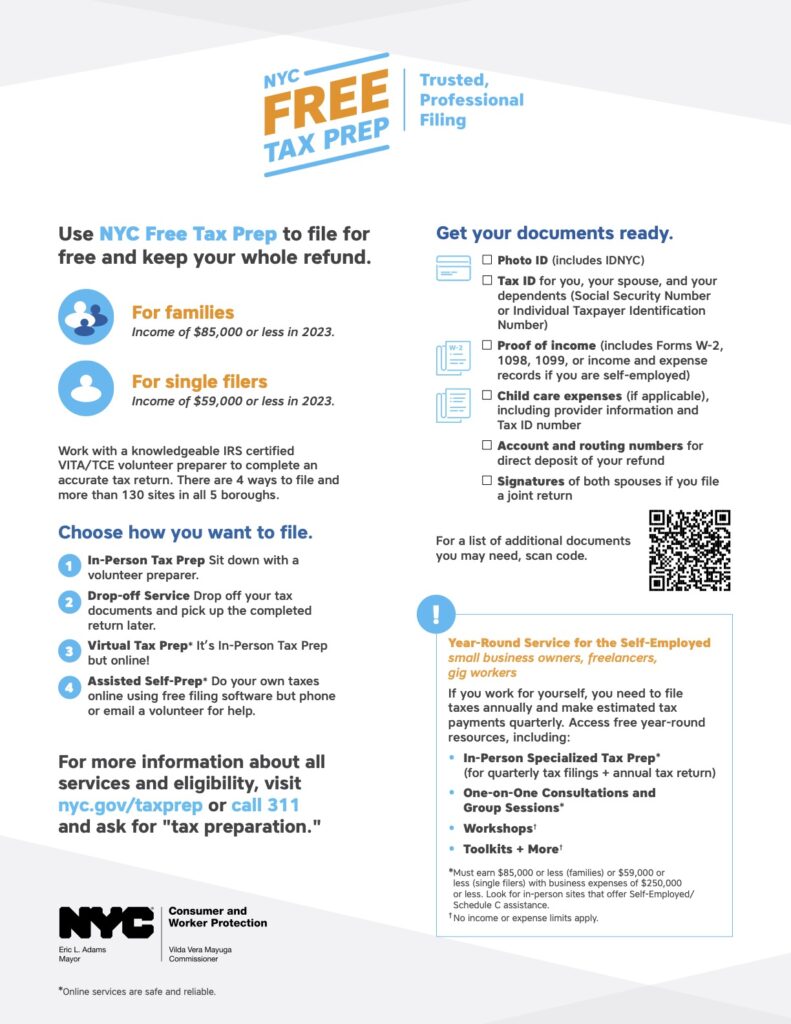
Volunteer Income Tax Assistance (VITA) and Tax Counseling for the Elderly (TCE) are federal grant programs that support community organizations in offering free tax help.
- VITA provides free tax preparation services to people who generally make $64,000 or less, persons with disabilities, and limited English-speaking taxpayers who need assistance in preparing their own tax returns.
- TCE specifically focuses on taxpayers who are 60 years of age and older, specializing in questions about pensions and retirement-related issues unique to seniors.
Both programs utilize IRS-certified volunteers who are trained to prepare basic and some complex tax returns. These volunteers undergo rigorous training and must pass certification exams to ensure they are up-to-date with tax law and can provide accurate assistance. The services often include electronic filing, which is the safest and fastest way to receive a refund.
Who Qualifies: Income Limits and Specific Demographics
The eligibility criteria for VITA and TCE are more specific than the broader IRS Free File program.
- For VITA, the primary qualification is an annual income of $64,000 or less. Additionally, individuals with disabilities and those with limited English proficiency are specifically targeted, reflecting the program’s commitment to serving vulnerable populations. The type of tax situations handled is generally basic to moderately complex, covering W-2s, basic self-employment income (Form 1099-NEC without significant expenses), standard deductions, and common credits like the Earned Income Tax Credit (EITC) and Child Tax Credit (CTC).
- For TCE, the focus is primarily on taxpayers aged 60 and older. While there isn’t a strict income limit like VITA, the program is designed to assist low-to-moderate income seniors, helping them navigate retirement-specific tax issues.
These programs are invaluable for those who prefer face-to-face interaction, have questions they want to discuss with an expert, or need help organizing their documents. They provide a vital human element to free tax preparation.
How to Find a VITA or TCE Site Near You
Finding a VITA or TCE site is straightforward:
- IRS Website: The most reliable source is the official IRS website (IRS.gov). Use their “VITA/TCE Locator Tool” to search for sites by zip code.
- Phone: You can also call the IRS toll-free at 800-906-9887 (for VITA) or 800-829-1040 (for TCE).
- Local Organizations: Many VITA and TCE sites are hosted by community centers, libraries, churches, and other non-profit organizations. Check with your local institutions as tax season approaches.
- AARP Foundation Tax-Aide: This is the largest single provider of TCE services and operates thousands of sites nationwide. Their website offers a locator tool as well.
It’s advisable to call ahead to any site to confirm operating hours, what documents to bring, and if appointments are necessary. Due to high demand, particularly during peak tax season, scheduling an appointment is often recommended.
Exploring Other Avenues for Cost-Free Tax Preparation
While the IRS Free File Program and the VITA/TCE initiatives are the primary federal resources, there are additional avenues taxpayers can explore to ensure their tax filing process remains free of charge. These options can complement federal programs, especially for state taxes or specialized circumstances.
Free Filing Options for State Taxes
A common pitfall for taxpayers using federal free filing options is realizing that state tax filing might still incur a cost. Fortunately, many states also offer free filing programs, often mirroring the federal model or partnering with the same software providers.
- State-Specific Free File Programs: Many state tax agencies have their own versions of Free File programs, typically linked directly from their official state revenue department websites. Eligibility often aligns with federal AGI limits, but it’s crucial to check each state’s specific criteria.
- IRS Free File Program Partners: Some of the commercial software providers participating in the federal IRS Free File program also offer free state filing if you qualify for their federal free product. Always verify this when selecting a federal Free File provider, as some may charge for state filing even if federal is free.
- Direct State E-file: For those comfortable with the Free File Fillable Forms concept, many states allow taxpayers to directly e-file their state tax returns through the state’s official website at no cost. This typically requires you to manually input your information, similar to the federal fillable forms.
Always prioritize checking your specific state’s department of revenue website for the most accurate and up-to-date information on free state tax filing options.
Specialized Programs for Military Personnel and Other Groups
Certain demographics and groups have access to additional free tax filing resources tailored to their unique situations:
- Military OneSource: This Department of Defense program offers free tax preparation and filing software (typically through H&R Block or similar providers) to eligible service members, including National Guard and Reserve members, their families, and survivors. This service often covers both federal and state returns, regardless of income.
- TaxSlayer Military: Many online tax preparation services offer free federal filing for active-duty military and veterans, often with specific income or rank requirements. It’s worth checking these specialized offerings directly on the software providers’ websites.
- Disability Rights Organizations: Some organizations that advocate for individuals with disabilities may offer or know of specialized free tax help resources, beyond VITA, designed to address unique tax situations that individuals with disabilities might face.
These specialized programs ensure that those who serve, or face unique challenges, have dedicated support for their tax needs.
When Commercial Software Offers Free Tiers
Beyond the IRS Free File program, several prominent commercial tax software providers also offer their own “free” versions directly through their websites. These are distinct from the IRS Free File offerings and have different eligibility rules.
- Limited Scope: These free tiers typically cater to very simple tax returns—those with W-2 income, the standard deduction, and perhaps a few basic credits. If you have itemized deductions, self-employment income, investments, or other complexities, you will likely be prompted to upgrade to a paid version.
- State Filing: While federal filing might be free, state filing is often an additional charge with these direct-to-consumer free tiers.
- Promotional Offers: Keep an eye out for seasonal promotions from tax software companies, as they sometimes offer expanded free services for a limited time, or discounts that make paid versions more affordable.
While these direct free tiers can be a good option for truly simple returns, it’s essential to read the fine print carefully to understand what is included and when an upgrade might become necessary. For most, starting with the IRS Free File program (if eligible) or exploring VITA/TCE ensures the broadest range of free services.
Essential Preparation and Best Practices for Free Tax Filing
The success of your free tax filing experience hinges significantly on thorough preparation and adherence to best practices. Regardless of whether you opt for online software or in-person assistance, being organized and informed can prevent errors, ensure accuracy, and streamline the entire process.
Gathering Your Documents: A Checklist for Success
Before you even begin the filing process, whether online or with a volunteer, having all your necessary documents organized is crucial. This not only speeds up the process but also minimizes the risk of overlooking critical information. Here’s a comprehensive checklist:
- Proof of Identity: Social Security cards (for yourself, spouse, and dependents), or Individual Taxpayer Identification Number (ITIN) letters. Photo ID (driver’s license, state ID) if filing in-person.
- Income Statements:
- Form W-2 (from employers)
- Form 1099-NEC (Nonemployee Compensation, for independent contractors)
- Form 1099-MISC (Miscellaneous Income)
- Form 1099-INT (Interest Income), 1099-DIV (Dividend Income), 1099-B (Proceeds from Broker and Barter Exchange Transactions)
- Form 1099-R (Distributions from pensions, annuities, retirement or profit-sharing plans, IRAs, etc.)
- Form SSA-1099 (Social Security Benefit Statement)
- Unemployment compensation statements
- Other income documentation (gambling winnings, royalty income, etc.)
- Deductions and Credits Information:
- Form 1098 (Mortgage Interest Statement), property tax bills
- Records of charitable contributions (receipts, acknowledgements)
- Childcare expenses (provider’s name, address, tax ID number, amount paid)
- Education expenses (Form 1098-T, tuition statements)
- Student loan interest (Form 1098-E)
- Medical expense records (if itemizing and exceeding AGI threshold)
- IRA contributions
- Health Insurance Information:
- Form 1095-A (Health Insurance Marketplace Statement), 1095-B, or 1095-C
- Prior Year Information: A copy of your previous year’s tax return is invaluable for reference, especially if you need to carry forward losses or recall specific deductions.
- Bank Account Information: For direct deposit of your refund (routing and account numbers).
Organizing these documents beforehand in a physical folder or a digital directory makes the entire tax preparation process significantly smoother.
Ensuring Accuracy and Security When Filing for Free
Accuracy and security are paramount, whether you’re paying for tax services or using free options.
- Double-Check All Entries: When using software, review all entered data carefully. Small typos can lead to big errors or delays. If working with a VITA/TCE volunteer, actively participate in the review process and ask questions.
- Understand Your Return: Don’t just sign off. Take the time to understand what’s on your return, especially your income, deductions, and credits. This knowledge empowers you and can help you identify potential mistakes.
- Secure Internet Connection: If filing online, always use a secure, private internet connection. Avoid public Wi-Fi networks when entering sensitive financial information.
- Official Websites Only: Always access free filing services through official IRS.gov links or verified partner websites. Be wary of phishing scams or unofficial sites mimicking legitimate services.
- Strong Passwords: Use unique, strong passwords for any online tax accounts.
- Print and Retain Records: After e-filing, always save or print a copy of your completed tax return and all supporting documentation for your records. The IRS generally recommends keeping records for at least three years from the date you filed your original return or two years from the date you paid the tax, whichever is later.
Common Pitfalls to Avoid During the Free Filing Process
Even with the best intentions, certain mistakes can derail your free filing experience:
- Ignoring Eligibility Requirements: Not checking income limits or other criteria for specific free programs can lead to wasted time or, worse, being upsold to a paid service when a truly free option was available.
- Assuming State Filing is Also Free: As discussed, federal free filing doesn’t automatically mean state filing is also free. Always verify this separately.
- Waiting Until the Last Minute: Procrastination can limit your options for free help, as VITA/TCE sites may become fully booked, and online support lines can be overwhelmed closer to the deadline.
- Misunderstanding Tax Law: While free software guides you, and volunteers help, it’s still your responsibility to understand the basics. For complex situations, consider professional advice even if you aim for free filing.
- Falling for Scams: Be vigilant against emails, phone calls, or texts impersonating the IRS or tax software providers. The IRS will never demand immediate payment or threaten legal action via phone or email without prior official correspondence.
By being prepared, diligent, and aware of common pitfalls, taxpayers can confidently leverage the numerous free resources available to manage their tax obligations effectively and efficiently, saving both money and stress.
aViewFromTheCave is a participant in the Amazon Services LLC Associates Program, an affiliate advertising program designed to provide a means for sites to earn advertising fees by advertising and linking to Amazon.com. Amazon, the Amazon logo, AmazonSupply, and the AmazonSupply logo are trademarks of Amazon.com, Inc. or its affiliates. As an Amazon Associate we earn affiliate commissions from qualifying purchases.