
For many individuals and businesses, tax season often brings with it a subtle undercurrent of dread, not just for the paperwork, but for the looming question: “How much will this actually cost me?” The expense of tax preparation is a significant line item in many personal and business budgets, yet it varies wildly depending on a multitude of factors. From the simplest DIY methods to comprehensive professional services, understanding the pricing structure and the value proposition of each option is crucial for making an informed financial decision. This article will delve into the intricacies of tax preparation costs, helping you navigate the options and determine the most cost-effective and beneficial approach for your unique financial situation.

Understanding the Landscape of Tax Preparation Costs
The world of tax preparation offers a spectrum of choices, each with its own cost implications and level of service. Your final bill will depend heavily on which path you choose.
The DIY Approach: Free vs. Paid Software
At one end of the spectrum is the do-it-yourself (DIY) method, which can range from entirely free to moderately priced.
- Free Tax Filing Options: For taxpayers with very straightforward returns, often involving only W-2 income and the standard deduction, free filing options are readily available. The IRS provides the Free File program, which partners with commercial tax software providers to offer free federal and sometimes state tax preparation and e-filing for eligible taxpayers (typically those below a certain income threshold). Additionally, some software providers offer completely free versions for basic returns regardless of income. While the monetary cost is zero, the “cost” here is your time and effort, as you are responsible for accurately inputting all data and understanding the relevant tax laws. This requires a certain level of comfort with financial documents and a willingness to learn.
- Paid Tax Software: For those with slightly more complex situations – perhaps claiming itemized deductions, having investment income, or managing a side hustle – paid tax software becomes an attractive option. Products like TurboTax, H&R Block, TaxAct, and TaxSlayer offer tiered pricing based on the complexity of your return. A basic paid package might cost anywhere from $20 to $60 for federal filing, with state filing often incurring an additional charge of $30 to $50 per state. More advanced versions, catering to self-employed individuals, rental property owners, or those with extensive investment portfolios, can range from $70 to $120 or more for federal returns, plus state fees. These programs guide users through the process step-by-step, offer error checks, and often include features like importing financial data directly from banks or employers. The cost here is a direct payment for convenience, guidance, and reduced risk of errors compared to manual filing.
Professional Assistance: CPAs, EAs, and Tax Preparers
When your tax situation becomes too intricate for software or your comfort level with DIY preparation wanes, professional assistance is the next logical step. The cost here is significantly higher, but so is the level of expertise and personalized service.
- Certified Public Accountants (CPAs): CPAs are licensed professionals with extensive accounting knowledge and often specialize in tax law. They can handle complex individual returns, small business taxes, trust and estate taxes, and offer tax planning advice. Their fees are typically the highest among tax preparers, reflecting their advanced qualifications and comprehensive services. Depending on the region and complexity, a CPA might charge anywhere from $200 for a relatively simple return to $500–$1,000+ for complex individual or small business filings. For ongoing business tax services or extensive tax planning, costs can run into thousands annually.
- Enrolled Agents (EAs): Enrolled Agents are federally licensed tax practitioners authorized by the IRS to represent taxpayers before the IRS. They specialize in taxation and have unlimited practice rights, meaning they can represent any taxpayer regarding any tax matter. EAs are often a slightly more affordable alternative to CPAs while still offering a high level of expertise, particularly useful for those facing IRS audits or specific tax challenges. Their fees generally fall in the range of $150 to $400+ for individual returns, with business returns costing more.
- Non-credentialed Tax Preparers: This category includes individuals who prepare taxes but do not hold CPA or EA designations. They often work for national tax preparation chains like H&R Block or Jackson Hewitt. Their services are typically more affordable than independent CPAs or EAs, ranging from $100 to $300 for individual returns. While they can be competent for standard returns, it’s crucial to verify their experience and expertise, especially if your tax situation is beyond basic. These services often provide a balance between DIY and full professional services, offering in-person help and guidance without the premium price tag of a CPA.
Online Tax Services: A Hybrid Solution
A growing segment of the market combines aspects of professional help with the convenience of online platforms. These services often involve submitting your tax documents virtually to a human preparer who then completes and files your return. Companies like H&R Block’s “Tax Pro Review” or TurboTax’s “Live” options fall into this category. The cost for these hybrid services typically sits between that of paid software and traditional in-person professional help, often ranging from $80 to $250+, depending on the complexity and the level of professional interaction included. They offer the benefit of expert review or preparation without the need for an in-person appointment.
Factors Influencing the Price Tag of Tax Preparation
Beyond the choice of preparation method, several key factors significantly influence the final cost you’ll incur. Understanding these can help you anticipate expenses and potentially reduce them.
Complexity of Your Tax Situation
This is arguably the most significant determinant of cost. A simple return typically involves W-2 income, the standard deduction, and perhaps a few common credits like the Child Tax Credit. As your financial life becomes more intricate, so does the effort required for tax preparation, and thus, the cost.
- Multiple Income Sources: Having income from various sources – multiple W-2s, 1099-NEC for freelance work, K-1s from partnerships, rental income, or foreign income – adds layers of complexity. Each additional form or schedule increases the time and expertise required.
- Itemized Deductions: While many taxpayers take the standard deduction, itemizing requires calculating various eligible expenses like medical costs, mortgage interest, state and local taxes (SALT), and charitable contributions. This process is more time-consuming for both individuals and preparers.
- Investment Activity: Reporting capital gains and losses from stock sales, dividends, interest from multiple accounts, and complex investment vehicles (e.g., options, futures, cryptocurrency) significantly adds to complexity. Form 8949 and Schedule D, among others, must be accurately completed.
Type of Income and Deductions
Certain types of income and deductions inherently increase tax preparation costs.
- Self-Employment Income (Schedule C): Running a business, even a small side hustle, means dealing with Schedule C. This involves tracking all business income and expenses, calculating self-employment taxes (Social Security and Medicare), and understanding eligible business deductions. This is a common driver of higher tax prep fees.
- Rental Property Income (Schedule E): Owning rental properties requires tracking rental income, expenses (mortgage interest, property taxes, repairs, depreciation), and potentially navigating passive activity loss rules.
- Foreign Income/Assets: If you have income from foreign sources or hold foreign bank accounts, you might need to file additional forms like Form 2555 (Foreign Earned Income Exclusion) or FinCEN Form 114 (FBAR), which can be complex and expensive to prepare.
- Tax Credits: While beneficial, claiming certain complex tax credits (e.g., energy credits, education credits beyond basic) can also add to the preparation time and cost.
State Tax Filings
Almost all federal tax software and professional preparers charge separately for state tax filings. If you live in a state with income tax, you’ll need to file a state return in addition to your federal one. If you lived or worked in multiple states during the tax year, or if you own property in different states, you might need to file multiple state returns, each adding to the overall cost. State tax preparation costs typically range from $30 to $60 per state, both for software and professional services.
Additional Services and Audit Protection
Many tax preparers and software providers offer supplementary services that come with additional fees.
- Tax Planning: If you seek advice on how to structure your finances to reduce future tax liabilities, this is typically an add-on service and can be quite valuable.
- Audit Protection/Assistance: Some services offer insurance or direct support in case your return is audited by the IRS. This can provide peace of mind but adds to the upfront cost.
- Amended Returns: If you need to correct a previously filed return, filing an amended return (Form 1040-X) will incur an additional charge, often similar to the original preparation fee.
- E-filing Fees: While e-filing is standard and often free with most paid services, some very basic free options or older software might still charge a small fee for it.
Weighing the Costs Against the Benefits
While the cost of tax preparation is a tangible expense, it’s essential to view it in the context of the benefits received. Sometimes, paying more upfront can save you significantly in the long run.
The Value of Accuracy and Compliance
Incorrectly filed taxes can lead to severe consequences, including penalties, interest charges, and even an audit. A professional tax preparer brings expertise and up-to-date knowledge of ever-changing tax laws, minimizing the risk of errors and ensuring compliance. This accuracy can prevent costly mistakes and potential legal issues down the line. For complex situations, the cost of a professional is often an investment in avoiding future financial headaches.
Time Savings and Convenience
Your time is money. For many, the hours spent grappling with tax forms, researching deductions, and navigating software interfaces could be better spent on income-generating activities, family, or leisure. Outsourcing tax preparation frees up valuable time, especially for small business owners or busy professionals, allowing them to focus on their core competencies. The convenience of simply providing documents and letting an expert handle the rest is a significant benefit for many.
Peace of Mind and Audit Support
There’s an undeniable psychological benefit to knowing your taxes have been handled by a competent professional. The peace of mind that comes from being confident in your tax filing, especially if you have complex finances, is invaluable. Furthermore, if you do face an IRS inquiry or audit, many professionals offer representation and support, guiding you through the process and advocating on your behalf. This audit support, often an additional service, can save immense stress and potential financial losses.
Strategies to Optimize Your Tax Preparation Spend
While some costs are unavoidable, several strategies can help you manage and potentially reduce your tax preparation expenses.
Proactive Record Keeping
Maintaining meticulous and organized records throughout the year is perhaps the most effective way to save money on tax preparation, regardless of whether you DIY or hire a professional.
- Categorize Expenses: Keep personal and business expenses separate. Use accounting software or even a simple spreadsheet to track income and expenses as they occur.
- Digitize Documents: Scan receipts, invoices, and important statements. Cloud storage solutions or dedicated expense tracking apps can make this effortless.
- Compile Information Early: Don’t wait until April 14th. Gather all necessary documents (W-2s, 1099s, K-1s, mortgage statements, charitable contribution receipts, medical bills, etc.) well in advance.
For professionals, a well-organized client saves them time, which translates to lower fees for you. For DIY filers, it streamlines the process and reduces frustration.
Shopping Around for Services
Just as you’d compare prices for other financial services, it pays to shop around for tax preparers.
- Get Quotes: Don’t settle for the first quote. Contact several CPAs, EAs, or local tax preparation offices and compare their fees and services.
- Ask About Fee Structures: Understand how they charge – by the hour, per form, or a flat fee.
- Leverage Referrals: Ask friends, family, or colleagues for recommendations, but always verify the preparer’s qualifications and services align with your needs.
- Consider Online Options: Online tax software and hybrid services can often be more cost-effective than traditional in-person preparers for certain situations.
Leveraging Free Resources
Before jumping to paid solutions, explore free resources that might cover your needs.
- IRS Free File: If your income is below the threshold, this program offers free federal and sometimes state tax filing through reputable software providers.
- VITA/TCE Programs: The IRS-sponsored Volunteer Income Tax Assistance (VITA) and Tax Counseling for the Elderly (TCE) programs offer free tax help to qualified individuals (typically those with low to moderate income, disabilities, or who are elderly). These services are provided by IRS-certified volunteers.
- Educational Materials: The IRS website itself is a treasure trove of information, publications, and forms that can guide DIY filers. Many financial blogs and websites also offer free tax guides and tutorials.
Understanding Tax Credits and Deductions
A foundational understanding of common tax credits and deductions can empower you to prepare more accurately yourself or at least effectively communicate your financial situation to a professional. Knowing what expenses are deductible or what credits you might qualify for can help you maximize your refund or minimize your tax liability. This knowledge also helps you ensure that your preparer hasn’t missed any opportunities.
Making an Informed Decision: DIY vs. Professional
Ultimately, the decision of how much to spend on getting your taxes done boils down to a personalized assessment of your financial situation, comfort level, and the value you place on time and expertise.
When DIY is Sufficient
- Simple Tax Returns: If you have W-2 income, take the standard deduction, and have minimal investments, free or low-cost tax software is likely all you need.
- Comfort with Technology: You are comfortable navigating online platforms and inputting financial data accurately.
- Time Availability: You have the time and patience to dedicate to understanding the process and ensuring accuracy.
- Learning Opportunity: You view tax preparation as an opportunity to learn more about your finances.
When to Seek Professional Help
- Complex Tax Situations: You have self-employment income, rental properties, extensive investments, foreign income, multiple state filings, or have experienced significant life changes (marriage, divorce, new home, birth of a child, starting a business).
- Time Constraints: Your time is more valuable spent elsewhere, and the convenience of professional preparation outweighs the cost.
- Desire for Tax Planning: You want proactive advice on how to legally reduce your tax burden in future years.
- Audit Concerns: You are concerned about potential audits or need representation for past tax issues.
- Peace of Mind: You value the assurance that an expert has handled your taxes, reducing stress and potential errors.
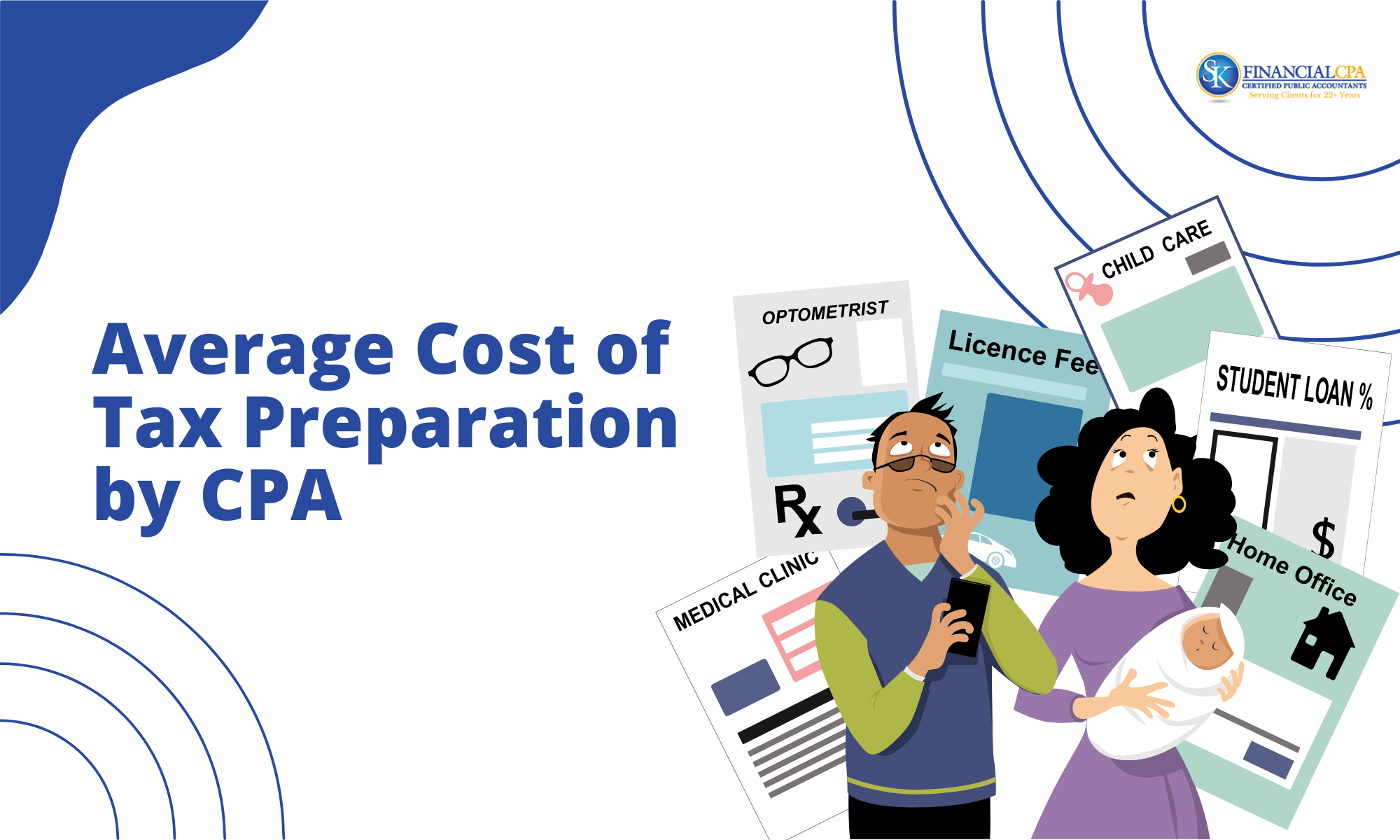
The Evolving Role of Technology in Tax Prep
The landscape of tax preparation is continually evolving, with technology playing an increasingly central role. AI and machine learning are beginning to automate more aspects of tax preparation, potentially offering more personalized insights and efficiency. This means that even professional preparers are leveraging advanced tools to serve clients better, and DIY software is becoming more intuitive. Staying abreast of these technological advancements can also help you make more cost-effective decisions in the future.
In conclusion, there’s no single answer to “how much does it cost to get taxes done.” It’s a dynamic figure influenced by individual circumstances and choices. By carefully assessing your needs, understanding the available options, and implementing smart financial practices, you can ensure you’re getting the best value for your tax preparation investment, leading to accurate filings and greater financial peace of mind.
aViewFromTheCave is a participant in the Amazon Services LLC Associates Program, an affiliate advertising program designed to provide a means for sites to earn advertising fees by advertising and linking to Amazon.com. Amazon, the Amazon logo, AmazonSupply, and the AmazonSupply logo are trademarks of Amazon.com, Inc. or its affiliates. As an Amazon Associate we earn affiliate commissions from qualifying purchases.