
In the rapidly evolving landscape of automotive technology, Tesla has carved out a unique position, synonymous with electric vehicles, innovation, and a premium experience. For many prospective buyers, however, the initial allure of a sleek design and groundbreaking performance quickly gives way to a fundamental financial question: “How much does a Tesla car cost?” This seemingly simple inquiry unravels into a complex web of pricing strategies, long-term ownership expenses, and financial incentives that demand a thorough, money-centric exploration. Far from being a mere sticker price, the true cost of a Tesla encompasses everything from initial configuration choices to charging infrastructure, insurance premiums, and even the eventual resale value. This guide will delve deep into the financial considerations of owning a Tesla, providing an insightful perspective for anyone weighing the monetary implications of joining the electric revolution.

Decoding Tesla’s Initial Purchase Price
The journey to Tesla ownership begins with understanding the upfront costs, which are influenced by model choice, customizable features, software upgrades, and various statutory charges. Unlike traditional dealerships, Tesla’s direct-to-consumer sales model streamlines the purchasing process but still presents a range of financial decisions.
Model-Specific Pricing: From Model 3 to Cybertruck
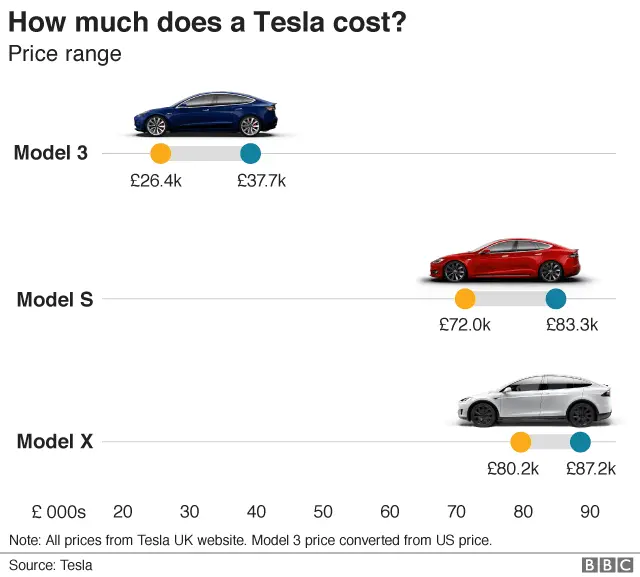
Tesla offers a diverse range of vehicles, each catering to different needs and price points. The entry point typically begins with the Model 3, often lauded as Tesla’s mass-market sedan, offering a balance of performance, range, and affordability relative to its siblings. As of recent periods, its base Rear-Wheel Drive variant might start in the low $40,000s, making it the most accessible option for many. Moving up, the Model Y, a compact SUV built on the Model 3 platform, offers increased cargo space and a slightly higher vantage point, usually commanding a price tag starting in the high $40,000s or low $50,000s.
For those seeking more luxury and performance, the Model S sedan and Model X SUV represent Tesla’s flagship offerings. These vehicles boast longer ranges, faster acceleration, and more premium interiors, with prices often starting in the high $70,000s or even breaching the $100,000 mark for performance trims like the Plaid versions. Finally, the futuristic Cybertruck, a recent addition to the lineup, introduced a new pricing structure with its varying configurations (Rear-Wheel Drive, All-Wheel Drive, Cyberbeast), with initial estimates placing its starting price significantly higher, potentially from the low $60,000s upwards depending on the configuration and market conditions. It’s crucial to note that these prices are highly dynamic, subject to Tesla’s frequent adjustments based on production costs, market demand, and strategic pricing initiatives.
Unpacking Configuration Options and Upgrades
Beyond the base model, a significant portion of a Tesla’s final purchase price stems from configuration choices and optional upgrades. These choices allow buyers to tailor their vehicle to specific preferences but also add substantially to the financial outlay. Key areas of customization include:
- Exterior Paint: While certain standard colors might be included, premium metallic finishes or unique colors often incur an additional cost, sometimes ranging from $1,000 to $2,500.
- Wheel Upgrades: Larger or performance-oriented wheels are a common upgrade, improving aesthetics and sometimes handling, but adding anywhere from $1,500 to $4,500 to the price. These often also have implications for tire replacement costs down the line.
- Interior Choices: Tesla typically offers a few interior color schemes (e.g., black, white), with the lighter options often carrying a premium of around $1,000 to $2,000. Features like premium sound systems, specialized floor mats, or enhanced seating options can also contribute to the final tally.
- Towing Package: For models like the Model Y or Cybertruck, a factory-installed towing package is an extra-cost option, typically around $1,000.
Each selection, while enhancing the ownership experience, represents a direct addition to the initial financial commitment.
The Impact of Software Features and Autopilot
One of Tesla’s most distinctive financial aspects is the significant cost associated with its advanced driver-assistance systems (ADAS) and software upgrades. The base “Autopilot” functionality is usually included, offering basic cruise control and lane-keeping. However, to unlock more advanced capabilities, buyers face substantial additional costs:
- Enhanced Autopilot (EAP): This mid-tier option adds features like Navigate on Autopilot, automatic lane changes, self-parking, and Summon. Historically priced around $6,000, it significantly enhances convenience.
- Full Self-Driving (FSD) Capability: This premium package is Tesla’s most expensive software upgrade, often commanding a price of $12,000 to $15,000 (and even higher in certain periods). It promises the ability to recognize stop signs and traffic lights, automatic driving on city streets, and future potential for fully autonomous driving, though it still requires active driver supervision. The value proposition of FSD is a frequent point of financial discussion, given its high cost and ongoing development status.
These software upgrades, unlike physical components, are pure digital assets, yet they carry a substantial financial burden that must be factored into the purchase decision. Tesla also offers these as subscription services, presenting an alternative financial model for access.
Taxes, Fees, and Delivery Charges: The Hidden Add-ons
The quoted base price or configured price is rarely the final amount paid. Several additional charges invariably inflate the total cost:
- Destination/Delivery Fee: Tesla charges a non-negotiable delivery fee, often around $1,390, to cover transportation from the factory to the customer’s delivery center.
- Order Fee: A small, non-refundable order fee (e.g., $250) is typically required to place an order.
- Sales Tax: This is often the largest additional cost, varying significantly by state or province. Calculated on the total vehicle price (including options), sales tax can add thousands of dollars to the final bill.
- Registration and Licensing Fees: State and local governments impose fees for vehicle registration, license plates, and sometimes specific electric vehicle surcharges, which can range from tens to hundreds of dollars annually.
- Documentation Fees: While Tesla’s direct sales model often minimizes traditional dealer “doc fees,” local regulations might still necessitate small administrative charges.
Thorough accounting for these “hidden” costs is crucial for a complete financial picture of a Tesla purchase.
Beyond the Sticker Price: Long-Term Ownership Costs
The financial implications of owning a Tesla extend far beyond the initial purchase. Prospective owners must consider the ongoing expenses that contribute to the total cost of ownership over the vehicle’s lifespan.
Fueling Your Tesla: Charging Costs and Strategies
One of the primary financial benefits of an EV is the reduced “fuel” cost compared to gasoline vehicles. However, electricity isn’t free.
- Home Charging: The most economical charging method is typically at home, using a Level 2 charger (like Tesla’s Wall Connector). The cost per mile depends on your local electricity rates, which can vary significantly (e.g., from $0.10 to $0.30 per kWh). A rough estimate for charging a Tesla Model 3 (assuming 250 miles of range and 70 kWh battery) at $0.15/kWh would be about $10.50 for a full charge, translating to roughly $0.04 per mile. This is generally much cheaper than gasoline, especially when utilizing off-peak electricity rates.
- Tesla Supercharging: For longer trips or when home charging isn’t available, Tesla’s Supercharger network offers rapid charging. Supercharging costs are often higher than home charging, with rates varying by location, time of day, and whether your vehicle came with free Supercharging credits (a rare offering now). Per-kWh or per-minute billing is common, and costs can range from $0.25 to $0.50 per kWh, making it comparable to or slightly cheaper than gasoline on a per-mile basis in some scenarios, but certainly more expensive than home charging.
- Third-Party Charging Networks: Other public charging networks (e.g., Electrify America, ChargePoint) also have their own pricing structures, which can include subscription fees, per-minute charges, or per-kWh rates.
Understanding your typical driving habits and access to charging infrastructure is paramount for accurately forecasting your long-term “fuel” expenses.
Insurance Premiums for High-Performance EVs
Insuring a Tesla can be notably more expensive than insuring a comparable internal combustion engine (ICE) vehicle. Several factors contribute to this financial reality:
- Higher Purchase Price: More expensive vehicles generally incur higher insurance premiums because the cost to repair or replace them is greater.
- Repair Costs: Tesla vehicles utilize advanced technology and proprietary components, often requiring specialized technicians and parts, which can lead to higher repair bills after an accident. Aluminum body panels, complex battery packs, and sophisticated sensor arrays contribute to this.
- Performance: Many Teslas offer exhilarating acceleration and performance, which can sometimes be associated with higher accident risks in the eyes of insurers.
- Theft Risk: While not universally higher than other luxury cars, the demand for Tesla parts can sometimes make them targets, impacting premiums.
It is highly advisable to obtain insurance quotes for specific Tesla models before purchase to avoid an unexpected financial burden. Some insurance companies also offer EV-specific policies or discounts.
Maintenance and Service: Dispelling EV Myths
One of the significant financial advantages often touted for EVs is lower maintenance costs, and for the most part, this holds true for Tesla. Electric vehicles have fewer moving parts than ICE cars, eliminating the need for oil changes, spark plug replacements, and complex transmission services.
- Reduced Routine Maintenance: Owners typically save money on routine tasks. Tesla’s recommended maintenance schedule is minimal, primarily focusing on tire rotation, brake fluid checks, cabin air filter replacements, and occasional battery coolant checks.
- Brake Longevity: Due to regenerative braking, the conventional friction brakes in a Tesla are used less frequently and thus last considerably longer, deferring expensive brake pad and rotor replacements.
- Potential for High Repair Costs: While routine maintenance is low, specific repairs for components like the battery pack, drive units, or complex electronics, if out of warranty, can be very expensive. However, Tesla’s robust warranties (typically 8 years/100,000-120,000 miles for the battery and drive unit) mitigate this risk for a significant portion of ownership.
Overall, the annual maintenance costs for a Tesla are generally lower than those for a luxury ICE vehicle, representing a notable long-term financial saving.
The Often-Overlooked Cost of Tire Replacement
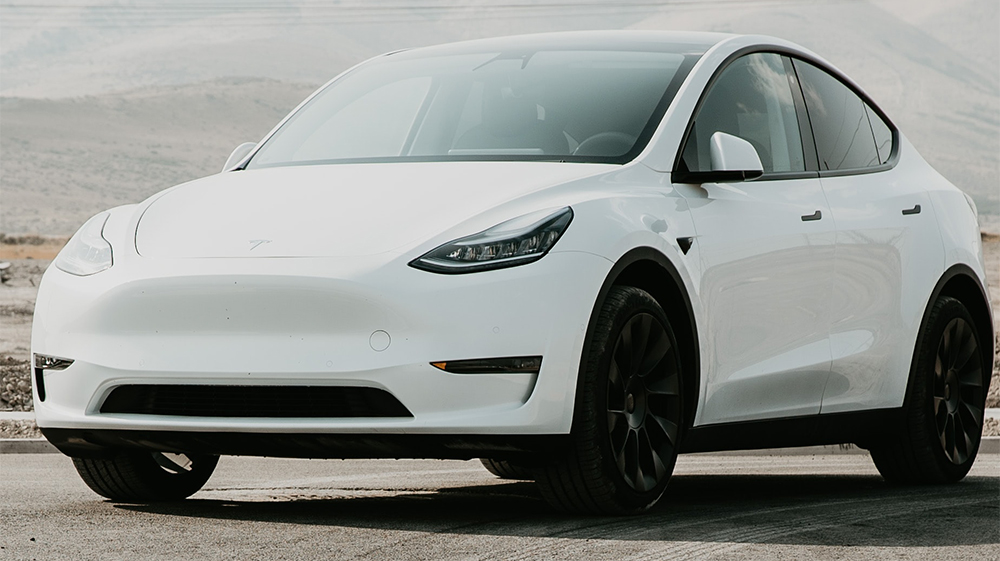
While maintenance is generally lower, one specific item often overlooked in the financial planning for a Tesla is tire replacement.
- Weight and Torque: Tesla vehicles are heavy due to their large battery packs, and their electric motors deliver instant torque. Both factors put significant stress on tires, leading to faster wear.
- Specialized Tires: Many Teslas come with low-rolling-resistance tires designed for efficiency, or performance tires tailored for their handling characteristics. These are often premium brands and specific models, making them more expensive to replace than standard tires.
- Larger Wheel Sizes: Upgrading to larger wheels (as discussed earlier) also means larger, more expensive tires.
Owners often report needing tire replacements every 20,000 to 40,000 miles, with a full set costing anywhere from $1,000 to $2,000 or more, depending on the model and tire choice. This periodic expense needs to be factored into the long-term financial budget.
Maximizing Value: Incentives, Financing, and Resale
Beyond the direct costs, several financial mechanisms can significantly influence the overall affordability and long-term value proposition of a Tesla.
Government Incentives and Tax Credits: A Buyer’s Advantage
Governments worldwide often offer financial incentives to encourage EV adoption, which can substantially reduce the effective purchase price of a Tesla.
- Federal Tax Credits (USA): In the United States, the Inflation Reduction Act (IRA) offers a federal tax credit of up to $7,500 for qualifying new clean vehicles. However, eligibility is complex, tied to vehicle manufacturing origin, battery component sourcing, and strict MSRP and income limits. Tesla models often qualify for some portion of this credit, but buyers must verify the latest eligibility criteria at the time of purchase, as these can change frequently.
- State and Local Incentives: Many states, counties, and cities offer their own rebates, tax credits, or non-monetary perks (like HOV lane access) for EV owners. These can range from hundreds to thousands of dollars and often stack with federal incentives. Examples include purchase rebates, charger installation credits, or reduced registration fees.
- Other Countries: Similar schemes exist in other major markets (e.g., Canada, Norway, Germany, UK) which can make Tesla ownership significantly more financially attractive.
These incentives can dramatically lower the effective cost of a Tesla, sometimes making a premium model surprisingly competitive with a well-equipped ICE counterpart.
Financing Options: Loans, Leases, and Interest Rates
Like any new vehicle, financing is a critical financial consideration for most Tesla buyers.
- Tesla Financing: Tesla offers its own financing options through partner banks, typically providing competitive interest rates for qualified buyers. The process is integrated into their online ordering system.
- Third-Party Loans: Buyers can also secure loans from banks, credit unions, or other financial institutions. Comparing rates from multiple lenders is crucial to finding the most favorable terms, as interest rates can significantly impact the total amount paid over the life of the loan. A slight difference in APR can translate to thousands of dollars in savings.
- Leasing: Leasing a Tesla can be an attractive option for those who prefer lower monthly payments, want to drive a new car every few years, or who are uncertain about long-term EV technology. Lease terms involve a down payment, monthly payments, and often mileage restrictions. At the end of the lease, the car is returned, avoiding resale complexities, but also foregoing equity build-up. It’s a rental agreement, not a path to ownership, and the financial benefits must be carefully weighed against outright purchase.
Understanding the implications of interest rates, loan terms, and lease agreements is vital for making an informed financial decision.
The Strong Resale Value of Tesla Vehicles
Historically, Tesla vehicles have demonstrated strong resale values compared to many traditional automotive brands. Several factors contribute to this financial advantage:
- High Demand: The desirability and brand cachet of Tesla, coupled with growing interest in EVs, maintain strong demand in the used car market.
- Software Updates: Teslas receive over-the-air software updates, meaning older models can gain new features and improvements, helping to keep them technologically relevant and desirable.
- Battery Longevity: Tesla’s battery technology has proven robust, with many vehicles maintaining excellent range retention even after years of use, mitigating a common concern for used EV buyers.
- Favorable Operating Costs: The lower “fuel” and maintenance costs of a used Tesla remain attractive to secondary market buyers.
While market conditions can fluctuate, the strong resale value of a Tesla can significantly offset the initial purchase price when calculating the total cost of ownership over several years.
Total Cost of Ownership (TCO) Calculation
To truly understand the financial commitment of a Tesla, one must calculate the Total Cost of Ownership (TCO). This comprehensive metric takes into account all expenses over a specified period, typically five years.
The TCO for a Tesla includes:
- Initial Purchase Price: Base price + options + taxes + fees.
- Depreciation: The difference between purchase price and resale value.
- “Fuel” Costs: Home charging, Supercharging, public charging.
- Insurance Premiums: Annual policy costs.
- Maintenance: Routine service, tire replacements, potential unexpected repairs.
- Financing Costs: Total interest paid on a loan or total lease payments.
- Incentives/Rebates: Subtract any qualifying government or local financial benefits.
By aggregating these figures, prospective buyers can gain a holistic understanding of the real financial commitment and often discover that despite a higher initial sticker price, the TCO for a Tesla can be competitive with, or even lower than, premium ICE vehicles over the long run, thanks to savings in fuel and maintenance and strong resale value.
Is a Tesla a Sound Financial Investment?
The question of whether a Tesla represents a sound financial investment goes beyond mere cost accounting and touches upon long-term economic shifts and individual priorities.
Comparing TCO with Internal Combustion Engine Vehicles
A crucial part of the financial assessment involves direct comparison with equivalent ICE vehicles. While the upfront cost of a Tesla can often be higher than a gasoline-powered car in the same segment, the TCO narrative frequently favors the EV.
- Fuel Savings: This is often the most significant financial advantage. With fluctuating and generally higher gasoline prices, the per-mile cost of electricity is a compelling saving.
- Maintenance Savings: As discussed, the simplified drivetrain of an EV eliminates many common and costly maintenance items found in ICE cars.
- Environmental & Societal Value: While not directly quantifiable in a personal TCO, the reduced emissions and noise pollution from EVs contribute to broader societal financial benefits, such as healthcare cost reductions and improved air quality. From a personal finance perspective, some may consider this an intrinsic “return” on their investment in an EV.
Over a 5-7 year ownership period, many analyses show that a Tesla, particularly the Model 3 or Model Y, can have a lower TCO than a similarly equipped luxury ICE sedan or SUV from brands like BMW, Mercedes-Benz, or Audi.
The Environmental Premium vs. Financial Returns
For many Tesla buyers, the decision isn’t purely financial; it’s also driven by environmental consciousness. While the switch to an EV inherently carries an environmental premium for some, the financial returns of a Tesla can align with these values. The question often becomes: are you willing to pay a potentially higher initial cost for a vehicle that offers lower running costs, potentially better long-term financial stability (due to resale value), and a reduced carbon footprint? The intersection of these values and financial benefits can make a Tesla a particularly attractive proposition for a specific demographic.
Future-Proofing: Battery Life and Technology Evolution
Investing in a Tesla also means investing in a rapidly evolving technology.
- Battery Technology: Improvements in battery chemistry, energy density, and charging speeds are continuous. While this means newer models may offer better performance, Tesla’s robust battery warranties provide financial peace of mind for existing owners. The long-term durability of Tesla batteries has generally been excellent, leading to sustained range and performance over many years, which positively impacts resale value.
- Software Longevity: Tesla’s over-the-air updates ensure that even older vehicles can receive new features and performance enhancements, effectively “future-proofing” them to some extent against rapid technological obsolescence compared to traditional vehicles. This continuous software evolution can extend the perceived and actual useful life of the vehicle, enhancing its long-term financial value.
Ultimately, “how much a Tesla car” costs is a multifaceted question, with the answer depending heavily on individual choices, local market conditions, and a holistic view that extends far beyond the showroom floor. For those willing to navigate its unique financial landscape, a Tesla can offer not just a revolutionary driving experience but also a financially compelling ownership proposition over the long term.
aViewFromTheCave is a participant in the Amazon Services LLC Associates Program, an affiliate advertising program designed to provide a means for sites to earn advertising fees by advertising and linking to Amazon.com. Amazon, the Amazon logo, AmazonSupply, and the AmazonSupply logo are trademarks of Amazon.com, Inc. or its affiliates. As an Amazon Associate we earn affiliate commissions from qualifying purchases.