
Investing in the stock market can seem daunting, but understanding and accessing key market indices like the Dow Jones Industrial Average (DJIA) is a fundamental step for many investors. The Dow Jones, often simply referred to as “the Dow,” is one of the oldest and most frequently quoted market indicators in the world. It offers a glimpse into the performance of 30 prominent, publicly-traded U.S. companies, serving as a barometer for the broader American economy. For those looking to gain exposure to blue-chip stocks and participate in the long-term growth of the market, understanding how to invest in the Dow Jones is a critical piece of financial literacy. This guide will demystify the process, exploring various investment avenues, their advantages, and essential considerations for making informed decisions.
Unpacking the Dow Jones Industrial Average (DJIA)
Before diving into investment strategies, it’s crucial to understand what the Dow Jones Industrial Average actually is and how it functions. This foundational knowledge empowers investors to appreciate its role and limitations.
What is the DJIA and How Does It Work?
The Dow Jones Industrial Average is a stock market index that measures the stock performance of 30 large companies listed on stock exchanges in the United States. Founded by Charles Dow in 1896, it is one of the oldest, best-known, and most frequently used stock market indices. Unlike many modern indices that are market-capitalization weighted, the DJIA is a price-weighted index. This means that companies with higher stock prices have a greater impact on the index’s value than companies with lower stock prices, regardless of their market capitalization (total value of all outstanding shares).
The 30 companies comprising the Dow are chosen by a committee from S&P Dow Jones Indices. They are selected based on their reputation, sustained growth, interest to investors, and representing a broad section of the U.S. industrial sector. While historically focused on “industrial” firms, the index today includes a diverse range of companies across various sectors, from technology and finance to healthcare and consumer goods. The composition of the Dow changes periodically to reflect the evolving landscape of the U.S. economy, with companies being added or removed to maintain its relevance.
The Significance of the Dow as a Market Barometer
For over a century, the Dow Jones Industrial Average has served as a widely watched indicator of the overall health of the U.S. stock market and, by extension, the American economy. Its long history and consistent presence in financial news make it a readily understood benchmark for many investors and the general public. When commentators talk about the market being “up” or “down,” they are often referring to the movement of the Dow.
The performance of these 30 blue-chip companies is seen as a proxy for the broader corporate earnings and investor sentiment within the U.S. As these companies represent significant portions of their respective industries, their collective performance can offer insights into economic trends, consumer confidence, and corporate profitability. While it only tracks a small fraction of the thousands of publicly traded companies, its components are so influential that their movements often correlate with the broader market. However, it’s also important to recognize that, due to its price-weighted nature and limited number of components, the DJIA does not provide as comprehensive a view of the market as broader, market-cap-weighted indices like the S&P 500.
Why Consider Investing in the Dow Jones?
Many investors are drawn to the idea of investing in the Dow Jones for several compelling reasons, primarily rooted in its stability, historical performance, and the quality of its constituent companies.
Exposure to Blue-Chip American Companies
One of the primary appeals of the Dow Jones is that it offers direct exposure to 30 of America’s most established, largest, and financially sound corporations. These “blue-chip” companies are leaders in their industries, often possessing strong brand recognition, robust balance sheets, and a track record of consistent performance through various economic cycles. Investing in the Dow means you are, in essence, investing in companies like Apple, Microsoft, Johnson & Johnson, Coca-Cola, and Visa – titans of industry that have demonstrated resilience and innovation over decades. For investors seeking stability and a stake in well-managed enterprises, the Dow presents an attractive proposition.
Diversification Through a Curated Basket of Stocks
While 30 stocks may seem like a small number compared to other indices, investing in the Dow Jones still provides a degree of immediate diversification. Instead of picking individual stocks, which carries significant company-specific risk, investing in the entire index spreads your capital across multiple sectors and businesses. This mitigates some of the risk associated with a single company performing poorly. For instance, if one component company faces a setback, the impact on your overall investment is softened by the performance of the other 29 companies. This built-in diversification makes the Dow a more stable investment than a highly concentrated portfolio of just a few stocks.
Potential for Long-Term Growth and Dividends
Historically, the U.S. stock market, as reflected by indices like the Dow Jones, has demonstrated a strong upward trend over the long term, despite short-term fluctuations and recessions. This long-term growth potential is a key driver for investors. By investing in the Dow, you are essentially betting on the continued innovation, profitability, and expansion of leading American corporations. Furthermore, many of the Dow components are mature, profitable companies that regularly pay dividends to shareholders. These dividends can provide a steady stream of income and, when reinvested, can significantly compound returns over time, contributing to overall wealth accumulation. For investors with a long-term horizon, the combination of capital appreciation and dividend income makes the Dow an attractive investment vehicle.
Navigating the Investment Avenues: How to Get Exposure to the Dow
While you cannot directly “buy” the Dow Jones Industrial Average as a single asset, there are several accessible and effective ways to gain exposure to its performance. These methods allow individual investors to participate in the index’s movements without having to purchase all 30 individual stocks themselves.
Investing via Exchange-Traded Funds (ETFs)
Exchange-Traded Funds (ETFs) are by far the most popular and straightforward way for most individual investors to invest in the Dow Jones. An ETF that tracks the Dow Jones Industrial Average holds shares of the 30 component companies in proportions that mimic the index’s price-weighted methodology. When you buy shares of a Dow Jones ETF, you are essentially buying a diversified portfolio that mirrors the index’s performance.
The most well-known and widely used Dow Jones ETF is the SPDR Dow Jones Industrial Average ETF (DIA), often referred to as “Diamonds.” ETFs like DIA offer several compelling advantages:
- Diversification: Instantly provides exposure to all 30 Dow components in one single investment.
- Liquidity: ETFs trade like individual stocks on major exchanges, allowing you to buy and sell shares throughout the trading day at market prices.
- Low Expense Ratios: Dow Jones ETFs typically have very low annual expense ratios, meaning a smaller percentage of your investment goes towards management fees.
- Accessibility: Easily purchased through any brokerage account.
For most individual investors seeking broad, cost-effective exposure to the Dow, investing in a Dow Jones ETF is the recommended approach.
Exploring Dow Jones Index Mutual Funds
Another viable option for gaining exposure to the Dow Jones is through an index mutual fund. Similar to ETFs, a Dow Jones index mutual fund is a type of investment fund that aims to replicate the performance of the DJIA by investing in its component stocks. While the underlying objective is similar to ETFs, there are some key differences:

- Trading: Mutual funds are typically priced once a day, after the market closes, and can only be bought or sold at that price. This contrasts with ETFs, which trade continuously throughout the day.
- Minimum Investment: Some mutual funds may have higher minimum initial investment requirements compared to ETFs, which can be bought for the price of a single share.
- Management: While both are passively managed to track the index, mutual funds often have slightly higher expense ratios than comparable ETFs, though still much lower than actively managed funds.
Index mutual funds can be a good choice for investors who prefer to automate their investments (e.g., through regular automatic contributions) and don’t need the intra-day trading flexibility of ETFs. Many large brokerage firms and fund providers offer Dow Jones index mutual funds.
Indirect Investment Through Individual Component Stocks
While less common for directly tracking the Dow, some investors might choose to invest in a selection of individual stocks that are components of the DJIA. This approach gives you greater control over your specific holdings and can be beneficial if you have a strong conviction about certain companies within the Dow. However, it comes with significant caveats:
- No Direct Index Tracking: You won’t perfectly track the Dow’s performance unless you buy all 30 stocks in the exact price-weighted proportions, which is practically challenging and costly.
- Higher Transaction Costs: Buying 30 separate stocks can incur more brokerage commissions (though many brokers now offer commission-free trading).
- Active Management: You’ll need to monitor each company individually and manage your portfolio to reflect any changes in the Dow’s composition.
This method is generally suitable for experienced investors who want to cherry-pick specific blue-chip companies rather than simply replicate the index’s performance.
Advanced Strategies: Futures and Options on the DJIA
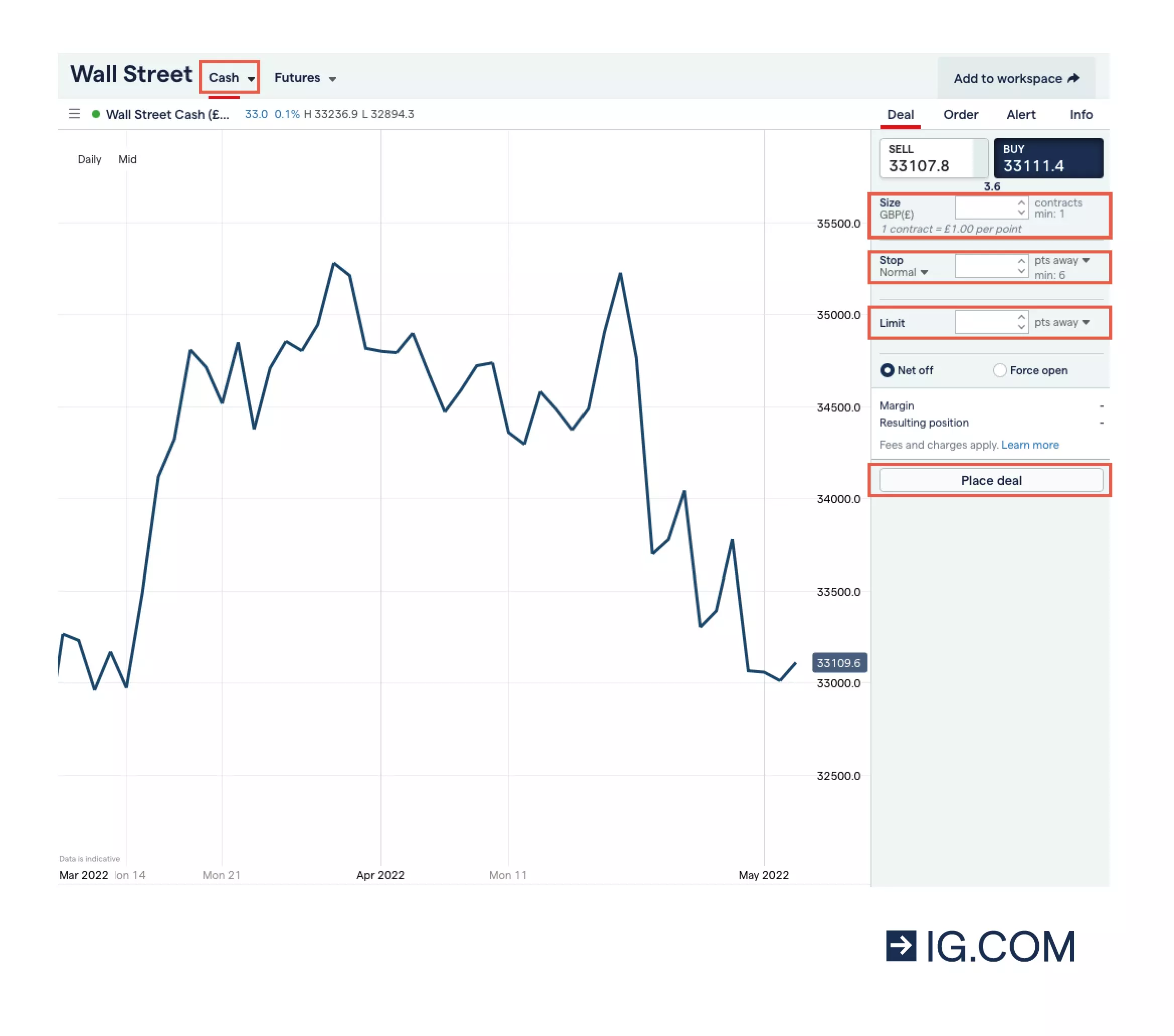
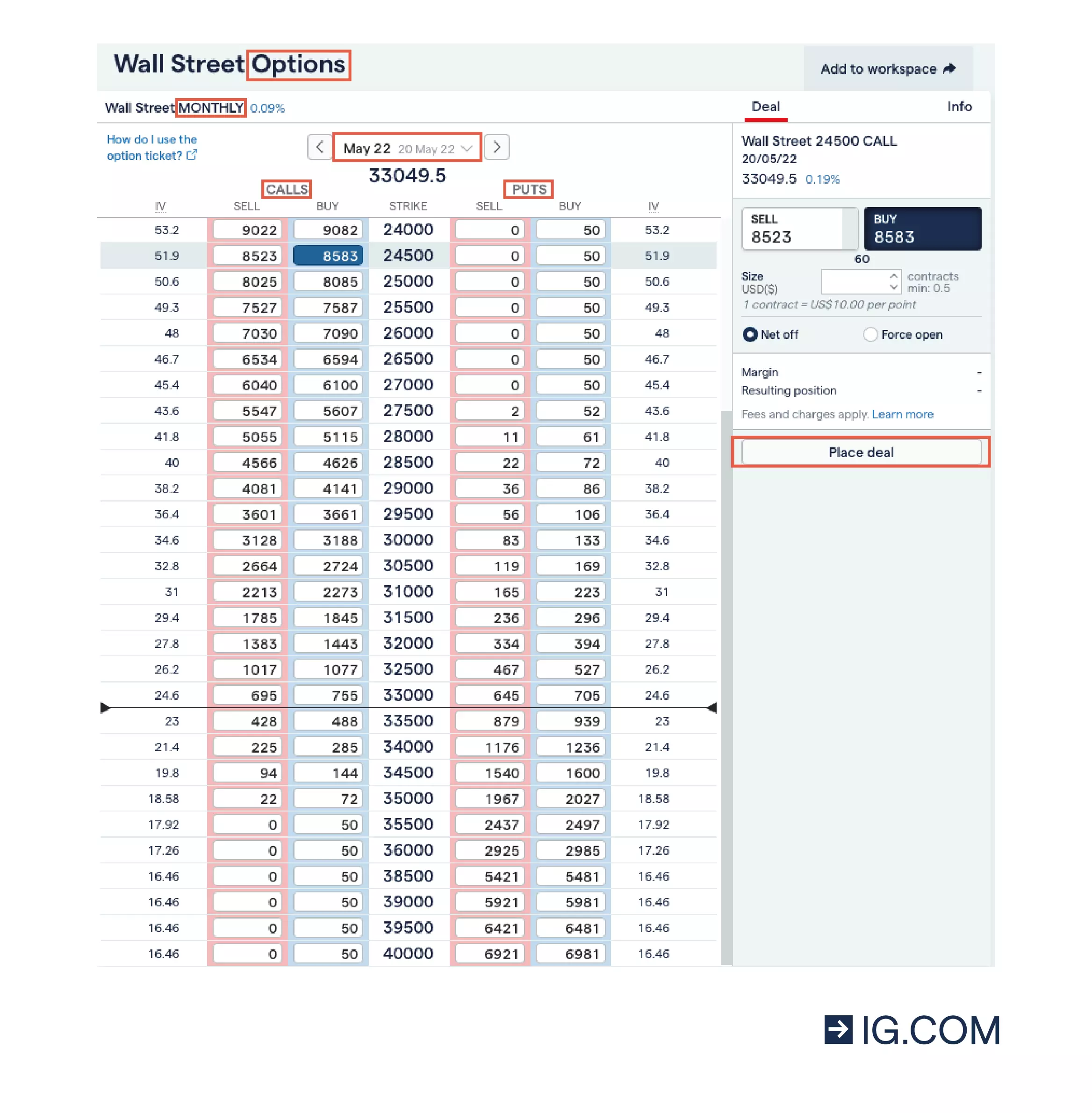
For sophisticated investors with a higher risk tolerance and deep understanding of derivatives, futures and options contracts on the Dow Jones Industrial Average offer alternative ways to speculate on or hedge against the index’s movements.
- Futures Contracts: A futures contract is an agreement to buy or sell a specific asset (in this case, the value of the DJIA) at a predetermined price on a future date. They are highly leveraged instruments, meaning a small price movement can lead to significant gains or losses.
- Options Contracts: Options give the holder the right, but not the obligation, to buy (call option) or sell (put option) the underlying asset (the DJIA) at a specified price before a certain date.
These strategies are complex and involve substantial risk. They are generally not recommended for novice investors or those without a comprehensive understanding of how derivatives work and the leverage involved.
Essential Considerations Before Investing
Before committing your capital to the Dow Jones, it’s vital to consider several factors that can impact your investment strategy and potential returns.
Understanding the Dow’s Price-Weighted Methodology
As discussed, the Dow is a price-weighted index, meaning stocks with higher share prices have a greater influence on the index’s movements, regardless of the company’s overall market value. This contrasts with market-capitalization-weighted indices (like the S&P 500), where larger companies (by total value) have more sway. This unique weighting methodology can lead to the Dow behaving differently from other broad market indices. For example, a significant price movement in a high-priced stock, even if it’s a smaller company by market cap within the Dow, can disproportionately affect the index’s overall performance. Investors should be aware of this characteristic and understand that it might not always perfectly reflect the overall market’s performance based on company size.
Diversification Beyond the Dow
While investing in the Dow provides diversification among 30 blue-chip stocks, it’s crucial to understand that it does not represent a complete, fully diversified investment portfolio. The Dow focuses exclusively on large-cap U.S. companies and has a limited number of components. It lacks exposure to:
- Mid-cap and small-cap stocks: These segments of the market can offer different growth profiles.
- International stocks: Global diversification is crucial for mitigating country-specific risks and tapping into growth opportunities worldwide.
- Other asset classes: Bonds, real estate, commodities, and alternative investments play vital roles in a truly diversified portfolio to manage risk and enhance returns.
Therefore, while the Dow can be a core component of your equity allocation, it should ideally be part of a broader investment strategy that includes other asset classes and geographic regions to achieve optimal diversification.
Expense Ratios and Fees
When investing through ETFs or mutual funds, expense ratios are a critical consideration. The expense ratio is the annual fee charged by the fund as a percentage of your investment. Even seemingly small differences in expense ratios (e.g., 0.05% vs. 0.20%) can accumulate over decades and significantly impact your total returns. For example, on a $100,000 investment over 30 years with an average 7% annual return, a 0.20% expense ratio could cost you tens of thousands of dollars more than a 0.05% expense ratio. Always compare expense ratios when choosing a Dow Jones ETF or mutual fund to ensure you’re getting cost-effective exposure. Additionally, be mindful of any trading commissions or transaction fees your brokerage may charge, although many platforms now offer commission-free ETF and stock trading.
Your Investment Horizon and Risk Tolerance
Investing in the stock market, even in a stable index like the Dow Jones, involves risk. Market values can fluctuate significantly in the short term due to economic news, corporate earnings, interest rate changes, and geopolitical events. It’s essential to align your investment in the Dow with your personal investment horizon and risk tolerance.
- Investment Horizon: Generally, a long-term horizon (5+ years, ideally 10+ years) is recommended for equity investments like the Dow. This allows time to ride out short-term volatility and benefit from the market’s historical upward trend and compounding returns.
- Risk Tolerance: While the Dow represents stable companies, it is still subject to market risk. Be comfortable with the possibility of seeing your investment’s value decrease in the short term. Your overall asset allocation should reflect your comfort level with risk, balancing growth-oriented investments with more conservative options if necessary.
The Role of Professional Advice
For many investors, especially those new to the market or managing complex financial situations, seeking advice from a qualified financial advisor can be invaluable. A professional can help you:
- Assess your financial goals, risk tolerance, and investment horizon.
- Determine how the Dow Jones fits into your overall portfolio.
- Develop a comprehensive financial plan that includes diversification across various asset classes and investment vehicles.
- Provide guidance on tax implications and rebalancing strategies.
While the information here provides a solid foundation, personalized advice can help ensure your investment decisions align perfectly with your unique financial circumstances.
In conclusion, investing in the Dow Jones Industrial Average offers a robust way to gain exposure to some of America’s most influential and stable companies. Whether through highly accessible ETFs, traditional mutual funds, or more advanced strategies, understanding the mechanics of the Dow and thoroughly considering the associated factors will empower you to make informed decisions that align with your financial objectives. By focusing on long-term growth, managing costs, and maintaining proper diversification, you can effectively integrate the Dow into a resilient and thriving investment portfolio.
aViewFromTheCave is a participant in the Amazon Services LLC Associates Program, an affiliate advertising program designed to provide a means for sites to earn advertising fees by advertising and linking to Amazon.com. Amazon, the Amazon logo, AmazonSupply, and the AmazonSupply logo are trademarks of Amazon.com, Inc. or its affiliates. As an Amazon Associate we earn affiliate commissions from qualifying purchases.