
The narrative of any globally recognized brand often begins with a singular vision, an entrepreneurial spark that ignites a movement. For Lululemon Athletica Inc., a name synonymous with high-end athletic apparel and a lifestyle brand embraced by millions, that spark was provided by its founder, Chip Wilson. His journey from identifying a niche to cultivating a global empire offers a compelling case study in brand strategy, market disruption, and the enduring power of a distinct corporate identity. Understanding who founded Lululemon is not merely a matter of historical record; it is to delve into the foundational principles that shaped its distinctive brand persona, its innovative approach to retail, and its lasting impact on the athleisure landscape.
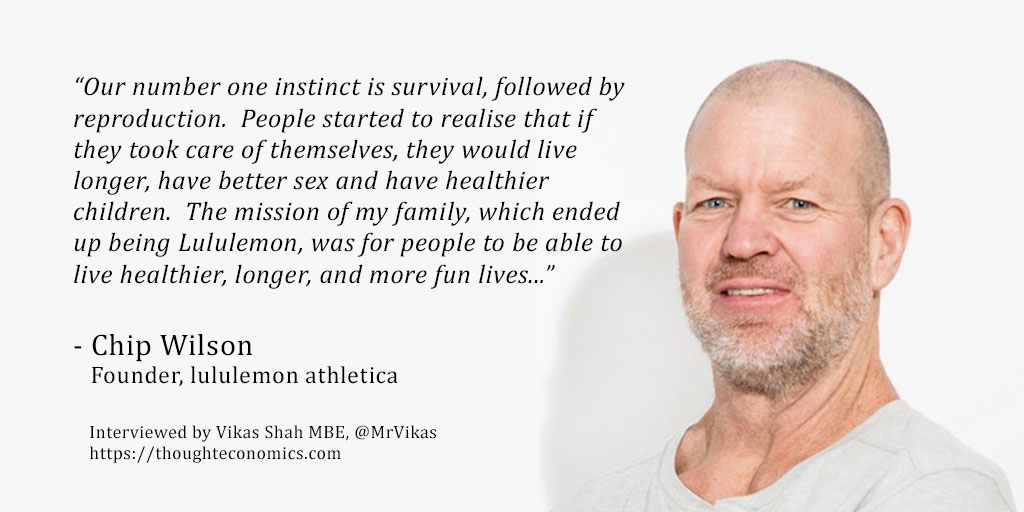
The Visionary Behind the Athleisure Empire
The inception of Lululemon can be traced back to the late 1990s, a period ripe for innovation in both fashion and wellness. Chip Wilson, an entrepreneur with a keen eye for untapped markets and a deep understanding of consumer behavior, identified a significant gap. His background, particularly in the surf and snowboard industry, had already honed his skills in crafting niche sportswear. However, it was his observation of the burgeoning women’s yoga movement that truly catalyzed the idea for Lululemon.
Chip Wilson’s Entrepreneurial Spirit
Dennis J. “Chip” Wilson’s entrepreneurial journey was marked by a series of ventures long before Lululemon. He founded Westbeach Sports in 1980, a company specializing in technical surf, skateboard, and snowboard apparel. This experience provided him with invaluable insights into manufacturing, design, marketing, and, critically, understanding the specific needs of active consumers. After selling Westbeach Sports in 1997, Wilson’s active lifestyle continued, leading him to yoga classes. It was in these classes that he first noticed the inadequacy of existing athletic wear. Women were participating in physically demanding activities like yoga in cotton garments that stretched, became transparent, and retained moisture—a clear functional deficiency that presented a monumental branding opportunity.
Wilson’s spirit was not just about identifying problems; it was about imagining holistic solutions. He envisioned a brand that wasn’t just selling clothes but embodying a lifestyle, a philosophy centered around health, mindfulness, and personal development. This foresight laid the groundwork for Lululemon to transcend mere apparel and become a cultural phenomenon, deeply intertwined with the aspirations of its target demographic. His approach was not to chase trends but to create them, by anticipating the future needs of an evolving consumer base.
Identifying a Market White Space
The late 1990s witnessed a quiet revolution in personal wellness, with yoga gaining significant traction beyond its traditional spiritual enclaves. Yet, the apparel market had largely ignored the specific requirements of this demographic. Traditional sportswear focused on high-impact activities like running or team sports, offering functional but often ill-fitting or unflattering options for studio workouts. Wilson recognized this “white space”—an unmet need for technically advanced, comfortable, and stylish athletic wear designed specifically for women in yoga and other low-impact fitness pursuits.
His vision extended beyond just functionality; it encompassed aesthetics and fit. Wilson believed that women wanted to feel good and look good while working out. This insight was revolutionary. He aimed to create garments that would flatter the female form, offer superior comfort through innovative fabrics, and withstand the rigors of frequent, intense activity. By focusing on a specific, underserved segment and truly understanding their wants and needs, Wilson effectively carved out a new category: athleisure, long before the term became mainstream. This strategic identification of a niche, coupled with a commitment to superior product development, became a cornerstone of Lululemon’s initial brand strategy and propelled its rapid ascent.
Forging a Distinct Brand Identity
From its very first store, Lululemon wasn’t just selling yoga pants; it was selling an experience, a community, and a philosophy. The brand’s identity was meticulously crafted, reflecting Chip Wilson’s vision of a holistic approach to well-being and active living. This deliberate construction of its corporate identity, extending from its product design to its retail environment, was instrumental in building its fiercely loyal customer base.
The Philosophy of Connection and Community
Lululemon’s brand strategy was never solely about the product; it was profoundly rooted in fostering connection and community. The first Lululemon store, which opened in Kitsilano, Vancouver, in 1998 (initially as a design studio by day and a yoga studio by night, before becoming a retail store in 2000), was conceived as more than just a retail space. It was a hub where like-minded individuals could gather, practice yoga, and discuss their wellness journeys. This community-centric approach built an emotional bond with consumers that extended far beyond transactional interactions.
The brand actively engaged with its local communities by offering free yoga classes, sponsoring local events, and collaborating with local fitness instructors and ambassadors. These “educators,” as Lululemon employees are known, were trained not just in sales but in the brand’s core philosophy—living a “sweatlife” and pursuing personal growth. They were genuine enthusiasts, embodying the lifestyle Lululemon promoted, thereby creating an authentic connection with customers. This grassroots marketing strategy, built on genuine engagement and shared values, allowed Lululemon to cultivate a cult-like following, transforming customers into brand advocates. The brand narrative was not just about performance wear, but about empowering individuals to live their best, most active lives, fostering a sense of belonging and aspiration.
Innovation in Fabric and Design
A cornerstone of Lululemon’s brand identity and competitive edge was its relentless focus on technical innovation in fabric and design. Chip Wilson’s experience with performance fabrics from Westbeach Sports heavily influenced this aspect. He understood that for athletic wear to truly enhance performance and comfort, it needed specialized materials. This led to the development and patenting of proprietary fabrics like Luon, a signature blend of nylon and Lycra designed to offer four-way stretch, moisture-wicking properties, and a soft, comfortable feel.
The design philosophy was equally meticulous. Lululemon garments were engineered for specific activities, with attention to seam placement, cut, and fit that flattered the body while allowing for maximum mobility. This commitment to both form and function set Lululemon apart from competitors who often prioritized one over the other. Every stitch, every panel, every fabric choice was a deliberate decision aimed at enhancing the user’s experience. This dedication to superior product quality and thoughtful design elevated Lululemon beyond basic activewear, positioning it as a premium brand where the investment was justified by unparalleled performance and aesthetic appeal. The product itself became a powerful brand statement, communicating quality, innovation, and a deep understanding of the athlete’s needs.
Crafting the In-Store Experience
The physical retail environment played a pivotal role in solidifying Lululemon’s brand identity. From the outset, Wilson envisioned stores that were inviting, aspirational, and reflective of the brand’s lifestyle ethos. Unlike traditional retail, which often emphasizes quick sales, Lululemon stores were designed as experiential spaces. The layout, lighting, music, and even the scent were all curated to create a specific atmosphere—one of calm, aspiration, and well-being.

The aforementioned “educators” were central to this experience. They weren’t just sales associates; they were lifestyle coaches, engaging customers in conversations about their fitness goals, offering personalized product recommendations, and embodying the brand’s values. This personalized, high-touch service fostered a sense of community and trust. Furthermore, the stores often hosted free yoga or fitness classes, transforming them into community hubs rather than just points of sale. This innovative retail strategy created a compelling brand touchpoint, where customers didn’t just buy products; they immersed themselves in the Lululemon lifestyle, solidifying their connection to the brand on an emotional level. The in-store experience was a powerful manifestation of the brand’s philosophy, creating memorable interactions that reinforced its unique value proposition.
Navigating Growth and Brand Evolution
Lululemon’s journey from a niche Vancouver brand to a global powerhouse was not without its challenges. Like any rapidly growing brand, it faced hurdles related to scaling operations, maintaining product quality, and adapting to leadership changes. However, its robust foundational brand strategy allowed it to navigate these complexities and continue its trajectory of growth and influence.
From Niche Appeal to Global Phenomenon
Lululemon’s initial success was built on its deep understanding of a specific niche: women practicing yoga. However, the brand’s strategic expansion involved broadening its appeal while staying true to its core identity. It diversified its product lines to include gear for running, training, and other activities, as well as men’s apparel. This expansion was carefully executed, ensuring that new products upheld the same standards of technical innovation, design, and quality that defined its original offerings.
The global expansion followed a similar strategic approach. Lululemon opened stores in key international markets, often replicating its community-centric model by connecting with local fitness communities and ambassadors. This organic growth, fueled by strong word-of-mouth and a consistent brand message, allowed Lululemon to transition from a niche Canadian brand to a recognizable global phenomenon. Its success demonstrated that a strong, authentic brand identity, coupled with strategic market expansion, can transcend geographical and demographic boundaries, turning a targeted appeal into mass market desirability.
Leadership Transitions and Brand Resilience
As Lululemon grew, it faced the inevitable challenge of evolving leadership. Chip Wilson transitioned from CEO in 2005, though he remained actively involved, eventually stepping down from the board in 2015. These transitions, especially involving a founder with such a strong personal brand, can be critical junctures for a company’s identity. Furthermore, the brand experienced several public relations challenges, including controversies surrounding product quality (e.g., sheer yoga pants) and some of Wilson’s outspoken comments.
However, Lululemon’s brand resilience proved strong. The underlying brand philosophy—of quality, community, and personal growth—had been so deeply ingrained into its corporate identity and culture that it was able to weather these storms. Subsequent leadership teams focused on reinforcing product innovation, supply chain integrity, and diversifying marketing strategies beyond just in-store community events to include digital engagement. This ability to adapt, learn from missteps, and reinforce its core brand values under new leadership underscored the robustness of the brand built by Wilson. It demonstrated that a powerful brand can evolve beyond its founder, maintaining its essence while adapting to new market realities.
Sustaining the Lululemon Legacy
The ongoing challenge for Lululemon, like any established brand, is to sustain its legacy while remaining relevant in a dynamic market. The brand continues to invest heavily in research and development for new fabrics and designs, ensuring it stays at the forefront of technical apparel. It has also expanded into new categories, such as self-care products and interactive fitness (e.g., the acquisition of MIRROR), signaling a continued commitment to its holistic wellness philosophy.
Maintaining its community-driven marketing and experiential retail remains crucial. Lululemon actively seeks new ways to engage its customer base, fostering loyalty and attracting new demographics. The brand’s emphasis on sustainability and ethical sourcing has also become a more prominent part of its narrative, aligning with evolving consumer values. By consistently innovating, adapting, and reinforcing its core brand pillars, Lululemon continues to build upon the legacy initiated by Chip Wilson, ensuring its continued relevance and leadership in the athleisure market.
Lululemon’s Enduring Brand Power
Lululemon’s journey from a singular vision to a global lifestyle brand is a powerful testament to strategic brand building. It illustrates how a deep understanding of consumer needs, coupled with an unwavering commitment to product excellence and community engagement, can create a brand that resonates deeply and endures over time.
The Strategic Pillars of a Lifestyle Brand
Lululemon’s enduring brand power can be attributed to several strategic pillars established from its founding:
- Product Innovation and Quality: A relentless focus on proprietary, high-performance fabrics and thoughtful design that addresses specific athletic needs. This commitment builds trust and justifies premium pricing.
- Community Building: Creating a sense of belonging and shared purpose through in-store events, brand ambassadors, and local initiatives. This fosters deep customer loyalty and turns consumers into advocates.
- Experiential Retail: Transforming retail spaces into immersive brand experiences that go beyond mere transactions, reinforcing the brand’s lifestyle philosophy.
- Aspirational Lifestyle: Marketing not just products, but a holistic lifestyle centered on wellness, mindfulness, and personal development. This helps customers connect with the brand on an emotional, rather than just functional, level.
- Brand Storytelling: Crafting a compelling narrative around its origins, values, and mission that resonates with its target audience.
These pillars, meticulously laid down by Chip Wilson and continuously reinforced by subsequent leadership, allowed Lululemon to transcend being just another apparel company. It became a lifestyle enabler, a symbol of aspiration, and a community hub, solidifying its position as a powerhouse lifestyle brand.
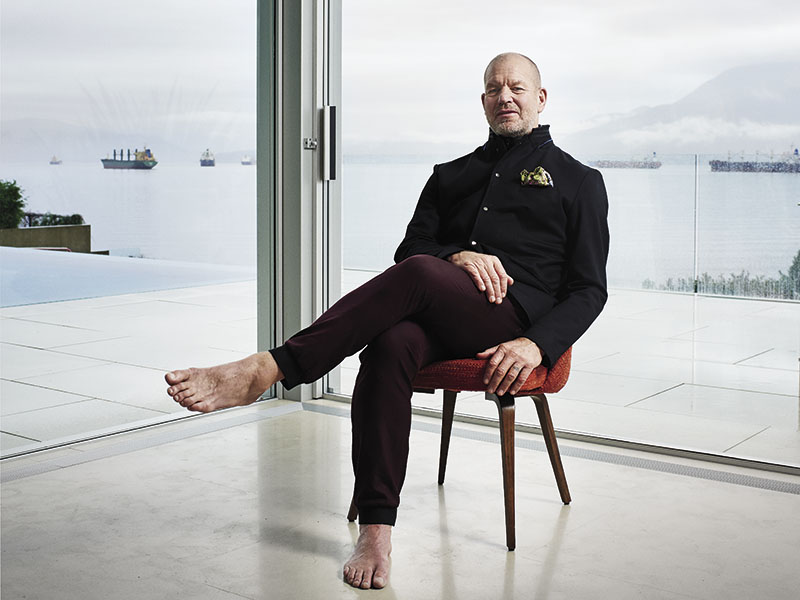
Lessons in Brand Building and Adaptation
The story of Lululemon offers invaluable lessons for brand strategists and entrepreneurs. Firstly, identifying an underserved market and committing to superior product development for that niche can create a strong competitive advantage. Secondly, building a brand around a compelling philosophy and fostering a sense of community can create an emotional connection far more powerful than traditional marketing. Thirdly, consistency in brand messaging and experience across all touchpoints is paramount for maintaining brand integrity. Finally, the ability to adapt to market changes, overcome challenges, and evolve leadership while staying true to core values is crucial for long-term brand resilience.
Chip Wilson founded Lululemon with a bold vision to address an unmet need in the market. More importantly, he built a brand that was not just about clothes, but about empowering individuals to live a fulfilling, active life. His legacy is not just in the creation of a successful company, but in crafting a brand identity so strong and resilient that it continues to shape the athleisure industry and inspire millions worldwide.
aViewFromTheCave is a participant in the Amazon Services LLC Associates Program, an affiliate advertising program designed to provide a means for sites to earn advertising fees by advertising and linking to Amazon.com. Amazon, the Amazon logo, AmazonSupply, and the AmazonSupply logo are trademarks of Amazon.com, Inc. or its affiliates. As an Amazon Associate we earn affiliate commissions from qualifying purchases.