
Lululemon Athletica Inc. (NASDAQ: LULU) transcends the typical definition of an apparel company. More than just a retailer of yoga pants and athletic wear, Lululemon has masterfully crafted itself into a global lifestyle brand, synonymous with wellness, performance, and a distinctive sense of community. To truly understand “what’s Lululemon,” one must delve into the intricate tapestry of its brand strategy, corporate identity, marketing ingenuity, and the aspirational lifestyle it so effectively cultivates. This article will explore the foundational elements that have elevated Lululemon from a niche yoga wear purveyor to an enduring powerhouse in the athleisure market, examining its core brand tenets, innovative strategies, and the lessons it offers in modern branding.
The Genesis of a Lifestyle Icon: Foundation and Vision
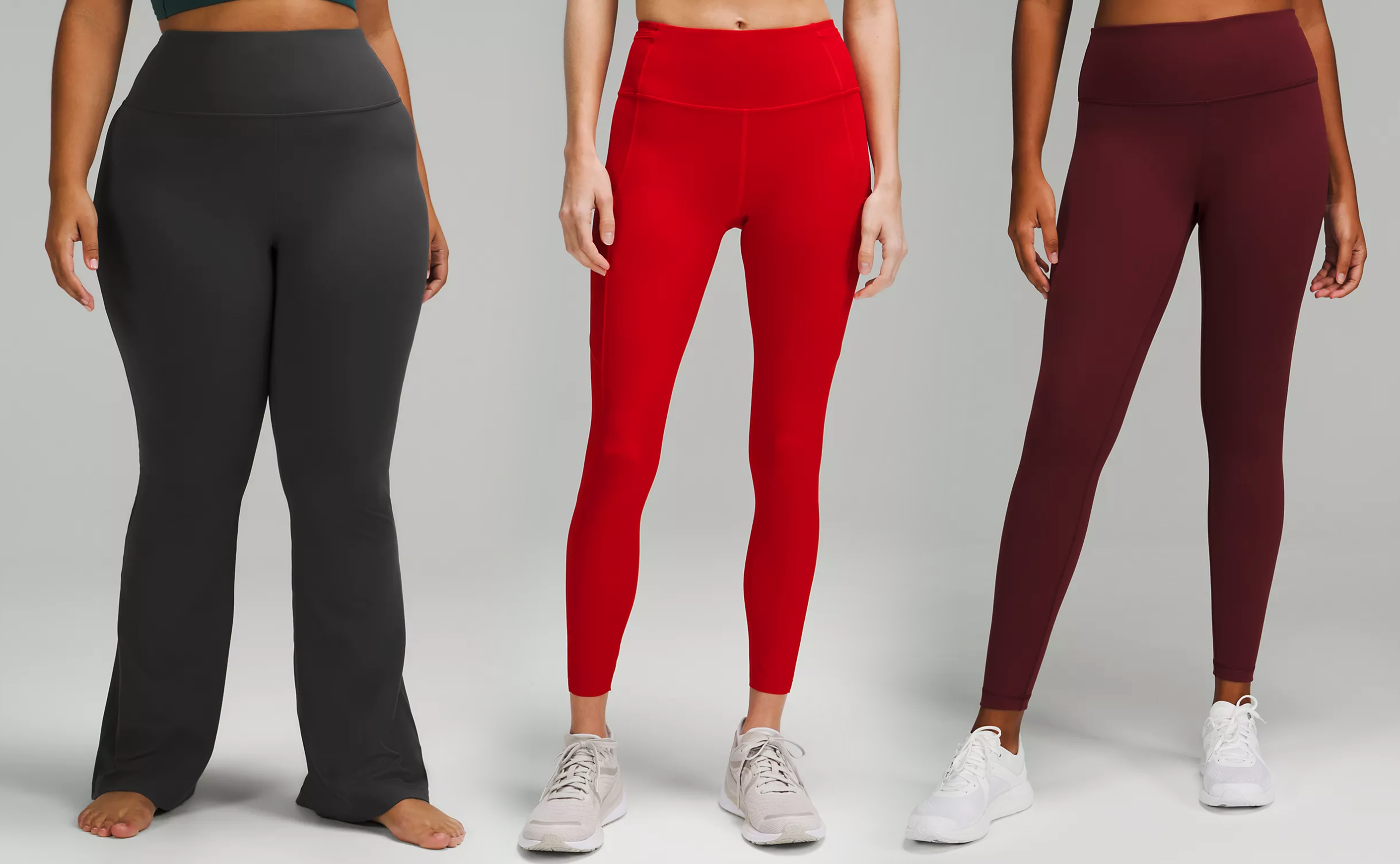
Lululemon’s journey began not just with clothing, but with a deeply embedded philosophy centered around well-being and personal growth. Founded by Chip Wilson in Vancouver, Canada, in 1998, the company initially focused on providing high-quality athletic apparel for yoga practitioners. This early focus laid the groundwork for a brand that would prioritize function, comfort, and an aesthetic that resonated deeply with its target demographic.
From Yoga Wear to Global Presence: A Strategic Expansion
The initial success of Lululemon was rooted in its ability to identify and cater to an underserved market: women seeking premium, comfortable, and stylish athletic wear that performed well during their workouts. Unlike traditional sportswear brands that often focused on competitive sports, Lululemon embraced the burgeoning wellness movement, positioning itself at the intersection of fashion and functionality. This strategic differentiation allowed it to carve out a unique niche.
As the brand grew, its product offerings expanded beyond yoga to encompass activewear for running, training, and general active lifestyles, eventually introducing men’s lines and accessories. This expansion was not merely about adding more products; it was about extending the “Lululemon experience” to a broader audience while maintaining its core identity. The careful curation of its product line ensured that every item reinforced the brand’s commitment to quality, innovative design, and performance, reinforcing its premium positioning.
The “Sweatlife” Philosophy: More Than Just Apparel
Central to Lululemon’s brand identity is its “Sweatlife” philosophy. This concept extends beyond physical activity to encompass a holistic approach to living well, encouraging customers to pursue personal growth, mindfulness, and a balanced lifestyle. The “Sweatlife” isn’t just about wearing Lululemon gear; it’s about embodying the values the brand promotes: health, community, personal development, and continuous self-improvement.
This philosophy is meticulously woven into every aspect of the brand, from its marketing campaigns to its retail store design and community events. By promoting a lifestyle rather than just products, Lululemon forged a powerful emotional connection with its customers. It became aspirational, representing not just what people wear, but who they aspire to be. This deep alignment between product, philosophy, and customer values is a cornerstone of its enduring brand loyalty.
Cultivating Community: The Core of Lululemon’s Brand Strategy
One of Lululemon’s most significant brand achievements lies in its unparalleled ability to foster a strong, engaged community around its brand. This community-centric approach is not a mere marketing tactic; it is an intrinsic part of its corporate identity and a driving force behind its success.
Experiential Retail and Store Design: A Hub for Connection
Lululemon’s retail stores are not just points of sale; they are carefully designed experiential hubs where the brand’s philosophy comes to life. Each store is designed to feel welcoming, spacious, and imbued with a sense of calm and well-being. Beyond showcasing products, many locations host free in-store yoga classes, meditation sessions, and fitness events, transforming them into community centers where customers can connect, learn, and experience the “Sweatlife” firsthand.
The store design itself reflects the brand’s aesthetic: clean lines, natural materials, and an emphasis on light and space. Knowledgeable educators (sales associates) are trained not just on products but also on the Lululemon philosophy, equipped to offer personalized advice and foster genuine relationships with customers. This high-touch, immersive retail experience differentiates Lululemon from competitors and reinforces its premium positioning.
Ambassador Programs and Local Engagement: Authentic Advocacy
A critical component of Lululemon’s community strategy is its robust ambassador program. Rather than relying solely on celebrity endorsements, Lululemon partners with local yoga instructors, fitness trainers, and athletes who genuinely embody the “Sweatlife” and are respected within their local communities. These ambassadors receive product, training, and support, and in return, they organically promote the brand through their classes, events, and personal networks.
This grassroots approach creates authentic advocacy, building trust and credibility far more effectively than traditional advertising. It allows Lululemon to connect directly with micro-communities, understanding their unique needs and preferences, and making the brand feel personal and accessible. The ambassadors serve as living testimonials, demonstrating the product’s quality and performance in real-world scenarios, reinforcing the brand’s commitment to active living.
Digital Community Building: Extending the Connection Online
In the digital age, Lululemon has successfully extended its community-building efforts online. Through engaging social media content, online fitness challenges, and platforms that share wellness tips and inspirational stories, the brand keeps its community connected beyond the physical stores. Its digital presence is not just about showcasing products; it’s about sharing content that aligns with its “Sweatlife” philosophy, offering value, and fostering interaction.
The acquisition of MIRROR, a connected fitness company, further illustrates Lululemon’s commitment to digital community and integrated wellness solutions. By bringing fitness classes and personalized training into customers’ homes, Lululemon expanded its ecosystem, offering new ways for its community to engage with the brand and its philosophy, cementing its position as a comprehensive wellness partner, not just an apparel provider.
The Premium Experience: Product, Design, and Retail Identity
Lululemon’s success as a brand is inextricably linked to its unwavering commitment to delivering a premium experience. This encompasses everything from the innovative design and quality of its products to its distinctive corporate identity and aspirational marketing.
Product Innovation and Quality Perception: The Engineering of Comfort
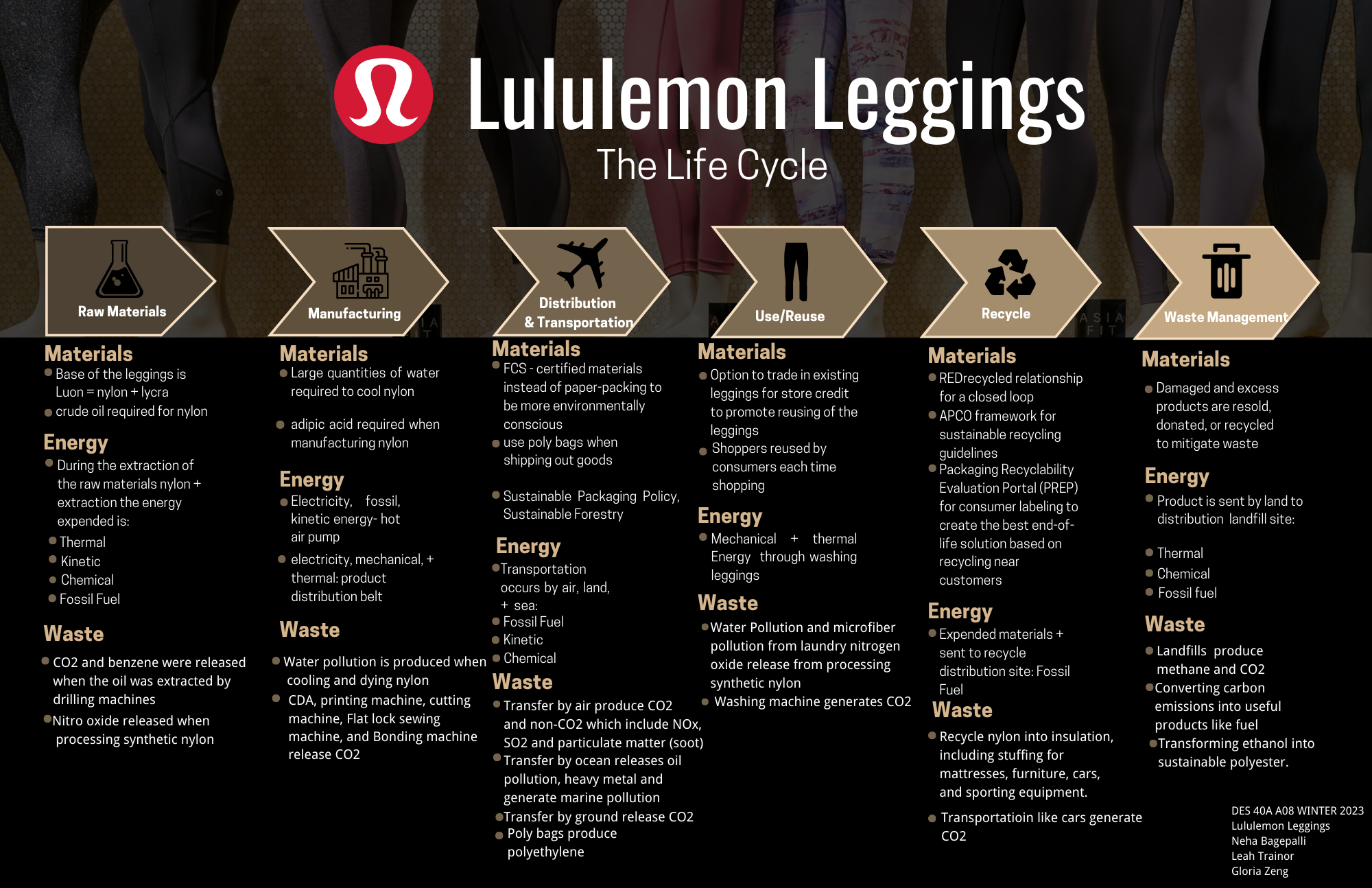
At the heart of Lululemon’s premium brand identity is its focus on product innovation and perceived quality. The brand invests heavily in research and development to create proprietary fabrics, such as Luon, Nulu, and Everlux, each engineered for specific performance attributes like stretch, breathability, and moisture-wicking. This dedication to material science and garment construction results in products that offer superior comfort, durability, and performance, justifying their higher price point.
Customers perceive Lululemon products as an investment in their active lifestyle. The meticulous attention to detail, from flatlock seams that prevent chafing to thoughtful pocket placements, reinforces the idea that every product is designed with the user’s experience in mind. This commitment to functional excellence forms a strong foundation for its premium brand image.
Distinctive Aesthetic and Corporate Identity: Visual and Experiential Cohesion
Lululemon’s corporate identity is characterized by a clean, minimalist aesthetic that evokes serenity and sophistication. Its logo, a stylized ‘A’ that some interpret as an ‘omega’ symbol (often associated with balance and harmony), is simple yet recognizable. The brand’s color palette often features muted tones alongside vibrant accents, reflecting a blend of calm and energy.
This aesthetic consistency extends to its product design, marketing materials, and store environments, creating a cohesive and immediately recognizable brand presence. The visual language communicates premium quality, contemporary style, and a sense of effortlessness. This strong corporate identity helps Lululemon stand out in a crowded market and reinforces its aspirational appeal. It’s not just about selling clothes; it’s about selling an identifiable look and feel.
The Power of Aspiration: Selling a Lifestyle, Not Just a Product
Lululemon has masterfully tapped into the power of aspiration. Its branding doesn’t merely advertise athletic wear; it champions a desired lifestyle—one of health, mindfulness, community, and personal achievement. By associating its products with an idealized version of well-being, Lululemon motivates consumers to buy into the brand as a means of achieving that lifestyle.
This aspirational marketing is subtle yet pervasive. It’s seen in the imagery featuring individuals engaged in dynamic activities in beautiful, serene settings; in the language used that speaks of “living your best life” and “manifesting your goals”; and in the very sense of belonging cultivated within its community. Customers are not just purchasing a pair of leggings; they are buying a piece of the “Sweatlife”—a tangible connection to a community and a philosophy that inspires them to be better.
Navigating Growth and Evolution: Brand Resilience and Adaptation
Even the strongest brands face challenges and must adapt to stay relevant. Lululemon’s journey has been marked by both rapid growth and periods requiring significant brand management and strategic evolution.
Addressing Brand Challenges and Missteps: Learning and Rebuilding Trust
Lululemon has, at times, faced public scrutiny and brand challenges, from product quality issues (e.g., sheer yoga pants) to controversial statements by its founder. Each instance presented a test of its brand resilience. In response, the company has often demonstrated a commitment to learning from its mistakes, implementing stricter quality controls, and evolving its leadership and communication strategies.
These challenges, while difficult, have provided opportunities for the brand to demonstrate its ability to listen to customer feedback, take accountability, and make necessary adjustments. This iterative process of learning and adapting has been crucial in maintaining customer trust and reinforcing its long-term brand equity.
Diversification and New Market Penetration: Expanding the Brand Horizon
To sustain growth and avoid market saturation, Lululemon has strategically diversified its offerings and explored new market segments. The expansion into men’s apparel, which has seen significant success, demonstrated the brand’s ability to broaden its appeal beyond its initial female-centric base while maintaining its core brand values.
More recently, the acquisition of MIRROR and the introduction of its own line of self-care products (skin care, deodorant) signal a conscious effort to move beyond apparel into a broader wellness ecosystem. These ventures allow Lululemon to serve its community in new ways, deepen its relationship with customers, and capture a larger share of the health and wellness market, showcasing its brand’s adaptability and forward-thinking strategy.
Sustaining Authenticity Amidst Scale: The Perpetual Balancing Act
As Lululemon continues to scale globally, a critical branding challenge is maintaining its authentic, community-driven identity. Large corporations often struggle to preserve the personal touch and grassroots feel that defined their early success. Lululemon addresses this by empowering local store teams, continuing its ambassador programs, and investing in localized community events, ensuring that its global presence doesn’t dilute its local connections.
The brand’s continued emphasis on its “Sweatlife” philosophy and its commitment to quality and innovation help to anchor its authenticity, ensuring that even as it grows, the core values that resonate with its customers remain intact. This balancing act of global scale and local relevance is a testament to its sophisticated brand management.
Lululemon as a Case Study: Lessons in Modern Branding
Lululemon stands as a compelling case study in how to build a powerful, enduring brand in the 21st century. Its journey offers invaluable insights for any organization seeking to forge deep connections with its audience and cultivate fierce loyalty.
Building Brand Loyalty in a Saturated Market: Beyond the Product
Lululemon’s enduring success in a highly competitive and saturated apparel market highlights a crucial branding lesson: loyalty is built not just on products, but on experiences, values, and community. By positioning itself as a partner in its customers’ wellness journeys, rather than just a seller of clothes, Lululemon created a profound emotional bond. Its customers are loyal not merely to a brand, but to a lifestyle and a community they feel a part of. This strategy elevates the brand above mere transactional relationships.
The Art of Premium Pricing: Justifying Value Through Brand Equity
One of the most striking aspects of Lululemon’s brand is its ability to command premium prices in a market often driven by discounting. This is a direct outcome of its strong brand equity, built on perceived quality, innovative design, superior customer experience, and the aspirational lifestyle it represents. Customers are willing to pay a premium because they believe they are investing in high-quality products that perform well, last long, and contribute to their desired identity. Lululemon effectively communicates value beyond cost, making its premium pricing a reflection of its brand’s perceived excellence.
The Future of Experiential Branding: Lululemon’s Enduring Influence
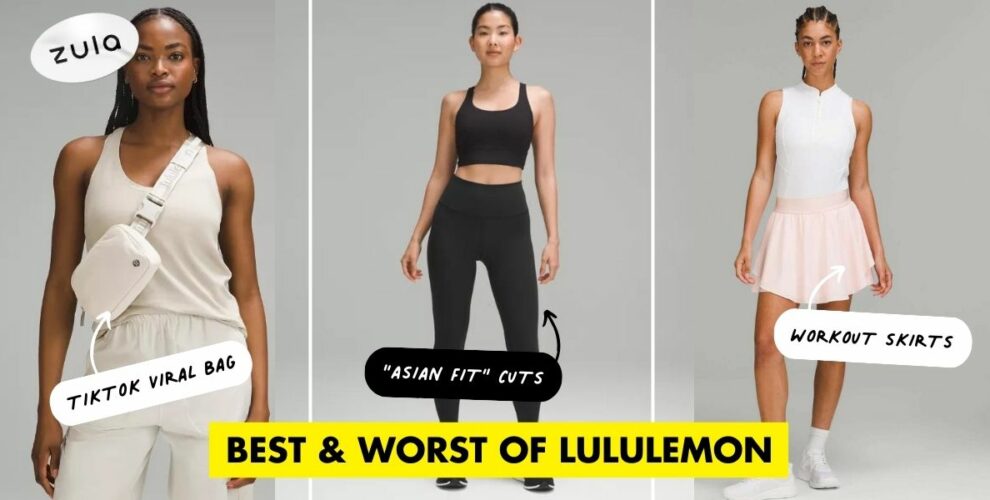
Lululemon’s pioneering approach to experiential retail and community building has set a benchmark for modern branding. Its model demonstrates that in an increasingly digital world, physical spaces and authentic human connections remain vital. The brand continues to innovate by integrating digital platforms (like MIRROR) with its physical experiences, pointing towards a future where brands offer seamless, holistic wellness solutions. Lululemon’s influence extends beyond athleisure, serving as a blueprint for how brands across various industries can cultivate deep engagement and foster genuine loyalty through a blend of aspirational vision, authentic community, and unparalleled customer experience.
In essence, “what’s Lululemon?” is the story of a brand that understood the power of purpose, community, and experience. It built an empire not just on fabric and stitches, but on aspiration, connection, and the relentless pursuit of a “Sweatlife” that resonates with millions worldwide.
aViewFromTheCave is a participant in the Amazon Services LLC Associates Program, an affiliate advertising program designed to provide a means for sites to earn advertising fees by advertising and linking to Amazon.com. Amazon, the Amazon logo, AmazonSupply, and the AmazonSupply logo are trademarks of Amazon.com, Inc. or its affiliates. As an Amazon Associate we earn affiliate commissions from qualifying purchases.