
For many individuals, a car represents one of the most significant assets they own, second only to a home. Beyond its utility as a mode of transportation, a vehicle holds tangible financial value that can fluctuate dramatically based on a myriad of factors. Understanding “what is the price of my car” is not merely an exercise in curiosity; it’s a crucial component of sound personal finance, impacting decisions ranging from budgeting and insurance to strategic selling, trading, or even estate planning. In an economic landscape where every dollar counts, accurately assessing your vehicle’s worth is an empowering step towards optimizing your financial portfolio and making informed choices. This comprehensive guide delves into the financial intricacies of car valuation, equipping you with the knowledge and tools to confidently determine and leverage your vehicle’s true market price.

Why Understanding Your Car’s Value Matters for Your Finances
Knowing the accurate financial worth of your car extends far beyond a simple transaction; it’s a cornerstone of effective financial management. From safeguarding your assets to optimizing future investments, the implications are broad and significant.
Strategic Selling and Trading Decisions
The most immediate and obvious reason to know your car’s price is when you’re contemplating selling it privately or trading it in for a new vehicle. A precise valuation empowers you to set a competitive asking price, negotiate effectively with potential buyers or dealerships, and avoid leaving money on the table. Without this knowledge, you risk underpricing your asset, resulting in a direct financial loss, or overpricing it, which can deter legitimate buyers and prolong the sales process. For trade-ins, understanding the market value allows you to critically assess dealership offers, ensuring you receive a fair deal that reflects your car’s true worth, rather than simply accepting the first number presented. This strategic insight can translate into thousands of dollars in your pocket or a more favorable financing deal on your next purchase.
Insurance and Financial Planning Implications
Your car’s value plays a pivotal role in its insurance coverage. In the event of an accident, theft, or total loss, the payout you receive from your insurance company is directly tied to the agreed or assessed market value of your vehicle. Overvaluing your car could lead to paying higher premiums than necessary, while undervaluing it could result in an insufficient payout to replace your vehicle should disaster strike. Regular valuation checks ensure your insurance policy accurately reflects your car’s current worth, optimizing your premium-to-payout ratio. Furthermore, for broader financial planning, your car’s value contributes to your overall net worth calculation, influencing loan applications, creditworthiness assessments, and long-term asset management strategies. It also helps you understand the depreciation curve of your asset, which is vital for budgeting for future car purchases or understanding your current financial leverage.
Asset Management and Depreciation Monitoring
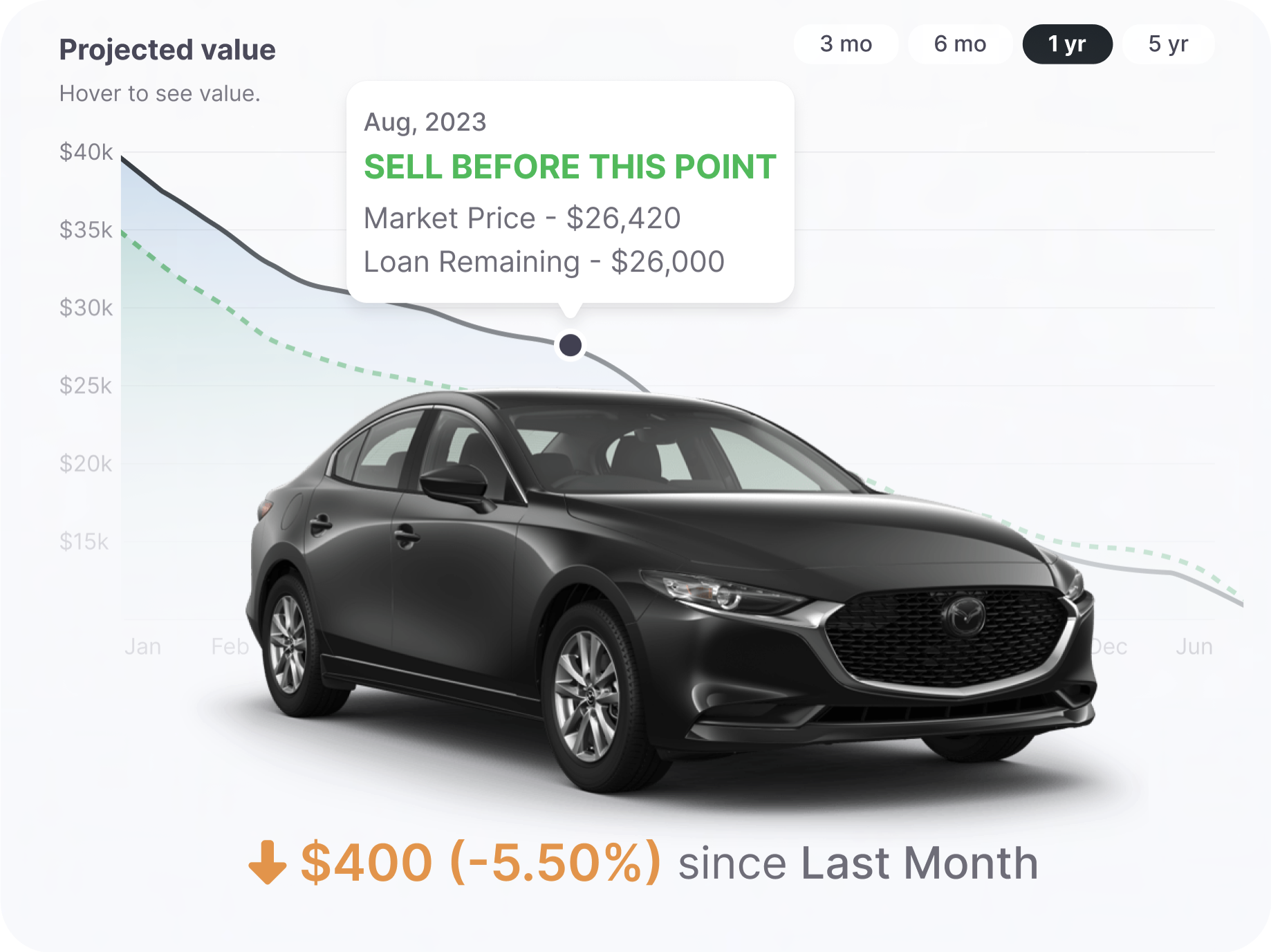
Every car is a depreciating asset, losing value from the moment it leaves the dealership lot. While this is an unavoidable financial reality, understanding its current value allows you to effectively monitor this depreciation. By tracking how your car’s value changes over time, you can identify optimal times to sell before its value plummets further, or make informed decisions about whether to invest in significant repairs versus replacing the vehicle entirely. This financial foresight enables proactive asset management, preventing you from holding onto a rapidly devaluing asset for too long or sinking excessive money into repairs that exceed the car’s market worth. It also feeds into a broader understanding of consumer behavior and market trends, allowing you to make smarter financial choices with future vehicle acquisitions.
Key Financial Factors Influencing Your Car’s Price
The price of your car is not a static number; it’s a dynamic figure shaped by a complex interplay of internal characteristics and external market forces. Understanding these financial levers is critical to accurately assessing its worth.
Core Vehicle Specifications and Trim Level
At the heart of any car valuation are its fundamental specifications: the make, model, year, and specific trim level. A luxury brand like Mercedes-Benz will naturally command a higher price than a more economical brand like Kia, even for similar body types. Newer models generally fetch higher prices due to less wear and tear, updated technology, and longer expected lifespans. The trim level is equally crucial; a fully loaded model with premium features (leather seats, panoramic sunroof, advanced safety systems) will be valued significantly higher than a base model of the same make and year, reflecting the original higher purchase price and added utility/luxury. These core attributes establish the baseline financial value from which all other factors deviate.
Mileage, Mechanical Condition, and Maintenance History
Perhaps the most significant indicators of a car’s condition and expected longevity are its mileage and mechanical health. Lower mileage generally correlates with higher value, as it suggests less wear and tear on critical components. However, mileage alone isn’t enough; the car’s mechanical condition is paramount. A car with low mileage but significant engine issues will be worth less than a higher-mileage car that has been meticulously maintained. A comprehensive, verifiable service history, detailing regular maintenance, oil changes, and any repairs, provides buyers and appraisers with confidence in the vehicle’s reliability, thereby supporting a higher valuation. Conversely, a lack of service records or evidence of deferred maintenance can significantly depress the price, as it signals potential future financial outlays for the buyer.
Aesthetic Appeal, Optional Features, and Clean Title Status
While mechanical integrity is foundational, a car’s aesthetic appeal plays a significant role in its perceived value and salability. A clean, well-maintained exterior free of major dents, scratches, or rust, coupled with a spotless interior free of rips, stains, or persistent odors, makes a strong first impression and suggests careful ownership. Beyond the standard features for a given trim, factory-installed optional extras like navigation systems, upgraded sound systems, or specific wheel packages can add incremental value. Aftermarket modifications, however, can be a double-edged sword: some might enhance value for specific buyers (e.g., performance upgrades), while others might detract from it (e.g., highly personalized cosmetic changes). Finally, a clean title (meaning no salvage, flood, or accident history) is non-negotiable for maximizing value. Any title brand will severely impact the car’s market price due to inherent risks and difficulty in obtaining financing or insurance.
Geographic Location and Current Market Demand
External economic forces and regional preferences can significantly sway your car’s price. Certain models might be more sought after in specific geographic areas due to climate (e.g., SUVs in snowy regions, convertibles in sunny areas) or local regulations. Furthermore, the overall market demand for used cars, influenced by new car supply, interest rates, fuel prices, and broader economic conditions, plays a crucial role. A tight supply of new cars can drive up used car prices, while a glut can depress them. Understanding these regional and macro-economic factors is vital for timing your sale to capitalize on peak demand and secure the best possible financial return.
Reliable Financial Methods for Valuing Your Car
Accurately determining your car’s price requires tapping into reliable data and professional insights. Fortunately, several established methods and tools can provide robust financial valuations.
Leveraging Online Valuation Tools and Data Aggregators
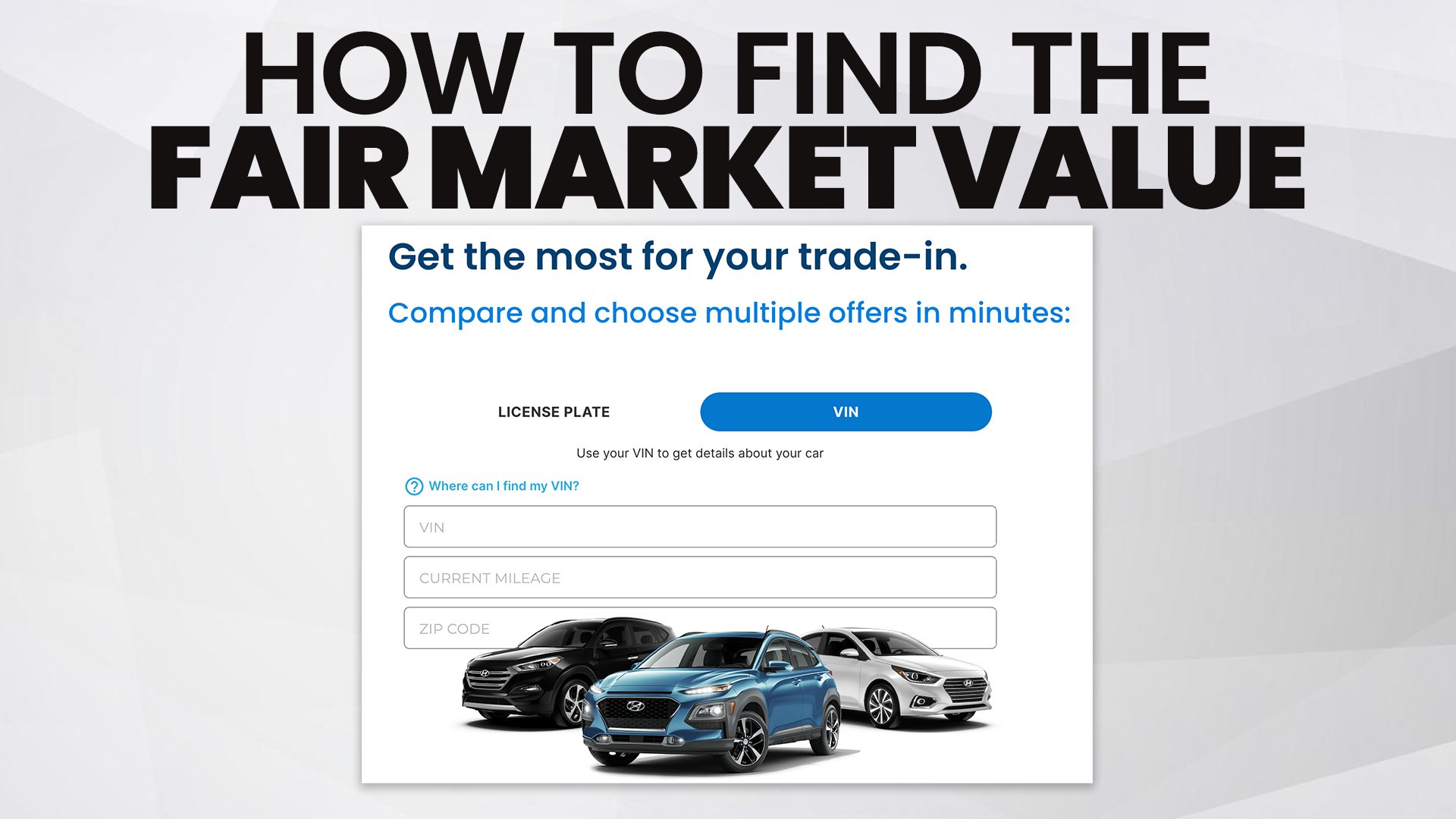
The digital age has revolutionized car valuation, offering immediate access to comprehensive data. Websites like Kelley Blue Book (KBB.com), Edmunds.com, and NADAguides (now J.D. Power Valuation Services) are industry standards. They aggregate vast amounts of transactional data, factoring in your car’s specific make, model, year, mileage, condition, and optional features, to provide estimated trade-in, private party, and retail values. These tools use sophisticated algorithms to reflect current market trends and regional variations, offering a strong baseline for your financial expectations. While estimates, they are invaluable for initial research and setting realistic price expectations.
Dealer Appraisals and Trade-in Offers
Visiting multiple dealerships for an appraisal or trade-in offer is a practical way to gauge your car’s wholesale value. Dealers are constantly buying and selling vehicles, giving them an intimate understanding of the current market. They will inspect your car, often taking into account its reconditioning costs, and provide an offer. While trade-in offers are typically lower than private party sales (due to the dealer’s need for profit margin and overhead), they offer convenience and an immediate sale. Collecting multiple offers provides a range and helps you understand the lowest justifiable financial value for your vehicle, especially if time is a critical factor in your selling decision.
Professional Inspections and Independent Appraisals
For a truly objective and detailed financial assessment, particularly for high-value, classic, or unique vehicles, a professional independent appraisal is advisable. Certified appraisers conduct thorough inspections, review market data, and provide a legally recognized document detailing your car’s worth. Similarly, a pre-purchase inspection from an independent mechanic can serve a dual purpose: it identifies any underlying mechanical issues that might impact value and provides a neutral assessment of the car’s condition, which can be presented to potential buyers to justify your asking price. These professional opinions carry significant weight and can be instrumental in complex sales, insurance claims, or legal disputes, providing a financially defensible valuation.
Comparative Market Analysis (CMA)
Beyond algorithmic tools, a hands-on comparative market analysis (CMA) provides a real-world financial snapshot. This involves actively searching online marketplaces (e.g., AutoTrader, Craigslist, Facebook Marketplace, local dealer websites) for vehicles identical or very similar to yours that are currently for sale in your area. Pay close attention to their asking prices, mileage, condition, and how long they’ve been listed. This research helps you understand what actual buyers are willing to pay and what your competition looks like. It’s a crucial step to fine-tune your price strategy, allowing you to position your car competitively within the existing market and ensure your financial expectations align with current demand.
Maximizing Your Car’s Resale Value: A Financial Strategy
While depreciation is inevitable, savvy financial management and strategic preparation can significantly enhance your car’s resale value, putting more money in your pocket when it’s time to sell.
Proactive Maintenance and Comprehensive Service Records
The most impactful long-term strategy for preserving value is diligent maintenance. Sticking to the manufacturer’s recommended service schedule, addressing minor issues promptly, and using quality parts and fluids ensures your vehicle remains in optimal mechanical condition. Crucially, keep meticulous records of all maintenance and repairs. A complete service history demonstrates responsible ownership and provides tangible proof of the car’s health, offering immense peace of mind to potential buyers and justifying a higher asking price. This financial discipline early on pays dividends at the point of sale.
Detailing, Minor Repairs, and Presenting Value
Before listing your car, invest time and a modest amount of money in enhancing its aesthetic appeal. A professional detail can transform a tired-looking interior and exterior, removing years of accumulated grime, odors, and surface imperfections. Address any minor cosmetic issues like small dents, scratches, or chipped paint. Replace worn floor mats, fix any burnt-out bulbs, and ensure all features are fully functional. The goal is to present a vehicle that looks and feels well-cared for, signaling to buyers that it’s a worthwhile financial investment. A clean, presentable car is perceived as more valuable and can command a premium, often recouping the cost of detailing and minor repairs manifold.
Strategic Timing for Sale and Understanding Economic Cycles
The timing of your car sale can have a notable financial impact. Selling during periods of high demand (e.g., spring for convertibles, fall for SUVs) or when new car inventory is low can lead to better prices. Be aware of economic cycles; a strong economy with high consumer confidence might yield better prices than a downturn. Additionally, consider your car’s natural depreciation curve. Selling before major mileage milestones (e.g., 50,000 or 100,000 miles) or before it reaches a certain age (e.g., 5-7 years) can help retain more of its value, as these thresholds often trigger significant drops in perceived worth. A financially astute seller will monitor these trends and plan their sale accordingly.
Navigating the Car Market: A Financial Perspective
Selling or buying a car is fundamentally a financial transaction influenced by broader economic forces and the art of negotiation. Approaching it with a clear financial mindset is essential.
Understanding Supply and Demand Dynamics
The basic economic principles of supply and demand heavily dictate car prices. If there’s a high demand for a specific model but limited supply, prices will naturally rise. Conversely, an oversupply of a particular model will drive prices down. Factors like fuel prices (affecting demand for gas-guzzlers versus fuel-efficient cars), manufacturing disruptions, and consumer preferences all play into these dynamics. Staying informed about these market forces allows you to identify windows of opportunity where your car’s value might be temporarily elevated or when you might need to adjust your price expectations to align with current realities.
The Impact of Economic Trends on Valuation
Broader economic trends—such as interest rates, inflation, and consumer confidence—have a ripple effect on the automotive market. High interest rates, for instance, can make new car loans more expensive, pushing more buyers towards the used car market and potentially increasing demand (and prices) for pre-owned vehicles. Inflation can also drive up the cost of new cars, making used cars a more attractive, budget-friendly option. Understanding these macroeconomic indicators provides a financial lens through which to view your car’s valuation, helping you anticipate market shifts and price your vehicle strategically for the current economic climate.
Beyond the Sticker Price: Financial Negotiation Tactics
The listed price of a car is rarely the final financial figure. Negotiation is an intrinsic part of the car-selling and buying process. As a seller, be prepared to justify your asking price with evidence of your car’s condition, maintenance history, and market comparisons. Be firm but flexible, knowing your lowest acceptable price (your financial walk-away point). As a buyer, research comparable sales, identify any areas for concern (e.g., minor repairs needed), and use these as leverage for negotiation. Focus on the total cost, not just the monthly payment, and be wary of add-ons that inflate the final price without proportional value. Effective negotiation is a skill that directly translates into financial savings or increased profit.
In conclusion, determining “what is the price of my car” is a multifaceted financial inquiry that requires careful consideration of vehicle specifics, market dynamics, and strategic planning. By understanding the core factors that influence value, utilizing reliable appraisal methods, and adopting proactive strategies to maintain and enhance your vehicle’s worth, you can confidently navigate the automotive market. This financial acumen not only ensures you get the most out of your automotive asset but also empowers you to make smarter, more informed decisions across your entire personal finance landscape.
aViewFromTheCave is a participant in the Amazon Services LLC Associates Program, an affiliate advertising program designed to provide a means for sites to earn advertising fees by advertising and linking to Amazon.com. Amazon, the Amazon logo, AmazonSupply, and the AmazonSupply logo are trademarks of Amazon.com, Inc. or its affiliates. As an Amazon Associate we earn affiliate commissions from qualifying purchases.