
The Chrysler 300 has long stood as a distinctive contender in the full-size sedan market, known for its bold styling, robust engine options, and comfortable interior. For prospective buyers, however, the initial allure often gives way to a fundamental question: “How much does a Chrysler 300 truly cost?” This seemingly simple query opens up a multifaceted exploration into not just the purchase price, but the entire financial ecosystem of vehicle ownership. Understanding the various monetary implications, from upfront investment to long-term operational expenses and depreciation, is crucial for making an informed financial decision. This article delves deep into the economic realities of acquiring and owning a Chrysler 300, providing a comprehensive financial perspective for anyone considering this iconic American sedan.
The Initial Investment: Understanding Chrysler 300 Purchase Prices
The journey to owning a Chrysler 300 begins with its acquisition cost, which can vary significantly depending on whether you opt for a new, used, or certified pre-owned model. Each avenue presents its own financial advantages and considerations, impacting your budget immediately and shaping your long-term financial commitment.
New Chrysler 300 Pricing: MSRP and Dealership Factors
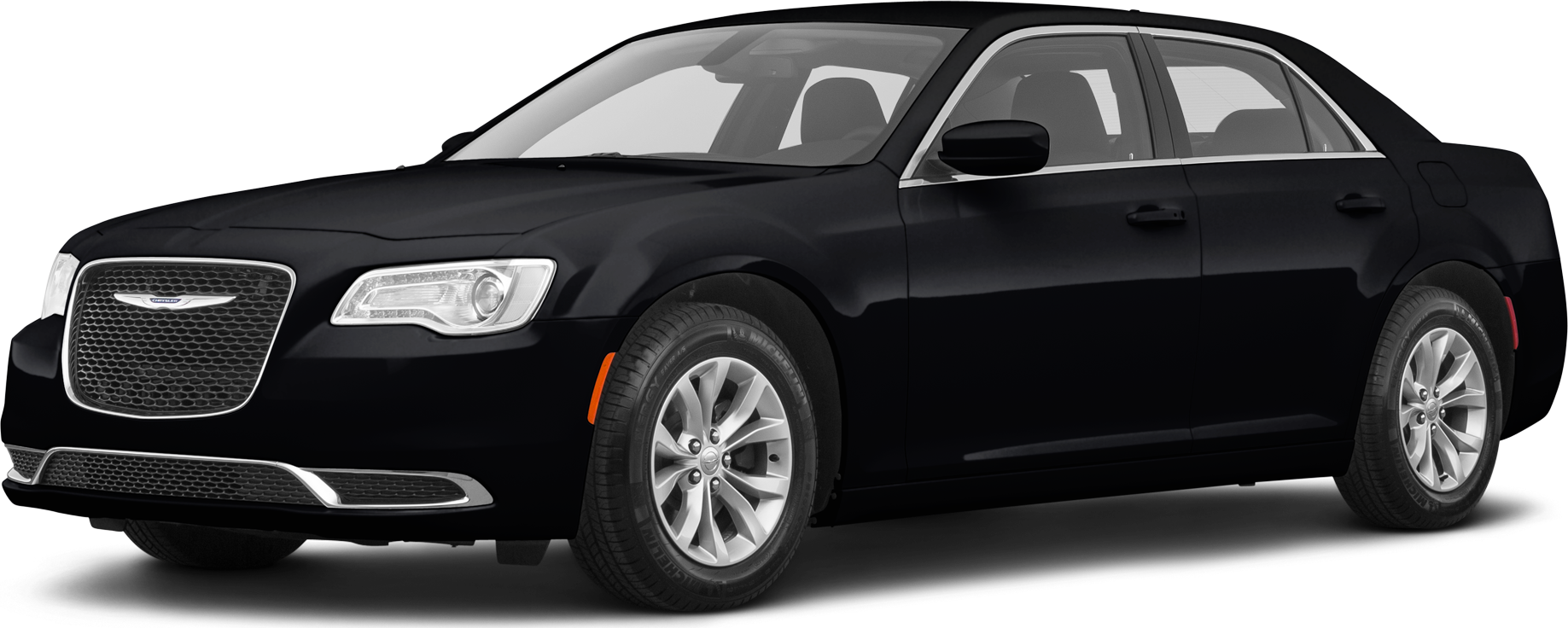
When purchasing a new Chrysler 300, the Manufacturer’s Suggested Retail Price (MSRP) serves as a starting point. For recent model years, depending on the trim level – such as the Touring, Touring L, or the more performance-oriented 300S – the MSRP can range from approximately $33,000 for a base model to upwards of $45,000 for a fully loaded version with all-wheel drive and premium packages. These prices do not include destination charges, which are typically a few hundred to over a thousand dollars, nor do they factor in any optional extras, dealer-installed accessories, or market adjustments.
Dealerships also play a significant role in the final transaction price. While the MSRP is a suggestion, actual selling prices can be influenced by regional demand, current incentives (such as manufacturer rebates or low APR financing offers), and the dealer’s specific pricing strategy. Negotiation is often possible, and understanding the fair market value of the vehicle, as well as being aware of any ongoing promotions, can save buyers thousands off the sticker price. Furthermore, the choice between rear-wheel drive (standard) and all-wheel drive (optional on some trims) will also impact the base price, with AWD configurations commanding a higher premium due to increased complexity and enhanced traction capabilities.
Used Chrysler 300 Market: Depreciation and Value Factors
The used car market offers a more accessible entry point into Chrysler 300 ownership. Vehicles, like most assets, begin to depreciate the moment they leave the dealership lot. The Chrysler 300, while holding its value reasonably well compared to some luxury rivals, still experiences significant depreciation in its first few years. A model that was $40,000 new might be available for $25,000 after three years, and potentially less than $15,000 after five to seven years, depending on its condition, mileage, and specific trim level.
When evaluating a used Chrysler 300, several factors influence its price:
- Model Year: Newer models naturally command higher prices.
- Mileage: Lower mileage generally translates to a higher price, reflecting less wear and tear.
- Trim Level and Features: Higher trim levels (e.g., 300S or models with luxury packages) with premium features like leather seats, navigation, panoramic sunroofs, or advanced safety systems will fetch more.
- Condition: The overall physical and mechanical condition is paramount. A well-maintained vehicle with a clean service history will be more valuable.
- Engine Type: The powerful 5.7L HEMI V8 often commands a premium over the standard V6, appealing to buyers seeking stronger performance.
- Market Demand: Local and national market trends can also sway prices.
Tools like Kelley Blue Book (KBB), Edmunds, and NADAguides provide excellent resources for estimating the fair market value of used Chrysler 300s, helping buyers and sellers alike determine a reasonable price range based on specific vehicle attributes.
Certified Pre-Owned (CPO) Options: Balancing Cost and Assurance
For those seeking a middle ground between a new car’s reliability and a used car’s affordability, a Certified Pre-Owned (CPO) Chrysler 300 can be an appealing option. CPO vehicles are typically late-model, low-mileage used cars that have undergone a rigorous multi-point inspection by factory-trained technicians. They often come with an extended warranty from the manufacturer, roadside assistance, and other benefits that new cars offer.
The cost of a CPO Chrysler 300 will be higher than a non-CPO used model of similar age and mileage, reflecting the added assurance and warranty coverage. For instance, a CPO Chrysler 300 might cost 10-20% more than a comparable non-CPO model. However, this premium can be a worthwhile financial investment for buyers who prioritize peace of mind and want to mitigate the risks associated with unforeseen repairs, which can be a significant financial burden with older used vehicles. The extended warranty can potentially save owners thousands in repair costs over the period it covers, making the higher initial outlay a prudent financial decision for risk-averse individuals.
Beyond the Sticker Price: Hidden Costs of Chrysler 300 Ownership
The initial purchase price is merely the first financial hurdle. True cost of ownership extends far beyond the dealership lot, encompassing a range of ongoing expenses that can significantly impact your personal budget. Failing to account for these “hidden” costs can lead to financial strain and an inaccurate assessment of the car’s overall affordability.
Insurance Premiums: Factors Influencing Your Rate
Car insurance is a mandatory and recurring expense for all vehicle owners. For a Chrysler 300, insurance premiums can vary widely based on numerous factors:
- Driver Demographics: Age, driving record, gender, and marital status significantly influence rates. Younger drivers or those with a history of accidents will generally pay more.
- Location: Urban areas often have higher rates due to increased risk of theft and accidents.
- Vehicle Specifications: The 300S with its powerful V8 engine might incur higher premiums than a V6 Touring model due to its greater performance potential and repair costs. The vehicle’s safety features and crash ratings also play a role.
- Coverage Levels: Choosing comprehensive, collision, uninsured motorist, and higher liability limits will increase costs.
- Deductibles: Higher deductibles typically result in lower monthly premiums, but require more out-of-pocket expense in case of a claim.
Average annual insurance costs for a Chrysler 300 can range from $1,200 to $2,000 or more, depending on these variables. Shopping around for quotes from multiple providers is essential to find the most competitive rates.
Fuel Efficiency and Running Costs: A Look at MPG and Engine Choices
Fuel consumption is a major ongoing expense, especially for a full-size sedan like the Chrysler 300. The car offers two primary engine options: a 3.6-liter Pentastar V6 and a 5.7-liter HEMI V8.
- 3.6L Pentastar V6: This engine typically offers better fuel economy, with EPA estimates often around 19-20 MPG in the city and 30 MPG on the highway for rear-wheel-drive models. All-wheel-drive versions will see a slight decrease.
- 5.7L HEMI V8: While offering significantly more power, the V8 is less fuel-efficient, often rated around 16 MPG city and 25 MPG highway.
Over the course of a year, driving an average of 12,000-15,000 miles, the difference in fuel economy between the V6 and V8 can translate to hundreds of dollars in fuel costs, especially with fluctuating gas prices. Owners must factor in their typical driving habits and local fuel costs when budgeting for this recurring expense.
Maintenance and Repairs: Expected Costs Over Time
All cars require regular maintenance, and the Chrysler 300 is no exception. Routine services include oil changes, tire rotations, brake inspections, and fluid checks. These generally cost between $100-$300 per visit, depending on the service and location. Larger maintenance milestones, such as spark plug replacement, transmission fluid changes, or timing belt service (if applicable for older models), can be more expensive, potentially ranging from $500 to over $1,000.
Beyond routine maintenance, there’s always the potential for unexpected repairs. While modern vehicles are generally reliable, components can fail over time. The cost of parts and labor can vary, but owning a V8 model might sometimes incur higher repair costs due to more complex components or specific parts. Having an emergency fund dedicated to car repairs is a sound financial practice. For CPO vehicles or newer models, factory warranties can cover many of these costs, but out-of-warranty vehicles place the full financial burden on the owner.
Registration, Taxes, and Fees: The Administrative Burden
State and local governments impose various fees and taxes related to vehicle ownership. These can include:
- Sales Tax: A significant one-time expense calculated as a percentage of the vehicle’s purchase price, varying by state. This can add thousands of dollars to the initial cost.
- Registration Fees: Annual fees required to keep your vehicle legally registered, varying by state and sometimes by vehicle value or weight.
- License Plate Fees: Associated with obtaining or renewing your vehicle’s license plates.
- Emissions Testing: Some states require periodic emissions tests, which incur a small fee.
- Personal Property Tax: A few states levy an annual personal property tax on vehicles, calculated based on the car’s assessed value.
These administrative costs, while often smaller individually, accumulate over time and must be budgeted for annually. They are non-negotiable aspects of legal vehicle ownership.
Depreciation and Resale Value: Protecting Your Investment
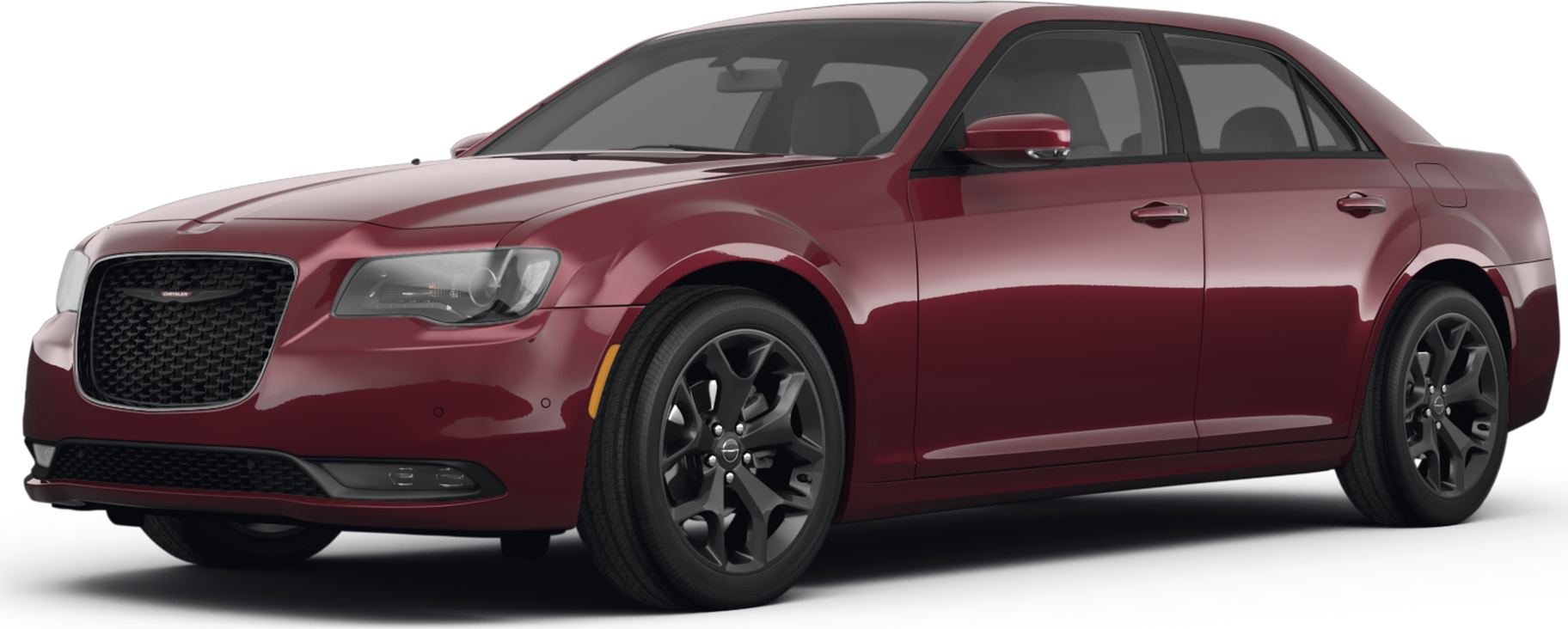
Depreciation is arguably the largest, yet often overlooked, cost of car ownership. It represents the loss in value of an asset over time. Understanding how the Chrysler 300 depreciates and what factors influence its resale value is key to protecting your financial investment.
The Depreciation Curve: How Quickly Does a Chrysler 300 Lose Value?
Like most sedans, the Chrysler 300 experiences its steepest depreciation in the first few years of ownership. A new car can lose 20-30% of its value in its first year alone, and cumulatively 40-50% over the first three to five years. After this initial rapid decline, the depreciation curve tends to flatten out, though the vehicle continues to lose value steadily.
Factors contributing to this include the introduction of newer models, accumulating mileage, and general wear and tear. While the Chrysler 300 holds its own in the segment, it does not typically outperform premium brands in terms of resale value retention. Buyers planning to keep their vehicle for a long time might be less concerned about immediate depreciation, but those who frequently upgrade or trade in their vehicles need to be acutely aware of this financial reality.
Factors Affecting Resale Value: Condition, Mileage, and Trim
Several elements can either bolster or hinder the resale value of a Chrysler 300:
- Meticulous Maintenance and Service History: A complete and verifiable service record showing regular maintenance significantly adds to a car’s appeal and value. It demonstrates responsible ownership.
- Low Mileage: Fewer miles on the odometer always command a higher price.
- Excellent Physical Condition: A car free of dents, scratches, rips, and excessive wear and tear on the interior will naturally fetch more. Keeping the car clean and garaged helps preserve its aesthetic condition.
- Desirable Trim Levels and Features: Higher trim levels (e.g., 300S with its sportier appearance and performance upgrades) and popular optional features (like navigation, sunroof, premium audio, advanced safety packages) tend to retain more value because they are sought after in the used market. The V8 engine, while less fuel-efficient, can also be a selling point for enthusiasts, potentially boosting its niche resale value.
- Color: Popular colors (black, white, silver, grey) generally have broader appeal and can sell faster and at a better price than less common or polarizing hues.
- Accident History: A clean vehicle history report (e.g., CarFax or AutoCheck) with no accidents is paramount. Even minor accidents can significantly reduce resale value.
Maximizing Resale: Tips for Maintaining Your Chrysler 300’s Value
Proactive measures can help mitigate depreciation and maximize your Chrysler 300’s resale value when the time comes to sell:
- Adhere to Service Schedules: Regular oil changes, tire rotations, and other scheduled maintenance not only keep the car running well but also create a robust service history.
- Keep Records: Retain all receipts for maintenance, repairs, and any upgrades. This documentation provides concrete evidence of proper care.
- Protect the Interior and Exterior: Use floor mats, seat covers, and promptly clean spills. Wash and wax the exterior regularly to protect the paint. Address any dings or scratches promptly to prevent rust and maintain appearance.
- Drive Responsibly: Avoid aggressive driving, which puts undue stress on mechanical components and can accelerate wear.
- Limit Modifications: While personalizing your car can be fun, extensive or highly specific aftermarket modifications might limit your buyer pool and could negatively impact resale value, unless they are performance-enhancing upgrades from reputable brands that appeal to a specific enthusiast market.
- Maintain a Clean Title: Ensure there are no liens or other issues that could complicate the sale.
Financing Your Chrysler 300: Loans, Leases, and Smart Strategies
Once you understand the full cost picture, the next financial step is determining the best way to fund your Chrysler 300 purchase. Financing options — loans and leases — each come with distinct financial implications that must be carefully evaluated against your personal circumstances and goals.
Loan Options: Interest Rates, Terms, and Down Payments
For most buyers, financing a car involves taking out an auto loan. Key factors influencing the total cost of a loan include:
- Interest Rate (APR): This is the percentage charged on the borrowed amount. A lower APR means less money paid over the life of the loan. Your credit score is the primary determinant of the interest rate you’ll receive; excellent credit can secure rates below 3-4%, while poor credit could lead to rates in double digits.
- Loan Term: The length of the loan (e.g., 36, 48, 60, 72, or even 84 months). Longer terms result in lower monthly payments but accumulate more interest over time and mean you’ll be upside down on your loan (owing more than the car is worth) for a longer period. Shorter terms have higher monthly payments but save on interest and build equity faster.
- Down Payment: A larger down payment reduces the amount borrowed, lowering monthly payments and the total interest paid. It also helps avoid being “upside down” on the loan early on. Financial advisors often recommend a down payment of at least 10-20% for a new car and 10% for a used car.
It’s wise to get pre-approved for a loan from your bank or credit union before visiting a dealership. This provides a benchmark for comparison and strengthens your negotiating position.
Leasing a Chrysler 300: Pros, Cons, and Lease End Considerations
Leasing is an alternative to buying, essentially renting the vehicle for a set period, typically 24 to 48 months.
- Pros: Lower monthly payments compared to buying, always driving a new car under warranty, and simpler trade-ins at the end of the lease. Many people choose to lease for the ability to drive a more expensive car than they could afford to purchase.
- Cons: No ownership equity, mileage restrictions (exceeding limits incurs costly penalties), potential wear and tear charges at lease end, and continuous car payments without ever owning the vehicle.
Lease agreements calculate payments based on the car’s depreciation during the lease term, plus a money factor (similar to an interest rate) and taxes/fees. At the end of the lease, you can typically return the car, buy it out at a predetermined residual value, or lease a new vehicle. Carefully review the lease contract for all fees, mileage allowances, and end-of-lease options. From a purely financial standpoint, buying a vehicle and driving it for many years beyond its loan payoff often proves more cost-effective than perpetually leasing.
Budgeting for Car Ownership: A Holistic Financial Approach
Regardless of whether you buy or lease, integrating car ownership costs into your overall financial budget is critical.
- The 20/4/10 Rule: A common guideline suggests putting down at least 20% of the purchase price, financing for no more than four years, and ensuring that total monthly car expenses (payment, insurance, fuel, maintenance fund) do not exceed 10% of your gross monthly income.
- Emergency Fund: Always maintain an emergency fund that can cover unexpected car repairs or a period of unemployment.
- Savings for Next Vehicle: If you plan to replace your Chrysler 300 in a few years, start saving for your next down payment early.
A disciplined approach to budgeting ensures that your vehicle remains a convenient asset rather than a financial burden.
Is a Chrysler 300 a Smart Financial Decision for You?
Ultimately, the question of “how much is a Chrysler 300?” culminates in a personal financial assessment. The answer isn’t just a number; it’s an evaluation of value, needs, and long-term financial health.
Assessing Personal Needs vs. Automotive Costs
The Chrysler 300 appeals to drivers seeking a blend of classic American styling, comfortable cruising, and robust performance, especially with the V8 engine. It offers a spacious cabin and a distinctive presence on the road. However, its fuel efficiency, especially the V8, might not align with every budget, particularly if you have a long daily commute. If your priority is absolute fuel economy or maximum cargo space (which a sedan typically doesn’t offer as much as an SUV), the 300 might not be the most financially optimal choice, despite its appeal.
Consider your lifestyle: Do you need AWD for inclement weather? Is the V8’s power a must-have, or is the V6 sufficient for your driving needs? The more features and power you opt for, the higher the initial cost and often the ongoing expenses. Balance these desires with your financial capacity.
Long-Term Financial Planning for Vehicle Ownership
A car is one of the largest purchases most individuals make after a home. It’s crucial to view it as a long-term financial commitment. Factor in not just the monthly payment, but also the aggregate cost of fuel, insurance, maintenance, and the eventual depreciation. Over a five-year period, these costs can easily rival or even exceed the initial purchase price of a new vehicle.
Planning to keep your Chrysler 300 for a decade or more can amortize the initial depreciation over a longer period, making it a more financially sound decision in the long run, provided you maintain it well to avoid excessive repair costs. Conversely, frequent trade-ins or short-term leases can be financially taxing due to constant exposure to the initial depreciation hit.
Alternatives and Comparative Value
Before committing, consider alternatives. How does the total cost of ownership for a Chrysler 300 compare to rivals in its class (e.g., Dodge Charger, Nissan Maxima, Toyota Avalon) or even to different vehicle types like mid-size SUVs or smaller sedans that might better suit your budget and needs? While the 300 offers a unique blend, other vehicles might provide a similar utility at a lower overall financial outlay.
Ultimately, the Chrysler 300 offers a compelling package for those who appreciate its unique characteristics. However, making it a financially smart choice requires a thorough understanding of its complete cost spectrum. By meticulously accounting for the purchase price, ongoing expenses, depreciation, and financing implications, you can ensure that your aspiration for a Chrysler 300 aligns harmoniously with your financial reality.
aViewFromTheCave is a participant in the Amazon Services LLC Associates Program, an affiliate advertising program designed to provide a means for sites to earn advertising fees by advertising and linking to Amazon.com. Amazon, the Amazon logo, AmazonSupply, and the AmazonSupply logo are trademarks of Amazon.com, Inc. or its affiliates. As an Amazon Associate we earn affiliate commissions from qualifying purchases.